





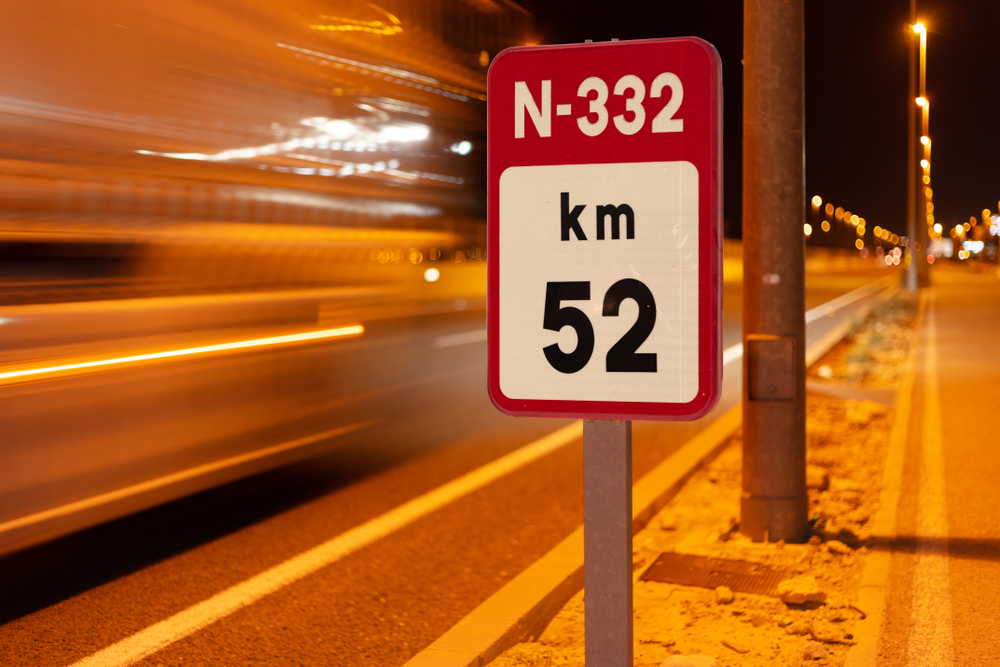
Introduction to the N332: The Lifeline of the Costa Blanca
The N332 is more than just a road. Stretching for hundreds of kilometers along the glittering shores of eastern Spain, this vital roadway serves as an indispensable artery connecting the picturesque towns, urbanizations, beaches, and commercial centers that define the Costa Blanca experience. Its historic and contemporary relevance is steeped in centuries of change, nor is its significance confined to transportation alone; for many residents, expatriates, and holidaymakers, the N332 is synonymous with movement, business, lifestyle, and the region's thriving tourism sector.
This comprehensive guide delves deeply into all facets of the N332—from its history and infrastructure to its legal and environmental dimensions. By understanding the N332, its influence on regional development, transport, commerce, local communities, and investment opportunities, it becomes clear why this road is not simply a means of getting from point A to point B, but the very thread that weaves together the eastern Spanish coastline.
Historical Context: The Evolution of the N332
To truly appreciate the importance of the N332, it is essential to begin with its origins. Tracing its roots back to age-old trade and pilgrimage routes, the modern N332 follows paths that were vital long before the age of motor vehicles. Over centuries, these coastal tracks were expanded, formalized, and eventually paved to accommodate carriages, lorries, and, in contemporary times, automobiles and commercial trucks.
During the 20th century, with the advent of mass tourism and urbanization along Spain’s Mediterranean coastline, the significance of the N332 grew exponentially. In contrast to inland highways, the N332 retained its unique place as both a functional highway and a scenic coastal route. Major infrastructure investments have continually modernized the road, addressing the needs of an ever-growing population eager to explore, live, and holiday within the region.
The N332 Route: From Valencia to Cartagena
The N332 snakes through some of the most stunning landscapes of eastern Spain, running parallel for much of its length to both the AP-7 motorway and the lustrous Mediterranean Sea. Its route encompasses beachfront towns, dramatic cliffs, mountain vistas, and fertile valleys—offering travelers a panoramic experience of all the Costa Blanca has to offer.
Key Urban and Rural Destinations on the N332
- Valencia: The bustling provincial capital, cultural hub, and northern starting point of the famed route.
- Gandía: Famed for beaches and historical sites.
- Denia: Known for its gastronomic riches and ferry links to the Balearic Islands.
- Jávea/Xàbia: A picturesque blend of old-town charm and coastal beauty.
- Calpe: Iconic for the towering Peñón de Ifach and sandy beaches.
- Altea: Renowned for its whitewashed old town and artists' community.
- Benidorm: Spain's holiday capital, with dazzling nightlife and family entertainment.
- Alicante: A cosmopolitan city with an international airport and a bustling port.
- Torrellano, Santa Pola, Guardamar del Segura, Torrevieja: Each offering their own blend of beaches, salt lakes, and vibrant expat communities.
- Cartagena: A historic Roman city and southern terminus.
These are mere highlights. Along its entire length, the N332 links dozens of municipalities, commercial areas, industrial parks, and residential communities—all while remaining accessible to those seeking seafront adventure or tranquil countryside retreats.
Infrastructure and Design: Navigating the N332
The structure of the N332 reflects the region’s diversity. In urban areas, it often broadens into multiple carriageways, roundabouts, dedicated pedestrian zones, and commercial access lanes. In contrast, rural and coastal stretches may narrow to single lanes with intermittent passing areas, picturesque curves, and direct turnoffs towards beaches and small villages.
Timely Upgrades and Traffic Management
Recognizing its significance, authorities have invested heavily in the modernization and ongoing maintenance of the N332:
- Widening projects: Key bottlenecks are regularly widened to handle seasonal influxes.
- Signage enhancements: Bilingual and standardized road signage aids both locals and international travelers.
- Lighting and safety: Urban sections are well-lit, with barriers, pedestrian walkways, and traffic-light controls.
- Accident reduction: Black spots have been targeted with new roundabouts, speed controls, and road surfacing improvements.
All these features contribute to safer and more efficient transit, supporting the N332’s status as the main thoroughfare throughout much of the Costa Blanca region.
Economic Importance of the N332
No discussion of the N332 is complete without exploring its profound impact on the region’s economy. The road is far more than a conduit for cars; it is a lifeline for businesses both large and small, a facilitator of trade, and the backbone of the renowned Costa Blanca tourism industry.
Facilitating Business and Commerce
Access to the N332 is an asset for numerous commercial enterprises—ranging from supermarkets and retail outlets to logistics firms and local artisan shops. Its proximity enables efficient supply chains as well as customer flow between urban and rural environments. Significantly, major business parks and warehouses are strategically located for fast connectivity with both the N332 and nearby autovías.
Driving the Tourism Sector
Tourism is the heartbeat of the Costa Blanca, and the N332 is the main artery sustaining this pulse. Holidaymakers rely on the N332 to reach travel hotspots, beaches, golf courses, theme parks, and marinas. Many hospitality providers, including hotels, resorts, campgrounds, and restaurants, base their business model on direct access to the road. Event venues for fiestas and festivals also see a direct link between N332 traffic flow and their annual visitor numbers.
Supporting Real Estate Investment
The value and development of both commercial and residential property along the Costa Blanca are closely associated with proximity to the N332. Investors and homebuyers, especially international ones, prioritize accessible road networks for convenience, safety, and investment potential. Urbanizations, villas, apartments, and gated communities dot the landscape along the N332, all benefitting from its central location.
Legal Aspects: Road Rules and Regulations
Operating on the N332 requires awareness of Spain’s legal framework concerning road safety, speed limits, signage, and vehicular requirements. Spanish law dictates universal highway codes, but the N332’s unique context—serving as both a local and regional road—means that specific regulations can sometimes vary depending on the municipality.
Key Traffic Regulations on the N332
- Speed Limits: These range from 40 km/h in densely populated areas to 80-100 km/h on open stretches, with frequent changes for roundabouts, pedestrian crossings, and school zones.
- Pedestrian and Cyclist Priority: Segments of the N332 are frequented by cyclists and, occasionally, walkers—especially in urban fringes, demanding heightened driver awareness.
- Roundabouts: Spain’s rules for entering and exiting roundabouts can be confusing for foreign drivers; understanding proper lane usage and signaling is essential. Clear signage assists with lane discipline along the N332.
- Alcohol Limits: Spain enforces strict drink-driving laws, with lower permissible limits than many other European countries.
- Seatbelts and Child Safety: Mandatory use for all occupants, with child seats required for younger passengers.
Awareness of these regulations enhances not only personal safety but also helps prevent fines or accidents—especially important on a road as busy and vital as the N332.
The N332 and Sustainable Mobility
Given global and local priorities around sustainability, the N332’s future lies in its ability to support greener mobility. While road traffic still dominates, significant infrastructure projects and policy shifts are underway to diversify transportation options and reduce environmental impacts.
Public Transport Integration
Key public bus routes parallel or intersect with the N332, providing crucial links between coastal towns and larger cities like Alicante and Valencia. Commuter services, tourist shuttles, and airport transfers use the N332 for efficiency, ensuring a seamless travel experience throughout the region.
Cycling and Walking Initiatives
- Many sections of the N332 corridor now include dedicated cycle paths, enhancing safety for both cyclists and motorists. Events like the Vuelta a España elevate the area’s profile as a premier cycling destination.
- Pedestrian footbridges, crossings, and walkways are prioritizing active transport in towns and residential areas adjoining the N332.
Electric Vehicle Infrastructure
Responding to the explosion in electric vehicle adoption, charging stations are being installed at service areas, gas stations, commercial centers, and parking facilities conveniently accessed from the N332.
All these initiatives demonstrate a commitment to making the N332 not just an efficient road, but a corridor at the heart of the Costa Blanca’s transition to sustainable mobility.
N332 Safety: Challenges and Innovations
With the N332 being one of the most heavily trafficked non-motorway roads in Spain—particularly during peak holiday months—road safety is a perpetual priority. Addressing accident hotspots, educating drivers, and upgrading the physical road infrastructure have all become routine undertakings by both national and regional governments.
Frequent Hazards and Risk Points
- Congestion: Heavy summer traffic, especially near major resort towns, demands vigilance and patience.
- Complex Interchanges: Intersections with other highways, urban access points, and roundabouts can sometimes confuse unfamiliar drivers.
- Local and Tourist Driver Mix: The blend of local residents, delivery trucks, foreign tourists, and professional drivers increases unpredictability.
Innovative Safety Measures
- Intelligent Speed Controls: Speed cameras and dynamic signage at accident-prone points help keep vehicles moving at safe tempos.
- Better Road Markings: Reflective paint, rumble strips, and clearer lane delimitations improve visibility both day and night, particularly during adverse weather.
- Awareness Campaigns: Local authorities regularly engage the media, schools, and online platforms to inform and educate both visitors and residents about safer driving.
- Improved Junctions: Investment in roundabout redesigns and wider slip lanes have noticeably reduced collision rates, especially where high-speed through-traffic intersects local access roads.
The ongoing commitment to safety is evident all along the N332, reinforcing its functionality as a well-managed yet complex route.
Living Along the N332: Lifestyle and Community
The N332 is lifeblood for thousands of families, expatriates, and retirees calling the Costa Blanca their home. Beyond its transport role, proximity to the N332 defines the daily rhythms and lifestyle of many localities—shaping everything from property values to social activities.
A Crossroads of Cultures
The towns and villages along the N332 offer a cosmopolitan mix of Spanish, British, Dutch, German, Belgian, Scandinavian, and other communities. Multilingual services, international schools, and a plethora of businesses cater to this blended demographic. Many newcomers are drawn by the ease of movement provided by the N332, with local services and community centers readily accessible due to the road’s centrality.
Services and Amenities
- Healthcare: Proximity to large hospitals like Alicante General or Denia Hospital, as well as clinics and pharmacies positioned near the N332, ensures healthcare needs are met quickly and conveniently.
- Education: Schools, both national and international, are frequently sited near the N332, making the school run an efficient process for busy families.
- Shopping and Leisure: Supermarkets, retail parks, gyms, and entertainment centers are clustered around strategic junctions along the N332, offering unrivaled choice for residents.
- Outdoor Sports: Access to golf courses, tennis clubs, marinas, and beaches via the N332 supports an active, Mediterranean outdoor lifestyle.
The N332 as a Gateway to Costa Blanca’s Beaches and Attractions
Beach access is a central selling point for both residents and tourists along the Costa Blanca, and the N332 functions as the primary portal to the region’s celebrated stretches of golden sand and hidden coves.
Accessible Beaches and Marinas
- Playa de Levante (Benidorm): Easily reached from the N332, it offers watersports, promenades, and a vibrant social scene.
- Playa de San Juan (Alicante): Renowned for its length and quality, San Juan is perfectly accessed from the N332.
- Cala Finestrat, Playa Arenal (Jávea), Playa La Fossa (Calpe), Playa de Guardamar: Each showcases the Costa Blanca's diverse seafront, many with direct parking or bus links connecting to the N332.
Key Cultural and Natural Attractions
- Mount Ifach and Natural Parks: Turn-offs along the N332 provide access to hiking, birdwatching, and panoramic photo opportunities.
- Museums and Historic Centers: Cities like Alicante, Altea, and Denia are a short drive away for cultural explorations.
- Markets and Festivals: Weekly street markets, agricultural fairs, and community fiestas are calendar highlights for anyone traveling the N332.
Regular travelers along the N332 soon discover that the route is much more than a highway—it is a string of gateways to the best experiences that the Costa Blanca can offer.
Challenges and Controversies Surrounding the N332
While the N332 brings undeniable benefits, its prominence has also generated periodic controversy and debate among residents, business owners, environmentalists, and local politicians. Understanding these issues provides insight into both the road's impact and the surrounding region's ever-changing dynamics.
Urban Pressure and Congestion
Rising populations and swelling tourist numbers can strain the N332, causing seasonal gridlock in hotspots like Benidorm, Torrevieja, and Alicante. Urban sprawl has led to the proliferation of roundabouts, junctions, and traffic-calming measures—sometimes at the expense of journey times for through-traffic.
Environmental Impact
The proximity of the N332 to sensitive ecosystems—such as salt lakes (Las Salinas), protected dunes, and marine reserves—has occasionally led to legal and social battles over infrastructure expansion. Conservationists monitor developments closely, calling for sustainable solutions and alternative routes where needed.
Community Divide and Cohesion
For some communities, the N332 creates a physical divide between urban centers and newer urbanizations or beach areas. The strategic construction of underpasses, pedestrian bridges, and better public transport is alleviating this issue, but careful urban planning remains essential to maintain community cohesion.
All these debates point to the complex and evolving relationship between the N332 and the Costa Blanca’s localities, underscoring the need for balanced, forward-thinking policy decisions.
Future Developments and the Evolving Role of the N332
The N332 was, is, and will continue to be a work in progress—constantly shaped by the currents of tourism, migration, commerce, and technological innovation. Ambitious plans are frequently tabled to address current and future requirements for safe, efficient, and sustainable mobility right along the Costa Blanca coast.
Key Projects on the Horizon
- Ongoing Road Widening: Targeted expansion in high-traffic zones aims to improve traffic flow, reduce bottlenecks, and accommodate new communities.
- Sustainable Transport Initiatives: New bus lanes, electric charging hubs, and improved cycling infrastructure highlight a low-carbon approach to regional mobility.
- Smart Traffic Management: The incorporation of real-time traffic data, automated traffic signals, and digital displays promise more responsive and efficient regulation of vehicle movement.
- Environmental Mitigation: New projects often include green corridors, wildlife crossings, and landscape integration to preserve biodiversity.
Role in Regional Development
The N332’s anticipated growth aligns with the continued development of the Costa Blanca as a world-class destination—for living, leisure, and business. The road’s infrastructural and economic importance will only heighten as it adapts to evolving demands from local and international communities.
Practical Tips for Using the N332
For anyone new to the Costa Blanca—be it as a tourist, investor, or future resident—an effective understanding of the N332 and its practical nuances can make daily life, travel, and business operations markedly smoother.
Driving Tips for Locals and Visitors
- Plan Your Journey: Anticipate peak traffic hours, especially during weekends and at the start and end of school terms or holiday seasons.
- Respect Speed Limits and Signage: Transitional zones between municipalities can have rapid changes in restrictions; pay close attention, especially around schools and urban cores.
- Beware of Cyclists: Particularly in the early morning and during cycling events, large groups may use the road.
- Prepare for Roundabouts: Lane discipline and correct signaling are crucial for safety and flow, particularly at busy interchanges.
- Parking: Many beaches and commercial centers offer dedicated parking off the N332. Avoid illegal parking or stopping on the hard shoulder unless in an emergency.
Using Public Transport on the N332
- Bus stops are well-marked, with shelters and updated timetables. Purchase tickets online or in advance for popular routes.
- Airport shuttles and intercity lines parallel sections of the N332 for efficient airport and city access.
For Cyclists and Pedestrians
- Utilize dedicated cycle paths wherever possible.
- Cross the N332 only at marked crossings or pedestrian bridges in town areas.
These practical guidelines help ensure all users can take advantage of the N332’s connectivity in a safe, efficient, and enjoyable manner.
The Human Element: Anecdotes, Stories, and Local Perspectives
The N332 is woven into the fabric of daily life along the Costa Blanca. Beyond infrastructure and regulation, the real stories come from those who use it—from local business owners and taxi drivers navigating their daily trades, to expat retirees recounting their move to the sunny coast, and the seasonal workers who keep the region’s tourism sector thriving.
Voices from the Costa Blanca
- Local Entrepreneurs: Many attribute their success to good access and visibility on the N332, noting how passing trade and easy delivery are integral to their business models.
- Residents: For countless families, proximity to the N332 means short commutes to schools, markets, and jobs. Varied experiences reflect the diversity of life from Denia down to Torrevieja.
- Tourists: Many tourists recount impromptu adventures, having turned off the N332 into a hidden beach or discovered a village’s festival by following signposts along the route.
- Cyclists and Nature Enthusiasts: The availability of coastal bike lanes and hiking access allows for healthy living, leisure, and scenic enjoyment.
These stories build a living mosaic of the N332’s continued relevance and positive influence on the Costa Blanca way of life.
Integrating the N332 into Urban and Regional Planning
The N332’s ongoing evolution is informed by the region’s urban planning philosophies and objectives. Both local and provincial administrations recognize that integrated transport, housing, and economic strategies are vital to sustainable development.
Planning for Growth
- Strategic Urban Expansion: As towns and commercial zones grow, careful siting near the N332 ensures lasting accessibility without overloading existing segments.
- Mixed-Use Developments: New projects often incorporate residential, commercial, and recreational spaces to maximize synergy and minimize unnecessary traffic generation.
- Public Involvement: Planning decisions along the N332 route often include community input and feedback sessions, bridging citizen concerns with long-term objectives.
- Cross-Municipality Collaboration: Multiple councils work together to coordinate roadworks, events, and emergency responses, maintaining consistency and high service levels along the N332.
Through integrated planning, the N332 helps anchor not just present priorities, but the future prosperity and sustainability of the Costa Blanca.
The N332 in Numbers: Statistics and Demographics
Quantifying the impact of the N332 reveals fascinating insights into its utility and scope. Traffic counts regularly surpass tens of thousands of vehicles per day in high-density areas, with volumes ballooning during the summer months.
Key Figures
- Traffic Volume: Daily vehicle movements can exceed 50,000 cars in certain sections during peak season.
- International Users: Large proportions of cars bear plates from the UK, Germany, the Netherlands, Belgium, and Scandinavian countries, reflecting the diversity of the regional population.
- Commercial Freight: Regular heavy goods movements sustain retail, construction, and agricultural sectors.
- Public Transport: Thousands of bus passengers use the N332 each week to connect with jobs, schools, and holiday destinations.
- Cyclist Volume: The Costa Blanca’s reputation as a cycling paradise ensures a steady flow of recreational and competitive riders along the N332 corridor.
These figures highlight the breadth and durability of the N332’s role within the economic and social life of the region.
Cultural and Recreational Life Along the N332
Cultural vibrancy is another hallmark of the road. Fiestas, art exhibitions, culinary fairs, and music events enliven towns and cities all along the N332, drawing visitors and enhancing the region’s cosmopolitan atmosphere.
Annual Events and Attractions
- Moors and Christians (Moros y Cristianos): Celebrated in towns from Denia to Altea, these historical reenactments attract thousands.
- Music and Dance Festivals: From classical performances in Benidorm to contemporary dance parties in Alicante, easily accessible via the N332.
- Weekly Markets: Each town boasts local markets—selling fresh produce, crafts, antiques, and fashion—often a short stroll or drive from the main road.
- Religious and Secular Parades: Holy week, carnival, and midsummer festivals are all integral to the regional calendar.
By facilitating both movement and congregation, the N332 is inseparable from the social and festive fabric of the Costa Blanca.
The N332: A Perspective for Real Estate Buyers and Investors
For buyers, investors, and those considering relocation, the N332 offers both direct and indirect advantages. Accessibility is a prime consideration for property value and rental yield—proximity to the N332 ensures properties are more easily marketed, visited, and maintained. Whether looking for a holiday villa, a long-term rental, or commercial premises, the route’s prominence streamlines all aspects of the property lifecycle.
Why Choose Property Near the N332?
- Year-round Accessibility: Excellent for those seeking convenient access to airports, hospitals, schools, retail hubs, and recreational amenities.
- Market Liquidity: Properties near major road networks tend to offer stronger resale and rental prospects due to ongoing demand.
- Quality of Life: The ability to reach different beaches, golf courses, urban centers, and cultural attractions all within minutes by car.
- Diverse Options: Apartments, townhouses, villas, and commercial real estate are all available in enclaves along the N332 corridor.
- Investment Security: Infrastructure investment in the N332 underscores the region’s continued appeal and growth potential.
Those leveraging opportunities connected to the N332 are well-positioned to enjoy both immediate and long-term benefits from one of Spain’s most dynamic regions.
Conclusion: The Enduring Significance of the N332
The N332 stands out as the indispensable lifeline of the Costa Blanca—more than a road, it is a canvas upon which the traditions, ambitions, and innovations of the region are continually painted. From its historical beginnings as a link between scattered coastal settlements to its current role facilitating global tourism, robust commerce, and vibrant multicultural communities, the N332 encapsulates the dynamism of eastern Spain.
Its ongoing modernization and adaptation to contemporary challenges point to a future where mobility, sustainability, economic growth, and quality of life are mutually reinforcing. The N332 is not just a route—it is a shared experience, a daily reality, and a symbol of the enduring appeal of the Costa Blanca for residents, visitors, and investors alike. As the Costa Blanca continues to evolve, so too will the N332 remain at the heart of its story—guiding, connecting, and inspiring all who travel along its storied path.