





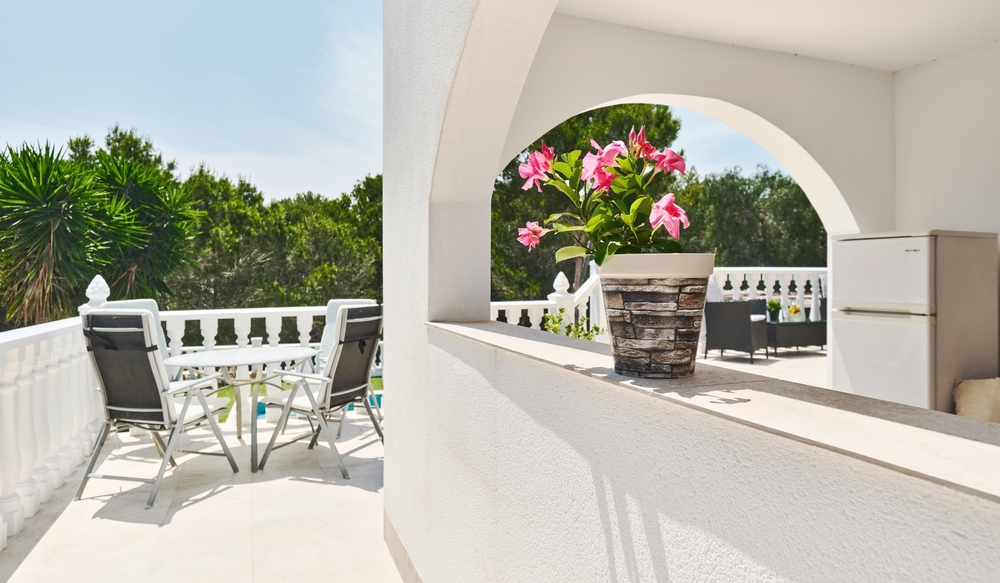
Experience the Essence of Spanish Outdoor Living with Naya in Spanje
The allure of the Spanish lifestyle is intimately connected with its vibrant outdoor living culture. Central to this is the concept of the ‘naya’—a staple architectural feature that elegantly bridges the boundaries between interior comfort and the beauty of the Mediterranean outdoors. Whether you are considering relocating, investing in real estate, or simply seeking inspiration for your own home, understanding the Spanish naya and the broader context of outdoor living in Spain will enrich your appreciation of this unique way of life.
What is a Naya? A Defining Feature of Spanish Architecture
In the heart of the Spanish Costa Blanca, the term ‘naya’ refers to a distinct covered terrace or porch, most often found in traditional villas and fincas. Characterized by their open arches, terracotta tiles, and sturdy wooden beams, nayas are designed for both function and elegance.
- Structural beauty: Nayaser elegantly frame views of manicured gardens, azure swimming pools, and the undulating Spanish landscape.
- Year-round comfort: Nayaser shield inhabitants from the heat of summer while allowing filtered sunlight and gentle breezes to flow.
- Social heart of the home: They become the stage for intimate family gatherings, languorous meals, and lively celebrations.
Unlike a typical veranda or porch, a naya is architecturally embedded into the very soul of Spanish homes, reflecting centuries of adaptation to climate, lifestyle, and local craftsmanship.
The Cultural Significance of Outdoor Living in Spain
Spain’s outdoor living culture represents more than an appreciation for sunshine—it is a celebration of connection, community, and the rhythms of daily life attuned with nature. From dawn until the cooling embrace of dusk, Spanish locals and expatriates alike savor moments in outdoor spaces that seamlessly integrate with interior environments.
- Al fresco dining: Meals are often enjoyed outside, with elaborate lunches and dinners stretching over hours under shaded nayas or pergolas.
- Siesta tradition: The midday pause often takes place on sheltered loungers or hammocks, drawing on the restful energy that outdoor shaded spaces provide.
- Celebrations and gatherings: Life’s milestones from birthdays to weddings are frequently marked by outdoor festivities, where the naya or patio transforms into a vibrant social hub.
Understanding this cultural framework illuminates why the naya is not merely an architectural element but a lifestyle signature.
Origins and Evolution of the Naya
The design concept of the naya roots itself in centuries-old tradition and Moorish influence. Its architectural evolution is a testament to Spain’s history, geography, and the climate-driven ingenuity of its builders.
- Moorish legacy: Archways and shaded porticos trace back to Al-Andalus, where cooling stone patios merged seamlessly with lush courtyards and gardens.
- Material choices: Locally-sourced stone, terracotta, and timber are carefully selected not only for beauty but for their ability to moderate temperatures throughout the year.
- Contemporary adaptation: Today, the naya persists in both renovated historical homes and new-builds, offering a nod to heritage while embracing modern comfort and style.
This blend of function and aesthetics renders the naya an enduring fixture in Spanish architecture, beloved by Spaniards and international residents alike.
Design Elements: What Sets a Naya Apart?
Several distinctive features combine to give the naya its unmistakable appeal and functionality, perfectly adapted to the Mediterranean climate.
- Signature arches: The repeated use of rounded or horseshoe arches defines the naya’s silhouette, providing structural strength and a graceful interplay of light and shadows.
- Terracotta flooring: The radiant warmth of terracotta tiles, often handmade, helps to keep the floor cool underfoot and ties the space visually to the earthy landscape.
- Exposed wooden beams: Heavy, dark timber beams support the ceiling, creating a rustic yet refined atmosphere reminiscent of Spanish country estates.
- Wrought iron details: Lanterns, railings, and artisanal accents contribute to the naya’s charm and authenticity.
- Seamless indoor-outdoor flow: Large glass doors or open passageways connect the naya with the interior living spaces, dissolving boundaries and expanding living areas seasonally.
This harmonious blend of architectural details transforms each naya into a personal sanctuary, perfect for relaxation and entertaining throughout the year.
The Naya as an Extension of Lifestyle
A well-designed naya does more than boost a home’s aesthetic—it elevates the owner’s lifestyle. Each decision, from furniture selection to lighting and landscaping, is an opportunity to curate moments of pleasure and purpose.
Creating a Personalized Retreat
Imagine a naya furnished with plush lounges, rattan armchairs, and hand-painted ceramic accessories. Throws and pillows in Mediterranean hues coax hours of languid comfort, while outdoor rugs and potted lemon trees further enhance the sensory pleasure. The result is a seamless blend of casual elegance and inviting warmth.
Social Centrepiece
From neighborly evening cocktails to grand family celebrations, the naya morphs to meet any occasion. Its generous proportions and access to the garden and kitchen make it ideal for entertaining, while subtle illumination—candles, fairy lights, or wrought-iron lanterns—set the mood after sunset.
Year-Round Enjoyment
In Mediterranean Spain, outdoor living is not merely seasonal. Many nayas are equipped with retractable glass screens or heaters, ensuring comfort during cooler months and shelter on windy days, extending the enjoyment of outdoor spaces throughout the year.
Choosing a Property with a Naya: Factors to Consider
When seeking a property in Spain, the presence and design of a naya can be a pivotal factor. It’s not merely a preference—it is often a reflection of how one will experience the Spanish lifestyle at its fullest.
-
Orientation and Views:
The most desirable nayas are oriented to capture stunning vistas, be they of the Mediterranean Sea, mountainous terrains, or blooming gardens. South-facing nayas bathe in sunlight, while west-facing ones provide dramatic sunsets.
-
Integration with Home Layout:
The architectural integration of the naya with key rooms such as living areas and kitchens will significantly affect daily usability and appeal.
-
Privacy and Ambience:
Thoughtfully landscaped boundaries, mature trees, and architectural elements like screens and fencing ensure both seclusion and a welcoming atmosphere.
-
Materials and Craftsmanship:
Pay attention to the authenticity of materials—handcrafted tiles, solid wood beams, and artisanal wrought iron all indicate quality and preserve character.
-
Adaptability:
A well-designed naya should cater to various purposes: relaxed lounging, dining, or even a home office retreat, with adequate power sources and Wi-Fi accessibility.
Discerning buyers consider these elements not merely as amenities, but as integral to achieving the coveted Mediterranean lifestyle.
Inspiration: Naya Styles and Decorative Approaches
The beauty of the naya lies in its versatile design language, capable of adopting classic, contemporary, or eclectic aesthetics. Inspiration can be found in every village and coastal town across Spain; each naya tells a story through its style and decoration.
Traditional Mediterranean
- Whitewashed stucco arches and columns
- Vibrant ceramic tiles with intricate Moorish patterns
- Robust, rustic wooden furniture and olive-wood tables
- Potted bougainvillea, citrus trees, and aromatic herbs
Modern Minimalism
- Sleek lines and neutral palettes
- Polished stone or understated concrete flooring
- Integrated LED lighting for dramatic nighttime ambiance
- Minimalist furnishings and built-in seating areas
Eclectic and Bohemian Touches
- Mix of patterns, including handwoven textiles and kilim rugs
- Hammocks and swing chairs suspended from sturdy beams
- Repurposed shutters and vintage ironwork as art pieces
- Candles, lanterns, and colorful glassware to add vibrancy
These approaches illustrate the flexibility of the naya as a canvas for personal expression and timeless comfort.
Landscaping and the Outdoor Environment
A naya is never an isolated entity; its true magic unfolds when considered in relation to its surroundings—a meticulously landscaped garden, a shimmering pool, aromatic herbs, or native wildflowers.
- Mediterranean planting: Olive trees, lavender, agaves, and rosemary create a drought-tolerant yet lush environment.
- Poolside relaxation: Nayaser often overlook turquoise swimming pools, offering a shaded retreat and enhancing alfresco leisure.
- Shaded walkways and patios: Cypress-lined paths, gravel courts, and sun-dappled terraces expand the sense of measured tranquility.
- Outdoor kitchens and BBQ areas: Stone ovens, grill stations, and rustic wood-fired cookers make the connection between food and landscape direct and delightful.
This holistic approach ensures that both nature and design harmonize, providing a constantly evolving yet perpetually soothing backdrop for day-to-day enjoyment.
The Role of the Naya in Year-Round Entertaining
Entertaining is an art form in Spain, and the naya is its perfect setting. The region’s mild climate allows for open-air hospitality in every season, each with its own rituals and traditions.
Spring Gatherings
As orange blossoms scent the air, the naya is abuzz with laughter and shared meals. Long tables are dressed in crisp linens, and seasonal delicacies (fresh seafood, asparagus, and paella) are served under blossoming pergolas. The floral abundance outside merges with the festive ambiance within.
Summer Soirées
In the height of summer, the naya is the ultimate refuge from the midday sun. Loungers shaded by billowing curtains beckon after a swim, while ice-filled carafes of sangria and tapas are passed among friends, creating memories against the golden glow of sunset.
Autumn Feasts
As temperatures soften, the naya becomes a cocoon for rich flavors—grilled vegetables, locally-sourced wines, and harvest celebrations. Candlelight and cozy throws invite guests to linger late into the evening.
Winter Warmth
Even in the depths of winter, the protected environment and addition of heaters or a fireplace inside the naya enables year-round use. Storytelling, board games, and mulled wine ensure the naya remains the heart of the home regardless of the weather.
Modern Innovations: Adapting the Naya for Contemporary Life
While the essence of the naya remains timeless, modern innovations afford new levels of comfort and convenience. Today’s nayas blend tradition with state-of-the-art features, reflecting the evolving expectations of luxury and functionality.
- Integrated climate control: Discrete ceiling fans, underfloor heating, and retractable glass walls enable precision comfort in any climate.
- Smart home technology: Automated lighting, speakers, and remote-operated awnings merge 21st-century convenience with Mediterranean relaxation.
- Home wellness: Many nayas now encompass adjacent fitness or yoga areas, spa features such as hot tubs, and outdoor rain showers for a holistic approach to health and pleasure.
- Sustainable design: Solar-powered lighting, rainwater harvesting, and regionally-sourced materials respond to environmental values while preserving authenticity.
These advances ensure the naya not only honors history but actively contributes to a forward-looking, sustainable lifestyle in Spain.
Legal and Practical Considerations for Nayaser in Spain
For those planning to purchase, remodel, or build a home with a naya, a clear understanding of Spain’s legal and practical considerations is essential.
-
Building regulations:
Local authorities may have specific guidelines concerning size, placement, and materials—particularly in historic or protected zones. Professional advice is crucial for ensuring compliance and avoiding costly setbacks.
-
Permissions and licenses:
When adding or renovating a naya, obtaining the requisite planning permission and ensuring all works are properly registered is a vital step.
-
Maintenance planning:
Exposed wooden beams, tiled roofing, and ironwork require regular inspection and maintenance to preserve their beauty and functionality across generations.
-
Accessibility and lifestyle:
Design choices should accommodate the full range of anticipated uses, including accessibility needs and integration with pool, garden, and outdoor dining areas.
Engaging expert guidance ensures a seamless process from vision to completion, adding lasting value to any Spanish property.
Integrating Indoor and Outdoor Spaces: The Art of Seamless Living
Few cultures achieve the graceful blending of indoor comfort with outdoor freshness as effortlessly as Spain. At the heart of this architectural ballet is the naya—setting the stage for a home experience in which every room breathes and evolves with the seasons.
Spatial Planning
Open-plan interiors naturally spill onto the naya, allowing living rooms, kitchens, and bedrooms to connect with sunlight, fresh air, and panoramic views. Large sliding or folding doors, flush thresholds, and consistent flooring extend the perception of space.
Design Harmony
Repetition of colors, textures, and materials across indoor and outdoor zones fosters continuity. Decorative motifs, from cushions to ceramics, travel effortlessly between spaces, while greenery and indoor plants echo the garden just beyond the arches.
Functional Fusion
Integrated storage, outdoor kitchenettes, versatile lighting, and adaptable furniture enable the naya to serve as both an extension of the main home and a standalone haven. Clever design ensures that transitions are effortless, practical, and always aesthetically satisfying.
Enhancing Property Value: The Naya’s Unique Appeal
For investors and property owners, the addition or enhancement of a naya can offer tangible returns. Spanish buyers and international clients place a premium on seamless outdoor living, and nayas are seen as invaluable assets.
- Lifestyle appeal: Prospective buyers are drawn to homes with functional, inviting nayas, often leading to faster sales and higher offers.
- Versatile use: As home offices, entertainment venues, or wellness retreats, nayas meet the demands of a diverse, modern lifestyle.
- Architectural distinction: Homes with authentic, well-designed nayas stand out in the market, offering a unique selling point that is both instantly recognizable and deeply desirable.
- Rental potential: For those interested in the holiday rental market, naya-equipped homes regularly command premium rates and generate positive guest reviews.
Thus, a naya is not merely an enhancement—it is a strategic investment in the long-term value and appeal of your home in Spain.
The Role of the Naya in Daily Spanish Life
In Spain, days are lived in rhythm with the sun and seasons, and the naya is the setting for countless daily rituals. Its use transcends function, becoming a symbol of relaxation, social engagement, and wellbeing.
- Morning coffee: The gentle platform for greeting the day with a café con leche, book, or quiet conversation.
- Midday respite: Sheltered from the most intense hours of sun, the naya provides the perfect place for a siesta or light afternoon snack.
- Evening celebrations: The pulse of daily life quickens after sunset, when the naya is filled with family, laughter, and lights strung between columns.
- Creative pursuits: Painters, writers, and musicians find inspiration in the dappled light and tranquil ambiance, making the naya an informal atelier.
These moments define the Spanish ideal of ‘vivir afuera’—living outdoors—a philosophy made tangible by the presence of a welcoming, thoughtfully designed naya.
Real-Life Inspiration: Transforming Your Outdoor Space with a Naya
You need not own a grand Spanish villa to embrace the essence of a naya. The principles behind its design and lifestyle can elevate patios, gardens, and terraces everywhere. Here’s how to bring the naya experience to life, regardless of scale.
- Define coverage: Erect a pergola, canopy, or retractable awning to create shelter and celebrate the transition between house and garden.
- Select enduring materials: Use natural stone, terracotta, wood, and sturdy outdoor fabrics to evoke Mediterranean textures and colors.
- Artisanal accents: Hand-painted tiles, lanterns, and planters filled with citrus or olive trees create an authentic atmosphere.
- Flexible furnishings: Opt for modular seating, weatherproof rugs, and inviting cushions to encourage relaxation and socialization.
- Atmospheric lighting: Layer fairy lights, candle arrangements, and dimmable sconces for magical evening ambiance.
These strategies transform everyday outdoor areas into naya-inspired sanctuaries, encouraging more time spent outdoors and closer connections with family, friends, and nature.
Sustainability and the Mediterranean Outdoor Ethos
Respect for the environment is embedded in the traditional design of the naya. By leveraging natural ventilation, shade, and resource-conscious materials, this architectural feature champions sustainable living.
- Passive cooling: Nayaser maximize airflow and shade, minimizing the need for artificial cooling and reducing household energy consumption.
- Water-wise landscaping: Drought-resistant plants and permeable ground cover reduce waste and runoff, aligning with Mediterranean ecology.
- Reclaimed and local materials: Choosing upcycled timber, regionally-produced tiles, and hand-forged metalwork reduces environmental impact and supports local artisans.
- Solar integration: Many homes now fit photovoltaic panels to power outdoor lighting, irrigation, and even heated pools, integrating renewable energy into everyday outdoor living.
Conscientious choices in the creation and maintenance of a naya thus honor both tradition and future generations.
The Naya in Spanish Heritage and Modern Identity
The naya is an enduring symbol of Spanish heritage. Throughout the Costa Blanca and coastal regions, its timeless lines capture the essence of local craftsmanship and the relaxed spirit of Mediterranean life. Yet, even as its roots anchor deeply in history, the contemporary naya continues to evolve.
Preserving Authenticity
Restoration projects increasingly focus on faithful preservation of original features—lime-washed walls, hand-glazed tiles, and traditional joinery—ensuring that each naya maintains its cultural resonance.
Embracing New Lifestyles
Today’s residents—international and Spanish alike—infuse the naya with renewed vitality. Multigenerational living, remote work, and a renewed focus on wellbeing elevate the naya from quaint relic to essential, future-proof living space.
It is this alchemy of old and new that secures the naya’s place at the heart of Spanish architectural identity—and in the dreams of those who seek to embrace Mediterranean outdoor living in all its forms.
Practical Tips: Caring for and Enhancing Your Naya
For those fortunate enough to own a home with a naya, regular care ensures continued enjoyment and preserves both value and aesthetic appeal. Here are key practices for maintaining and improving your sanctuary:
-
Annual inspection:
Check beams, tiles, and supports seasonally for signs of weathering, insect activity, or water ingress.
-
Surface protection:
Apply appropriate finishes to timber and masonry to guard against humidity, salt air, and UV rays, especially in coastal areas.
-
Cleaning routines:
Sweep and wash tiled flooring regularly; clean glass panels, light fixtures, and furniture as needed to retain a polished look.
-
Textile rotation:
Refresh cushions, throws, and rugs seasonally; choose fabrics designed for outdoor durability and easy care.
-
Responsive updates:
Adapt the naya for changing needs: install energy-efficient heaters, upgrade to smart lighting, or rethink landscaping for new plants and features.
With thoughtful stewardship, a naya can deliver decades of pleasure and remain a cherished part of the Spanish outdoor experience.
Nayas and the Future of Outdoor Living in Spain
Looking ahead, the fusion of innovation and tradition ensures that the naya will continue to be a central element in Spanish architecture and lifestyle. The coming decades will witness even greater emphasis on health, sustainability, and flexible living.
- Wellbeing hub: Expect nayas to play an expanded role in home wellness, with integrated spaces for yoga, meditation, and spa-like relaxation.
- Technological integration: The smart home revolution will see nayas equipped for digital work, home automation, and virtual entertaining without sacrificing ambiance.
- Community focus: As multigenerational living and local communities regain importance, the naya will be both private haven and social anchor point in the home.
- Environmental leadership: Progressive materials and green technologies will enable nayas to lead the way in minimizing ecological footprints and embracing circular design principles.
These trends guarantee that the naya’s legacy is not only preserved but reimagined, continually enhancing the Spanish outdoor lifestyle for generations to come.
Conclusion: Embrace the Spirit of "Naya in Spanje – Het Spaanse Buitenleven"
To invest in a property with a naya, or to incorporate the principles of Spanish outdoor living into your own home, is to connect with a lineage of beauty, practicality, and joy that defines the Mediterranean experience. The naya stands as a living emblem of Spain’s past and a promise for its future—welcoming you to savor the sun, the sea, and the shared celebration of life outdoors.
Explore this lifestyle, discover the charm and potential of the naya, and make every day in Spain an expression of “het Spaanse buitenleven”—the Spanish outdoor life at its finest.