





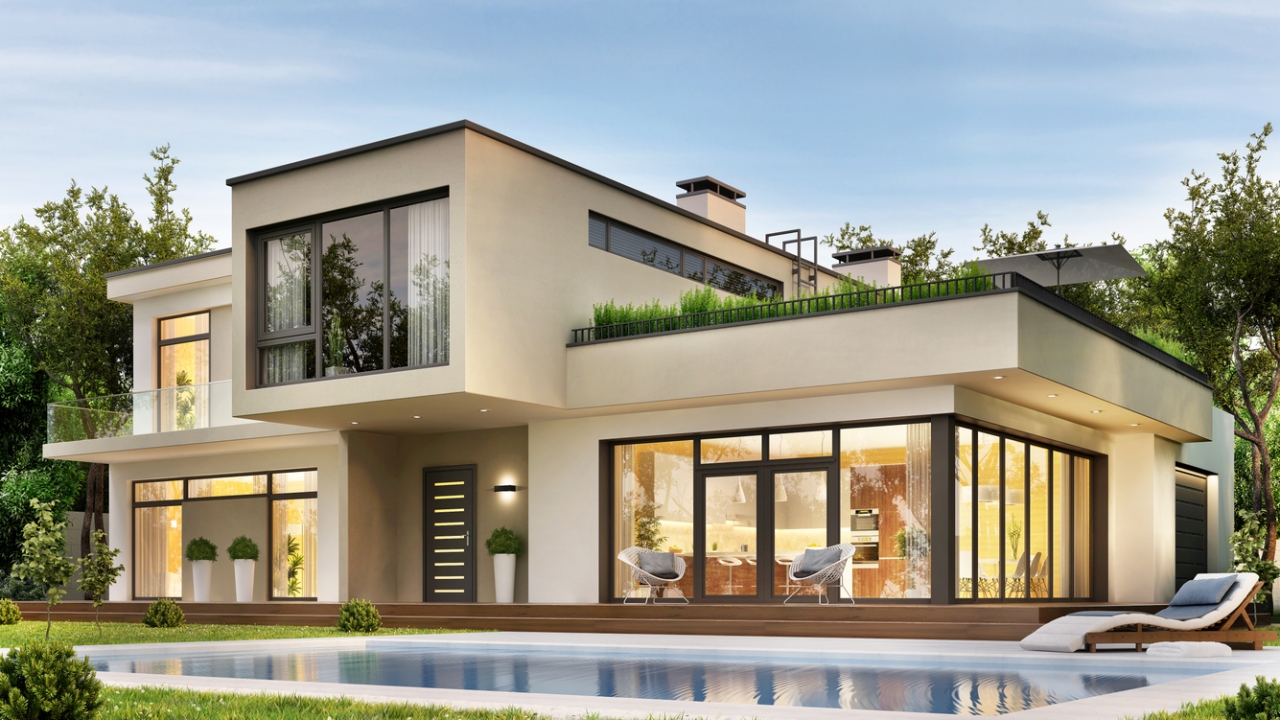
Net Zero Villas in Spain: Sustainable Luxury Through Prefab Innovation
The architectural landscape in Spain is rapidly evolving, with sustainability and innovation at its core. Among the most intriguing developments are net zero villas, seamlessly blending luxury with environmental responsibility. At the heart of this movement lies prefabrication—an approach that streamlines construction while promoting energy efficiency, resource conservation, and impeccable design. This comprehensive exploration dives into how Spain is embracing net zero villas, spotlighting the dynamism of prefab building technology and its transformative impact on sustainable living.
Table of Contents
- Understanding Net Zero Villas
- The Rise of Prefab Innovation
- Why Spain Leads in Sustainable Luxury
- Core Principles of Net Zero Design
- The Prefabrication Process for Villas
- Energy Efficiency and Smart Technology
- Case Studies: Exceptional Net Zero Villas in Spain
- Costs and Investment Considerations
- Overcoming Challenges in Net Zero Prefab Villas
- Future Trends in Net Zero Prefab Villas
- How to Get Started: Owning a Net Zero Villa in Spain
- Conclusion: A New Benchmark for Sustainable Luxury
Understanding Net Zero Villas
To grasp the significance of net zero villas, it is crucial to first define what “net zero” means in the context of residential architecture. A net zero villa is a home that produces as much energy as it consumes over the course of a year, typically through a combination of extreme energy efficiency measures and renewable energy technologies such as solar panels. The result? A home with an ultra-low or neutral carbon footprint, providing a luxurious and comfortable living environment without depleting natural resources.
The concept of net zero is underpinned by two main goals:
- Minimizing energy demand: This is achieved through high-performance insulation, airtight construction, advanced ventilation systems, passive solar design, and energy-efficient appliances.
- Generating renewable energy: The villa incorporates renewable technologies (like photovoltaics, solar thermal panels, or wind turbines) to offset what little energy is used.
By merging net zero ideals with elegant, modern architecture, Spain’s sustainable villas demonstrate that environmental stewardship and high-end living are not mutually exclusive.
The Enduring Appeal of Villas in Spain
Villas have long symbolized tranquility, comfort, and exclusivity in Spain’s real estate market. Nestled on coastlines, perched on hillsides, or set within rustic olive groves, Spanish villas have become synonymous with luxury lifestyle. Today’s net zero villas build upon this legacy, introducing a modern narrative where responsible design and eco-conscious materials amplify the sense of luxury.
The Rise of Prefab Innovation
Prefabrication, or modular construction, is redefining how homes are built worldwide. In this method, major components—walls, floors, roofs—are manufactured off-site in controlled factory environments and then transported to the building site for assembly. This approach offers numerous advantages that align perfectly with the demands of net zero design and modern luxury.
Advantages of Prefabricated Villas
- Speed: Prefab villas can be erected in a matter of weeks, reducing construction time by 50-70% compared to traditional building techniques.
- Precision & Quality: Factory production ensures consistent quality, minimizing construction errors and defects.
- Waste Reduction: Controlled manufacturing processes produce less waste and optimize the use of materials.
- Lower Environmental Impact: Efficient assembly, fewer deliveries to site, and minimized on-site disturbance reduce the overall ecological footprint.
- Customization: Despite being prefab, modern systems allow for extensive customization, meeting the unique desires of luxury buyers.
The incorporation of sustainable materials—engineered timber, recycled steel, high-performing glass—and the integration of smart technology further distinguishes prefab innovation as the ideal solution for net zero villa construction in Spain.
Why Spain Leads in Sustainable Luxury
Spain has positioned itself at the cutting edge of sustainable villa development for several compelling reasons:
- Abundant Natural Resources: Southern Spain enjoys an average of 2,800–3,000 sunshine hours per year, making solar energy an obvious choice for net zero villas.
- Supportive Government Policies: The Spanish government, alongside the EU, offers incentives and grants for green building, solar installations, and advanced home technologies.
- Demand from Eco-Conscious Buyers: Both domestic and international buyers increasingly seek homes that reflect their commitment to sustainability, driving the luxury market in this direction.
- Innovative Homebuilders: Spanish architects and prefab companies are pushing design boundaries, transforming net zero living into a desirable lifestyle rather than a compromise.
With these factors converging, Spain is uniquely equipped to redefine what sustainable luxury means in the 21st century.
Key Regions for Net Zero Villas in Spain
While net zero villas are achievable anywhere, certain regions have emerged as hotspots due to their climate, economic development, and environmental awareness:
- Costa del Sol: Famed for its mild weather and luxury real estate market, Costa del Sol is leading villa innovation.
- Balearic Islands: Ibiza, Mallorca, and Menorca offer high-end eco-villas, often with breathtaking sea views.
- Costa Blanca: Attracting international buyers, this region emphasizes sustainable coastal living.
- Catalonia: With Barcelona as a sustainability hub, the entire region is investing in green technologies for homes.
Core Principles of Net Zero Design
Net zero villa design is about much more than simply adding solar panels to a home. It starts with a fundamental shift in how we approach building, based in holistic, integrated systems thinking.
1. Passive Solar Architecture
Utilizing natural elements to their fullest can significantly reduce a home’s energy needs:
- Orientation: Villas are positioned so that living areas face south (in the northern hemisphere), maximizing solar gain in winter and shading in summer.
- Thermal Mass: Materials like stone, brick, or concrete absorb sunlight by day and slowly release heat at night, stabilizing indoor temperatures.
- Overhangs & Shading: Deep roof eaves, pergolas, and innovative shading devices prevent overheating during summer months.
2. Super-Insulated Building Envelope
A tightly sealed, well-insulated shell prevents unwanted heat loss in winter and keeps interiors cool in summer. Key strategies include:
- High-grade insulation (roof, floors, walls)
- Triple-glazed low-e windows
- Airtight construction techniques
- Elimination of thermal bridges (areas where heat can escape)
3. High-Efficiency Heating, Cooling, and Ventilation
Conventional HVAC systems are both inefficient and energy-intensive. Net zero villas substitute these with:
- Heat recovery ventilation systems (HRV/ERV) that pre-warm or cool incoming air
- Air-source or ground-source heat pumps for ultra-efficient heating and cooling
- Dynamic shading, automated windows, and ceiling fans to support natural climate control
4. Onsite Renewable Energy Generation
Photovoltaic (PV) solar panels are the most visible feature of net zero villas, typically installed on rooftops or integrated into facade designs. Other energy generation options include:
- Solar thermal systems for hot water and pool heating
- Small-scale wind turbines on suitable sites
- Battery storage to maximize self-consumption of generated energy
5. Water Conservation and Circularity
Net zero means reducing overall resource consumption, not just energy. Leading villas incorporate:
- Greywater recycling for irrigation
- Rainwater harvesting systems
- Ultra-low flow plumbing fixtures
6. Sustainable and Non-Toxic Materials
From structure to interiors, net zero villas emphasize:
- Regionally sourced, renewable materials (timber, stone, clay tiles)
- Low-VOC paints, adhesives, and finishes for healthy indoor air
- Recycled or upcycled content wherever possible
The Prefabrication Process for Villas
Prefabrication is not “one size fits all.” Modern prefab systems for luxury villas in Spain are highly customizable and designed for both performance and beauty. The process balances factory precision with personalized attention, ensuring unique homes for discerning clients.
Step 1: Design and Consultation
The process begins with consultations between clients, architects, and engineers. Clients’ lifestyle needs, style preferences, and site specifics are considered. Advanced 3D modeling and Building Information Modeling (BIM) tools allow for real-time design adjustments and performance simulations.
Step 2: Off-Site Production
Once the design is approved, construction shifts to a factory setting. Here, skilled craftsmen and robotics collaborate to manufacture panels, modules, or even entire rooms. Off-site production provides:
- Protection from weather delays
- Strict quality control and assurance
- Integration of advanced insulation, electrical, and plumbing systems
Step 3: On-Site Preparation and Assembly
While modules are manufactured, site work occurs in parallel—foundation laying, utility hookups, landscaping, etc. When ready, prefab components are delivered and assembled rapidly, often in just days, using cranes and specialized teams.
Step 4: Finishing Touches and Commissioning
Final interior finishes, fixture installations, system testing, and landscaping complete the villa. Many prefab builders offer “turnkey” solutions, handing over a finished, move-in ready property to the client.
Step 5: Handover and Performance Monitoring
Modern net zero villas often include smart monitoring systems, allowing owners and builders to track energy consumption, generation, and comfort levels—providing both peace of mind and valuable performance data.
Energy Efficiency and Smart Technology
What distinguishes today’s net zero prefab villas is the seamless fusion of advanced technology into the daily living experience. Here’s how Spanish villas are at the forefront:
1. Smart Home Automation
From wall-mounted tablets to mobile apps, sophisticated control systems enable owners to monitor and regulate energy use, lighting, climate control, security, irrigation, and even entertainment.
2. Adaptive Lighting
LED lighting with occupancy sensors, daylight harvesting, and customizable color temperature create ambiance while minimizing electricity use.
3. Next-Gen Energy Storage
Battery systems, such as those using lithium-ion or even newer solid-state technologies, store excess solar electricity for use during cloudy weather or at night, reducing reliance on the grid.
4. Integrated Solar Roofing
Solar cells are increasingly being embedded directly into roofing tiles or facade panels, preserving aesthetics while maximizing solar harvest potential.
5. Water-Saving Technologies
Advanced irrigation controllers, soil moisture sensors, and connected plumbing fixtures ensure lush gardens and minimal water waste in all seasons.
6. Real-Time Air Quality and Comfort Management
Sensors monitor indoor air quality, CO2 levels, temperature, and humidity, adjusting ventilation and filtration as needed. This ensures healthy, comfortable interiors year-round.
7. Predictive Maintenance Systems
Intelligent sensors and cloud-connected systems analyze the performance of mechanical equipment (like heat pumps and HVAC) and alert homeowners or maintenance staff to potential issues before they become problems, optimizing longevity and minimizing costs.
Case Studies: Exceptional Net Zero Villas in Spain
Let’s explore some real-world examples where net zero prefab luxury villas have set new standards for sustainability, comfort, and design innovation.
Case Study 1: Villa Solis, Costa del Sol
Positioned to enjoy panoramic sea views, Villa Solis uses a hybrid timber-steel prefab structure clad in locally quarried stone and lime plaster. Features include:
- 12 kW rooftop photovoltaic system with Tesla Powerwall battery integration
- Triple-glazed, thermally broken window systems framing indoor-outdoor living spaces
- HRV with HEPA filtration for optimal air quality
- Automated shading and smart glass to regulate solar gain
Case Study 2: Casa Modular Ibiza
Nestled amidst pine forests, this modular villa uses prefabricated cross-laminated timber for a light footprint and biophilic connection to nature. Notable features:
- Operable wall panels for cross-ventilation and flexible space arrangements
- Rainwater harvesting and filtration supplying all landscape irrigation needs
- Solar pool heating and high-efficiency climate control via ground source heat pumps
Case Study 3: EcoSant Pere, Catalonia
A modernist prefab villa set just outside Barcelona, EcoSant Pere is a demonstration project for smart automation:
- Zero emissions via passive solar, advanced insulation, and a large solar battery array
- Integrated energy dashboard allows granular control and user feedback on consumption patterns
- Entire home remotely managed via smartphone, from lighting to security to HVAC
Costs and Investment Considerations
While net zero prefab villas in Spain offer numerous advantages, investment considerations must be weighed carefully.
Initial Cost Comparison
Prefab net zero luxury villas typically cost slightly more upfront per square meter than standard-built homes—generally ranging from €2,000 to €3,500/m² for high end models. However, several factors affect total price:
- Size, complexity, and customization
- Land acquisition and site preparation requirements
- Permitting and connection to utilities
- Level of advanced technology and renewable energy systems
Operational Cost Savings
Owners benefit from radically reduced operational costs, with some villas requiring no external energy purchases. Over 10–20 years, energy savings can offset thousands or even tens of thousands of euros, while also protecting against future utility price increases.
Resale and Market Value
As demand for sustainable, energy-efficient properties grows, net zero villas often retain higher market value and sell more quickly than conventional homes. This is a powerful incentive for investors and homeowners alike.
Incentives, Subsidies, and Financing
Across Spain and the EU, financial incentives exist for many green technologies—from solar panels to geothermal systems. Some banks offer “eco-mortgages” for sustainable properties, and there are tax credits, especially for retrofitting or energy upgrades.
Overcoming Challenges in Net Zero Prefab Villas
Despite tremendous progress, building net zero prefab villas in Spain presents several issues that must be navigated thoughtfully.
1. Navigating Local Regulations
Building codes (the “Código Técnico de la Edificación”) vary across Spain’s regions. Ensuring full compliance—and even outpacing regulations—is crucial. Leading prefab providers work with local authorities for approvals and certifications.
2. Site Constraints
Narrow roads, uneven terrain, or protected natural landscapes can limit module size or delivery options. Creative transport solutions and on-site finishing help address these factors.
3. Perception Hurdles
Some buyers mistakenly associate prefab with “cheap” or “temporary” housing. However, seeing completed projects quickly dispels this. Marketing efforts increasingly focus on education and transparent demonstration of quality.
4. Supply Chain and Material Sourcing
Securing sustainable, regionally-sourced materials can be challenging, especially in remote areas. Companies are investing in local supplier networks and exploring innovative materials to address this.
5. Skilled Labor and Training
Both factory and on-site teams require advanced training in prefab assembly, new materials, and smart home systems. Ongoing investments in skills enhancement and safety are essential.
6. Integrating Technology Seamlessly
Ensuring that home automation and renewable energy systems work flawlessly—without compromising aesthetics or user experience—calls for close collaboration between builders, architects, and technologists.
Future Trends in Net Zero Prefab Villas
The market for net zero prefab villas in Spain is poised for rapid expansion and evolution. Several future trends are emerging:
1. Mass Customization
Advances in digital design and manufacturing allow for highly individualized villas, built at scale but tailored to each client’s aesthetic and lifestyle preferences.
2. Biophilic and Nature-Integrated Design
Villas are increasingly designed to blur the boundaries between interiors and exteriors, including green roofs, vertical gardens, water features, and panoramic glazing.
3. Circular Economy Principles
Prefab companies are adopting “cradle to cradle” practices, designing homes for recyclability, adaptability, and eventual disassembly or repurposing.
4. Net Positive Homes
Some superlative villas already produce more energy than they need, contributing to resilient local energy grids or supporting electric vehicle infrastructure.
5. Next-Gen Materials
Use of carbon-negative materials—like hempcrete, straw bale, or mycelium insulation—will further reduce embodied emissions and improve sustainability metrics.
6. Community and Wellness Focus
Clusters of net zero villas—eco-communities—are prioritizing shared resources, wellness centers, organic gardens, and walkability, strengthening the sense of community and environmental stewardship.
How to Get Started: Owning a Net Zero Villa in Spain
Transforming your dream of a net zero prefab villa into reality involves a series of well-defined steps:
1. Define Your Needs and Objectives
Consider your desired villa location, size, design aspirations, budget, and timeline. Determine your sustainability priorities: energy autonomy, water recycling, smart home controls, etc.
2. Find the Right Team
Seek out reputable prefab builders with proven expertise in net zero construction. Look for experience with projects similar in climate, scale, and complexity to your vision.
3. Secure Land and Permits
Work with local real estate experts to acquire a suitable site. Early engagement with architects and legal advisors prevents potential land-use surprises and streamlines permit acquisition.
4. Custom Design Phase
Collaborate with designers to refine your villa’s style and technical requirements. Modern 3D modeling allows for detailed visualization and performance projections before building begins.
5. Sign Off and Start Building
Once the design is finalized and contracts are in place, off-site fabrication begins. Site works and module production usually occur in parallel, cutting overall project time.
6. Move In and Optimize
Upon completion, familiarize yourself with the villa’s technology, energy control dashboards, and maintenance needs to maximize long-term comfort and efficiency.
Many builders include ongoing support, software updates, and even performance guarantees. Some also host open house tours or educational events, creating a community of like-minded homeowners.
Conclusion: A New Benchmark for Sustainable Luxury
Net zero villas in Spain represent far more than an architectural trend—they embody a conscious shift towards a brighter, cleaner, and smarter way of living. Through prefab innovation, sustainable materials, and advanced technology, these villas set a new benchmark for luxury that benefits both owners and the planet.
By merging timeless Spanish aesthetics with leading-edge eco-design, homeowners can enjoy tranquility, comfort, and prestige—knowing their villa leaves a positive legacy. As Spain’s real estate market continues to evolve, the net zero prefab villa shines as the ultimate intersection of luxury and environmental guardianship, setting the pace for the next generation of residential design both across the Mediterranean and far beyond.
If you are ready to step into the future of sustainable luxury, discover how a net zero prefab villa in Spain can turn your vision into a reality—without compromise.