





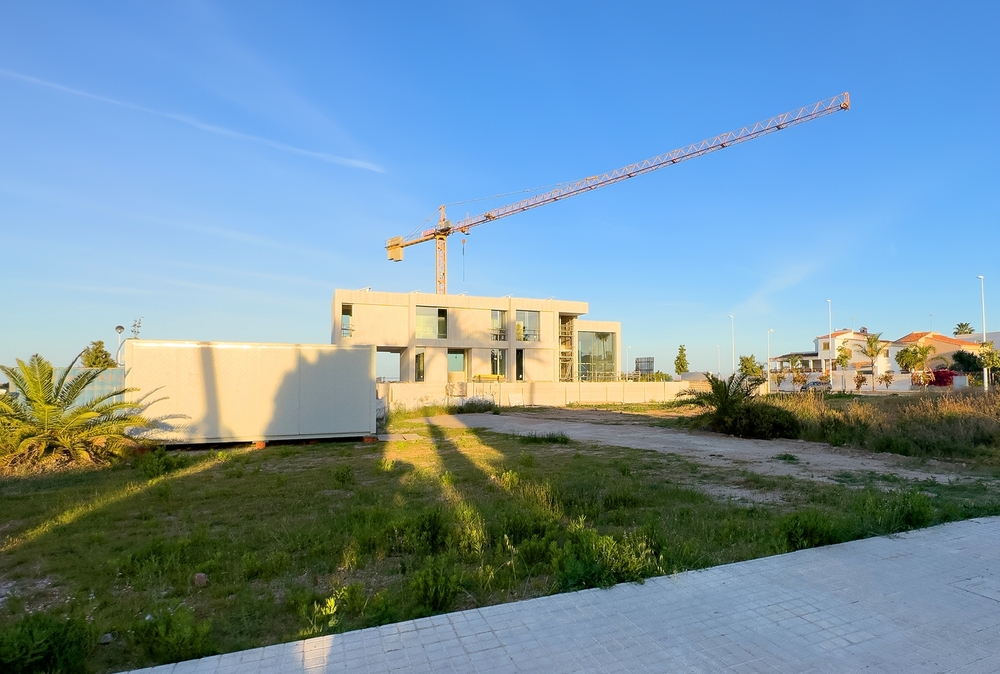
Introduction to Nieuwbouw in Spanje
The allure of Spain has captivated countless property buyers from around the globe. Its sun-kissed coastlines, vibrant culture, and a lifestyle that seamlessly combines tradition with modernity make it one of the most sought-after destinations for new-build properties, or nieuwbouw. As the demand for luxurious, modern housing grows, new developments are springing up across the Costa del Sol, Costa Blanca, the Balearic Islands, and more. For those considering the purchase of a new-build home in Spain, understanding the nuances, processes, and opportunities is crucial.
Why Choose Nieuwbouw in Spanje?
Purchasing nieuwbouw (new-build) property in Spain offers a range of unique advantages tailored to discerning buyers. Unlike resale properties, new builds provide modern construction standards, cutting-edge amenities, and often, customizable features. Here’s why investing in nieuwbouw could be the optimal decision:
- Modern Designs and Technology: New builds are designed with contemporary living in mind, featuring open-plan spaces, energy-efficient systems, high-quality materials, and the latest in home automation technology.
- Warranties and Guarantees: New properties typically come with builder guarantees, protecting your investment against construction defects for up to 10 years.
- Low Maintenance: Everything is brand new, meaning fewer repairs and lower maintenance costs in the first years.
- Enhanced Energy Efficiency: Most new developments adhere to strict energy efficiency standards, ensuring sustainability and long-term savings on utilities.
- Customizable Options: Buyers can often select finishes, layouts, or upgrades, ensuring the home suits their exact tastes and requirements.
Choosing nieuwbouw in Spain allows you to tailor your experience from the ground up, ensuring your home meets the highest expectations for quality and lifestyle.
Popular Regions for Nieuwbouw Projects
Spain’s diverse landscape means there is a perfect region to match every taste. Here are some of the most popular areas for new developments:
- Costa del Sol: Famous for its 320 days of sunshine per year, the Costa del Sol features many luxury new-build homes with sea views, golf access, and proximity to Marbella’s cosmopolitan life.
- Costa Blanca: Stretching from Denia to Torrevieja, Costa Blanca offers a mix of bustling resort towns and tranquil fishing villages, all with stunning Mediterranean vistas and a range of development projects.
- Costa Brava: Known for its rugged coastline and picturesque coves, Costa Brava appeals to those seeking exclusivity and natural beauty in new architectural masterpieces.
- Balearic Islands: Including Mallorca, Ibiza, and Menorca, these islands offer a blend of trendy locales and peaceful retreats, with high-end nieuwbouw villas and apartments.
- Costa Calida and Murcia: Rising in popularity, these regions combine affordability with extensive investment in new infrastructure and developments.
- Major Cities: Barcelona, Valencia, and Madrid present cosmopolitan living with new city apartments, facilitating urban lifestyles close to business hubs and cultural attractions.
Each location provides distinct advantages, from vibrant nightlife to serene beaches, ensuring there’s a perfect locale for every taste in nieuwbouw projects.
Understanding the Legal Framework
Purchasing nieuwbouw in Spain involves navigating a specific legal framework designed to protect both buyers and developers. Here’s a thorough breakdown of the key considerations:
The Role of the Notary
In Spain, a notary is responsible for ensuring the legality of the transaction. They oversee the signing of the escritura pública (public deed), ensuring that all parties understand the document and that the process adheres to Spanish law.
Deposit and Reservation Contract
Once you have selected your desired property, a reservation contract is signed. This typically involves a small deposit (often €3,000-€6,000) to secure the property off the market. Afterward, a more detailed purchase contract is drafted, usually requiring a 10% deposit (subtracting the earlier reservation amount).
Bank Guarantees and Protection
Spanish law obliges developers to provide bank guarantees for any deposits paid on homes under construction. This legal protection ensures that if the project is delayed or fails, your investment is secure and refundable.
Final Payment and Handover
The remaining balance is paid upon completion, once the developer presents a certificado de final de obra (completion certificate) and the licencia de primera ocupación (first occupancy license). After a final inspection, the transaction is formalized before the notary, and the property is officially yours.
Understanding and respecting these legal steps is vital for a smooth, transparent transaction when acquiring nieuwbouw in Spain.
Financing Your Nieuwbouw Purchase
Securing the right financing is a fundamental step toward successfully purchasing a new-build home in Spain. Here are key insights:
Mortgage Options for Non-Residents
Spanish banks offer mortgages to both residents and foreigners, typically lending up to 70% of the property’s value for non-resident buyers. The terms may vary based on your financial profile, nationality, and the property’s location.
Required Documentation
Buyers will need to provide:
- Valid passport or national identity card
- NIE (Número de Identificación de Extranjero)
- Proof of income and employment (e.g., payslips, tax returns)
- Bank statements
- Credit report or financial references
New-Build Payment Schedules
Unlike resale purchases, new-builds follow a staged payment schedule. Typically, the deposit is paid upon signing the contract, with additional payments at key construction milestones. The final tranche is due upon completion and handover.
Working With Mortgage Advisors
Consulting an expert mortgage advisor can enhance your ability to negotiate favorable terms and streamline the approval process, ensuring your financing aligns with your timeline and investment strategy.
The Buying Process for Nieuwbouw Properties
Acquiring nieuwbouw in Spain is an exciting journey that requires careful navigation through each stage. Here, we provide an in-depth step-by-step guide:
-
Define Your Goals and Budget:
Begin by identifying your personal needs, desired region, property type, and financial boundaries. Consider both purchase price and ongoing costs (maintenance, community fees, utilities, property tax).
-
Property Search and Selection:
Review various new-build offerings on the market, visit show homes, and assess locations. It’s essential to work with knowledgeable professionals who can offer deep insight into neighborhood characteristics and future value.
-
Reservation Agreement and Deposit Payment:
Once you have selected a property, sign a reservation agreement and pay the corresponding deposit to secure the unit, taking it off the market.
-
Legal and Technical Review:
Your legal advisor will scrutinize the building license, developer credentials, bank guarantees, and planning permissions—confirming the legitimacy of the project.
-
Sign Purchase Contract:
A detailed purchase contract is drawn up, outlining the payment schedule, completion timelines, and crucial legal conditions. At this stage, you’ll pay the next stage deposit.
-
Construction Progress and Payments:
Installments are paid as construction progresses, often tied to milestones such as completion of the structure, roofing, and installation of services.
-
Pre-Delivery Inspection (Snagging):
Ahead of handover, you’ll conduct a detailed inspection, noting defects or unfinished items. The developer has an obligation to remedy these issues before completion.
-
Final Payment and Notary Completion:
Following the developer’s completion certificate and first occupancy license, the final payment is made. The property deed is signed in front of a notary, and ownership is officially transferred.
-
Registration and Utilities:
The property is registered with the land registry, and utility contracts (water, electricity, gas) are transferred to your name.
-
After-Sales Support:
Developers often provide after-sales service, addressing any latent defects or operational concerns within the first year(s) of ownership.
Each stage is designed to ensure your protection and satisfaction, offering a straightforward pathway to your dream home in the Spanish sun.
Costs and Taxes Associated with Nieuwbouw
It’s important to have a comprehensive understanding of the costs involved in buying nieuwbouw in Spain, as these can differ significantly from purchasing resale properties. Here are the primary financial considerations:
IVA (VAT) and AJD (Stamp Duty)
For new properties, buyers are required to pay VAT (Impuesto sobre el Valor Añadido - IVA), rather than the property transfer tax (Impuesto sobre Transmisiones Patrimoniales - ITP) applied to resales. The standard VAT rate is 10% of the purchase price for residential properties and 21% for commercial premises. In addition, there is a stamp duty (Actos Jurídicos Documentados - AJD) ranging from 1% to 1.5%, depending on the region.
Legal and Notary Fees
Legal fees typically range from 1% to 2% of the purchase price, covering due diligence, contract review, and advisory services. Notary and land registry expenses generally constitute an additional 1% to 2%.
Other Costs to Consider
- Bank mortgage arrangement fees (if applicable, usually 1%-1.5%)
- Property valuation fees conducted by a licensed appraiser
- Set-up costs for utilities and direct debits
- Ongoing community fees for communal facilities (gardens, pools, security, gyms)
- Annual property tax (Impuesto sobre Bienes Inmuebles - IBI)
Careful budgeting ensures you are fully prepared for the actual investment required for nieuwbouw in Spain.
Design, Features, and Sustainable Innovations
Modern nieuwbouw in Spain transcends traditional architecture, offering sophisticated designs that harmonize luxury, practicality, and sustainability.
Architectural Styles
Contemporary Spanish architecture often merges Mediterranean influences with minimalist forms, large windows, and harmonious indoor-outdoor living. Expect the use of natural materials, open-plan spaces, and panoramic terraces.
High-End Amenities
- Private pools and landscaped gardens
- Rooftop solariums with sweeping views
- Smart home systems (lighting, security, climate control)
- High-quality, energy-efficient appliances
- On-site security, fitness centers, and communal lounges
Sustainable and Green Building Practices
- Solar panels and renewable energy sources
- Water-saving fixtures and rainwater reclamation systems
- Advanced insulation, double-glazing, and energy rated appliances
- Recycled or locally sourced construction materials
These innovations not only reduce your carbon footprint but also contribute to long-term cost savings while elevating your lifestyle.
Customizing and Personalizing Your New-Build Home
One of the outstanding benefits of nieuwbouw is the possibility to tailor your home to your exact preferences. Developers often offer customization packages or upgrades, such as:
- Choice of floor finishes, bathroom tiles, and kitchen cabinetry
- Optional additions such as underfloor heating, rooftop jacuzzis, or private lifts
- Flexible room configurations (e.g., combining bedrooms, open-plan kitchens)
- Personalized landscaping, smart irrigation, or outside entertainment areas
- Home automation packages and advanced security systems
During the planning and construction phase, your input ensures the finished product aligns with both your aesthetic and functional requirements. However, it’s important to finalize choices early, as modifications may have deadlines within the building process.
Understanding Community Living and Shared Amenities
Many new developments in Spain are delivered within private, gated communities, offering a symbiotic blend of privacy, security, and resort-style amenities. Key features include:
- 24-hour gated security and access control
- Landscaped gardens, parks, and children’s play areas
- Swimming pools (outdoor and indoor), spas, and saunas
- Clubhouses, shared lounges, and event spaces
- Sports facilities: tennis, paddle tennis, golf, and fitness centers
- Concierge services, property management, and maintenance teams
Living in a community ensures ongoing maintenance, organized neighborhood activities, and enhanced security. Each owner becomes a member of the Homeowners’ Association, collectively managing communal spaces and setting annual budgets.
Rental Potential and Investment Opportunities
Nieuwbouw in Spain is not only about secure, stylish living—it also represents a viable investment opportunity. Here’s why:
Short-Term Holiday Rentals
Spain’s thriving tourism sector makes short-term rentals especially attractive. Modern new-builds, with their amenities and prime locations, are in high demand from holidaymakers seeking quality accommodation.
Long-Term Rentals
There’s also a robust market for long-term lets, appealing to expatriates, professionals, and retirees. These tenants are often willing to pay a premium for well-equipped, energy-efficient, and low-maintenance homes.
Capital Appreciation
Areas such as the Costa del Sol, Costa Blanca, and the Balearics have demonstrated steady price appreciation in recent years. New-build communities, with their reputation for quality, often outperform older developments.
Investment Considerations
- Rental yields in prime areas can reach 5-7% annually for well-managed properties
- Year-round demand, supported by international travel and digital nomad trends
- Taxation and licensing must be analyzed—for instance, touristic licenses are necessary for short-term rentals
Professional property management services can help maximize your returns, streamline maintenance, and ensure legal compliance for your rental property.
Navigating Spanish Cultural Norms and Lifestyle
When investing in nieuwbouw in Spain, adapting to local customs and lifestyle is key to fully enjoying your new property. The country’s renowned lifestyle includes:
- Deep appreciation for gastronomy—think tapas, olive oil, fresh seafood, and rich wines
- Sociable routines with afternoon siestas, late evening dinners, and a slower, more meaningful pace of life
- Strong sense of community reflected in local fiestas, festivals, and family gatherings
- Outdoor living, with extensive walking, cycling, and water sports opportunities
- Art, music, and historical sites enriching daily life
Understanding these social and cultural nuances allows new residents to integrate smoothly, fostering long-term happiness and a profound sense of belonging.
Managing After-Sales Services and Property Maintenance
An often-overlooked aspect of nieuwbouw is the importance of robust after-sales support and effective property management. Here’s what buyers should expect:
Snagging and Defect Repairs
After delivery, it’s common for minor defects (snags) to appear. Professional developers address these rapidly, often within days or weeks of notification. Spanish law provides a guarantee period for remedial work:
- 1 year for finishes (paint, tiling, fittings)
- 3 years for installations (plumbing, electrical systems)
- 10 years for structural defects
Community and Property Management
For those not residing in Spain year-round, established community management companies handle all aspects of maintenance:
- Cleaning and upkeep of communal areas
- Landscaping and pool maintenance
- Security services and access control
- Organizing AGM meetings and budgeting
- On-demand repairs and maintenance inside your home
Utility and Administration Management
Ensuring utilities are set up and bills are managed is streamlined through digital accounts and trusted local service providers.
Comprehensive after-sales support translates into peace of mind for international homeowners.
Tips for a Smooth Nieuwbouw Buying Experience
To guarantee a seamless experience, savvy buyers put these best practices into action:
- Engage Legal Experts Early: Having a dedicated legal advisor ensures all documentation, permits, and contractual obligations are in order.
- Request and Review All Licenses: Ensure the developer has obtained building permits, construction licenses, and the first occupation license before completion.
- Conduct Thorough Inspections: Visit the site at each construction milestone, and conduct a full snagging inspection before final handover.
- Secure Proper Bank Guarantees: Verify that all deposits are protected by a valid bank guarantee or insurance.
- Understand Payment Schedules: Confirm the timing and amounts of staged payments, aligning them with your financing arrangements.
- Keep Records: Retain copies of all correspondence, agreements, and receipts related to your purchase.
- Clarify Customization Deadlines: Make your upgrade choices early to avoid delays or added costs.
- Consider Future Resale Value: Invest in features and finishes that offer lasting value or widespread appeal.
- Network Locally: Build relationships within your community and tap into local knowledge for services, dining, and entertainment.
- Utilize Professional Intermediaries: Work with established, reputable professionals for property finding, legal, and financial advice.
These steps empower buyers to navigate the nieuwbouw process confidently and efficiently, ultimately enjoying a rewarding and secure investment in Spain.
Frequently Asked Questions about Nieuwbouw in Spanje
When can I move into my nieuwbouw property?
You can take possession as soon as the developer receives the completion certificate and first occupation license, and final payment is made at the notary. Allow extra time for connection of utilities and initial snagging repairs.
Can non-EU citizens buy new-build properties in Spain?
Yes, Spain has no restrictions based on nationality. In fact, real estate investment is encouraged. Buyers who invest over €500,000 may also be eligible for a Golden Visa, allowing residency rights.
Are there any hidden costs I should consider?
Beyond the purchase price, budget for VAT, stamp duty, legal and notary fees, community charges, utilities, maintenance, and property tax.
Is it better to buy off-plan or completed nieuwbouw?
Both options have merit. Off-plan purchases often cost less and allow customization, but carry more risk (construction delays, changes). Completed homes offer immediate occupancy and completion visibility, but may be priced higher.
What are the risks of buying new-build in Spain?
Risks include construction delays, changes to specifications, or legal disputes over permits. Choosing reputable developers and insisting on bank guarantees minimizes these risks.
What happens if defects are found after completion?
The developer must rectify snags identified during the inspection phase. For latent defects discovered later, Spanish law provides a structured guarantee period.
Can I rent out my new-build property?
Absolutely. However, be sure to obtain any required tourist rental licenses and comply with local regulations, especially for short-term lets.
How do staged payments work?
After the reservation, you’ll follow a schedule matched to building milestones: often a 10% deposit, followed by stage payments (e.g., at 30%, 60%, completion), with all deposits protected by a bank guarantee.
How long does the nieuwbouw purchasing process take?
From reservation to completion, buying off-plan typically takes 12-24 months, depending on the stage of construction. Completed nieuwbouw can close within weeks if all documentation is ready.
What should I look for when choosing a nieuwbouw development?
Review location, developer reputation, build quality, communal amenities, energy efficiency, flexibility for customization, legal guarantees, and after-sales support.
The Future of Nieuwbouw in Spanje: Trends and Innovations
The Spanish nieuwbouw market is undergoing dynamic transformation, with several emerging trends destined to shape the future:
Smart Homes and Digital Integration
- Automated lighting, climate control, security, and entertainment systems
- App-based control and virtual concierge services
- Remote monitoring for international owners
Sustainable and Eco-Friendly Initiatives
- Zero-energy housing and Passivhaus construction
- Extensive use of recycled materials and water recycling
- Electric car charging stations and bicycle storage
Flexible Living Spaces
- Adaptable room layouts for home offices or multi-generational living
- Communal workspaces and co-living concepts
Wellness and Lifestyle Communities
- Health-focused amenities: spas, yoga gardens, organic community gardens
- Fitness trails, open-air gyms, and dedicated meditation pavilions
As demand increases for quality, convenience, and sustainability, nieuwbouw developments in Spain will continue to evolve in both design and purpose, offering unrivaled opportunities for international buyers.
Case Studies: Successful Nieuwbouw Projects for Inspiration
To illuminate the possibilities, here are a few inspirational case studies of exemplary nieuwbouw projects in Spain:
Eco-Resort on the Costa Blanca
An award-winning seaside development featuring solar-powered villas with self-sustaining energy systems, vertical gardens, and smart water management. Communal facilities include saltwater pools and wellness centers, catering to eco-conscious international residents.
Luxury City Residences in Madrid
A striking new-build complex within the city center designed for executives, offering 24-hour concierge services, rooftop infinity pools, co-working spaces, and fitness suites—combining work, leisure, and luxury urban living.
Family-Oriented Gated Community in Mallorca
Here, spacious townhouses cluster around landscaped parks, with private clubhouses, sports facilities, and on-site childcare. Customization allowed each owner to define interiors and landscaping, fostering a diverse, welcoming neighborhood.
Digital Nomad Retreat on the Costa del Sol
A recent development includes flexible loft apartments with gigabit internet, communal workspaces, digital access controls, and resort amenities—attracting young professionals seeking lifestyle and convenience.
These projects exemplify the breadth and depth of possibilities for new buyers, from sustainable luxury to flexible, cosmopolitan living solutions.
Summary and Final Considerations
Purchasing nieuwbouw in Spain is more than a real estate transaction; it is a gateway to an unmatched Mediterranean lifestyle, secure investment, and a personalized living experience. By understanding the regions, legal frameworks, buying processes, costs, and future trends, buyers are equipped to make informed and rewarding decisions.
Whether you are seeking a sun-blessed holiday escape, a lucrative rental property, or a permanent family home, nieuwbouw in Spain presents an array of choices that combine style, modernity, and peace of mind. With professional guidance and due diligence, your Spanish real estate dream is well within reach.
The journey begins with careful research and continues with a partnership built on expertise, transparency, and a shared vision. Spain’s future in new-build residential developments is brighter than ever—now is the perfect time to take the first step toward your own slice of paradise.