





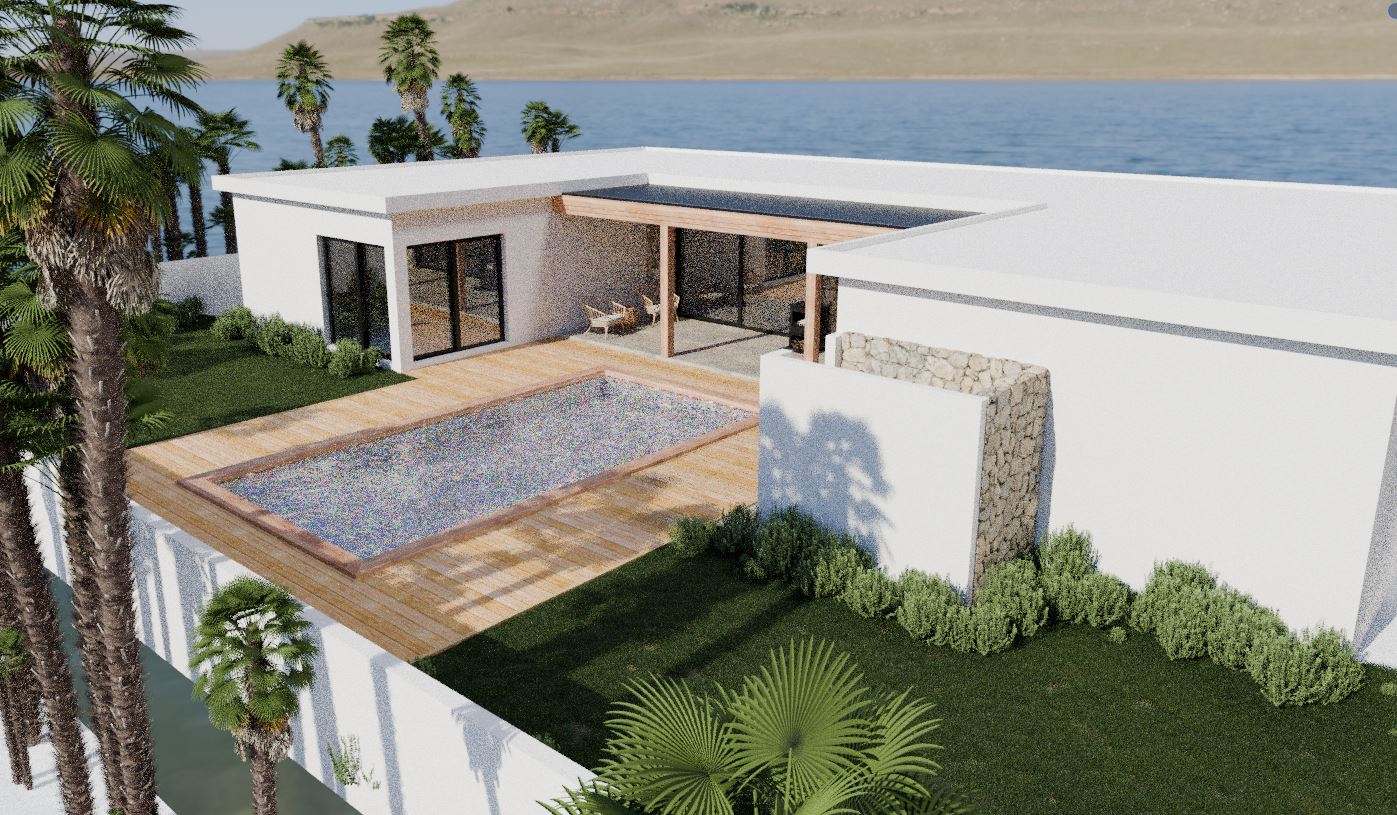
Introduction to Building a New Villa in Spain
Embarking on the journey of building a new villa in Spain signifies more than just the creation of a luxurious home—it is the fulfilment of a dream set against the exquisite backdrop of Mediterranean landscapes, historic towns, and sun-drenched coasts. The allure of constructing a bespoke villa lies in the freedom to tailor every detail to your unique lifestyle, preferences, and aspirations. In this comprehensive guide, we will meticulously explore every aspect involved in building your ideal villa in Spain, ensuring the process is smooth, informed, and ultimately rewarding.
Why Choose Spain for Your New Villa
Spain continues to captivate property seekers with its exceptional climate, diverse geography, rich culture, and favourable investment environment. The decision to build a new villa in Spain is underpinned by several compelling reasons:
- Mediterranean Climate: With over 300 sunny days a year in many regions, Spain offers an enviable climate that invites outdoor living.
- Stunning Locations: From the Costa del Sol to the Balearic Islands and the lush inland countryside, Spain presents a range of idyllic settings for bespoke villa projects.
- Quality of Life: The laid-back Spanish lifestyle, world-class gastronomy, and vibrant traditions contribute to an exceptional quality of life.
- Sound Investment: Spain’s property market is robust, with strong demand for high-end homes, making building a villa a potentially lucrative venture.
- Tailored Luxury: Building from scratch allows for complete customisation, ensuring your villa meets every desire, from panoramic views to state-of-the-art amenities.
Choosing the Perfect Location for Your Villa
Selecting the right location is the cornerstone of a successful villa project. Spain offers a diverse array of regions, each with distinct advantages:
Costa del Sol
Famed for its golden beaches, cosmopolitan towns, and golf courses, the Costa del Sol is a perennial favourite among villa builders. Towns such as Marbella, Estepona, and Benahavís offer exclusive enclaves ideal for luxurious living.
Costa Blanca
The Costa Blanca, stretching north and south of Alicante, is renowned for its white-sand beaches and charming villages. The area attracts international residents seeking coastal tranquillity and modern infrastructure.
Costa Brava and Catalonia
North-eastern Spain boasts rugged coastlines, pristine coves, and proximity to Barcelona. Villas here blend Mediterranean elegance with easy access to urban amenities and cultural riches.
Balearic and Canary Islands
For island living, Mallorca, Ibiza, and Tenerife offer spectacular settings, privacy, and a cosmopolitan atmosphere, making them desirable for discerning villa owners.
Inland Spain
Beyond the coast, regions such as Andalusia’s countryside or the rolling hills of Valencia provide peaceful escapes amidst olive groves, vineyards, and historic towns.
Key factors to consider when choosing your villa’s location include proximity to airports, local services, schools, leisure activities, and, of course, the special character of the neighbourhood.
Understanding the Spanish Property Market
Before breaking ground on your villa, it is essential to gain a nuanced understanding of the Spanish property market. This knowledge will inform your decisions throughout the project:
- Market Trends: Monitor current demand for luxury homes, pricing trends in your chosen region, and future development plans that may affect property values.
- Foreign Ownership: Spain welcomes international buyers, with straightforward procedures for non-residents to purchase land and property.
- Legal Framework: Spanish property law is well-developed, but regional variations exist in building regulations, taxes, and planning permissions.
- Financing: Explore financing options, including Spanish mortgages for non-residents, and ensure you have a clear understanding of the total budget required.
Working with established professionals who are deeply familiar with the local market is invaluable for navigating these complexities with confidence.
Acquiring Land: What to Know
The acquisition of a suitable plot is the first tangible step in building your new villa. It is a process that demands diligence and expertise:
Types of Land
- Urban Land (Suelo Urbano): Fully serviced and zoned for residential construction. This is the most straightforward option for villa projects.
- Rural Land (Suelo Rústico): Typically subject to restrictions and not always suitable for new builds, unless specific permissions are granted.
- Development Land (Suelo Urbanizable): Designated for future development but may require infrastructure investment and additional permits.
Due Diligence
Conduct thorough due diligence before purchasing a plot:
- Verify ownership and title deeds (escritura) at the Land Registry.
- Check zoning regulations and permitted uses with the local Town Hall (Ayuntamiento).
- Ensure access to utilities such as water, electricity, and sewage.
- Confirm there are no outstanding debts, encumbrances, or legal disputes affecting the land.
- Assess the topography, soil quality, and potential for views or privacy.
Negotiating and Completing the Purchase
Once satisfied, negotiate the purchase price and terms. The transaction is formalised before a Spanish notary, culminating in the registration of your ownership at the Land Registry.
Planning and Design: Bringing Your Vision to Life
With your ideal plot secured, the next stage is planning and designing your villa. This phase is where creativity meets practicality, laying the foundation for a harmonious and functional residence.
Engage an Architect
Appoint a qualified architect who understands your vision and is well-versed in Spanish building codes. The architect will:
- Visit and analyse the site to maximise its potential.
- Develop initial design concepts based on your requirements.
- Create detailed architectural plans, including floor plans, elevations, and landscaping.
- Prepare all necessary documentation for planning permissions.
Define Your Requirements
Articulate your preferences regarding:
- Number and size of bedrooms and bathrooms.
- Open-plan living areas and kitchens.
- Outdoor spaces such as terraces, pools, and gardens.
- Special features—home cinema, gym, spa, wine cellar, etc.
- Energy efficiency and sustainability measures.
- Style, from contemporary minimalism to Mediterranean elegance.
Planning Permissions
Before construction, your architect will submit the project for approval to the local Town Hall. This process involves:
- Obtaining a building permit (Licencia de Obra Mayor).
- Ensuring compliance with urban planning laws and environmental regulations.
- Addressing any concerns raised by municipal authorities.
The planning permission process can take several months, so factor this into your project timeline.
Selecting the Right Construction Team
The quality and reliability of your construction team are decisive in realising your dream villa. A well-chosen team ensures the project is executed to the highest standards, on time and within budget.
Main Professionals Involved
- Project Manager: Oversees the entire build, coordinates between parties, and ensures deadlines and budgets are met.
- Architect: Provides design leadership and monitors compliance with plans.
- Quantity Surveyor: Manages costs, materials, and contracts.
- Builder (Constructor): Responsible for the physical construction, employing skilled tradesmen.
- Engineers: Structural, mechanical, and electrical engineers ensure technical aspects are sound.
- Interior Designer: Helps create harmonious, functional, and beautiful interiors.
- Landscape Architect: Designs gardens, terraces, and outdoor living areas.
Selection Criteria
When selecting contractors and consultants:
- Choose professionals with a proven track record in luxury villa projects.
- Request references and review completed work.
- Ensure they are appropriately licensed and insured.
- Agree on clear contracts outlining scope, timelines, and payment terms.
Effective communication and transparency are essential for a successful build.
Budgeting and Financial Planning
Budgeting is a critical aspect of building a new villa in Spain. A comprehensive financial plan will safeguard you against unexpected costs and ensure the project’s viability.
Key Budget Components
- Land Acquisition: Purchase price, taxes, and registration fees.
- Design and Planning: Architect’s fees, surveys, and planning permission costs.
- Construction: Main building works, materials, labour, and site infrastructure.
- External Works: Landscaping, swimming pool, boundary walls, and driveways.
- Fittings and Finishes: Kitchens, bathrooms, flooring, fixtures, and appliances.
- Professional Fees: Project management, legal, engineering, and consultancy fees.
- Taxes and Insurance: VAT (IVA), municipal taxes, and construction insurance.
- Contingency Fund: Typically 10-15% of the total budget for unforeseen expenses.
Cost Control
Meticulous cost control is essential:
- Request detailed quotations and compare multiple tenders.
- Monitor expenditure against the budget at each construction stage.
- Authorise variations only after understanding their financial impact.
- Ensure contracts specify payment schedules linked to project milestones.
Financing Options
Options for funding your villa project may include personal funds, bank finance, or international mortgages. Consult with banking and financial professionals familiar with Spanish property transactions.
The Construction Process: Step-by-Step
The construction of your villa is a complex but exciting process, comprising several distinct phases. Each stage requires careful management to ensure the finished home meets your expectations.
Site Preparation and Foundations
- Clearing the land and preparing the site for construction.
- Marking out the building footprint, excavation, and laying foundations.
- Installing basic infrastructure—drainage, water supply, and electricity connections.
Structural Works
- Erecting the main structural framework—walls, floors, roof, and stairs.
- Ensuring compliance with engineering specifications and local codes.
- Regular inspections by architects and engineers.
Enclosures and Roofing
- Installation of external walls, windows, doors, and roofing materials.
- Weatherproofing and insulation to guarantee energy efficiency and comfort.
Internal Works
- Partition walls, ceilings, and plasterwork.
- First fix of mechanical, electrical, and plumbing systems.
- Preparation for underfloor heating, air conditioning, and smart home systems.
Finishing Works
- Flooring, tiling, painting, and decorative finishes.
- Installation of kitchens, bathrooms, wardrobes, and lighting.
- Final connection of utilities and commissioning of systems.
External Works and Landscaping
- Terraces, balconies, and pergolas.
- Swimming pool construction and poolside amenities.
- Garden design, planting, irrigation, and outdoor lighting.
Final Inspections and Handover
- Completion certificates and municipal inspections.
- Rectification of any defects or “snags.”
- Official handover and move-in.
Legal and Regulatory Considerations
Navigating Spanish legal and regulatory requirements is crucial for a successful villa project. Legal professionals will guide you through each step to ensure compliance and protect your interests.
Planning and Building Permits
Your architect submits the project for approval, and the municipality issues a building licence (Licencia de Obra Mayor) once all documentation is in order.
Health and Safety
Construction sites are subject to strict health and safety regulations. Appoint a health and safety coordinator and ensure all workers are properly insured.
Legal Title and Registration
Upon completion, update the Land Registry to reflect your new villa and ensure all taxes and fees are paid.
Taxation
- VAT (IVA): Payable on new builds, typically at a rate of 10%.
- Stamp Duty (AJD): Applied to official documents, varying by region.
- Local Taxes: Annual property tax (IBI) and waste collection fees.
Warranties and Guarantees
Spanish law provides several guarantees for new construction:
- 1-year guarantee for finishes and workmanship.
- 3-year guarantee for installations affecting habitability (e.g., plumbing, heating).
- 10-year guarantee for structural defects (Seguro Decenal).
Ensure all guarantees are documented and insurance policies are in place.
Incorporating Modern Design and Sustainable Features
Modern villa construction in Spain embraces innovation, sustainability, and design excellence. Incorporate the latest trends and technologies for a home that is both luxurious and future-ready.
Contemporary Design Elements
- Open-plan layouts and seamless indoor-outdoor transitions.
- Floor-to-ceiling glazing for natural light and panoramic views.
- Minimalist kitchens and bathrooms with premium finishes.
- Integrated smart home technology for lighting, climate, and security.
Sustainable Building Practices
- High-performance insulation and energy-efficient windows.
- Solar panels and renewable energy systems.
- Rainwater harvesting and greywater recycling.
- Native planting and water-wise landscaping.
- Eco-friendly construction materials and low-VOC paints.
Health and Wellness Features
- Home gyms, yoga studios, and wellness suites.
- Saunas, steam rooms, and spa facilities.
- Saltwater or infinity-edge swimming pools.
- Air purification and climate control systems.
Sustainable and wellness-oriented design not only enhances your lifestyle but also adds long-term value to your villa.
The Role of Interior Design
The interiors of your villa are a reflection of your personal taste and lifestyle. Thoughtful interior design creates spaces that are both beautiful and functional.
Engaging an Interior Designer
- Work with a designer who understands local and international trends.
- Collaborate from the outset to ensure architectural and interior elements are harmonious.
- Consider custom-made furniture, bespoke cabinetry, and unique art pieces.
Key Interior Zones
- Living Areas: Spacious, light-filled, and adaptable for relaxation or entertaining.
- Kitchen: The heart of the home, with premium appliances, islands, and storage.
- Bedrooms: Tranquil sanctuaries with en-suite bathrooms and walk-in wardrobes.
- Bathrooms: Spa-inspired spaces with quality fittings and natural materials.
- Home Office: Dedicated workspaces with ergonomic design.
Finishing Touches
- Lighting schemes for atmosphere and functionality.
- Artworks, textiles, and decorative objects.
- Smart home integration for comfort and control.
Tailor the interiors to your preferences, creating a villa that is uniquely yours.
Landscaping and Outdoor Living
The Mediterranean climate encourages an outdoor lifestyle, making landscaping a central element of villa design. Well-planned gardens and terraces extend your living space and provide a setting for relaxation and entertainment.
Landscape Architecture
- Engage a landscape architect to design gardens that complement the villa’s architecture and setting.
- Choose native plants for year-round colour and minimal maintenance.
- Incorporate shaded areas, pergolas, and water features.
Outdoor Amenities
- Infinity or saltwater swimming pools with sun terraces.
- Outdoor kitchens, dining areas, and lounges for al fresco entertaining.
- Fire pits, barbecue areas, and outdoor bars.
- Sports courts, putting greens, or play areas for families.
Sustainable Landscaping
- Drip irrigation systems for efficient water use.
- Rainwater collection and permeable paving.
- Wildflower meadows or Mediterranean xeriscaping.
Thoughtful landscaping enhances privacy, frames views, and creates a seamless connection between your villa and the natural environment.
Smart Home Technology and Security
Integrating smart home systems ensures your villa is as functional and secure as it is beautiful. Modern technology offers convenience, energy efficiency, and peace of mind.
Home Automation
- Centralised control of lighting, climate, blinds, and entertainment systems via smartphone or tablet.
- Automated scenes for different times of day or activities.
- Voice-activated assistants for hands-free operation.
Security Systems
- Alarm systems with motion sensors and glass-break detectors.
- High-definition video surveillance and remote monitoring.
- Smart locks, access control, and intercoms.
- Perimeter security including gates, fences, and lighting.
Energy Management
- Monitoring and optimising energy use for sustainability.
- Integration of solar panels, battery storage, and electric vehicle charging.
Audio-Visual Solutions
- Multi-room audio, home cinema systems, and outdoor speakers.
- High-speed Wi-Fi and networking infrastructure.
A professionally designed smart home system enhances comfort, efficiency, and safety throughout your villa.
Managing the Project: Timeline and Milestones
Building a villa is a complex undertaking that requires careful project management. Understanding the typical timeline and key milestones will help you stay informed and engaged.
Typical Project Timeline
- Land Acquisition: 1-3 months
- Design and Planning: 3-6 months
- Planning Permissions: 2-6 months
- Construction: 12-18 months
- Fitting Out and Landscaping: 2-4 months
From inception to completion, building a villa typically takes 18-30 months, depending on project scale and complexity.
Key Milestones
- Concept design approval
- Planning permission granted
- Ground-breaking and site preparation
- Completion of structural works
- Roofing and external finishes
- First and second fix installations
- Final finishes and interior fit-out
- Landscaping and external works
- Final inspections and certification
- Handover and occupation
Project Management Tips
- Maintain regular communication with your project manager.
- Visit the site at key stages to review progress.
- Track expenditure and approve variations in advance.
- Document all decisions and changes for future reference.
Furnishing and Decorating Your New Villa
Once construction is complete, the process of turning your villa into a home begins. Furnishing and decorating are the final touches that bring your vision to life.
Furniture Selection
- Choose high-quality, durable furniture suited to the Spanish climate.
- Coordinate styles and colours for a cohesive aesthetic.
- Consider custom-made pieces for unique spaces.
Soft Furnishings and Accessories
- Rugs, curtains, and cushions add comfort and personality.
- Artwork, mirrors, and sculptures create focal points and visual interest.
Outdoor Furniture
- Invest in weather-resistant pieces for terraces, pool areas, and gardens.
- Create inviting lounge and dining areas for outdoor living.
Styling Tips
- Layer textures and materials for depth and richness.
- Use lighting to highlight architectural features and create ambience.
- Blend local Spanish crafts with international design elements.
Professional styling ensures your villa reflects your personality and complements its architectural setting.
Moving In and Settling Down
The culmination of your villa project is the move-in—an exciting milestone that marks the beginning of a new chapter in Spain.
Practical Arrangements
- Organise utilities connections and service providers (electricity, water, internet, etc.).
- Register with the local Town Hall for residency and municipal services.
- Set up home insurance and security monitoring.
Personalising Your Villa
- Host a housewarming to celebrate with friends, family, and neighbours.
- Explore local markets for decorative items and art.
- Plant a garden or orchard to mark your new beginnings.
Embracing the Spanish Lifestyle
- Enjoy local cuisine, festivals, and outdoor activities.
- Connect with the international community and local residents.
- Make the most of Spain’s exceptional climate and scenic beauty.
Settling into your new villa is an opportunity to immerse yourself in the culture and rhythm of Spanish life.
Maintenance and Long-Term Considerations
Owning a villa in Spain comes with responsibilities to ensure your property remains in pristine condition for years to come.
Regular Maintenance
- Schedule routine checks for plumbing, electrical, and HVAC systems.
- Maintain pools, gardens, and external surfaces.
- Address minor repairs promptly to avoid larger issues.
Property Management
- Engage a reputable property management company for maintenance, cleaning, and security.
- Consider rental management services if you plan to let your villa.
Legal and Tax Obligations
- Stay current with local taxes, insurance, and community fees.
- Review and update legal documents as necessary.
Future-Proofing
- Plan for future upgrades—solar panels, new technologies, or extensions.
- Monitor local market trends to protect and enhance your investment.
Proactive maintenance and management safeguard the value and enjoyment of your villa.
Living the Dream: Life in Your Spanish Villa
Living in a newly built villa in Spain is the realisation of a dream—a lifestyle defined by comfort, luxury, and connection to a remarkable country.
Everyday Luxury
- Wake to panoramic views and sunshine.
- Enjoy breakfast on the terrace, swim in your private pool, and unwind in tranquil gardens.
- Host memorable gatherings in elegant indoor and outdoor spaces.
Community and Culture
- Participate in local traditions, markets, and festivals.
- Enjoy world-class golf, sailing, hiking, and cultural excursions.
- Form lasting friendships within the local and international community.
Wellness and Recreation
- Prioritise health with home gyms, spas, and outdoor activities.
- Embrace a Mediterranean diet and active lifestyle.
Your villa is not just a home—it is a sanctuary, a retreat, and a base for exploring all that Spain has to offer.
Frequently Asked Questions About Building a Villa in Spain
How long does it take to build a villa from scratch?
The process usually takes 18-30 months, depending on the complexity of the design, local planning permissions, and construction schedules.
Do I need to be in Spain during the construction?
While regular site visits are beneficial, a trusted project manager can oversee the build and keep you informed, allowing you to manage the process remotely if necessary.
Can non-residents buy land and build in Spain?
Yes, Spain welcomes non-resident buyers. The process is straightforward with appropriate legal and financial advice.
What are the main taxes and costs involved?
Expect to pay VAT (IVA) on construction, stamp duty, legal fees, architect and project management fees, and annual property taxes once the villa is complete.
Is it possible to build a sustainable villa in Spain?
Absolutely. Many architects and builders specialise in eco-friendly design, with options for solar power, efficient insulation, and sustainable materials.
Can I rent out my villa when not in use?
Yes, provided you comply with local licensing and tax regulations. A property management company can assist with rentals and maintenance.
What guarantees are available for new builds?
Spanish law provides 1-year, 3-year, and 10-year guarantees for different aspects of new construction, covering finishes, installations, and structural integrity.
Conclusion: Making Your Spanish Villa Dream a Reality
Building a new villa in Spain is a journey filled with anticipation, creativity, and opportunity. It offers the chance to shape a residence that reflects your aspirations, in a setting that offers unrivalled beauty, culture, and lifestyle. Every stage—from selecting the perfect plot, designing and building, to personalising and enjoying your villa—should be approached with care, expertise, and vision.
IMMO ABROAD stands ready to guide you through each step of this exciting process, combining local knowledge with a commitment to excellence. With the right team by your side, your dream of owning a bespoke villa in Spain can become an enduring reality—one that will enrich your life for years to come.
Begin your journey today, and soon you will be living the Spanish villa dream.