





Understanding the Spanish Property Market
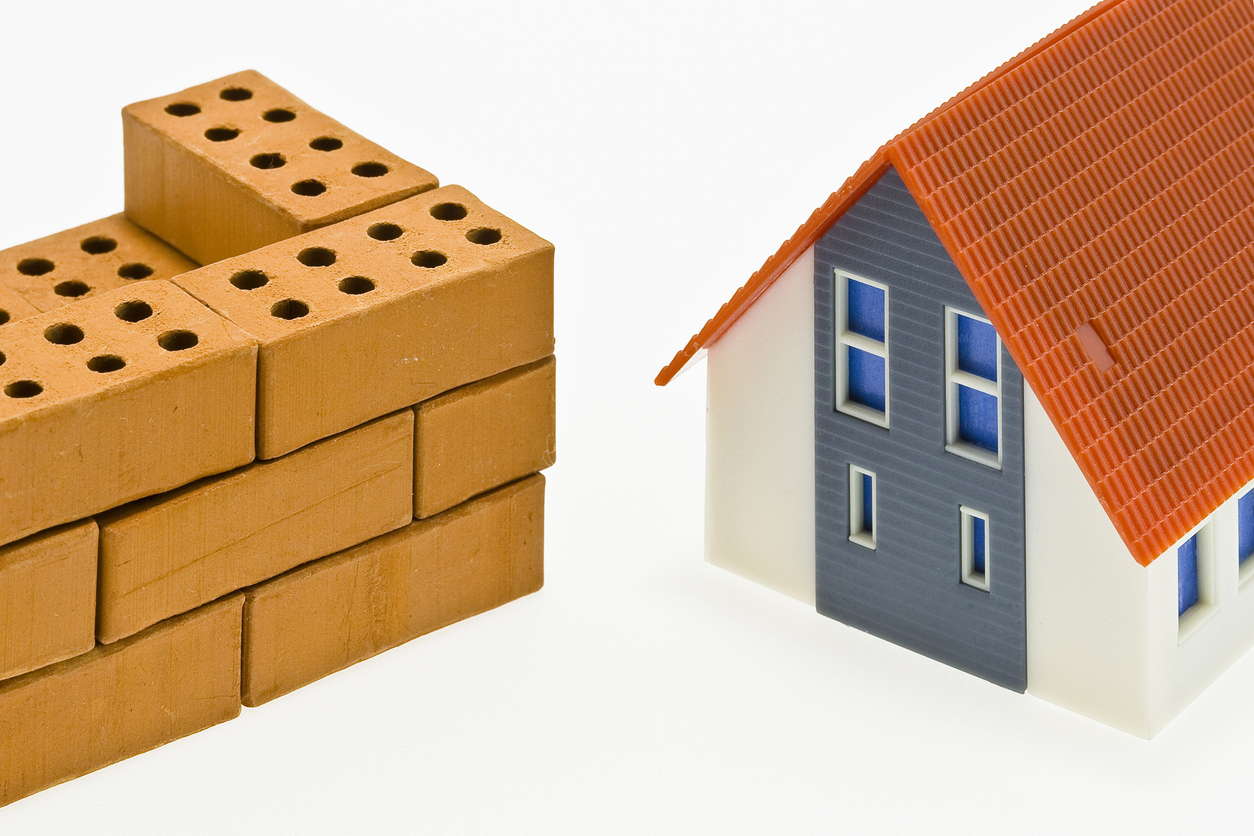
Spain’s allure as a property destination is unmatched, drawing in local buyers, savvy investors, and international dreamers alike. Its sun-drenched climate, diverse landscapes, robust infrastructure, and celebrated lifestyle set the stage for an ever-thriving real estate sector. Yet with this broad appeal comes an important choice for would-be buyers: is it smarter to buy a new-build home or an existing property? The Spanish market is uniquely nuanced, grounded in rich architectural traditions and perpetual innovation. This article will meticulously dissect every aspect, from legal considerations to lifestyle factors, ensuring you possess the deep understanding required to make the best, most informed decision with IMMO ABROAD as your trusted guide.
Key Differences Between New-Build and Existing Homes
Before delving deeper, it’s crucial to define what differentiates a new-build from an existing home in Spain:
- New-Build Homes: Properties constructed from scratch with modern materials and according to the latest standards, often never occupied before. These can be bought off-plan (before completion) or once construction is finalized.
- Existing Homes: Also known as resale or second-hand properties, these have been previously owned and inhabited, ranging from historical houses to more recent constructions.
The decision between these two options goes beyond aesthetics or age; it touches every stage of the buying journey, from costs and customization to community integration and investment returns.
Current Trends in the Spanish Real Estate Market
In the evolving landscape of Spanish real estate, both new-build and existing homes retain their distinctive appeal, with market demand shifting according to broader economic, demographic, and geopolitical trends.
- New-build homes are booming in coastal regions and city suburbs, favored for compliance with modern energy-efficiency and design standards. The past decade has seen developers focus on sustainability, privacy, and communal facilities.
- Existing homes dominate city centers, historic districts, and mature communities, providing character, established neighborhoods, and immediate occupancy.
Buyers with varying needs—be they young families, retirees, or expatriates—are best served by aligning their priorities with prevailing market offerings.
Assessing the Advantages of New-Build Properties
Modern Design and Energy Efficiency
New-build homes in Spain are at the forefront of architectural design. Open-plan layouts, floor-to-ceiling windows, upgraded insulation, and state-of-the-art heating and cooling systems are the norm. These properties frequently meet advanced energy efficiency standards, reducing ongoing utility costs and promoting sustainability.
- Electric Systems: Smart home technology, integrated appliances, and efficient lighting systems.
- Climate Optimization: Double-glazed windows, thermally efficient walls, and solar panels for water heating are increasingly standard.
Customization Opportunities
Purchasing new-builds off-plan offers remarkable flexibility with design choices. Buyers can often select floor finishes, kitchen designs, bathroom fittings, and even layout alterations within development guidelines. This personalized approach allows you to craft a home that truly matches your lifestyle and preferences.
Fewer Immediate Repairs and Maintenance
With brand-new plumbing, roofing, and electrical systems, new builds virtually eliminate the need for substantial repairs or replacements in the early years. Builders provide warranties—commonly a 10-year structural guarantee under Spanish law—creating peace of mind regarding construction defects.
Safety and Accessibility
New developments adhere to modern building regulations, prioritizing safety and accessibility. Features such as elevators, step-free entries, and emergency systems appeal especially to elderly buyers or individuals with mobility concerns.
The Unique Appeal of Existing Homes
Character and Architectural Charm
Existing homes often boast unrivaled charm and character—think original tilework, wooden beams, and centuries-old stone facades. For those captivated by Spain’s architectural heritage, a resale property offers a tangible connection to history and culture.
Established Neighborhoods and Amenities
Mainstream new developments typically spring up on the outskirts of cities or in newly urbanized areas. In contrast, existing homes are rooted in mature locales, surrounded by established infrastructure: local tapas bars, markets, schools, and cultural venues all within easy reach. This “ready-made” lifestyle can be invaluable for seamless social integration and convenience.
Immediate Availability
Buying an existing property means what you see is exactly what you’ll get, with the additional benefit of a defined timeline. Unlike off-plan new-builds, you can move in quickly after completing the purchase—an advantage for those with tight schedules.
Potential for Negotiation
Owners of existing homes may be open to price negotiation—especially if the property has lingered on the market or requires renovation. This can present buyers with opportunities to unlock better value and create unique living spaces through upgrades.
Price Analysis: Upfront Costs and Ongoing Expenses
Comparing the Purchase Price
- New-Builds: These typically command a price premium, reflecting state-of-the-art features, customization, and warranty coverage. Prices can fluctuate based on location, with coastal and urban new-builds achieving some of the highest price-per-square-meter rates in Spain.
- Existing Homes: Often priced lower than equivalent-sized new-builds. Bargain-hunters can profit from below-market deals, especially with properties needing modernization.
Taxes and Legal Fees
- New-Builds: Buyers are subject to VAT (IVA) at 10% and Stamp Duty (AJD) typically ranging from 0.5% to 1.5%, rather than the Transfer Tax (ITP).
- Existing Homes: Purchase is taxed under the Transfer Tax (Impuesto sobre Transmisiones Patrimoniales, ITP), which ranges from 6% to 10% of the purchase price, depending on the autonomous region.
Legal Fees and Notary Costs: Both property types incur notary, Land Registry, and legal fees, averaging an additional 1-3% of the property price.
Estimated Maintenance and Renovation Outlays
- New-Builds: Lower repair costs for the first decade; builders’ guarantees offer added security. Communal maintenance fees are often slightly higher in new complexes due to extensive shared facilities.
- Existing Homes: Possible need for significant updates—electrical rewiring, plumbing upgrades, roof repairs—especially in heritage properties. Thorough inspection is vital to avoid unexpected expenses.
Energy Efficiency and Running Costs
New-build homes are constructed to rigorous energy standards (often with Class A or B energy certificates), significantly reducing heating, cooling, and water costs. Older homes, if poorly insulated, may produce heftier utility bills unless retrofitted for efficiency.
The Buying Process: Step-by-Step Comparison
Acquiring a New-Build Property
- Research: Investigate developers, inspect ongoing or completed show homes, and understand projected completion dates.
- Reservation: Sign a reservation contract and deposit (usually €3,000–€10,000) to secure the property.
- Private Contract: On signing the purchase contract (Contrato de Arras), a second payment is made—often 10% of property price.
- Stage Payments: Additional payments are often required during construction, as defined by the developer.
- Completion: Upon construction’s end and issuance of the First Occupation License (Licencia de Primera Ocupación), the final payment is made, and the public deed (Escritura Pública) is signed at the notary.
Acquiring an Existing Home
- Property Viewings: Inspect potential homes in-person or virtually and assess their condition.
- Negotiation and Offer: Make an offer and, once accepted, secure the property with a small deposit.
- Due Diligence: Conduct legal checks, ensure no debts or encumbrances, and commission a building survey.
- Sign the Private Contract: This binds both parties, followed by payment of the agreed deposit (normally 10%).
- Completion: Pay the remaining balance, sign the deeds at the notary, and obtain keys.
For both pathways, IMMO ABROAD ensures clients are protected at every stage, providing expert legal and administrative support to guarantee a smooth transaction.
Resale Value and Investment Potential
Market Perceptions and Future Growth
Analyzing future resale value is crucial, irrespective of whether you intend to live in the property full-time or treat it as an investment:
- New-Builds: Often fetch higher asking prices for their contemporary appeal and condition but may depreciate slightly once no longer considered “brand new.” However, if located in an up-and-coming area, these homes can deliver strong capital appreciation.
- Existing Homes: Properties in prime, established locations—especially city centers or historic districts—tend to hold or gain value robustly over time. Unique architectural features or privileged views can raise future marketability.
Rental Demand Analysis
Spain’s strong tourism sector creates vigorous rental markets, both short-term and long-term:
- New-Builds: Attract tenants seeking modern amenities, security, and eco-friendly features. Often favored for relocation rentals and year-round occupancy.
- Existing Homes: Especially in sought-after tourist or historic districts, command high demand for holiday lets. Renovated, character properties are immensely popular among tourists seeking an “authentic” experience.
Location Considerations: Urban, Suburban, and Rural
Urban Living
City centers—such as Madrid, Barcelona, Valencia, and Seville—offer walkable access to business, dining, entertainment, and transport.
- New-builds in cities are scarcer and often form part of exclusive developments or redeveloped zones, sometimes commanding premium pricing.
- Existing homes dominate, especially in historic barrios. The lifestyle blends vibrant street life, culture, and diverse cuisine.
Suburban Growth
Suburbs around major cities, such as Pozuelo de Alarcón (Madrid) or Sant Cugat (Barcelona), are characterized by gated communities, green parks, and modern infrastructure. New-builds proliferate here, blending tranquility with proximity to urban centers.
Coastal and Rural Retreats
From the pristine beaches of Costa Blanca to the rugged hills of Andalusia, both new and existing homes are available in stunning settings. New builds cater to expat communities and retirees seeking modern comforts near the sea, while existing cortijos, fincas, or townhouses offer rustic charm and immersion in Spanish culture.
Legal and Regulatory Considerations
Buying New-Builds: Regulatory Assurance
- Developer Guarantees: Spanish law requires developers to guarantee deposits through insurance or bank guarantees.
- First Occupation License: The issuance of this license is crucial, confirming compliance with zoning and building regulations.
- Consumer Protections: Home buyers benefit from robust legal frameworks governing quality standards, completion requirements, and after-sales service.
Buying Existing Homes: Due Diligence
- Debts and Encumbrances: Buyers should verify the absence of outstanding mortgages, community fees, or property tax arrears.
- Planning Permission: Any extension or work carried out on the property must have the correct permissions and certifications.
- Habitability Certificate: This confirms the property is suitable for occupation and is essential for utility contracts.
Role of Notaries and Legal Advisors
A public notary formalizes every real estate transaction in Spain, verifying parties’ identities and the legality of the transfer. Employing an independent legal advisor further safeguards your interests, ensuring all contracts are water-tight and all taxes duly registered.
Financing Options: Mortgages and Payment Schedules
Mortgage Availability
- Spanish Banks: Offer competitive mortgages to both residents and non-residents, typically lending up to 70% of property value for foreigners, and up to 80% for nationals.
- New-build Mortgages: Often structured around stage payments, aligned with construction milestones.
- Existing Home Mortgages: Standard mortgages can be arranged and are typically less complex since property valuation is immediate.
Interest Rates and Loan Terms
Spain’s mortgage market is highly competitive, reflecting a blend of fixed and variable tariffs. Currently, fixed-interest mortgages are increasingly popular amidst global economic uncertainty, providing budgeting confidence over 20 to 30-year terms.
Developer Financing
Many new-build developers offer tailored finance packages or even direct lending, which may simplify payments but should always be evaluated carefully to compare overall cost and flexibility with standard bank products.
Lifestyle Factors: Which Choice Suits Whom?
Young Families
- New Builds: Attract young families for their security, green spaces, pools, and modern amenities. Proximity to international schools is a frequent advantage in newly developed suburbs.
- Existing Homes: Appeal to those prioritizing neighborhood culture, walkability, and proximity to parks and services in central locations.
Retirees and Second-Home Buyers
- New Builds: Low maintenance requirements, accessibility features, and integrated leisure options draw buyers looking for ultimate convenience.
- Existing Homes: Historic, characterful dwellings in peaceful rural or coastal spots suit those desiring tranquility and community immersion.
Investors and Second-Income Seekers
- New Builds: Strong rental yields due to “never-used” appeal and top specifications. Professional management companies often handle leasing and upkeep in new developments.
- Existing Homes: High returns possible in tourist hotspots, especially with tasteful refurbishment and updates to meet modern standards.
Sustainability and Environmental Impact
Energy Performance Certificates
All properties sold in Spain must display an energy performance certificate (Certificado de Eficiencia Energética). New builds almost always receive top marks; existing homes may require investment in insulation, double glazing, or renewable energy systems to reach similar standards.
Water Management and Landscaping
Many new projects incorporate drought-resistant gardens, automated irrigation, and water-saving fixtures. Existing homes, especially in rural areas, may draw on wells or traditional cisterns—calling for upgrades to align with water conservation best practices.
Community Sustainability
New developments may have dedicated recycling facilities, electric vehicle points, and urban green corridors, reflecting evolving regulations for sustainable cities and towns. Retrofitting such features in existing homes is possible, but may involve more substantial work and approval from local authorities.
Community, Social Life, and Integration
Social Opportunities in New Developments
Gated complexes and master-planned communities foster neighborly interaction through shared pools, gyms, event rooms, and playgrounds. These “mini-villages” create immediate social networks, ideal for families and newcomers.
Authenticity in Established Neighborhoods
Living in an existing home in a vibrant barrio—whether in a buzzing city or a sleepy coastal town—puts you at the heart of Spanish life. Embedding yourself in local cafés, markets, and festivals accelerates integration, language learning, and adaptation to Spanish customs.
Community Fees and Management
- New-builds: Larger complexes with extensive amenities charge higher community fees, reflecting upkeep of pools, gardens, and security systems.
- Existing homes: Fees are typically lower, unless part of a well-appointed older community. Single-family homes or rural fincas might not incur any regular communal charge.
Potential Risks and How to Mitigate Them
Risks of Buying New-Builds
- Construction Delays: Dependence on developer schedules can extend completion timelines. Contractual clauses should specify penalties for delays.
- Developer Insolvency: Confirming guarantees and insurance protections is crucial in case the project faces financial difficulties.
- Snagging Issues: Carry out thorough inspections pre- and post-completion to identify and remedy defects under warranty.
Risks of Buying Existing Homes
- Structural Problems: Older buildings can hide issues—damp, unstable foundations, outdated wiring—that may prove costly.
- Title and Registration Concerns: Verify that the property is correctly registered, with no hidden ownership claims.
- Costly Renovation: Enthusiasm for “fixer-uppers” should be tempered with accurate budgets for essential modernization.
Case Studies and Real-Life Experiences
The Family That Chose a New-Build Suburban Home
One international family, relocating to Madrid, selected a new-build townhouse for its child-friendly amenities, security, and ease of daily life. Their children quickly made friends at the community playground, and the family took advantage of nearby international schools and healthcare facilities. Though construction was delayed by three months, legal safeguards ensured their interests were protected and snagging concerns were professionally resolved.
The Couple Who Restored a Historic Townhouse
An adventurous couple from Northern Europe bought an 18th-century townhouse in Granada’s Albaicín district. Renovating under municipal supervision, they embraced challenges to preserve tiled rooms and courtyards while updating infrastructure. The result? A home of immense personality, cherished by short-term visitors—a standout in the region’s competitive rental market.
Investor Success With a Coastal Apartment
An experienced buyer sought high-yield rental returns on the Costa del Sol. Selecting a new-build apartment, they found it easy to advertise, attract tenants, and manage bookings year-round via on-site administration. The energy efficiency and interior standards consistently justified premium pricing over older alternatives, with minimal vacancy across tourist seasons.
FAQ: Buying New-Build vs. Existing Homes in Spain
-
Is it more difficult for foreigners to buy new-builds?
No—foreign buyers face the same procedures as Spanish nationals. IMMO ABROAD specializes in facilitating smooth transactions for international clients, handling language, legal, and documentation issues.
-
Can existing homes be renovated to match the standards of new-builds?
With careful planning and investment, many existing homes can be upgraded to excellent energy and comfort standards. However, historic or protected buildings may face restrictions on certain improvements.
-
What warranties apply to new-builds?
Spanish law mandates a 10-year structural warranty, with shorter guarantees for finishes (1 year) and building systems (3 years). All should be expressly written into your contract.
-
Are property taxes higher for new-builds?
Purchase taxes for new-builds (VAT plus Stamp Duty) are typically similar or slightly higher than Transfer Tax for existing homes, but ongoing annual property taxes (IBI, basura) vary by property size and location, not by age.
Checklist: Making the Smartest Choice for Your Needs
New-Build Homes: Ideal When You…
- Prioritize modern features, energy efficiency, and customization.
- Value warranty protections and low initial maintenance.
- Are content with new or emerging communities.
- Welcome the idea of waiting for construction to finish (if buying off-plan).
Existing Homes: Ideal When You…
- Crave location, character, and distinct architectural features.
- Prefer settled neighborhoods with established services.
- Require immediate occupation of the property.
- Possess the appetite, budget, and vision for potential renovations.
Step-by-Step: Choosing With Confidence
- Define your goals: Investment, lifestyle, family needs, or rental potential.
- Set a realistic budget: Include purchase, tax, legal, and potential renovation costs.
- Visit both new-builds and existing homes: Compare features, locations, and feel.
- Consult experts: Rely on IMMO ABROAD’s professional insights, market knowledge, and legal advice.
- Simulate ongoing expenses: Assess projected community fees, utility bills, and maintenance requirements for each option.
- Evaluate potential for resale or rental: Consider market demand and local trends.
- Weigh the emotional factor: Which home evokes excitement, comfort, and confidence?
Summary Table: New-Build vs. Existing Home in Spain
| Feature | New-Build | Existing Home |
|---|---|---|
| Price | Higher per m²; reflects modern amenities | Often lower; can find bargains |
| Customization | High (when bought off-plan) | Low (unless renovated) |
| Location | Emerging or suburban areas | City centers, historic districts |
| Maintenance | Minimal initially; warranties | Potentially significant; depends on age/condition |
| Legal Protections | Strong; regulated process | Must perform due diligence |
| Community | Modern amenities, social groups | Established neighbors, authentic culture |
| Energy Efficiency | Class A/B certificates | May require upgrades |
| Availability | Wait for completion (off-plan) | Immediate move-in |
Making Your Dream Move With IMMO ABROAD
The Spanish property market offers unparalleled opportunity and choice, blending old-world romance with modern innovation. Deciding whether to invest in a new-build or an existing home ultimately revolves around your personal aspirations, financial strategy, and lifestyle vision.
There is no universally “smarter” path—both options provide substantial advantages and specific limitations, shaped by your unique priorities. With the support and deep market experience of IMMO ABROAD, every step of your journey—selection, negotiation, legalities, and after-sales service—is managed with utmost professionalism. Our commitment ensures that your dream of Spanish home ownership, whether it shines with fresh paint and technology or whispers with the echoes of history, becomes a seamless and rewarding reality. The smart move is the one made with expert guidance and complete confidence.