





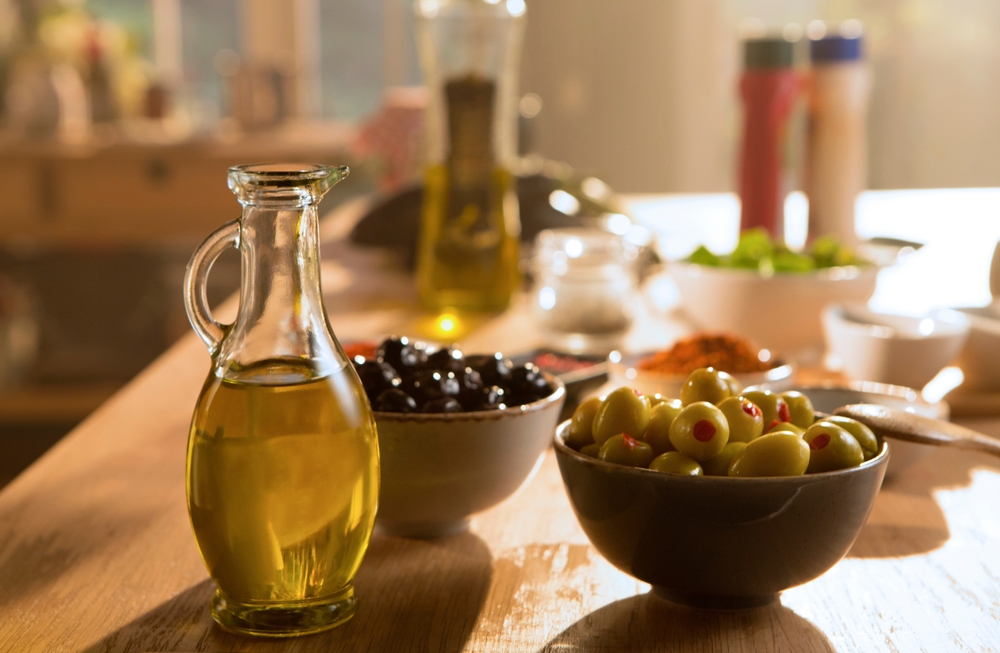
Introduction to Olive Oil in Spain: A Legacy of Excellence
Spain stands at the pinnacle of olive oil production, with centuries of tradition, cutting-edge innovation, and an unparalleled landscape dedicated to cultivating the olive tree’s precious fruit. Renowned for its superior quality and vibrant flavors, Spanish olive oil—known locally as “aceite de oliva”—is deeply woven into the country’s culture, cuisine, and agricultural identity. Whether drizzled atop rustic bread, blended into aromatic sauces, or used for sautéing fresh vegetables, olive oil is the heart of Spanish gastronomy and life. This guide delves into the rich tapestry of olive oil in Spain, unlocking its history, production methods, varieties, health benefits, regional differences, culinary uses, and practical tips for selection and storage.
The Origins and History of Olive Oil in Spain
The story of olive oil in Spain begins thousands of years ago, tracing its roots to the Phoenicians and Greeks, who introduced this revered tree to the Iberian Peninsula. The Romans later perfected agricultural techniques, making olive cultivation and oil extraction cornerstones of local economies. Evidence of this legacy is scattered across the Spanish countryside, where ancient presses—some still operational in modified forms—echo past generations’ reverence for the olive.
During the Moorish era, the Andalusian landscape flourished with olive groves, and advanced irrigation systems enabled even more expansive cultivation. After the Reconquista, olive oil’s crucial role in Christian fasting and monastic diets solidified its significance. Today, Spain accounts for nearly half of the world’s olive oil production. This enduring legacy reflects both technological advancement and an unbroken respect for tradition.
Understanding Spanish Olive Oil: Grades and Categories
Quality and authenticity are paramount in Spanish olive oil production. Understanding the main grades helps distinguish between oils suitable for drizzling, cooking, or specific culinary applications.
- Extra Virgen (Extra Virgin Olive Oil): Produced exclusively by mechanical means without chemical intervention, extra virgin olive oil is the highest quality. Its acidity never exceeds 0.8%. Renowned for its robust aroma, peppery notes, and fruit-forward palette, it’s ideal for finishing dishes or enjoying raw.
- Virgen (Virgin Olive Oil): Slightly lower in grade, with acidity below 2%, this oil retains natural aromas and flavors, making it suitable for both raw and cooked preparations.
- Olive Oil (Refined and Pure): This is often a blend of refined olive oils, sometimes mixed with a small percentage of virgin oil, resulting in a neutral taste profile and higher smoke point—most often used for sautéing and deep-frying.
- Orujo de Aceituna (Pomace Olive Oil): Extracted from olive pulp after initial pressing, this is mainly suited to industrial use or high-heat applications.
Discerning the right type for your culinary needs allows you to experience olive oil at its finest.
Decoding Denominations of Origin: Spain’s Protected Olive Oil Regions
As with fine wine, Spanish olive oils are designated by Denominations of Origin (D.O.), signifying strict geographical production and processing controls that guarantee authenticity and a unique sense of place. Let’s explore some of Spain’s most prestigious olive oil-producing regions and their distinctive profiles.
Andalucía: The Heartland of Olive Oil
Andalucía supplies almost 80% of Spain’s olive oil, with the province of Jaén alone producing more olive oil than any other country in the world. Oils from this region, particularly those with the “D.O. Sierra Mágina,” “D.O. Baena,” and “D.O. Priego de Córdoba” designations, are celebrated for their full-bodied character, intense green fruitiness, and complex notes of tomato, almond, and fresh herbs.
Cataluña: Tradition and Terroir
Cataluña’s olive groves, clustering around Tarragona and Lleida, yield exceptionally smooth and slightly sweet oils, with the “D.O. Siurana” and “D.O. Les Garrigues” standing out. Arbequina olives from this area are particularly famous, producing delicate, almond-scented extra virgins with a velvet texture.
Extremadura: The Undiscovered Gem
The “D.O. Gata-Hurdes” in Extremadura offers oils with a balanced flavor profile, marked by moderate bitterness and a grassy aroma. These oils fly under the radar compared to their Andalusian counterparts but are prized among connoisseurs for their freshness and versatility.
Castilla-La Mancha and Beyond
Castilla-La Mancha, Toledo, Valencia, and Aragón each contribute to Spain’s olive oil landscape with their own native varieties and microclimates. Monovarietal oils from Pago Baldío San Carlos (Cáceres) and Empeltre oils from Aragón are among those lauded at international competitions.
The Most Important Olive Varieties in Spain
Spanish olive oil is defined by its remarkable diversity of olive cultivars, each imparting distinctive aromas, flavors, and textures. The following varieties are among the most esteemed:
Picual: The Spanish Classic
Accounting for nearly half of Spain’s olive oil production, Picual olives are revered for their robust, fruity intensity and green, peppery notes. Oils made from Picual offer high stability and natural antioxidants, making them exceptionally resistant to oxidation—perfect for both raw use and cooking.
Arbequina: Gentle and Aromatic
Originating in Cataluña, Arbequina olives create smooth, buttery oils with subtle hints of green apple and almond. Their delicate aroma makes them an excellent choice for mayonnaise, dressings, and as a finishing oil on fish and vegetables.
Hojiblanca: Versatility Par Excellence
Predominant in Córdoba, Málaga, and Sevilla, Hojiblanca olives yield oils with balanced fruitiness and a delightful hint of bitterness and pepper. They are as well suited to frying as to drizzling over toasted breads.
Empeltre and Cornicabra: Distinct Regional Gems
Empeltre, native to Aragón, delivers sweet, golden-hued oil with mild bitterness. Cornicabra, from Toledo, produces deeply aromatic oils with a green almond profile and medium bitterness—perfect for bold dishes.
Smaller-scale varieties like Lechín, Verdial, and Picudo add further diversity, creating a sensory palette for every taste and occasion.
The Art of Olive Oil Production in Spain
Olive oil in Spain is not simply a commodity; it’s a labor of love. Each step from grove to bottle is regulated, documented, and often upheld by families for generations.
- Harvesting: The olive harvest season runs from October to February. Most top-quality producers now hand-pick olives or use vibration equipment to gently dislodge them, ensuring only the healthiest fruits are collected.
- Pressing: Speed is essential—olives are pressed within hours to prevent oxidation. Modern, temperature-controlled extraction methods preserve polyphenols and lively aromas, producing extra virgin oils of superb purity.
- Filtration and Storage: After decanting and preliminary filtration to remove solids, oils are stored in stainless steel tanks, shielded from light and air. This meticulous storage prevents spoilage and maintains vibrancy.
- Bottling and Certification: Each bottle is filled on demand, labeled with its Denomination of Origin, and tracked for quality control. Certifications guarantee traceability and authenticity from grove to glass.
This process combines time-honored wisdom and technological precision, resulting in oils that capture the essence of Spanish terroir.
Health Benefits of Spanish Olive Oil: The Mediterranean Secret
Embraced as a cornerstone of the Mediterranean diet, olive oil is both a flavor enhancer and a potent source of healing nutrition. Clinical research underlines its power to support cardiovascular health, fight inflammation, and provide essential antioxidants.
Heart Health
High in monounsaturated fats—especially oleic acid—Spanish olive oil helps lower LDL (“bad”) cholesterol while maintaining HDL (“good”) cholesterol. Large-scale studies show populations that consume extra virgin olive oil enjoy lower rates of heart disease and stroke.
Antioxidants and Anti-Inflammatory Properties
Extra virgin olive oil is rich in polyphenols, vitamin E, and squalene. These powerful antioxidants neutralize free radicals and dampen oxidative stress, a root contributor to chronic diseases and aging.
Brain and Metabolic Wellness
There’s growing evidence that regular olive oil consumption may help slow cognitive decline and support metabolic health by reducing blood sugar spikes and improving insulin sensitivity. It’s also a source of vitamins K and E, vital for brain and bone function.
Cancer Prevention
Some studies indicate olive oil’s polyphenols and phenolic compounds may help defend cells against cancer-promoting damage, though ongoing research continues to deepen our understanding.
Digestive Health
Olive oil’s gentle, lubricating effect aids digestion, supports gastric health, and helps prevent constipation.
Culinary Uses: Elevating Spanish Cuisine
Spanish olive oil is more than an ingredient—it’s an experience, integral to both home kitchens and the world’s finest restaurants. Each style of oil has its ideal use, and understanding these can transform everyday dishes.
Raw and Finishing Applications
- Salads: A drizzle of extra virgin oil, with its grassy aroma and peppery kick, elevates tomatoes, peppers, and leafy greens.
- Pan con Tomate: Catalonia’s classic bread with tomato shines with arbequina oil’s subtlety.
- Tapas: Many tapas, from gazpacho to pulpo (octopus), are finished or served with a generous pour of robust olive oil.
- Cheese and Charcuterie Boards: Olive oil amplifies the richness of Manchego or Ibérico ham.
Cooking and Sautéing
- Sofritos and Stews: Virgin and refined oils serve as the base for Spain’s famous sofritos (aromatic sautéed mixtures), lending depth to paellas and caldos (stews).
- Grilling and Roasting: Olive oil’s high smoke point makes it ideal for grilling vegetables, fish, or meats, intensifying flavors with a caramelized touch.
- Frying: Hojiblanca and other stable varieties enable deep-frying—the secret behind irresistibly crisp churros and patatas bravas.
Baking and Dessert Innovation
Spanish pastries such as rosquillas, tarta de aceite, and magdalenas rely on olive oil for their distinctive moistness and golden hue. Extra virgin oil also features in modern desserts, balancing sweetness with grassy complexity.
Choosing the Best Spanish Olive Oil: Expert Tips
Selecting the right olive oil can be daunting given the variety of options on the market. Here’s how to ensure you’re purchasing an authentic, high-quality Spanish oil:
- Check the Label: Look for the Denomination of Origin and harvesting date. Fresher is almost always better for extra virgin oils.
- Choose Dark Bottles: Olive oil degrades with exposure to light—priority should go to brands packaged in dark glass or metal tins.
- Smell and Taste: Premium oils will exhibit freshness, grassy or fruity notes, and a balanced, peppery finish. Avoid rancid or waxy aromas, which indicate poor storage or age.
- Know Your Varieties: Select oils by cultivar—Arbequina for softness, Picual for punch. Experiment to discover your preferences.
- Assess Awards and Certifications: Any authentic D.O. indication, producer award, or quality certification is an additional mark of reliability.
Remember: A great olive oil turns even the simplest dishes into culinary masterpieces.
Storing and Preserving Olive Oil for Maximum Freshness
How you store olive oil directly affects its shelf life and sensory qualities. Unlike wine, olive oil does not improve with age—it is at peak flavor within months of pressing.
- Keep it Cool and Dark: Heat and light degrade olive oil, so place bottles in a pantry or cupboard away from stoves and windows.
- Seal Tightly: Oxygen is another enemy. Re-cap bottles promptly after use to avoid oxidation.
- Avoid Plastic and Clear Glass: Only purchase oils housed in dark glass, metal tins, or opaque packaging to prevent photodegradation.
- Mind the Expiry: Use olive oil within 12–18 months of bottling for peak freshness, and always before the “best by” date.
Buying smaller bottles more frequently ensures you always have top-quality, lively oil at hand.
Decoding Spanish Olive Oil Labels and Certifications
Navigating a Spanish olive oil label can be complex, with a wealth of information about origin, quality, and production. Understanding the terminology is crucial for making informed choices.
Denomination of Origin (D.O.)
Indicates strict geographic origin and compliance with rigorous quality standards. Oils with this seal are traceable and often exhibit unique regional characteristics.
“Virgen Extra” and “Primera Extracción en Frío”
“Virgen Extra” certifies top-grade oil. “Primera Extracción en Frío” means first cold extraction, signifying gentler processing that preserves aroma and health benefits.
Harvest Date
Prioritize fresh-pressed oils from the latest harvest, particularly for finishing and raw dishes.
Auditing and Producer Information
Look for labels documenting the producer, bottler, and regulatory council, which allows complete transparency and traceability. This is especially important for gourmet and artisanal oils.
Olive Oil Tourism in Spain: Experiencing Liquid Gold First-Hand
Spain’s thriving oil industry has given rise to a unique form of agritourism—oleoturismo. Traveling through Andalusia’s rolling groves, visitors can tour historic mills, witness harvests, and sample varietals alongside local producers.
Visiting Olive Groves and Mills
- Harvest Festivals: Each autumn, towns celebrate the olive harvest with tastings, parades, and cultural events.
- Olive Oil Experiences: Guided tours offer firsthand insights into traditional and modern production, culminating in expertly led tastings.
- Cooking Workshops: Some producers host culinary classes, teaching visitors to prepare regional specialties using their oils.
- Olive Museums: Dedicated museums throughout the country display centuries-old equipment and chronicle Spain’s role as an olive oil superpower.
Oleotourism not only connects travelers to Spain’s agricultural roots but also imbues every drop of oil with a sense of cultural continuity and authenticity.
Sustainability and Innovation in Spanish Olive Oil Production
As demand for premium olive oil increases globally, Spanish producers have embraced sustainable and innovative practices that ensure the resilience and future of the industry.
Organic Farming and Biodiversity
An increasing number of Spanish groves are certified organic, eschewing synthetic pesticides in favor of natural solutions. Farmers encourage cover crops and wildflower borders, which foster pollinators and natural pest control.
Water Conservation
With climate change presenting new challenges, innovative irrigation systems—such as drip watering and reclaimed water usage—maximize efficiency, minimizing environmental impact without sacrificing fruit quality.
Renewable Energy and Waste Utilization
Some of the most forward-thinking producers power mills using solar or biomass energy. Olive pulp byproducts are repurposed as animal feed, compost, or even biomass fuel, reducing the industry’s carbon footprint.
Traceability and Digitalization
Blockchain, advanced GPS mapping, and digital tracking systems are enabling absolute traceability, from olive grove to bottle. This ensures integrity, provenance, and consumer trust at every step.
Olive Oil in Spanish Culture and Daily Life
Olive oil is far more than a kitchen staple in Spain—it is a social and cultural icon, invoked in religious rituals and celebrations, referenced in poetry and folklore, and exchanged among relatives as a symbol of prosperity and care.
- Religious Traditions: Olive oil has long played a role in baptisms, blessings, and holy week processions.
- Family and Community: Intergenerational olive harvests bring families together, reinforcing bonds rooted in rural life.
- Culinary Heritage: Signature Spanish dishes—such as salmorejo, gazpacho, and various raciones—highlight the central role of olive oil.
- Gift-Giving: Premium olive oil is a cherished gift at weddings, holidays, or as a token of hospitality.
The reverence for olive oil infuses every aspect of Spanish society, linking modern practice with timeless tradition.
Frequently Asked Questions about Spanish Olive Oil
-
Is all Spanish olive oil extra virgin?
While Spain is a world leader in extra virgin olive oil production, not all Spanish oils are extra virgin. Grades include virgin, refined, and pomace oils, each serving different culinary needs.
-
How can I distinguish real extra virgin olive oil?
Seek oils labeled “Virgen Extra,” with harvest dates, Denomination of Origin, and no signs of rancidity. Trusted producers are forthcoming about their processes and certifications.
-
What is the best way to taste olive oil?
Professional tasters swirl oil in a glass, warming it by hand, before inhaling deeply and sipping. The best oils present a balanced blend of fruitiness, bitterness, and pungency, often with a peppery finish.
-
Is it safe to cook or fry with extra virgin olive oil?
Yes. High-quality extra virgin oils have a smoke point between 190ºC and 210ºC (374ºF–410ºF), making them suitable for most methods, though intense heat can mute delicate aromas.
-
Do Spanish olive oils differ by region?
Absolutely. Soil, climate, altitude, and olive variety all shape the oil’s taste and aroma, meaning two oils from different regions can be strikingly distinct.
-
Does olive oil go bad?
Over time, exposure to air, heat, and light causes olive oil to lose flavor and nutritional value. Use within 12–18 months of bottling and always check for signs of rancidity before consumption.
The Role of Olive Oil in the Spanish Economy
The production and export of olive oil are critical to Spain’s agrarian economy, supporting hundreds of thousands of jobs and sustaining rural communities across Andalucía, Castilla-La Mancha, and beyond. Spain ships millions of liters annually, supplying both domestic and international markets, with a growing emphasis on premium and organic oils. This sector not only provides substantial revenue but also preserves age-old farming landscapes and family enterprises.
Pairing Olive Oil with Spanish Dishes: Culinary Inspiration
Selecting the right olive oil can elevate classic Spanish dishes. Here are a few inspired pairings:
- Picual with Salmorejo: Its robust, peppery bite pairs beautifully with this creamy Córdoba specialty.
- Arbequina with Escalivada: Delicate arbequina oil lets the smoky flavor of grilled vegetables shine.
- Hojiblanca with Gazpacho: The fresh grassiness brings complexity to this iconic chilled soup.
- Cornicabra with Manchego Cheese: This green, aromatic oil accentuates Manchego’s nutty richness.
The interplay of olive oil and regional cuisine is a journey of discovery. Experiment and refine your own combinations for an authentic taste of Spain.
Olive Oil in Contemporary Spanish Gastronomy
Modern Spanish chefs regard olive oil as a foundational ingredient and an inspiration for creativity. From avant-garde tasting menus in Michelin-starred restaurants to inventive takes on old-world tapas, olive oil’s versatility is limitless.
Innovative Preparations
- Olive Oil Ice Cream: Combining arbequina or hojiblanca oil with citrus, vanilla, or sea salt for a creamy, subtly savory dessert.
- Emulsions and Espumas: Chefs use olive oil to create air-light foams or infused sauces for vegetables, seafood, or meat.
- Infused Oils: Accessories such as rosemary, garlic, or orange peel further enhance oil for breads or salads.
- Olive Oil Cocktails: The emergence of savory “oil-washed” gin or vermouth reflects olive oil’s migration into the realm of mixology.
With creativity, olive oil remains at the forefront of Spanish culinary innovation.
Exploring Award-Winning Olive Oils in Spain
Each year, Spanish producers secure top honors at international competitions such as the “World’s Best Olive Oils” and “Premio Alimentos de España.” These awards spotlight excellence, regional diversity, and new frontiers in olive cultivation.
- Priego de Córdoba: This Andalusian enclave consistently secures gold medals for intensely aromatic, sharply flavorful oils.
- Pago Baldío San Carlos: From Extremadura, this producer crafts exquisite monovarietal oils from both arbequina and manzanilla olives.
- Cataluña’s Premium Producers: Smaller-scale, family-run estates produce arbequina oils that compete at the highest global level.
Award-winning oils represent the pinnacle of Spain’s “liquid gold”—sophisticated, sustainable, and superbly crafted.
Common Myths and Misconceptions about Spanish Olive Oil
Despite its ubiquity, olive oil is subject to a host of myths. Debunking these helps consumers make better choices and fully appreciate this extraordinary ingredient.
- Myth 1: All Olive Oil is the Same
Reality: Terroir, olive variety, processing, and freshness all impact taste and quality. No two oils are identical. - Myth 2: Extra Virgin Olive Oil is Too Expensive for Daily Use
Reality: Spanish extra virgin oils deliver remarkable value, offering top-tier quality at accessible prices—especially when purchased locally or in larger volumes. - Myth 3: Olive Oil Shouldn’t Be Used for Frying
Reality: High-quality virgin and extra virgin oils have stable fats and are safe for frying at moderate temperatures. - Myth 4: Cloudy Oil is Spoiled
Reality: Unfiltered oil may be cloudy but is perfectly safe—and some consumers actually prefer this rustic, intensely flavored style. - Myth 5: Older Olive Oil Develops More “Character”
Reality: Olive oil does not age like wine; it is best consumed within the first year for optimal flavor and nutrition.
How to Host an Olive Oil Tasting: A Step-by-Step Guide
Appreciating olive oil’s complexity is similar to wine or craft coffee tasting. Gathering friends or family for a guided tasting amplifies understanding and enjoyment.
- Select a Range of Oils: Choose bottles from different regions, varieties, and producers—ideally including a mix of mild and robust styles.
- Use the Right Glassware: Small tulip-shaped glasses or ramekins concentrate aromas.
- Warm the Oil: Cup the glass in your hand to release the oil’s bouquet.
- Smell: Inhale deeply and note notes of grass, fruit, nuts, or herbs.
- Taste: Sip a small quantity, then slurp air through the oil. Roll it over your palate to discern bitterness, pungency, and complexity.
- Record Impressions: Compare sensations. Does the oil finish sharp or sweet? Are there peppery or spicy notes?
- Pair with Food: Once initial tastings are complete, try each oil drizzled on fresh tomato, cheese, or rustic bread to explore culinary pairings.
This interactive event fosters appreciation of Spain’s finest oils and highlights subtle regional and varietal nuances.
Olive Oil and the Mediterranean Way of Life
Beyond its health benefits and culinary status, olive oil embodies the Mediterranean ethos: balance, conviviality, and a deep relationship to the land. In Spain, shared meals and slow eating rituals bring family and friends together, with olive oil binding traditions across generations.
- Slow Food: Olive oil features prominently in leisurely, multi-course meals that emphasize local, seasonal ingredients.
- Community: The harvest and pressing of olives are acts reinforced by community, reflecting shared labor and collective memory.
- Simplicity: Dishes such as “ensalada de tomate,” “aceitunas aliñadas,” and “pisto” exemplify how high-quality olive oil elevates simple fare.
This way of life, rooted in olive oil, continues to inspire health-conscious consumers worldwide to adopt the Mediterranean model of nutrition and social connection.
Integrating Spanish Olive Oil into a Modern Kitchen
Incorporating Spanish olive oil into daily cooking is simple yet transformative. Start with a bottle of high-quality extra virgin oil and use it boldly:
- Salad Dressings: Combine arbequina oil, sherry vinegar, and sea salt for an instant vinaigrette.
- Marinades: Blend picual oil, garlic, thyme, and citrus zest to tenderize and flavor meats or fish.
- Vegetable Sauté: Hojiblanca oil brings life to zucchinis, peppers, and eggplant.
- Baking: Replace butter with olive oil in cakes and muffins for extra moisture and flavor depth.
The possibilities are limited only by your culinary imagination.
Conclusion: Celebrating Liquid Gold
Olive oil is far more than a Spanish staple; it is a testament to the country’s history, biodiversity, resilience, and creative imagination. From sun-soaked Andalusian estates to buzzing urban kitchens, it unites past and present, terroir and technique, health and pleasure. Whether you’re a connoisseur seeking the world’s finest artisanal oils or a home cook passionate about authentic flavors, Spanish olive oil invites you to experience one of the Mediterranean’s greatest treasures—with every golden drop.
Let this guide serve as your companion to savor, select, and celebrate Spain’s liquid gold—a symbol of abundance, quality, and the enduring beauty of the land itself.