



Understanding the Spanish Pharmacy System: An Essential Guide
Spain is well-known for its comprehensive healthcare system, combining advanced medical care, a robust prescription framework, and a widespread network of pharmacies, known locally as apotheken. For residents, expatriates, and travelers alike, understanding how pharmacies work in Spain is not only convenient but crucial—a necessary step to maintaining health and well-being. Whether you need chronic medication, over-the-counter remedies, or advice on local healthcare options, the Spanish pharmacy system is more than just a place to buy medicine. It is an integral part of life in Spain, built upon centuries of tradition, strict regulation, and the expertise of highly trained professionals.
The Role of Pharmacies in Spain’s Healthcare Landscape
Spanish pharmacies occupy a unique and privileged position within the national healthcare system. Unlike supermarkets and general stores found in other countries, only officially licensed pharmacies can dispense prescription medication, offer in-depth pharmaceutical advice, and sell many over-the-counter medications.
Pharmacies bridge the gap between medical practitioners and the public. Pharmacists are seen not just as sellers of medicine, but trusted healthcare advisors. Most are highly trained university graduates specializing in pharmaceutical sciences, and their role often extends to:
- Advising on drug interactions and side effects
- Recommending non-prescription treatments
- Explaining dosage and route of administration for prescribed drugs
- Assisting with minor ailments and providing referrals to medical doctors when necessary
- Offering health and wellness products including vitamins, dermo-cosmetics, and baby care items
Understanding how pharmacies are woven into the daily lives of those in Spain is the first step to making the most of their extensive services.
How to Identify a Pharmacy in Spain
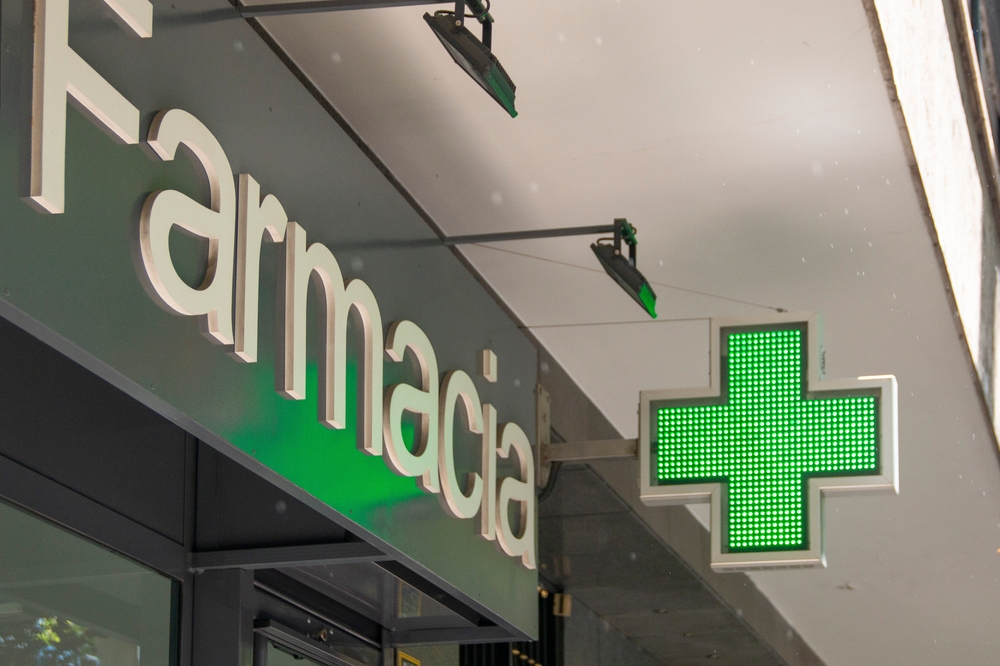
Spanish pharmacies are ubiquitous, even in the smallest villages. The most identifiable marker is the illuminated green cross (cruz verde) outside each establishment. Whether it’s daytime or night, this sign ensures that pharmacies are easily spotted. Many are situated on central plazas, in commercial districts, or close to clinics and hospitals.
In addition to their obvious signage, pharmacies in Spain are required by law to display their registration number and pharmacist’s name clearly at the entrance. Interiors are easily recognizable—clean, orderly spaces with shelves stocked with medicines, hygiene products, and health aids. Most have private consultation areas for more sensitive discussions.
Pharmacy Opening Hours and ‘Farmacia de Guardia’
Most Spanish pharmacies maintain typical business hours: Mondays to Fridays, opening around 9:00 AM and closing at 2:00 PM, reopening in the afternoon from 5:00 PM to 8:00 PM. On Saturdays, only morning hours commonly apply. However, Spain’s commitment to healthcare access ensures round-the-clock availability of essential medications via a rotational duty system: the Farmacia de Guardia.
Farmacia de Guardia Explained
At any given time, at least one pharmacy in each locality will operate 24/7 or during night and weekend hours. These on-call pharmacies post their schedules and addresses on the doors of all nearby pharmacies, as well as on municipal noticeboards. Staffed with qualified pharmacists, these outlets ensure continued access to urgent prescriptions and emergency remedies, regardless of when needs arise.
It’s a significant reassurance for residents and travelers that, no matter the hour, vital medicines are never out of reach.
Prescription and Non-Prescription Medications
Spain’s strict regulation of pharmaceutical products creates a safe and controlled environment for the dispensing of medicines. If you are accustomed to purchasing certain drugs over the counter in your home country, you may be surprised to find a more restrictive approach in Spain.
Prescription Medications
In Spain, the majority of medicines used to treat chronic or serious health conditions require a prescription from a licensed physician, known as a receta médica. This rule applies to:
- Antibiotics and antimicrobials
- Cardiovascular medications
- Hormonal therapies
- Psychotropic medications
- Insulin and other diabetes treatments
Pharmacists may not, under any circumstances, dispense these medications without a valid, current prescription. Electronic prescriptions are increasingly common, allowing seamless communication between your primary care physician and your local pharmacy.
Non-Prescription and Over-the-Counter Medicines
A wide array of treatments are available without a doctor’s prescription. Among these are:
- Painkillers such as paracetamol (acetaminophen) and ibuprofen
- Cold and flu preparations
- Anti-allergy tablets
- Digestive aids and antacids
- Vitamins, supplements, and probiotics
- Cough syrups and nasal sprays
Spanish pharmacists are highly knowledgeable about these products and their proper use. They can help you choose the right remedy for your symptoms, explain contraindications, and determine whether your condition requires further medical evaluation.
Specialist and Imported Medications
While most standard medications are widely stocked, rarer or highly specialized drugs may not be immediately available at every pharmacy. In such cases, pharmacists can quickly order medicines from authorised wholesalers, with delivery times typically ranging from a few hours to 48 hours. Commonly, the pharmacist will ask for your contact details and notify you as soon as your medication arrives.
For expatriates and foreign residents, it’s important to note that not all medications available in your home country are approved or authorized in Spain due to differences in national pharmaceutical legislation. Should you require a medicine unique to another country, your doctor and pharmacist can often recommend Spanish equivalents or alternatives.
How to Obtain Prescriptions: For Residents and Visitors
The process of obtaining prescriptions in Spain is streamlined, but varies depending on your residency status and affiliation with the national health system.
For Spanish Residents
Spanish residents are typically registered with the public healthcare system, which includes access to primary care doctors (médicos de cabecera) and specialists. Prescriptions issued by these doctors are entered into an electronic system linked to your health card (tarjeta sanitaria), allowing pharmacists to access your prescription with a simple card scan. The process is fast, paperless, and secure.
For Travelers and Non-Resident Visitors
Tourists and non-resident visitors can still access necessary medications, but there are a few important points to remember:
- Bring an original prescription, ideally translated into Spanish or English, especially for critical or controlled medications.
- Some medicines available over-the-counter in your home country may require a prescription in Spain.
- If a prescription is needed, you can visit a local medical center (centro de salud) or private clinic. Most private doctors issue prescriptions that are accepted nationwide.
- For urgent needs, pharmacists may, at their discretion and within strict guidelines, provide a single dose of longstanding maintenance medication while you arrange for a local prescription—particularly for travelers with an obvious need (e.g., insulin for diabetics).
While Spain’s system is thorough, it is always best for visitors to plan ahead, traveling with sufficient medication and the necessary prescriptions to avoid inconvenience.
Pharmacy Services Beyond Medication
Spanish pharmacies are evolving, offering a range of healthcare services that extend far beyond dispensing medicines. These modern amenities address preventive care, wellness, and convenience.
- Blood Pressure Monitoring (Tensión Arterial): Most pharmacies have automated blood pressure machines or offer staff-assisted checks, a vital service for those with hypertension or cardiovascular risk.
- Diabetes Management: Glucometer sales, testing strips, and advice for diabetics are common offerings. Some pharmacies provide in-store blood glucose testing.
- Vaccinations: Several regions in Spain allow pharmacies to administer flu, pneumococcal, and travel vaccinations.
- COVID-19 Testing: Rapid antigen tests are available at almost every pharmacy, and some offer supervised testing with official documentation as required for travel or workplace needs.
- Dermatological, Oral Care, and Hair Treatments: Extensive product lines for skin care, oral health, and hair loss cease to surprise anyone familiar with the Spanish pharmacy tradition.
- Health Screenings: Certain pharmacies have evolved into mini health centers, offering cholesterol checks, weight management guidance, and smoking cessation support.
- Baby and Maternity Care Products: Specialist formulas, baby foods, and guidance for new parents are widely available.
This expansion of services reflects a modern approach to health, bringing care closer to the community and supporting preventive health initiatives.
The Role of Pharmacists: Trusted Advisors and Healthcare Partners
The pharmacist’s role in Spain transcends mere dispensing of medication. As key members of the healthcare ecosystem, pharmacists are accessible health professionals with a responsibility toward patient safety, compliance, and support. They are the first port of call for minor health issues, medication questions, and sometimes, emotional support during stressful medical situations.
Pharmacist Qualifications and Training
In Spain, pharmacy is a highly regarded healthcare profession. Aspiring pharmacists complete a rigorous five-year university program in pharmaceutical sciences, followed by a professional qualifying exam. Many pursue further specialization in clinical pharmacy, oncology, nutrition, or other advanced areas. Pharmacies are often family-run, with several generations carrying the torch and contributing to the local community's health.
Patient Confidentiality and Professional Ethics
Spanish pharmacists are bound by strict codes of confidentiality and professional conduct. Whether you seek sensitive medication, medical appliances, or advice on intimate health issues, you can trust that privacy is rigorously protected. Many pharmacies feature separate consultation rooms for confidential discussions.
Pharmacists are also legally required to inform and protect consumers; they refuse dangerous combinations of medication, prevent misuse of prescription drugs, and ensure accuracy in dispensing—a key safeguard against medication errors.
Cost of Medication in Spain
One of the most common questions among expatriates and visitors concerns the price of medicines. Spain enjoys some of the lowest pharmaceutical prices in Western Europe, thanks to governmental price controls and generic substitution policies.
Public Healthcare and Pharmaceutical Subsidies
Spanish residents affiliated with the public health system benefit significantly from subsidized medication costs. On average, patients pay between 10% and 40% of the retail price for prescription medicines, with the remainder covered by the state. The level of subsidy varies based on income, age, and medical condition. Pensioners, for example, may pay as little as 10%, while active employees pay up to 40%. Some chronic illness treatments are fully covered.
Private Prescriptions and Uninsured Patients
Patients with private health insurance or those paying out-of-pocket are charged the full retail price, although these are often lower than in neighboring countries. Generic medication is strongly promoted, offering excellent value for most standard therapies.
Over-the-Counter Products
Non-prescription items follow standard pricing, with little variation between different pharmacies due to regulation. Some premium cosmetic and specialty products may have wider price differences, but competition ensures reasonable levels.
As a rule, ask your pharmacist if a less expensive generic version is available and approved—it’s an effective way to minimize costs without compromising on efficacy.
Generic Medicines: Availability and Enforced Substitution
Generics (medicamentos genéricos) play a pivotal role in Spain’s healthcare cost-containment strategy. Pharmacists are often legally obligated to dispense the generic equivalent of a prescribed medication if the active ingredient and delivery form are identical. Unless the doctor specifies “no substitution” (no sustituir) on the prescription, generics are the default choice.
The Spanish Medicines Agency maintains strict regulatory standards to ensure all generic medicines are therapeutically equivalent to their brand-name counterparts, giving patients peace of mind.
If you have concerns about new medications or wish to remain with a particular brand, a discussion with your doctor or pharmacist is recommended.
Pharmacies for Special Health Needs: Homeopathic, Natural, and Compounding
Spain exhibits a diverse and inclusive approach to health. In addition to standard pharmacies, you may encounter:
- Homeopathic and Natural Pharmacies: Many pharmacies stock or specialize in natural remedies, supplements, and homeopathic products, often staffed by experts in alternative medicine.
- Compounding Pharmacies (Farmacias de Formulación Magistral): These can prepare tailor-made medicines for patients with unique dosages, allergies, or pediatric requirements. Doctors work closely with these pharmacists when commercial options are inadequate.
- Veterinary Pharmacies: In addition to standard outlets, some pharmacies handle medicines for pets and farm animals, supporting Spain’s deep-rooted agricultural tradition.
Ask your local pharmacy about specialized services and available products; staff are happy to advise and, if necessary, make referrals to appropriate outlets.
Spanish Pharmacy Etiquette and Practical Tips
Using a pharmacy in Spain is generally straightforward and user-friendly, but a few cultural nuances and practical tips can smooth your experience:
- Waiting Your Turn: Most busy urban pharmacies use a ticketing system; simply take a numbered ticket on entry. In smaller venues, queue politely and observe social distancing.
- Presenting Prescriptions: Electronic health cards are the norm for residents, while paper prescriptions remain in use for private insurance or visitors. Present yours at the counter and wait for further instructions.
- Discussing Your Needs: Don’t hesitate to ask for advice—pharmacists are welcoming and knowledgeable. If language is a barrier, translation apps or basic English are usually sufficient in tourist areas.
- Payment and Receipts: Pharmacies accept cash and credit/debit cards. Always request a receipt (ticket), especially if you need expense documentation for health insurance claims or reimbursement.
- Privacy: If you need discretion, mention it. Pharmacies are structured to provide private service spaces where possible.
- Returns: Spanish law generally prohibits returns or refunds of medication unless the product is defective or incorrectly dispensed, a measure to protect public health.
Special Considerations for Expats and International Residents
Moving to or spending extended time in Spain brings distinct advantages and only minor challenges regarding access to medication and pharmacy care. Here are some essentials for expatriates and long-term visitors to keep in mind:
Transferring Prescriptions and Continuity of Care
For those on regular medication, it’s advisable to visit your local doctor as soon as possible after arrival in Spain. Present your existing prescription (preferably with the generic name of the medicine) for a Spanish equivalent. Doctors can then issue a local prescription compatible with the Spanish system. Keep your health and medication records updated and, where feasible, bring an additional supply of vital medicine in case of short-term difficulties finding your medication locally.
Multilingual Staff and Communication
Pharmacies in cosmopolitan areas, coastal zones, and cities with sizeable expat populations often employ staff fluent in English, French, German, and other languages. Printed instructions for medication use are also commonly available in several languages. Don’t hesitate to ask for clarification to avoid misunderstandings about medication dosage or use.
Traveling with Medication
If you are entering Spain with medication, particularly controlled substances, carry relevant documentation (doctor’s prescription, medical certificate) and keep medicines in original packaging. Customs authorities may request proof of need for large quantities or for psychotropic drugs—having documents available helps avoid delays.
Insurance and Pharmacy Benefits
If your health plan covers pharmacy costs, keep your policy and documentation handy. National and international health insurances typically reimburse pharmacy expenses upon submission of original receipts and prescriptions. Some international insurances have agreements with Spanish pharmacies to facilitate direct billing; verify with your insurer before arrival.
Medication Safety and Counterfeit Avoidance in Spain
Spain maintains some of the highest standards in Europe regarding medication safety and authenticity. Purchasing medicine exclusively through authorized pharmacies minimizes the risk of counterfeit, expired, or unregulated products. Pharmacies are regularly inspected, and all medicines bear unique national registration numbers, batch coding, and tamper-evident seals.
Never purchase medication from unlicensed street vendors, informal markets, or online sources with no physical pharmacy registration. This rule not only protects your health and legal standing but also upholds Spain’s robust pharmaceutical safety record.
Pharmacies and the Digital Age: Online Services and Telepharmacy
Spanish pharmacies are embracing innovation. With the rising popularity of online shopping and digital health, pharmacies have begun offering:
- Click-and-Collect Service: Reserve non-prescription products and collect in-store at your convenience.
- Telepharmacy: Video or telephone consultations with pharmacists for advice, especially beneficial for those with reduced mobility.
- Online Sales (Non-prescription only): Registered pharmacies can sell certain health and wellness products online, but prescription medications are strictly excluded from mail-order supply by law.
- Automatic Prescription Renewal Reminders: Digital notifications for chronic medications help ensure adherence and timely renewals.
Despite digital advances, in-person dispensing and advice remain the gold standard, fostering trust and patient safety.
Emergency Medications and First Aid in Spain
Pharmacies are an essential source for emergency health needs, especially when travel mishaps or unexpected illnesses occur. Available without prescription are basic first aid supplies such as:
- Bandages, gauze, and wound dressings
- Disinfectants and antiseptics
- Burn creams and sunburn treatment
- Anti-nausea and rehydration solutions
- Travel sickness remedies
- Insect repellents and bite treatments
- Eye care and ear drops
- Oral rehydration salts for heat illness
For more urgent cases (anaphylaxis, severe asthma, etc.), you may need to present a prescription, or the pharmacy will advise immediate referral to an emergency medical facility.
In all cases, Spanish pharmacists are trained to recognize red-flag symptoms and will not hesitate to direct you to the nearest primary care center or hospital when necessary.
Spanish Pharmacies and the Pharmaceutical Supply Chain
The efficiency and safety of Spanish pharmacies is underpinned by a tightly regulated supply chain, operated via national pharmaceutical wholesalers and monitored by health authorities. This ensures:
- Continuous availability of essential and life-saving medications
- Efficient recall processes if needed
- Effective monitoring of expiration dates and batch quality
- Transparency in pricing and medication traceability
This system all but eliminates the risk of counterfeit medication and guarantees that what you purchase in a Spanish pharmacy is exactly what your doctor intended.
Pharmacies and Spanish Legislation: Regulatory Safeguards
Spain’s pharmaceutical sector is one of the most heavily regulated in Europe. Key legislative features include:
- Strict licensing requirements for operation, with only qualified pharmacists as owners and operators
- Professional standards for staff, including ongoing education
- Controls on opening hours, location, and density to ensure fair distribution across communities
- Controls on advertising to prevent misleading health claims
Pharmacies are subject to frequent health inspections, guaranteeing cleanliness, safety, and ethical conduct. Consumers can lodge complaints or concerns directly with the regional College of Pharmacists (Colegio Oficial de Farmacéuticos), which acts as a regulatory and support body for both pharmacists and patients.
Medication Waste Disposal and Environmental Responsibility
Spain places great emphasis on safe and environmentally responsible disposal of medicines. Most pharmacies participate in the Punto SIGRE program, a national initiative for the collection and ecological disposal of unused or expired medicines. Special bins, often located at the entrance, accept:
- Unused or expired tablets, capsules, and solutions
- Empty packaging and blisters
- Prescription or over-the-counter medication
This initiative prevents environmental contamination, unintentional poisoning, and medication theft—key elements of Spain’s public health strategy. Ask your pharmacist if you’re unsure about what to include, and never dispose of medicines in household waste or drains.
Pharmacies and Accessibility: Serving Every Community
Spanish law guarantees equitable access to pharmacies for all, regardless of geography or physical ability. Rural and island areas benefit from a minimum pharmacy-per-capita ratio, ensuring remote communities are served. Urban districts with high population densities are likewise well-covered, with pharmacies frequently within walking distance.
Accessibility for persons with disabilities is a legal obligation. Most modern pharmacies are wheelchair accessible, and staff are trained to assist those with vision or hearing impairments. For homebound or severely ill individuals, home delivery of medication may be possible—speak with your pharmacist to explore local options.
Pharmacy Products: Beyond Medication
Pharmacies in Spain are reliable sources for a wide variety of health and personal care items. Examples include:
- Sun care products, essential for Spain's bright climate
- Dermo-cosmetics for skin conditions or beauty routines
- Orthopedic supports, insoles, and mobility aids
- Eye care, including drops and contact lens solutions
- Hygiene and incontinence supplies
- Nutritional supplements and protein powders
- Stop-smoking aids: patches, lozenges, and counseling
This makes Spanish pharmacies a ‘one-stop-shop’ for everyday health and wellness.
Travelers’ Tips: Using Pharmacies in Spain
Pharmacies are central to the travel experience in Spain—whether for relief from sunburn, a sudden cold, or minor accidents. Recommendations:
- Carry your EHIC (European Health Insurance Card) or GHIC if you are an EU visitor.
- Bring a basic health kit, but know pharmacies offer expert guidance on all forms of minor medical need.
- Do not hesitate to seek pharmacist advice for gastrointestinal, allergic, or skin reactions—common issues for newcomers.
- If traveling with children, Spanish pharmacists are especially adept at recommending pediatric, dental, and baby products suited to Spanish conditions.
Pharmacies in Spain: The Heartbeat of Local Health Culture
Pharmacies represent a living tradition in Spain, connecting science and community. The local pharmacy is often a gathering spot where health issues are addressed promptly and competently, and where personal relationships with caring professionals are formed over time.
They are an integral part of Spain’s commitment to universal health and public reassurance—always open, always prepared, and constantly modernizing without sacrificing their core values of safety, service, and trust.
FAQs: Common Questions About Pharmacies in Spain
Do Spanish pharmacies accept foreign prescriptions?
It depends on the medication and the local regulation. While a prescription from an EU country is sometimes accepted for standard medicines, you may be asked to visit a local doctor for a Spanish prescription, particularly for controlled substances.
Can I get antibiotics without a prescription?
No. Antibiotics and most potent medicines require a valid prescription. This is a legal requirement designed to combat antibiotic resistance and ensure patient safety.
Are pharmacies closed on Sundays?
Standard pharmacies typically close on Sundays, but at least one Farmacia de Guardia in every area remains open at all times, including Sundays and holidays.
Is it possible to order medications online?
Non-prescription items and wellness products may be sold online by registered Spanish pharmacies, but prescription drugs cannot be lawfully mailed or delivered by courier.
Can I consult a pharmacist without making a purchase?
Absolutely. Pharmacists are health advisors and are happy to provide medical guidance and information even if you do not make a purchase.
How are controlled medicines dispensed?
Dispensing of controlled medicines is tightly regulated. You will need an original, valid Spanish prescription, and your identity may be verified at the point of collection.
Are herbal or alternative remedies widely available?
Yes. Many Spanish pharmacies offer a broad selection of natural and homeopathic remedies under the supervision of qualified experts.
What if I need a special diet or allergy medication?
Inform your pharmacist of your specific needs; specialist medicines and allergy-safe supplements are widely available, and compounding services can be arranged when standard products are insufficient.
How do I find an on-call pharmacy in my area?
Look for lists posted on pharmacy doors, municipal boards, or inquire with the police, tourist office, or your hotel. Local newspapers also publish this information.
What documentation do I need to purchase medication?
For prescriptions, bring your health card (if resident), original prescription, and identification. For over-the-counter items, no documentation is required, but for travel or insurance reimbursement, request a proper receipt.
Conclusion: Ensuring Peace of Mind with Spanish Pharmacies
Spanish pharmacies are the backbone of accessible, expert, and personalized healthcare. From the green cross on a village street to the bustling counters of an urban pharmacy, they are a constant source of safety, comfort, and medical guidance. For residents, expatriates, and travelers alike, knowing how to navigate this system rewards you with reliability, quality, and the compassionate support of dedicated professionals at every life stage.
Whether you seek urgent medication, preventive advice, or daily wellness products, Spanish pharmacies are ready to serve—true pillars in the architecture of Spanish health and society.
With IMMO ABROAD’s deep local expertise, settling into Spanish life, including effortless healthcare access, becomes an enriching and worry-free experience. Your health, and access to the care you need, is always at the forefront in Spain’s remarkable pharmacy system.