





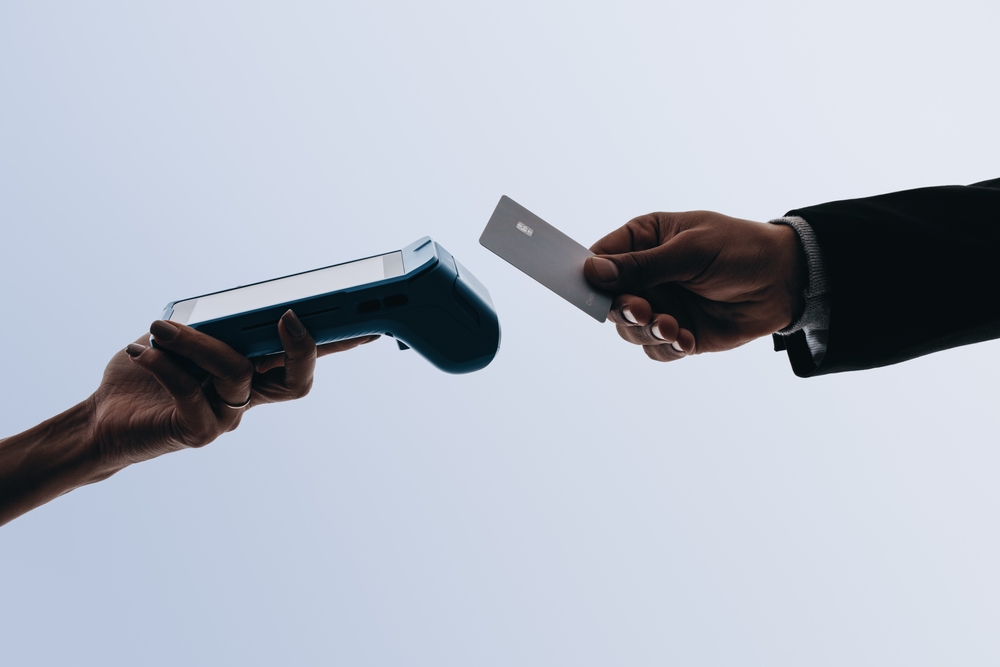
Introduction to Pinnen in Spanje: A Complete Guide
Welcome to the comprehensive guide on pinnen in Spanje—everything you need to know about debit and credit card payments, ATM usage, security, costs, and more in Spain. Whether you are a resident, planning to move, or visiting for leisure or business, understanding the ins and outs of electronic payments is crucial. With Spain's continuously evolving financial landscape, new rules, technologies, and payment preferences are constantly shaping the way both locals and foreigners handle their transactions. In this extensive article, brought to you by IMMO ABROAD, we cover every detail about cashless payment methods in Spain to ensure you’re well-equipped for any situation.
The Evolution of Electronic Payment in Spain
Spain’s payment ecosystem has transformed rapidly over the past few decades. Traditionally, cash (known locally as efectivo) was king, but over the past 10-15 years, electronic payments have been on a steady rise. This digital shift has been spurred by advances in banking technology, government incentives for digitalization, and changes in consumer behavior.
Banks, retailers, and service providers now favor cashless transactions for their speed, efficiency, and traceability. Particularly since the COVID-19 pandemic, hygiene concerns accelerated the adoption of contactless payments. Today, pinnen—making payments with a debit, credit card, or mobile device—has become the norm in cities, tourist hotspots, and increasingly in rural areas.
The Rise of Cashless Culture
While Spain still values cash—especially in small towns and local markets—cosmopolitan areas largely embrace all forms of electronic payments. Contactless, mobile, and online payments are now widely accepted and even preferred in many establishments.
How Pinnen Works: The Basics
“Pinnen” is the Dutch term for entering a personal identification number (PIN) to authorize a card payment or ATM withdrawal. In Spain, this process is straightforward, but the details may vary slightly based on your bank, card type, and the merchant’s payment terminal.
- For in-store payments: Insert, swipe, or tap your card or phone on the terminal and enter your PIN if required.
- For cash withdrawals: Head to an ATM, insert your card, choose your language, select an account (if applicable), enter the amount, and type your PIN for authorization.
- For contactless payments: For small amounts (usually up to €50), you typically do not need to enter a PIN. For higher amounts, PIN entry is mandatory.
Both Spanish-issued and foreign cards generally work throughout Spain, but there are nuances regarding fees, language options, and acceptance that we’ll explore in this guide.
Types of Cards Accepted in Spain
Understanding which cards are accepted saves frustration at checkout. In Spain, card payments are dominated by domestic and international networks. Notably:
- Visa and MasterCard: Accepted almost everywhere, including supermarkets, shops, restaurants, and ATMs.
- Maestro: A popular European debit card known for its widespread ATM and POS acceptance.
- American Express (Amex): Accepted in larger retailers, hotels, and upscale establishments, but less common than Visa or MasterCard.
- UnionPay: Increasingly accepted in areas frequented by Chinese tourists, though less common overall.
Note: Some smaller shops, taxis, or bars may have a minimum spend (commonly €5-10) for card transactions, or may only accept Spanish-issued cards.
Chip-and-PIN vs. Magnetic Strip
Spain uses chip-and-PIN technology almost exclusively for security. Magnetic strip-only cards may not be accepted at many terminals. Always ensure your card has an integrated chip for maximum compatibility.
Contactless Payment: Tap and Go
The widespread adoption of contactless technology, known locally as “pago sin contacto,” has streamlined small transactions and enhanced hygiene. Most new debit and credit cards issued in Spain include a contactless feature, indicated by a symbol resembling a sideways Wi-Fi logo.
- Payments up to €50 usually require no PIN.
- For higher amounts, the payment terminal will prompt you to insert your card and enter your PIN.
- Many businesses now accept Apple Pay, Google Pay, and Samsung Pay, allowing you to link your card or bank account to your smartphone or smartwatch.
Contactless payments are typically processed as quickly as cash, making them highly efficient for busy urban environments and public transport (such as Metro systems in Madrid and Barcelona).
Using Foreign Cards in Spain
Visitors from the Netherlands, Belgium, Germany, the UK, Scandinavia, and beyond often wonder: Can I use my foreign debit or credit card in Spain? In most cases, the answer is yes. However, there are several key considerations:
- Network compatibility: Cards on the Visa, MasterCard, and Maestro networks are accepted at virtually all card terminals and ATMs.
- Currency conversion: Payments and withdrawals are processed in euros. Be aware of conversion rates if your account is in another currency.
- Fees: Your home bank and/or the Spanish ATM operator may apply transaction and foreign exchange fees. These can add up, so check your bank’s policy before travel.
- ATM restrictions: Some ATMs may limit daily withdrawals on foreign cards or prompt you to accept a dynamic currency conversion (DCC) rate. It’s almost always better to refuse DCC and let your own bank handle the conversion.
- PIN numbers: Always know your four-digit PIN. Signature-only cards may not be accepted, especially at unattended terminals (such as at gas stations or train ticket machines).
Where You Can Pinnen: From Markets to Motorways
In general, pinnen is accepted at the following venues, though always check for minimum spend limits or card restrictions:
- Supermarkets (Mercadona, Carrefour, Lidl, etc.)
- Department stores and malls
- Restaurants and cafés
- Hotels, hostels, and apartment rentals
- Public transport ticket offices
- Pharmacies and opticians
- Toll roads (autopistas de peaje)
- Petrol stations (some self-service pumps require chip-and-PIN or contactless cards)
- Museums, galleries, and tourist attractions
- Small local stores and weekly markets (increasingly, but not universally)
Certain places, especially in smaller villages or rural areas, may still operate on a cash-only basis—especially for purchases under €5. Keep a small amount of cash on hand for emergencies, bus fares, or other minor transactions.
ATMs in Spain: Finding, Using, and Fees
Automated Teller Machines (cajeros automáticos) are widespread in Spain’s cities, towns, airports, train stations, and shopping centers. The four main bank ATM networks—CaixaBank, BBVA, Santander, and Sabadell—offer broad coverage, and international networks such as Euronet and Bankinter fill any remaining gaps.
ATM Functionality and Language Options
Most ATMs offer:
- Activated multi-language menus (English, Dutch, French, German, etc.)
- Cash withdrawals
- Balance inquiries
- Deposits (usually for Spanish bank customers)
- Transfers (within Spain and sometimes internationally)
- Mobile phone top-ups and bill payment
When withdrawing cash, always check for fee notifications and consider using ATMs inside bank branches rather than standalone machines (often found in tourist areas), as the latter can have higher fees and less security.
ATM Fees and How to Minimize Them
Charges for foreign card use at ATMs vary:
- ATM operator fee: This is imposed by the Spanish bank and will be displayed before confirming the withdrawal. It typically ranges from €1.75–€5.00 per transaction.
- Your home bank’s fee: Many banks charge for overseas ATM use and/or currency conversion (typically 1–3%).
- Currency conversion (“Dynamic Currency Conversion”): Some ATMs offer to process withdrawals in your home currency. This almost always results in a poorer exchange rate and an extra charge. Always choose to be billed in euros.
Tip: Withdraw larger amounts less frequently to minimize per-transaction fees. Use ATMs operated by major Spanish banks for the smallest charges.
Banking Hours and ATM Accessibility
Traditional Spanish bank branches (bancos) are open Monday–Friday, usually from 8:15 to 14:30. Some open briefly on Saturdays. However, ATMs attached to branches and in public locations operate 24/7.
- Nighttime use: Always be aware of personal safety during late withdrawals—choose well-lit, busy areas and avoid carrying more cash than needed.
- Holiday periods: During national and regional holidays, bank branches are closed but ATMs remain accessible.
Withdrawing Money: Limits and Advice
Limits on ATM withdrawals depend on the issuing bank, the ATM operator, and the type of card:
- Spanish debit/credit cards: Typically, up to €600 per day (may be increased at your bank’s discretion).
- Foreign debit/credit cards: Limits vary, often between €200–€500 per transaction, with a maximum of €1000–€2000 per day depending on your home bank.
- Some standalone ATMs (often those not operated by banks) may impose stricter per-withdrawal limits and higher fees.
Always inform your bank if you plan to travel to avoid card blocks for suspected fraud. Keep all receipts for tracking expenses and easy resolution of disputes.
Paying for Services: Shops, Restaurants, Transport, and Beyond
Card and mobile payments have revolutionized how customers interact with services in Spain. Here’s what to expect in different environments:
Supermarkets and Grocery Stores
Virtually all large supermarkets accept card payments at staffed and self-checkout counters. For small neighborhood shops, there may be a card minimum, and cash transaction discounts are still possible.
Restaurants and Cafés
International cities (Barcelona, Madrid, Valencia, etc.) and all major tourist zones welcome card payments, including contactless and mobile wallets. Always ask if you can pay by card before ordering in rural or local tapas bars. Tipping in restaurants is usually done in cash, but more places are enabling tips via card terminals.
Bars and Nightlife
Most modern bars, clubs, and lounges in tourist areas accept cards, although you may find a minimum spend or card surcharge. Some local bars only take cash, especially for small purchases.
Taxis, Public Transport, and Ride-Sharing
Most city taxis in Spain are now equipped with card terminals, but it is always good practice to confirm at the start of your ride. Ride-sharing apps like Uber, Cabify, and Bolt require card or smartphone payment.
Metro, tram, and bus stations across larger cities increasingly support card or contactless payment for ticket machines.
Accommodation: Hotels and Rentals
All hotels, resorts, and branded hostels in Spain accept cards for reservations, check-ins, and deposits. For direct rentals or smaller family-run establishments, inquire ahead of arrival about payment options.
Other Services
- Doctors, clinics, and pharmacies: All major health services accept card payments, alongside prescription and over-the-counter purchases.
- Museums and attractions: Contactless payment for entry tickets and shops is standard.
- Post offices and delivery couriers: Post offices accept cards for most services; direct couriers may prefer cash.
Security Measures When Pinnen in Spain
Security is paramount when using electronic payments. Spanish banks and merchants follow strict protocols to protect users from fraud and data breaches. To keep your finances safe, remember:
- Shield your PIN: Always cover the keypad when entering your PIN at a terminal or ATM.
- Do not share your card: Never let someone else handle your card out of sight.
- Monitor statements: Regularly check your bank or card app for suspicious transactions and report them promptly.
- Lost or stolen card? Act fast: Contact your bank immediately via their local or international helpline.
- Beware of skimmers and scams: Inspect ATMs for unusual devices and avoid accepting help from strangers at payment points.
Online and Mobile Security
Purchasing online or via mobile apps is very common in Spain. Always use secure networks, never share card details via email or phone, and enable two-factor authentication on your banking and payment platforms.
Costs, Fees, and Savings Tips for Pinnen in Spain
Although electronic payments offer convenience, it’s crucial to be aware of associated costs:
- Merchant fees: Generally absorbed by the business. Some small shops or bars may charge a fee for card payments under a minimum spend.
- Foreign cardholder fees: Your home bank may impose international transaction costs. Always check in advance.
- ATM fees: As discussed, avoid tourist-zone ATMs and choose major bank ATMs for lower costs.
- Currency conversion: Pay in euros and let your home bank handle the conversion for a better rate.
Pro Tips for Saving Money
- Bring a multi-currency or travel bank card with zero or reduced foreign transaction fees.
- Withdraw larger sums at once rather than several small withdrawals.
- Avoid dynamic currency conversion at both payment terminals and ATMs.
- Keep an emergency stash of euros for cash-only situations.
- Pay attention to posted signs specifying card minimums or surcharges.
Opening a Bank Account in Spain: Expat and Resident Advice
For frequent visitors, expats, or property owners in Spain, opening a Spanish bank account can be convenient for bill payments, local purchases, and property expenses. Here’s what you should know:
Types of Accounts
- Non-resident accounts: Allow foreigners without Spanish residency to open a local account (with a valid passport and proof of address abroad).
- Resident accounts: Require a Spanish address, proof of income, and official residency documentation.
Required Documentation
Typical requirements include:
- Passport or national identity card
- NIE (Foreigner Identification Number)
- Proof of address (utility bill, rental/purchase agreement)
- Proof of income or employment (sometimes required)
Bank Cards and Features
- Most banks issue a debit card (tarjeta de débito) for immediate purchasing and ATM use.
- Credit cards (tarjeta de crédito) are available with separate credit limits and sometimes annual fees.
- Mobile and contactless payments are enabled by default for most new accounts.
Choosing a Bank
While IMMO ABROAD cannot recommend specific bank brands, we advise clients to compare flexibility, English-language service, and online banking features. Consider banks with convenient branch locations if you expect to make regular in-person visits.
Mobile Banking and Payment Apps in Spain
Spanish financial services are highly digitized, making mobile banking a breeze for locals and foreign account holders. Top features include:
- Mobile apps for Spanish banks: Offer balance checks, transfers, bill payments, and card management in English and several other languages.
- International money transfer apps: Services like Wise (formerly TransferWise) and Revolut are widely used to move funds from abroad to Spain at competitive rates.
- Peer-to-peer (P2P) payments: Spanish residents and businesses commonly use Bizum, a lightning-fast mobile transfer service compatible with nearly all Spanish banks.
- Digital wallets: Apple Pay, Google Pay, Samsung Pay, and other e-wallets are widely supported, especially for contactless payments.
Setting Up Mobile Payments
To use a mobile wallet in Spain, simply add your supported debit or credit card to your phone’s payment app (Apple Wallet, Google Pay, etc.) and follow the steps for verification. Spanish merchants welcome mobile “tap-to-pay” all over the country.
Pinnen voor Belgen en Nederlanders in Spanje
Many visitors and new residents in Spain hail from the Netherlands and Belgium, bringing their own card payment cultures and expectations. Some distinctions and tips for Dutch and Belgian cardholders:
- Maestro and V PAY: These cards, popular in the Netherlands and Belgium, are generally accepted at point-of-sale terminals and ATMs. However, always check card compatibility at smaller shops.
- Banks often offer multi-currency fee waivers. Take advantage of international-friendly bank account options.
- PIN mismatches: Four-digit PINs are standard, but double-check any requirements for activating your card abroad before travel.
- Limitless contactless: Spain’s higher contactless transaction limit is especially convenient; always look for the contactless payment symbol.
For those spending extended periods in Spain, especially when dealing with property purchases, utility bills, and daily shopping, opening a Spanish bank account streamlines payments and avoids bank fees.
Pinnen en Belastingen: Fiscal Considerations
For residents, property owners, and long-term visitors, understanding the tax (impuestos) implications of electronic transactions is crucial. All digital transactions are automatically logged, providing a clear record for both personal and government accounting.
Electronic Records for Tax Declarations
- Using your Spanish debit or credit card helps maintain precise records for annual tax declarations.
- For property owners renting out homes, official payments (such as utility bills, insurance, or maintenance contracts) made via bank card are easily documented for Spanish tax authorities.
Limits on Cash Usage
Spain, in line with European anti-money laundering efforts, has reduced the cash transaction maximum for many payments (currently set at €1,000 for business-to-consumer transactions if either party is not resident). For larger purchases—including cars, property taxes, or renovations—pinnen is strongly encouraged and often mandated by law.
Payment Innovations and Future Trends
Spain’s financial landscape is highly dynamic, with emerging technologies rapidly taking hold:
- Biometric authentication: Some Spanish banks already offer fingerprint or facial recognition for mobile payments and ATM access.
- QR code payments: Common in Asia, this technology is spreading in Spain, especially in restaurants and for public services.
- Crypto payments: Cryptocurrency acceptance is still limited but slowly growing in certain sectors.
The Spanish government and central bank regularly update rules to balance ease of payment, consumer protection, and anti-fraud measures, meaning tomorrow’s landscape may look quite different. Staying informed is crucial for both visitors and residents.
Frequently Asked Questions about Pinnen in Spain
- Can I pay everywhere by card in Spain?
Most urban and tourist locations accept cards, but rural areas, smaller shops, or markets may be cash-only. Always carry a little cash just in case.
- Do I need chip-and-PIN or is signature sufficient?
Chip-and-PIN is the Spanish standard. Signature-only cards may be rejected, especially at self-service machines.
- Can I withdraw euros with my foreign debit card?
Yes—ensure your card is enabled for international use and note the applicable fees and daily limits.
- Are contactless payments safe in Spain?
Yes, Spanish terminals are encrypted and frequently inspected for security. Exercise normal caution.
- What do I do if my card is lost or stolen?
Call your bank’s emergency line (many banks offer English language support) to block the card immediately.
- Can I use mobile wallets like Apple Pay?
Yes—these are widely accepted in Spanish shops, cafés, and public transport systems.
Tips for a Smooth Payment Experience
- Always carry a small amount of cash for emergencies.
- Ensure your card is chip-and-PIN enabled and activate international transactions before leaving your home country.
- When prompted at a payment terminal or ATM, always select "EUR" (not your home currency) for a better exchange rate.
- Keep your bank’s international helpline saved in your phone.
- Before making large purchases (such as appliances, electronics, or vehicle rentals), check with your bank for temporary limit increases.
- Register for your bank’s mobile app for easy tracking and quick card blocks if needed.
- Respect posted minimums or card surcharges to avoid awkward moments at the checkout.
Special Situations: Property Owners, Long-Term Residents, and Business Payments
For property buyers, landlords, and long-term expats, banking and pinnen habits can influence your monthly routine:
- Utility and mortgage payments: These are commonly paid by direct debit from a Spanish account, not by card—another reason to open a local bank account.
- Bill splitting and household expenses: Use mobile P2P apps like Bizum to split restaurant tabs or neighbor expenses quickly and securely.
- Business payments: Card acceptance is expected at all professional service providers and most government offices. For taxes, use the online tax agency portal with almost any Spanish credit or debit card.
If you own a business, ensure your payment system complies with Spanish regulatory requirements for VAT documentation and anti-fraud measures.
Regional Differences in Pinnen in Spain
While payment infrastructure is broadly standardized across Spain, regional economic differences and local customs can still influence pinnen practices:
- Catalonia and the Balearics: High volumes of international visitors mean more multilingual ATMs and robust digital payment systems.
- Andalusia: Many small towns and villages may continue to favor cash, but major cities like Seville and Málaga are fully cashless-friendly.
- Canary Islands: International cards widely accepted, but check for slightly higher bank and ATM fees.
- Northern Spain (Basque Country, Galicia): Modernized cities, but the countryside may still lag behind on card payment adoption.
Always observe local business hours and any posted signs regarding minimum card spends or cardholder identification policies.
Payment Problems and Solutions
- Card declined?
Check that your card is enabled for “Outside Europe” or “Worldwide” use. Contact your home bank, and try a different bank’s ATM.
- ATM out of cash or malfunctioning?
Head to another branch ATM or try again later. Avoid using ATMs in isolated or poorly lit areas.
- Language barrier?
Most terminals and ATMs default to Spanish, but offer English and sometimes Dutch, French, or German. Simply follow on-screen prompts.
If your card has been captured or retained by an ATM, note the location, time, and name of the bank, then contact your card provider immediately for further instructions.
Conclusion: Enjoy Seamless Pinnen in Spain
From bustling city centers to sun-soaked coastal towns, pinnen in Spanje has never been easier or more secure. By understanding the landscape—card acceptance policies, ATM use, security, costs, and practical tips—you are set for hassle-free payments and withdrawals throughout your time in Spain. Whether you’re shopping, dining, exploring, or settling down in a new home, confidence with Spain’s digital payment systems empowers you to focus on what matters: enjoying all the beauty and vibrancy Spain has to offer.
Need more tailored advice on banking, expat finance, or property transactions? IMMO ABROAD is here to guide you through every step—so you can manage your finances and payments with ease and security from the very first day.
Glossary of Terms
- Pinnen: Entering a PIN to pay by card or ATM in Spain.
- Cajero automático: ATM machine.
- Tarjeta de débito/crédito: Debit/credit card.
- Pago sin contacto: Contactless payment.
- NIE (Número de Identificación de Extranjero): Foreigner ID number required for banking in Spain.
- IBAN: International Bank Account Number, required for transfers.
- Bizum: Spain’s leading mobile peer-to-peer payment solution.
- Dynamic Currency Conversion (DCC): ATM/payment system offering conversion to your home currency, often with poor rates.
Final Checklist Before You Travel or Move to Spain
- Inform your home bank or card provider of your Spain travel dates to avoid fraud blocks.
- Check ATM fee policies and set daily withdrawal limits suitable for your needs.
- Pack a backup card and some euros for emergencies.
- Install your bank’s mobile money app and enable SMS or email alerts.
- Save IMMO ABROAD’s contact information for local property and relocation support.
With this robust foundation in the art of pinnen in Spanje, every financial aspect of your Spanish experience will be as seamless, efficient, and secure as possible. Enjoy Spain—and happy pinnen!