




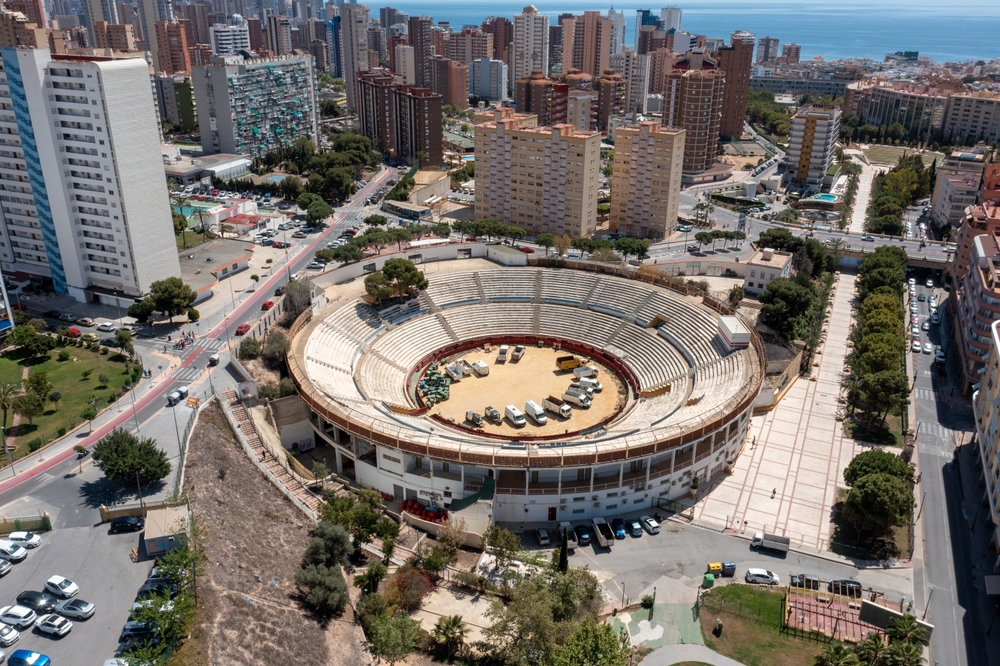
Introduction to the Plaza de Toros in Benidorm
Nestled in the heart of one of Spain’s most vibrant coastal cities lies a monument to tradition, spectacle, and the enduring human pursuit of shared experience—the Plaza de Toros in Benidorm. Far more than a simple arena, this magnificent structure stands as a living testament to the region’s rich tapestry of history, culture, and communal spirit. For those who have wandered its timeworn corridors or taken a seat beneath its sun-drenched arches, the Plaza de Toros offers not just entertainment, but a profound connection to the stories, values, and artistry that define Benidorm’s unique character.
By exploring the fascinating chronicle of this iconic Plaza, one uncovers narratives of triumph and controversy, local pride and international influence, and—above all—the indelible marks left by generations of artists, aficionados, and everyday citizens. This article will take you deep into the essence of the Plaza de Toros in Benidorm, revealing why it remains such a vital piece of both local heritage and the broader Spanish cultural landscape.
The Historical Roots of Benidorm’s Plaza de Toros
The tradition of bullfighting, or “corrida de toros,” is one of Spain’s oldest and most passionately debated customs. To understand the significance of Benidorm’s Plaza de Toros, it is necessary to wind the clock back several centuries, tracing the origins of Spanish tauromachia and the emergence of arenas built to host these enthralling contests.
Benidorm itself, now globally renowned for its vibrant beaches and cosmopolitan allure, was once a tranquil maritime village, deeply connected to the rhythms of the Mediterranean. The construction of a local Plaza de Toros represented both an embrace of national tradition and a statement of municipal ambition—heralding Benidorm’s place among Spain’s most culturally significant towns.
The Birth of the Plaza: Context and Construction
The decision to build a bullring in Benidorm came at a time of growing interest in local identity and tourism. As Spain’s 20th century unfolded, Benidorm’s leaders envisioned a space that could host grand festivities, cultural events, and the classic spectacle of the bullfight. The architectural plans drew inspiration from legendary arenas in Seville, Madrid, and Valencia, yet sought to imbue Benidorm’s own with unique flair.
Constructed with meticulous attention to both function and form, the Plaza de Toros became a gathering place not only for aficionados of the sport but for the entire community, who would come together during local holidays, concerts, and important ceremonies. The impact of this edifice on local pride and cohesion cannot be overstated.
Architectural Grandeur: Form Meets Function
As one approaches the Plaza de Toros in Benidorm, its stately architecture leaves a lasting impression. Unlike modern stadiums designed solely for utility, this arena is a work of art—its graceful arches and sun-bleached façade evoking a sense of time suspended between past and present.
Design Elements and Layout
The Plaza aligns with the classic tenets of Spanish bullring construction: a vast, sand-filled central arena encircled by tiered seating that guarantees optimal views from every vantage point. The arena is enclosed by robust stone and stucco walls, with ornamental gates leading to artists’ entrances, stables, and ceremonial chambers.
Special emphasis was placed on ensuring the safety of both spectators and participants. Behind the stunning beauty lies a steadfast commitment to engineering, with secure passageways, emergency exits, and reinforced barriers that attest to the knowledge and tradition passed down through generations of master builders.
The Symbolism of the Plaza
Every aspect of the Plaza’s design is imbued with meaning. The color schemes—ranging from the rich ochre of the arena sand to the azure accents echoing the nearby sea—reflect the natural palette of Benidorm’s landscape. Statues and mosaics pay tribute to legendary matadors and beloved local figures, transforming the Plaza into a living museum of valor, artistry, and communal memory.
Benidorm’s Role in Spanish Bullfighting Culture
While cities like Seville and Madrid often preside over the national narrative of bullfighting, Benidorm occupies a distinctive place within this tapestry. Here, the tradition adapted to local sensibilities, responding to both the city’s cosmopolitan allure and its profound respect for heritage.
Becoming a Cultural Beacon
The Plaza de Toros in Benidorm evolved into a venue not just for sporting spectacle, but for artistic exploration and social reflection. During the heyday of bullfighting’s popularity, it hosted renowned toreros who drew audiences from across the Costa Blanca and beyond. For visitors and locals alike, attending a “corrida” here was an event infused with meaning—a ritual linking the modern city to centuries-old rituals of courage, artistry, and audience participation.
Moreover, the bullring provided a stage upon which stories of local identity and transformation could unfold. Through annual festivals and impassioned debates, the people of Benidorm shaped their relationship with this tradition, at times embracing change while fiercely defending the past.
Plaza de Toros as a Mirror of Societal Change
The arena in Benidorm is not merely an artifact of the past; rather, it is a dynamic space reflecting the shifts in societal values, generational attitudes, and ethical beliefs. As Spain transformed—from dictatorship to democracy, from isolation to international prominence—the role of bullfighting and the significance of the Plaza de Toros also evolved.
Arena of Debate: Tradition vs. Modernity
Throughout recent decades, passionate debate has surrounded the future of bullfighting, particularly in the context of animal welfare and changing social norms. In Benidorm, these discussions have been especially poignant, given the city’s dual identity as both a bastion of tradition and a cosmopolitan resort welcoming the world.
For many, the Plaza de Toros embodies the challenge of balancing reverence for history with the imperatives of progress. Modernization efforts have seen the arena welcoming new forms of artistic expression, from open-air concerts to theater productions, transforming its role within the city while honoring its symbolic legacy.
Festivals, Events, and Local Traditions
A key facet of the Plaza’s enduring appeal lies in its adaptability as a venue for communal celebration. Over the years, it has become a focal point for various festivals and events that showcase the city’s vibrant spirit and cultural diversity.
The “Fiestas Mayores Patronales”
Perhaps the most anticipated event in Benidorm’s annual calendar is the “Fiestas Mayores Patronales”—a weeklong festival honoring the city’s patron saints. During these jubilant days, the Plaza de Toros comes alive with music, dance, and colorful parades. Residents and visitors alike gather within its walls, forging communal bonds and celebrating shared heritage.
In addition to traditional processions, the Plaza often hosts performances, competitions, and exhibitions that draw on the talents of local artisans, musicians, and dancers. Such events reinforce the identity of the Plaza as a place where the city’s heart beats the loudest.
Concerts and Modern Spectacles
In recent years, the Plaza de Toros has solidified its reputation as a premier venue for concerts and entertainment events. From international pop stars to flamenco virtuosos, the roster of performers who have graced its stage is testament to Benidorm’s cultural dynamism. These events bridge generations, attracting both locals steeped in tradition and new arrivals eager to experience the city’s artistic vibrancy.
By opening its doors to a wide array of performances, the Plaza ensures its continued relevance, captivating new audiences and securing its place at the forefront of Benidorm’s social and cultural life.
The Artistic Legacy of the Plaza de Toros
Beyond its role as a venue for public gatherings and spectacle, the Plaza de Toros in Benidorm is itself an artistic monument, inspiring creativity across multiple disciplines. Artists, writers, photographers, and filmmakers have all drawn upon the plaza’s evocative atmosphere and dramatic imagery.
Visual Arts and the Plaza’s Iconic Status
Many local and visiting painters have captured the interplay of light and shadow across the arena’s façade, immortalizing its contours in oils and watercolors. Photographers are enchanted by the vivid contrasts of color—the brilliance of the sand, the deep blue of the Mediterranean sky, the pops of vibrant costume and banner during festival days.
Art exhibitions featuring works inspired by the Plaza are common in Benidorm’s galleries, further cementing the arena’s role as muse and subject for generations of creative minds.
Literature and Cinema
The rich history and emotional resonance of the Plaza have also found their way into literature and cinema. Spanish and international authors alike have set pivotal scenes amidst its stands, using the unique atmosphere to heighten drama, tension, and reader engagement.
Similarly, filmmakers have recognized the dramatic potential of the Plaza. Whether as a symbol of tradition confronting change or simply as a striking visual setting, the bullring continues to capture the imagination of storytellers from around the globe.
Plaza de Toros in the Eyes of Visitors
For many tourists, a visit to the Plaza de Toros in Benidorm is a profound and often unexpected highlight of their stay. The arena offers a lens through which to understand the soul of the city—its deep attachments, its evolving traditions, and its openness to new influences.
Guided Tours and Educational Programs
Recognizing the importance of education in fostering appreciation and understanding, the custodians of the Plaza increasingly offer guided tours and learning sessions for visitors of all ages. These experiences delve into the architectural nuances, the historical milestones, and the controversies surrounding bullfighting, helping audiences make sense of a tradition that is both celebrated and contested.
- Interactive exhibits present the evolution of the sport, allowing visitors to explore costumes, tools, and the music integral to each performance.
- Workshops and talks delve into the symbolism of the arena, exploring themes ranging from heroism and artistry to the moral dilemmas posed by bullfighting.
By fostering dialogue and reflection, such programs underscore the Plaza’s continued relevance as a center for social and cultural engagement.
Personal Reflections and Testimonials
Accounts from visitors regularly underscore the emotional impact of their experiences within the Arena. For some, the echoes of past spectacles and the enduring majesty of the structure inspire awe and contemplation. For others, exposure to the ethical debates around bullfighting prompts thoughtful questioning and a deeper understanding of Spanish society.
The diversity of perspectives mirrors the complexity of the Plaza itself—a place simultaneously rooted in historical precedent and wide open to the future.
Preservation, Restoration, and the Future
As with any monument of historical significance, the custodianship of the Plaza de Toros in Benidorm involves ongoing efforts to preserve, restore, and adapt its structure for generations to come.
Architectural Preservation
Periodic restoration is essential to maintaining the integrity and beauty of the Plaza. Skilled artisans and conservationists painstakingly repair the masonry, replenish painted surfaces, and reinforce the essential framework, ensuring that the Arena remains both safe and visually stunning.
Attention to detail is paramount. From selecting historically appropriate materials to recreating intricate decorative motifs, every effort is made to honor the craftsmanship of the original builders. This commitment extends to the maintenance of surrounding gardens and public spaces, enhancing the overall appeal of the Plaza as a community asset.
Modernization and Accessibility
While tradition is carefully defended, the guardians of the Plaza are equally committed to modernization, particularly in terms of inclusivity and accessibility. Recent upgrades have included the installation of accessible seating, enhanced lighting systems, and improved signage, ensuring that all visitors may enjoy the Arena’s offerings in comfort and safety.
Modern technology is increasingly brought to bear—audio guides in multiple languages, interactive digital displays, and augmented reality experiences offer new ways to engage with the Plaza’s rich heritage. These innovations reflect Benidorm’s status as a trailblazer in blending the old with the new.
The Plaza’s Impact on Benidorm’s Identity and Community
Few landmarks have had as profound an impact on Benidorm’s collective identity as the Plaza de Toros. Its presence infuses local life with a sense of continuity, pride, and opportunity, shaping both the city’s self-perception and its public face to the world.
Community Involvement and Ownership
For generations, the Arena has served as a crucible of community participation. Whether as spectators, performers, or stewards, the people of Benidorm have invested their energies in maintaining, celebrating, and reimagining the role of the Plaza in their daily lives.
- Educational outreach brings local youth into contact with the traditions and artistry of the arena, fostering a sense of stewardship for the city’s heritage.
- Civic initiatives involving festivals, clean-up efforts, and cultural programming all contribute to the Plaza’s vibrancy and relevance.
- Artistic collaborations with schools, local theaters, and music groups enhance the Plaza’s standing as a nexus for creativity and learning.
Through these multifaceted engagements, the Plaza is continually redefined by the people it serves—an ever-evolving reflection of Benidorm’s aspirations, challenges, and shared values.
Plaza de Toros and Sustainable Tourism
As global travel continues to influence the character of destinations such as Benidorm, the Plaza de Toros occupies a strategic position in fostering sustainable, respectful tourism that benefits both visitors and local residents.
Balancing Popularity with Preservation
The influx of international tourists presents opportunities and challenges. On one hand, exposure to a diverse visitor base has provided much-needed revenue for conservation and educational initiatives. On the other, increased foot traffic necessitates careful management to prevent damage and overcrowding.
Those tasked with stewarding the Plaza are keenly aware of these dynamics. Close collaboration with municipal authorities, ongoing visitor education, and the use of sustainable practices—including waste reduction, eco-friendly materials, and green landscaping—help support the long-term health of the Arena and its environs.
Authentic Experiences and Cultural Respect
Efforts to promote authentic, meaningful visitor experiences are central to the Plaza’s tourism strategy. Rather than offering superficial entertainment, the Arena seeks to foster genuine encounters with Benidorm’s heritage, ensuring that every tour, performance, or festival deepens understanding and mutual respect.
In this way, the Plaza de Toros is not just a tourist attraction but a vital partner in shaping the city’s global reputation for hospitality, cultural richness, and responsible stewardship.
Educational Value and Intergenerational Dialogue
The preservation of cultural heritage is inextricably linked to education. In Benidorm, the Plaza de Toros has become an important locus for intergenerational exchange, where stories, values, and traditions are actively passed from elders to youth.
Institutional Collaborations
Partnerships with local schools, universities, and cultural institutes have led to the development of curricular materials, field trips, and project-based learning opportunities rooted in the Plaza’s history. These initiatives not only deepen students’ understanding of local heritage but also foster skills in critical thinking, research, and ethical reflection.
In addition, special lecture series, artist residencies, and youth competitions ensure that the Arena remains embedded in the intellectual and creative life of Benidorm.
Supporting Diversity of Perspectives
Central to the educational mission of the Plaza de Toros is the fostering of informed, nuanced dialogue about the role of tradition in modern life. Respectful discussion—whether about the artistry of bullfighting, the importance of animal welfare, or the evolution of communal celebration—enriches understanding and builds bridges across generational and cultural divides.
Culinary Traditions Linked to the Plaza
No exploration of Benidorm’s Plaza de Toros would be complete without mention of the city’s rich culinary traditions, many of which are intimately connected to the rhythm of events at the Arena.
The Role of Gastronomy in Festival Life
During festivals and major events, food vendors transform the surroundings of the Plaza into a vibrant open-air market. Regional specialties—paella, “embutidos,” churros, and “horchata”—are enjoyed alongside international fare, reflecting both the city’s deep roots and its cosmopolitan present.
Local restaurants and “tascas” also play a crucial part, offering special menus that celebrate the flavors of the season and the spirit of festivity. Dining in the vicinity of the Arena immerses visitors in the convivial atmosphere that defines Benidorm’s approach to hospitality.
Culinary Workshops and Tastings
To enhance the visitor experience, culinary workshops and guided tastings are often offered in tandem with tours of the Plaza. These events highlight the city’s gastronomic excellence and invite participants to discover the stories behind each dish—a delicious complement to the history and art on display within the Arena.
The Evolution of Festive Attire and Costume
One of the most visually striking aspects of celebrations at the Plaza de Toros is the parade of traditional costumes, each garment a vibrant embodiment of cultural identity and creativity.
Historical Roots of Festive Fashion
Traditional attire worn during festivals and bullfighting events is often richly embroidered, brightly colored, and laden with symbolism. “Trajes de luces” (suits of lights) worn by matadors are masterpieces of artistry, blending functionality with visual spectacle. Similarly, local processions and dances feature unique styles—lace mantillas, intricate sashes, and regional accessories that tell stories of heritage and belonging.
Modern Trends and Creative Innovation
As in every facet of Benidorm’s cultural life, the evolution of costume reflects broader social changes. New fabric technologies, inventive designs, and cross-cultural influences continually refresh the festive panorama, ensuring that traditional beauty remains relevant and accessible. Workshops and exhibitions often accompany festivals, offering insights into the techniques and inspiration behind these remarkable garments.
A Living Archive: The Plaza’s Cultural Collections
To safeguard the stories and artifacts that compose its rich heritage, the Plaza de Toros has established a growing archive and museum collection.
Artifacts and Memorabilia
Within dedicated exhibition spaces, visitors encounter a wealth of artifacts—historic posters, matador costumes, ceremonial capes, and hand-painted ceramics—that chart the evolution of the Arena and its famed participants. Each piece is meticulously documented, providing a tangible link to past events and personalities.
Digital Initiatives and Community Contributions
Digitization projects ensure that these treasures are preserved for posterity and accessible to a global audience. Community members contribute photographs, oral histories, and personal remembrances, enriching the collective record and deepening shared understanding.
Symbolism and Ritual in the Arena
Underlying the spectacle and pageantry of the Plaza de Toros are rituals that weave together memory, meaning, and identity. Each event follows patterns of order and symbolism that have been refined across generations.
Pre-Event Ceremonies
The rituals preceding a bullfight or festival—parades, musical fanfares, and the ceremonial opening of the gates—create a sense of anticipation and communal reverence. Each element, from floral offerings to the raising of banners, carries deep symbolic weight, serving to unite participants in a shared moment of collective focus.
Music, Dance, and Communal Expression
Live music is central to the Plaza’s ambiance, with marching bands, traditional “pasodobles,” and folkloric ensembles combining to heighten the emotional resonance of each occasion. Dance performances, whether formal or spontaneous, further bind the crowd in celebration and reflection.
These ceremonial aspects ensure that each visitor, regardless of background, participates in a story that is as much about belonging as it is about spectacle.
The Plaza in the Context of Modern Spanish Identity
As Spain continues to grapple with questions of national character, heritage, and diversity, the role of arenas such as the Plaza de Toros in Benidorm takes on heightened significance.
Contestation and Consensus
While some view the continued prominence of the Plaza as a reaffirmation of Spanish cultural identity, others see it as an opportunity for dialogue and transformation. In this arena—both literal and metaphorical—debates about the meaning of tradition, coexistence, and change are played out through words as much as through art.
The Arena as a Place for Reconciliation
Increasingly, the Plaza is being reimagined as a forum for inclusive gatherings—spaces where history is both celebrated and reconsidered, where community and visitors commune across difference to imagine new possibilities. By holding space for diverse perspectives, the Plaza secures its place at the forefront of Spain’s evolving cultural narrative.
Conclusion: Plaza de Toros in Benidorm—A Living Heritage
To stand within the Plaza de Toros in Benidorm is to step into a current of time and tradition that both anchors and uplifts. It is a place where stories are lived, retold, and reimagined; where every stone and arch speaks of artistry, resilience, and transformation.
As Benidorm looks to the future—embracing innovation without sacrificing its soul—the Plaza de Toros remains an essential touchstone. It invites all who enter to partake in the ongoing dance of history and modernity, celebrating what endures even as the world changes. Whether as a visitor, a local, or a participant in the stories that unfold within its walls, the experience of the Plaza is one that lingers, illuminating the enduring importance of culture, community, and shared memory.
In this sense, the Plaza de Toros is far more than an architectural marvel or a repository of dramatic events—it is the beating heart of Benidorm’s cultural life, a wellspring of inspiration, reflection, and belonging for generations past, present, and yet to come.