





Introduction: A New Era for Spanish Real Estate
The Spanish property market has long been synonymous with sun-kissed beaches, vibrant cultural life, and a lifestyle that attracts buyers and investors from around the globe. Over the past decade, the momentum in the property sector has oscillated, responding to both global and local shifts. However, forecasts for 2025 indicate a property market renaissance, with the regions of Costa Blanca and Málaga emerging as frontrunners in Spain’s real estate boom. This comprehensive analysis delves deep into the factors behind this surge, explores opportunities, and provides invaluable insight for investors, buyers, and lifestyle seekers setting their sights on these Mediterranean gems.
Why Spain? The Factors Driving a National Property Boom
Spain is entering a robust property cycle due to a confluence of domestic strengths and global factors. The country's economic stabilization, increasing foreign investment, and shift in buyer preferences have set a firm foundation for growth. Additionally, Spain’s resilience in maintaining high standards in quality of life, lower cost of living compared to most Western European nations, and exceptional healthcare services continue to draw international attention.
From the sun-drenched coastlines to historic inland towns, buyers are returning to Spain in significant numbers. However, two regions indisputably lead this surge: the Costa Blanca and Málaga. This article will examine every aspect shaping these hotspots in Spain and outline the unparalleled opportunities emerging as we approach 2025.
Costa Blanca: The White Coast’s Irresistible Allure
A Glance at the Region
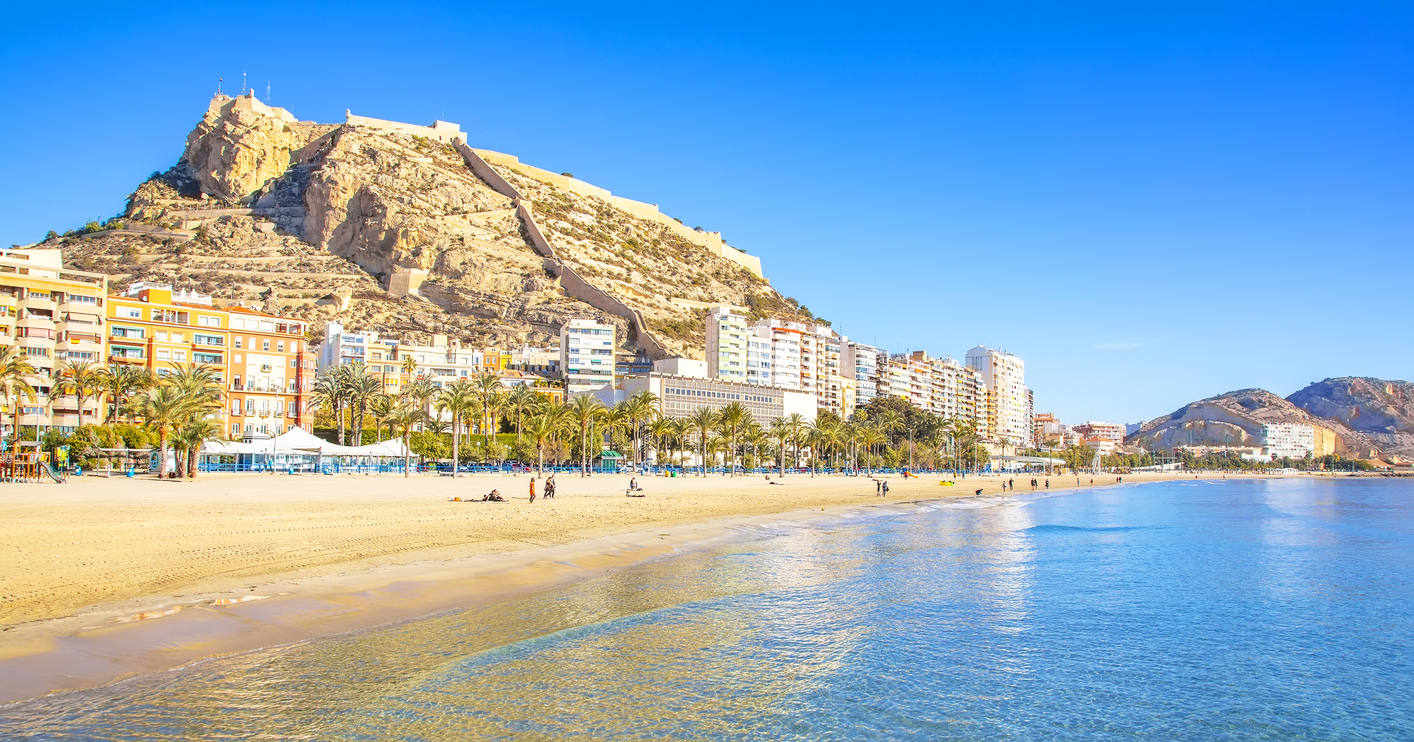
Costa Blanca, stretching over 200 kilometers along Spain’s southeastern coast, is renowned for its crystal-clear waters, white sandy beaches, and mix of cosmopolitan amenities with authentic charm. Its strategic location, bordered by the Mediterranean Sea and dotted with lively towns such as Alicante, Benidorm, and Altea, makes it a perennial favorite among both national and international homebuyers.
Demographic Trends & Lifestyle Appeal
Recent demographic trends show a surge in permanent relocations, with many choosing to escape urban centers or colder climates for Costa Blanca’s year-round sunshine. Enhanced digital connectivity and remote work opportunities have catalyzed this shift, allowing buyers from Northern Europe, the United Kingdom, and Scandinavia to embrace Mediterranean living without sacrificing career prospects.
Local infrastructure improvements—state-of-the-art healthcare, prestigious international schools, golf resorts, and wellness facilities—are transforming Costa Blanca into a dynamic, family-friendly, and cosmopolitan area, while retaining its timeless Spanish allure.
Property Types: A Wide Spectrum of Choices
From opulent seafront villas to modern, eco-friendly apartments, Costa Blanca offers a remarkable diversity of properties. This variety meets the needs of retirees seeking tranquility, young families prioritizing education and safety, and investors eyeing high rental yields in tourist-centric locations.
- New Developments: Contemporary design, energy efficiency, and smart-home technology define recent construction projects serving the evolving preferences of international buyers.
- Historic Homes: Renovated fincas and traditional townhouses in villages like Altea and Jávea capture those seeking a harmonious blend of old-world charm and modern comfort.
- Penthouses & Luxury Estates: Panoramic Mediterranean views and exclusive amenities attract discerning buyers to select enclaves, creating a robust luxury market.
Spotlight on Málaga: The Jewel of the Costa del Sol
Málaga’s Meteoric Rise
Once overlooked in favor of glitzier Marbella, Málaga has rapidly become one of Spain’s most dynamic cities. Its historical center brims with art, culture, and culinary delights, while the coastal strip features an expanding array of residential and holiday properties. Málaga’s airport serves as an international gateway, further integrating the region into the global economy.
What distinguishes Málaga is its fusion of tradition and innovation: the city hosts major technology investments and creative industries, alongside a reverence for Andalusian heritage.
Key Neighbourhoods and Hotspots
Several neighborhoods and surrounding towns are fueling Málaga’s real estate renaissance:
- Centro Histórico: The revitalized old town balances historic architecture with innovative urban living solutions.
- Este & Pedregalejo: Ideal for families, these coastal neighborhoods offer proximity to the sea, excellent schools, and tranquil surroundings.
- Torremolinos & Benalmádena: Traditionally touristic yet increasingly appealing for permanent residency and international buyers, thanks to recent infrastructure and urban planning upgrades.
Inland villages and ‘pueblos blancos’ near Málaga are also witnessing an uptick in inquiries from buyers seeking authenticity, scenic landscapes, and better value.
Málaga’s Real Estate Portfolio
- High-Rise Apartments: Urban professionals prefer modern city-center condos with amenities like pools, gyms, and proximity to nightlife.
- Luxury Villas: Along the ‘Golden Mile’ and foothills, expansive properties provide privacy and panoramic sea or mountain views.
- New-Build Gated Communities: Offering security, integrated wellness centers, and landscaped gardens popular with families and retirees alike.
Market Data & Analytical Insights: What the Numbers Reveal
Property Valuations: Trends Through 2025
Market analytics reveal that both Costa Blanca and Málaga are outperforming Spain’s national averages in price appreciation and transaction volume. In 2024, property prices rose between 8-13% in these regions, with momentum expected to continue through 2025 due to constrained supply and mounting demand.
- Costa Blanca: Alicante, in particular, has seen a consistent uptick in resale property volume, while new developments fetch premium prices in Benidorm and Orihuela Costa.
- Málaga: The city and its coastline are recording double-digit annual growth, fueled by both international and local investment.
Forecasts suggest the following key trends will characterize the 2025 market:
- Growing demand for sustainable and energy-efficient homes
- Preference for open-plan layouts and outdoor living spaces
- Continued urban regeneration in coastal cities
- High rental yields in tourist hotspots and short-term holiday lets
International Buyer Impact
International buyers account for over 30% of property transactions in the Costa Blanca and nearly 28% in Málaga, with numbers expected to rise. British, Scandinavian, German, Dutch, and French investors make up the bulk of this demographic, but interest from North America and the Middle East is increasing as global mobility resumes.
Foreign purchases have an outsized impact on the upper end of the market and on the speed of new development launches, driving inventory modernization and price resilience.
Key Drivers Behind the Costa Blanca and Málaga Surge
1. Favorable Climate and Natural Beauty
An enduring magnetism for buyers is the enviable Mediterranean climate—over 300 days of sunshine annually and mild winters. Both regions offer a coastline dotted with blue-flag beaches, mountain backdrops, and scenic countryside. Outdoor living, golf, sailing, and wellness are woven into the fabric of everyday life, which is a substantial draw for lifestyle-hungry buyers.
2. Infrastructure and Connectivity
Major investments have streamlined travel and mobility. Efficient high-speed rail links, expanded flight connections, and improved road networks make both regions accessible, not only from within Spain but across Europe and beyond.
- Costa Blanca is served by Alicante and Murcia airports, each offering hundreds of direct international flights.
- Málaga–Costa del Sol Airport is the fourth busiest in Spain and serves as a primary hub for the south of the country.
3. Lifestyle, Wellness, and Culture
Exquisite gastronomy, a thriving arts scene, year-round festivals, and top-tier golf resorts are just the beginning. Health and wellness tourism is booming, with world-class spas, fitness centers, and organic markets proliferating along the costas. International schools and bilingual education draw young families, solidifying the appeal for long-term residency.
4. Cost Competitiveness and Value Proposition
Despite the impressive growth, property in both Costa Blanca and Málaga remains significantly more affordable than comparable coastal regions in Italy, France, or Portugal. Lower transaction and holding costs, coupled with Spain's relative political and economic stability, make these regions a savvy investment choice.
Investment Strategies in the 2025 Market
Primary and Secondary Residences
Buyers are increasingly viewing property in Costa Blanca and Málaga either as a primary residence for lifestyle enhancement or as a dual-purpose home to be enjoyed and rented seasonally. The flexibility of short-term and long-term rental markets, particularly in tourist-rich zones, underpins outstanding income opportunities.
Buy-To-Let and Holiday Rentals
The surge in digital nomads, retirees, and holidaymakers has turbocharged the buy-to-let market. Licensing regulations vary by municipality, so proper guidance is crucial. In return, investors often enjoy gross yields ranging from 5% to 10% annually, alongside strong capital appreciation.
Managed holiday rentals, particularly beachfront, golf resort, or city-center apartments, are in highest demand. As travel demand rebounds in 2025, occupancy rates continue to exceed pre-pandemic levels.
Capital Growth and Portfolio Diversification
Trend-savvy investors understand the enduring appeal and resilience of Spanish real estate as an asset class. Costa Blanca and Málaga provide a hedge against inflation, portfolio diversification, and the potential for significant capital gains—a tangible, lifestyle-enriching alternative to volatile stocks or underperforming bonds.
Legal Framework and Regulations: Navigating the Process
The Purchase Process Unveiled
Spain’s property acquisition process is straightforward, provided buyers seek professional advice and comply with local legal standards. This includes obtaining a NIE (Foreigner Identification Number), thorough due diligence on property titles, and engaging a qualified notary to oversee deeds and registration.
- Reservation & Deposit: Signing a reservation contract and transfer of an initial deposit (often 10%) to secure the property.
- Search and Due Diligence: Examination of legal title, encumbrances, and compliance by a legal expert.
- Contract Signing: Execution of the public deed of sale at a notary and payment of the full purchase price.
- Registration: Recording the purchase in the Land Registry and settling taxes and fees.
Taxation and Holding Costs
Buyers are subject to various one-time and ongoing costs, including transfer taxes (for resale), VAT (for new builds), notary and registry fees, and annual property and municipal taxes. However, these are generally lower than many other European destinations, adding to the regions’ financial appeal.
- Transfer Tax (ITP): Typically 7-10% depending on the region and property value.
- VAT (IVA) and Stamp Duty: On new property purchases, usually 10% plus a small percentage for stamping.
- Annual IBI: Local property tax, amounting to a modest percentage of cadastral value.
Golden Visa and Residency Options
Property investments of €500,000 or more may confer eligibility for Spain’s Golden Visa scheme, granting residency rights to non-European buyers and their families. This program continues to fuel demand at the upper end of the market, while other residency options—like the digital nomad visa—open Spain’s doors to freelancers and remote professionals.
Sustainable Development and Smart Living
Green Building Initiatives
Eco-conscious building practices are shaping new developments throughout both Costa Blanca and Málaga. Features like solar panels, efficient insulation, and water recycling systems are now standard in many new homes. Buyers are not just focused on aesthetic or location—they increasingly demand properties that provide lower utility costs and minimal environmental impact.
Smart Home Technology Integration
Many contemporary launches integrate smart home technology, from automated climate control to sophisticated security systems and app-based management of utilities. These conveniences enhance daily living and appeal to tech-savvy buyers and tenants.
Community and Social Infrastructure
Developers and planners prioritize communal spaces, integrating parks, pedestrian walkways, clubhouses, and wellness centers into master-planned communities. This fosters a sense of belonging, social connectivity, and overall well-being—key considerations for modern buyers.
Cultural Hotspots and Lifestyle Touchstones
Gastronomy and Leisure
Both Costa Blanca and Málaga are celebrated for their vibrant food scenes—ranging from Michelin-starred restaurants to humble beachside chiringuitos. Fresh seafood, local wines, and farm-fresh produce are at the heart of local culinary culture.
In Málaga, food markets like Atarazanas offer epicurean delights, while Costa Blanca’s dining scene spans international fusion and traditional tapas eateries, appealing to cosmopolitan tastes.
Festivals, Arts, and Entertainment
From Alicante’s famous Hogueras de San Juan fire festival to Málaga’s charismatic Holy Week parades and burgeoning film scene, both regions offer a rich tapestry of events throughout the year. Art museums, jazz festivals, and flamenco performances reinforce the cultural depth and diversity that underpin each region’s enduring appeal.
Sport and Outdoor Adventure
Golfers revel in the ‘Costa del Golf,’ with dozens of championship courses. Sailing, hiking, and cycling are everyday pursuits thanks to the scenic infrastructure and favorable climate. Wellness tourism, including yoga retreats and spa getaways, bolsters the region’s reputation among health-conscious buyers.
Urban Regeneration and Future Development
City Revitalization Projects
Municipalities across Costa Blanca and Málaga have invested significantly in urban renewal initiatives: restoring historic quarters, expanding green spaces, and improving public amenities. These projects attract new residents, businesses, and tourism, driving demand for residential property.
Transport and Mobility Enhancements
Expansion of tram and light rail networks, port enlargement, and cycling infrastructure underpin ongoing growth. Improved logistics and urban mobility have also contributed to higher rental demand and the desirability of both primary and secondary residences.
Upcoming Mega-Projects
Several ambitious developments—including luxury marinas, technology parks, and new residential precincts—are scheduled through 2025 and beyond. These projects are expected to elevate property values, support sustained demand, and further cement the region’s leading role in the Spanish property market.
The International Perspective: Who is Buying and Why?
European Buyers
British, German, Dutch, French, and Scandinavian buyers have long flocked to Costa Blanca and Málaga, lured by favorable climates, cultural affinity, and a welcoming expat community. The ease of travel, robust healthcare, and affordability relative to home markets add further justification to these buyers’ ongoing interest.
Emerging Global Demographics
The post-pandemic era has seen new nationalities entering the market, notably from the United States, Canada, and Middle Eastern countries. Work-from-anywhere trends and Spain’s digital nomad visa have also increased interest among remote professionals from around the globe.
Lifestyle Migrants and Families
There is a rising proportion of buyers relocating with families, appreciating the international schools, safety, and recreational offerings available. Cities and coastal towns alike cultivate welcoming environments for children, retirees, and multi-generational households.
Challenges and Risk Factors
Supply Constraints
While demand is robust, both Costa Blanca and Málaga face limitations in developable land, especially in prime beachside or city-center locations. Zoning and environmental restrictions may constrain the supply of new inventory, putting upward pressure on prices but also reinforcing the value of existing properties.
Regulatory Changes
Occasional shifts in local permitting, taxation, or rental licensing regulations can affect returns and rental market fluidity. Buyers must stay informed and work with reputable professionals to mitigate legal risks.
Economic Headwinds
While Spain’s recovery is broadly on track, global economic factors—such as interest rate movements and currency fluctuations—could impact demand cycles, especially among non-EU buyers. However, the fundamental lifestyle and value proposition are expected to sustain long-term interest.
Case Studies: Success Stories from Costa Blanca and Málaga
Transformative Urban Renewal: Alicante’s Rise
Alicante, once a seasonal tourist destination, has evolved into a year-round hub, driven by citywide regeneration and improved amenities. International residents now account for a significant portion of the market, supporting property price resilience and spurring innovative township developments along neighboring beaches.
Lifestyle Reimagined: New-Build Communities in Benalmádena
Benalmádena boasts a variety of new residential enclaves, from hillside smart villas to urbanized apartments with community-centric green spaces. These communities appeal to both retirees and young families, offering security, leisure, health, and education in one integrated setting.
The Rural Renaissance: Inland Málaga and Costa Blanca
Buyers are rediscovering the tranquil charm of interior villages, drawn by lower costs, tradition, and the promise of a slower pace. Innovative remote working hubs and rural revitalization incentives are generating interest in historic homes, bolstered by modern conveniences and fast internet.
2025 and Beyond: The Outlook for Costa Blanca and Málaga
Continued Demand and Price Momentum
Property prices in both regions are forecast to maintain above-average growth thanks to the interlocking drivers of lifestyle migration, global mobility, and supply resilience. Both regions’ global reputations for quality living, culture, and climate foresee unabated demand, particularly for premium segments and well-situated new developments.
Long-Term Resilience
Spain’s southern coasts have proven their ability to ride out cyclical market fluctuations, rebounding swiftly thanks to consistent international demand and adaptive local economies. With smart infrastructure investments and sustainable planning underway, this trend seems set to continue well beyond 2025.
Investment and Lifestyle Synergy
The winning formula in Costa Blanca and Málaga remains their ability to provide both tangible investment returns and an elevated Mediterranean lifestyle. Whether seeking a capital growth vehicle or a personal retreat with golden sunsets, buyers continue to find exceptional opportunities.
Finding Your Place in Spain’s Property Boom
Partnering with Local Expertise
For buyers considering entry into Costa Blanca or Málaga’s fast-moving market, the importance of local expertise, thorough due diligence, and personalized guidance cannot be overstated. Every buyer’s needs are unique—whether motivated by investment, second-home aspirations, or full relocation.
The Value of a Holistic Approach
Navigating purchasing processes, legal obligations, and local market nuances requires a comprehensive view. Working with professionals familiar with these locations ensures access to the finest properties, from off-plan opportunities to iconic Spanish villas and modern apartments. This partnership protects clients from pitfalls and unearthed opportunities in Spain’s hottest regions.
Frequently Asked Questions About Costa Blanca and Málaga’s Property Markets
- Q: How can I finance a property in Spain as a non-resident?
A: Spanish banks offer non-residents mortgages of up to 70% of valuation, though terms vary. Lending is competitive, and financing, along with legal and tax advice, should be organized early in the process. - Q: What are the future prospects for short-term holiday rentals?
A: The robust tourism rebound indicates strong ongoing demand for holiday lets. Municipal licensing regulations must be followed, but well-located, accredited properties continue to achieve high occupancy and returns. - Q: Are there restrictions on foreign buyers in Spain?
A: Spain welcomes non-citizens purchasing property. The primary requirements involve registering a NIE and complying with tax and legal frameworks. High-value investors may qualify for the Golden Visa program, granting additional benefits.
Conclusion: Seizing the Opportunity of 2025
As 2025 approaches, Costa Blanca and Málaga stand at the pinnacle of Spain’s real estate resurgence. With a winning combination of lifestyle, infrastructure, affordability, and future-facing development, these regions offer unmatched potential for homeowners and investors alike.
For those seeking lasting value, cultural richness, and the Mediterranean’s restorative power, now is the time to explore the treasures of Costa Blanca and Málaga. The property boom is not just a trend—it is a testament to these regions’ unique ability to evolve, inspire, and deliver for generations to come.
By aligning ambition, lifestyle, and intelligent guidance, your Spanish property journey can culminate in more than a smart investment—it can unlock a way of life that is as timeless as the sea and as dynamic as Spain itself.