





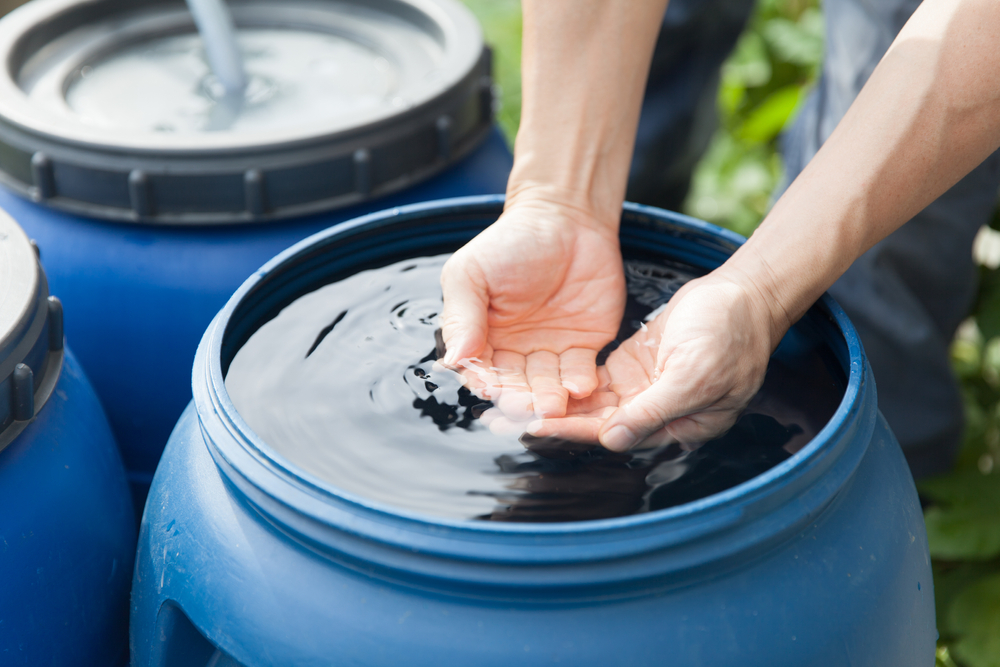
Introduction to Rainwater Collection in Spain
Spain, with its diverse climate and ongoing discussions about water resource management, is an ideal country for exploring sustainable solutions such as regentonnen (rain barrels) and advanced water collection systems. The concept of collecting rainwater is gaining traction, especially in regions faced with high temperatures and scarce rainfall. While the adaptation of these systems is a long-standing tradition in some northern European countries, their potential in the Spanish context is immense, both for individual households and broader community infrastructures. But how beneficial are rainwater collection systems in Spain, and what should homeowners, investors, and developers know before investing in such solutions?
Understanding Spain’s Water Challenges
To appreciate the advantages of rainwater collection, one must first understand Spain's water management challenges. Approximately 70% of Spain is subject to periodic droughts, especially in the southern and eastern provinces such as Andalusia, Murcia, Valencia, and Catalonia. Water scarcity, regulation, and the rising cost of supply put increasing pressure on private individuals and the public sector alike to manage resources more efficiently.
Additionally, with climate change intensifying, the unpredictability of rainfall patterns means water can be abundant for short periods but absent when needed most. Residential and commercial properties are heavily reliant on municipal supplies, which occasionally face restrictions. As a result, supplementary solutions such as regentonnen and more sophisticated water catchment infrastructures are attracting attention.
Advantages of Rainwater Collection Systems
The utilization of regentonnen and rainwater collection systems offers a multitude of benefits, both for individual users and the wider community. Among the primary advantages are:
- Water Cost Savings: Collecting rainwater reduces reliance on municipal supplies, translating into notable savings over time, particularly in areas with high water tariffs.
- Environmental Sustainability: Diverting rainwater reduces pressure on groundwater sources and supports more sustainable landscaping and gardening practices.
- Flood Mitigation: By capturing water during downpours, these systems help prevent local flooding and soil erosion around properties.
- Resilience During Droughts: Stored rainwater serves as an invaluable reserve during periods of restricted supply.
- Improved Plant Health: Rainwater, being softer and free from chemical treatments, is often better for gardens and landscaping than treated tap water.
Implementing water catchment solutions is not just about cost but about building a resilient, environmentally responsible property.
Types of Rainwater Collection Systems
Rainwater harvesting systems in Spain range from the most basic container—the traditional regenton (rain barrel)—to advanced setups outfitted with pumps, filters, and underground storage tanks. Understanding these options and their features allows property owners to select the most appropriate system for their needs:
- Regenton (Rain Barrel): The classic solution, often made of durable plastic or wood, placed underneath the drainage spouts to collect run-off from roofs. Ideal for homeowners wishing to water gardens or clean patios.
- Above-Ground Storage Tanks: Larger, sometimes decorative, storage vessels designed for higher capacity and ease of use.
- Underground Cisterns: Discretely installed beneath gardens or driveways, these systems offer vast storage capacity and are suitable for larger properties or those requiring water for irrigation, toilets, or laundry.
- Integrated Filtering Systems: Many modern installations include filtration units to remove debris, pollutants, and even bacteria, enabling the use of stored water for more sensitive applications.
- Automated Irrigation Connections: Sophisticated setups can be connected directly to irrigation systems for fully automated garden watering, even during the owner's absence.
Regardless of the chosen solution, it is vital to consider local climatic conditions, property size, roof surface area, and intended water uses when selecting water collection systems.
Key Considerations Before Installation
Before embarking on the installation of a rainwater collection system in Spain, several critical factors need evaluation:
- Legal Regulations: While rainwater harvesting is widely encouraged, regional regulations may govern aspects such as the maximum tank volume, system placement, filtration requirements, and usage. It is essential to consult local authorities to ensure compliance.
- Roof Suitability: The type of roofing material affects water quality. For instance, certain paints or treatments may release toxins, which could limit the applications for collected water.
- Storage Capacity: Determined by rainfall frequency and intended use. Excessively small containers will overflow, while overly large tanks may be underutilized.
- System Maintenance: Ensure provision for regular cleaning of storage units, gutters, and filters to prevent blockages and bacterial growth.
- Aesthetic and Space Constraints: In high-end properties, visual integration and minimal impact on outdoor areas are vital considerations.
Evaluating these points before purchasing or installing a system will maximize benefits and longevity while ensuring ongoing satisfaction for property owners.
Selecting the Right System for Your Spanish Property
Choosing a rainwater collection system begins with a thorough assessment of the property’s characteristics and the owner’s objectives. Here are the main criteria to guide your decision:
- Roof Area and Material: The greater the roof area, the higher the potential yield. Tiled and metal roofs are particularly efficient at water runoff, while flat or green roofs typically produce less.
- Annual Rainfall Data: Areas like Galicia or the Basque Country receive significantly more rainfall than Murcia or Almería. Review historical precipitation records to determine expected volumes.
- Intended Use: Will rainwater be dedicated solely to garden irrigation, or will it also support interior needs such as toilet flushing or laundering? Each use case demands different levels of filtration and storage.
- Available Space: Compact urban properties may benefit most from above-ground solutions, whereas rural estates can incorporate subterranean cisterns without sacrificing usable garden space.
- Budget: Cost considerations range from low for entry-level barrels to higher investments for automated, multi-purpose systems with advanced treatment.
By clarifying these criteria, property owners and decision-makers can select a solution that is perfectly tailored to their lifestyle and property demands.
Legal and Regulatory Framework in Spain
Spanish water legislation predominantly aims to safeguard national resources. Most of the rules regarding rainwater collection fall under regional or municipal jurisdictions, particularly where water scarcity is acute. Key areas governed by law include:
- Permits and Notification: In some regions, installing large storage tanks may require informal notification or official permitting, particularly for systems exceeding a stipulated capacity.
- Water Quality Standards: If collected rainwater is fed into household plumbing for uses beyond irrigation (e.g., for toilets or cleaning), strict filtration and backflow prevention requirements often apply.
- Surface Runoff Management: Regulations often direct how property owners must manage surface runoff, especially to prevent downstream flooding or pollution.
- Community Systems: In communal buildings or developments, rainwater harvesting may be incentivized or, in some cases, obligatory for new projects.
It is, therefore, worthwhile to consult with experienced professionals familiar with local regulations and best practices before installing a rainwater capture system.
Practical Installation Guide: Step-By-Step
Installing a rainwater harvesting solution does not have to be complex if approached methodically. Below is a detailed step-by-step guide to help homeowners and property managers plan and execute their projects:
- Site Survey and Measurement: Begin by calculating the total roof surface available for catchment and identifying the optimal location for guttering and tank placement. Consider sun exposure, ease of access, and movement of garden machinery.
- System Purchase: Acquire a regenton or system suitable for your intended volume. Quality materials such as UV-resistant plastics or stainless steel ensure longevity and safety.
- Gutter Preparation: Clean and, if necessary, upgrade guttering to ensure efficient channeling of rainwater to the collection point. Fit leaf guards or mesh screens to prevent blockages.
- Installation of Inlet Filters: Install pre-filters between downpipes and storage to remove leaves, debris, and larger particulates before water enters the tank.
- Positioning the Tank: Ensure the base is firm, level, and, in the case of surface units, slightly elevated to take advantage of gravity for water flow. For underground tanks, excavate and install according to manufacturer’s specifications.
- Making Connections: Connect downpipes securely, and install any required overflow mechanisms leading to approved drainage or secondary storage as needed.
- Optional Pump and Filter Installation: If serving indoor systems or automated irrigation, set up appropriate filters, UV sterilizers, and pumps.
- Testing: Once assembled, conduct a thorough test during rainfall (or with a hose) to check for leaks, clogs, or inefficiencies in the system.
- Maintenance Plan: Establish a schedule for periodic cleaning and inspection to ensure system performance and water quality.
Following these steps minimizes the risk of complications while ensuring maximum benefit from your investment.
Water Usage: From Gardens to Domestic Applications
Collected rainwater boasts remarkable versatility. In the Spanish context, the most common uses include:
- Garden Irrigation: Lawns, flower beds, vegetable patches, and potted plants thrive on natural, mineral-rich rainwater. Delivering water directly from tanks using drip irrigation maximizes efficiency.
- Outdoor Cleaning: Patios, driveways, garden tools, and even bicycles can be cleaned with non-potable collected water, reducing overall consumption of treated household water.
- Pond and Pool Top-Ups: In properties with decorative water features or swimming pools, collected rainwater helps maintain levels during dry periods.
- Domestic Use: Advanced systems, with suitable treatment, can supply toilets, washing machines, and cleaning systems indoors — thereby dramatically reducing demand on potable water supplies.
It's important to install safety features and comply with local guidelines when considering interior applications, to avoid the risk of cross-contamination with mains water.
Economic, Environmental, and Social Impact
The benefits of rainwater harvesting in Spain are not merely personal. At a broader scale, these systems provide:
- Significant Economic Savings: Households and businesses report reductions in municipal water bills, particularly during the high-demand summer months.
- Environmental Conservation: By supplementing potable water with captured rain, less strain falls on aquifers and reservoirs, which are crucial during prolonged droughts.
- Community Resilience: Widespread adoption can mitigate the impact of water restrictions on local communities, preserving green spaces and promoting biodiversity in urban environments.
From the perspective of eco-conscious buyers, homes featuring rainwater collection features are increasingly sought after, enhancing both property value and marketability.
Technological Innovations: Smart Rainwater Systems
Recent advancements in “smart” technology have revolutionized the market. Contemporary water collection systems now integrate digital sensors, automation, and remote management tools:
- Level and Flow Sensors: Digital monitoring of tank volume provides real-time status reports via smartphone apps or home automation systems.
- Automated Watering Schedules: Programmed to irrigate only at optimal times, minimizing evaporation and waste.
- Cloud-Based Weather Integration: Some advanced models access local weather forecasts online, automatically adjusting irrigation schedules according to coming rainfall or drought predictions.
- Leak Detection and Maintenance Alerts: Embedded sensors identify system anomalies, notifying owners when cleaning or repairs are needed.
Such innovations render water management seamless, efficient, and highly attractive to the modern homeowner.
Case Studies: Rainwater Harvesting Across Spain
Numerous projects across the country exemplify the successful implementation of water capture techniques:
- Urban Terraces in Barcelona: Compact rooftop barrel installations allow apartment dwellers to nurture urban gardens despite strict municipal watering schedules.
- Eco-Communities in Málaga: Newly built housing developments regularly incorporate underground cisterns of several thousand liters, providing irrigation for communal green areas even during rationing periods.
- Heritage Estates in Castilla-La Mancha: By blending traditional stone tanks with modern filtration, rural mansions maintain orchards and lawns without burdening regional aquifers.
- Municipal Parks in Valencia: City authorities have adopted large-scale systems, supplementing official water supply, demonstrating the potential for widespread urban agriculture and environmental stewardship.
Their experiences confirm the adaptability of regentonnen and state-of-the-art water capture systems within the varied Spanish landscape.
Maintenance and Health Considerations
Long-term satisfaction with any water collection system depends on responsible maintenance and a clear understanding of potential health risks. Recommended practices include:
- Regular Cleaning: Biannual tank and gutter cleaning prevent microbial growth and unpleasant odors.
- Pest Prevention: All inlets and overflow pipes should be tightly screened to prevent mosquito breeding and rodent access.
- Algae and Biofilm Control: Placing surface tanks in shaded locations and choosing opaque materials reduce sunlight penetration, retarding algae growth.
- Water Testing: Periodically evaluate water quality if used for any indoor purpose, addressing contamination issues promptly.
- Safety Signage: Ensure tanks are clearly marked “non-potable” unless they meet regional potability standards after advanced treatment.
With straightforward upkeep and observational diligence, regentonnen deliver years of reliable service with minimal risk.
Rainwater Harvesting and Spanish Property Value
Rainwater collection systems are increasingly significant in real estate, especially among discerning buyers prioritizing sustainability. Their main contributions to property value include:
- Enhanced Green Credentials: Properties demonstrating self-sufficiency appeal to environmentally conscious purchasers, especially in coastal or rural areas experiencing resource shortages.
- Future-Proofing Against Regulation: Prospective restrictions on water use make homes equipped with supplementary supplies inherently more attractive.
- Reduced Operating Costs: Lower utility bills and tax incentives associated with sustainable homes provide quantifiable returns on investment.
- Modern Aesthetic and Automation: Sleek, smart integration appeals especially to buyers in the luxury segment, prioritizing technology and ease of use.
Whether for private enjoyment, rental appeal, or long-term marketability, rainwater harvesting is a prudent addition to any Spanish property.
Financing and Incentives: Making it Affordable
The initial cost of installation sometimes deters homeowners from adopting rainwater harvesting solutions. However, a variety of financial mechanisms and potential incentives exist:
- Regional Grants: Some Spanish provinces or municipalities offer grants or subsidies for installing environmentally friendly water and energy systems as part of sustainable development programs.
- Tax Incentives: Certain tax reductions or credits may apply to upgrades that improve property sustainability.
- Low-Interest Loans: Banks and “green” finance providers sometimes offer favorable loan conditions for energy and water-efficiency improvements.
Additionally, the running and maintenance costs of regentonnen are minimal, ensuring continued returns long after the initial investment is recouped.
FAQs and Common Misconceptions
Q: Will a regenton provide enough water for my entire garden? A: It depends on your garden’s size, annual rainfall, and your storage capacity. In drier areas, supplementary irrigation may still be needed, but most systems can dramatically reduce overall water consumption.
Q: Is collected rainwater safe for drinking? A: Only if treated with adequate filtration, UV or chemical sterilization, and when originating from appropriate roof surfaces. Otherwise, rainwater is typically used for non-potable applications.
Q: Are these systems high-maintenance? A: No. With proper initial installation and periodic cleaning, most require little attention beyond routine checks.
Q: Do I need permission from my local municipality? A: Sometimes, particularly for large-scale or underground tanks. Always verify with your town hall to ensure compliance.
Q: Will this affect the aesthetics of my property? A: Many modern regentonnen offer attractive, discreet designs, and underground options are virtually invisible once installed.
The Future of Water Harvesting in Spain
Spain’s trajectory toward sustainable resource management is inevitable. As the country grapples with climate change, population growth, and evolving regulations, the adoption of private and municipal water collection systems will become increasingly central to daily life and responsible development.
Emerging properties, from high-end villas to urban apartments, can integrate customized water solutions as part of a holistic approach to eco-living. Similarly, existing homes can be retrofitted with a range of options to suit every budget, aesthetic preference, and water need.
Above all, rainwater harvesting demonstrates not only a commitment to environmental stewardship, but also a sophisticated, strategic approach to property management and future-proof investment.
Conclusion: A Smart Choice for Modern Spain
Rainwater collection is not merely a trend in Spain; it is an increasingly essential aspect of contemporary property ownership, sustainability, and resilience. From straightforward regentonnen to comprehensive automated systems, the benefits are as clear as a Mediterranean sky: economic savings, environmental protection, drought resilience, enhanced property value, and day-to-day convenience.
Adopting rainwater harvesting solutions in Spain is indeed a “slim idee”—a smart idea—for all those who care about resource efficiency, environmental impact, and long-term value. Whether you seek to green your garden, reduce municipal water reliance, or enhance your property’s desirability, a well-designed water collection system is an investment in a cleaner, brighter Spanish future.