





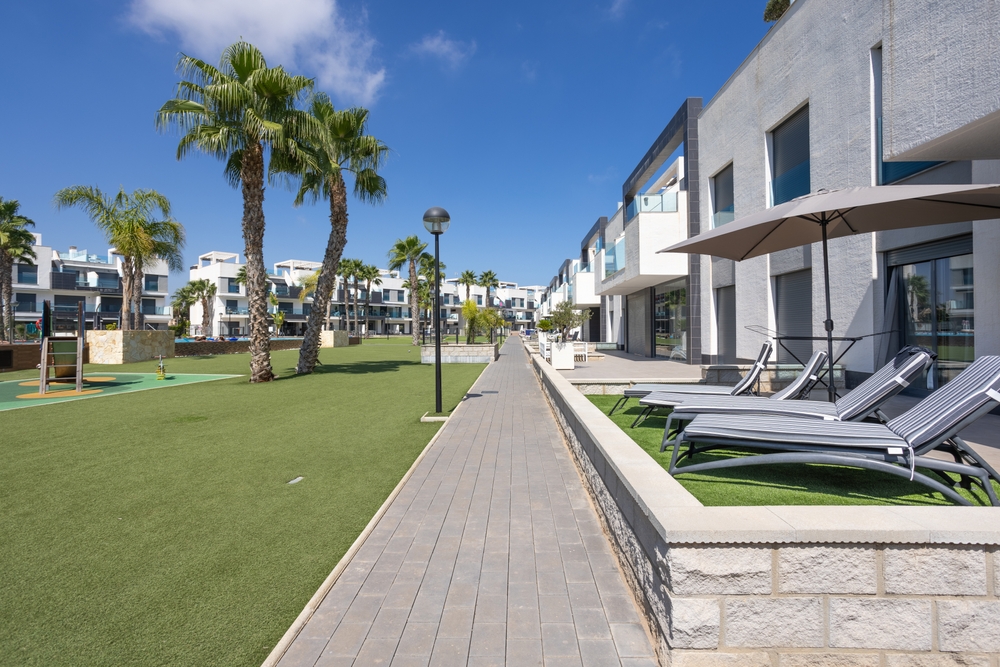
Why Rent in the Costa Blanca?
Renting in the Costa Blanca offers an enticing opportunity for those seeking an idyllic Mediterranean lifestyle. This sun-soaked stretch of Spain’s southeastern coastline is renowned for its golden beaches, azure seas, lush hinterlands, and picturesque towns. If you’re considering a move or an extended stay, you’ll find that Costa Blanca boasts a unique blend of modern comfort, traditional charm, and vibrant culture.
The region, stretching from Dénia in the north to Pilar de la Horadada in the south, is famous for its welcoming international communities, safe neighborhoods, and diverse real estate offerings. Whether you’re seeking a luxury apartment with sea views, a cozy village townhouse, or a spacious villa with a private pool, Costa Blanca’s rental market caters to every taste and budget.
Understanding the Costa Blanca Rental Market
To secure your ideal rental property, it’s crucial to understand the local market dynamics. Costa Blanca features a robust selection of properties for both short-term holidays and long-term residence. The demand for rentals surges during the spring and summer months when international visitors flock to the area, often resulting in higher prices and lower availability.
Long-term rentals are increasingly popular for digital nomads, retirees, and families seeking to immerse themselves in Spanish culture while enjoying flexible living arrangements. Rental prices vary significantly by location—sea-view properties in hotspots like Altea, Moraira, or Jávea command premium rents, whereas inland villages offer more affordable options.
The Most Popular Areas to Rent
Choosing the right area is a cornerstone of finding your dream rental in Costa Blanca. Several towns and cities cater to various lifestyles:
- Altea: Known for its whitewashed old town, artists’ quarters, and breathtaking Mediterranean views. Ideal for art lovers and tranquility seekers.
- Jávea (Xàbia): Offers beautiful beaches, top international schools, and a cosmopolitan vibe. Popular among families and professionals.
- Moraira: A sophisticated coastal town with luxury villas and a laid-back ambiance.
- Benidorm: Bustling city life with entertainment, nightlife, and modern apartments—great for those craving vibrancy.
- Dénia: A historic port city with a mix of traditional and contemporary living.
- Villajoyosa: Known for its colorful seafront homes and authentic Spanish culture.
Each area has its distinct personality and amenities, making it essential to reflect on your priorities—be it proximity to international schools, tranquility, nightlife, or easy beach access.
Types of Rental Properties Available
Costa Blanca’s property portfolio is as diverse as its scenery. Understanding your options will help you define your search:
- Apartments and Penthouses: Typically located near town centers or beachfronts. Penthouses often provide panoramic views.
- Townhouses: Often situated in historic quarters, offering a balance between community living and privacy.
- Villas and Chalets: These detached homes usually feature gardens, private pools, and generous living spaces. Ideal for those seeking seclusion and luxury.
- Bungalows: One-level homes suitable for retirees or families with young children.
- Country Fincas: Rural estates surrounded by orchards and olive groves—perfect for nature lovers.
Decide whether you prefer furnished, semi-furnished, or unfurnished options. Furnished rentals offer convenience, especially for short-term stays or relocators without their own furniture.
Setting Your Budget: What to Expect
Establishing a clear budget is essential. Rental prices fluctuate depending on the season, property type, condition, and location.
- Coastal hotspots: Expect to pay premium rates, particularly for seafront properties with high-end finishes and amenities.
- Inland villages: More budget-friendly, and you can often secure larger properties for less.
Generally, prices for long-term rentals (minimum 6-12 months) range from:
- Apartments: €500 - €1,500+ per month depending on size and proximity to the sea.
- Townhouses: €700 - €2,000 per month.
- Villas: €1,200 - €5,000+ per month. Ultra-luxury properties can reach much higher rates.
Short-term holiday rentals tend to carry a surcharge, especially in July and August. It’s advisable to clarify exactly what’s included in the rent—sometimes utilities, internet, and community fees are charged separately.
Defining Your Priorities: Creating a Wish List
Before you start searching, outline your non-negotiables and preferences. Consider the following questions:
- What is your ideal location? Coastal, countryside, close to schools or amenities?
- What property type suits your lifestyle? Apartment, villa, townhouse?
- How many bedrooms and bathrooms do you need?
- Is parking essential?
- Do you require a pool or garden?
- Are pets allowed?
- Accessibility requirements: Ground floor, elevator, wheelchair access?
- Budget limit: What is your maximum comfortable monthly rent?
Write down your must-haves versus nice-to-haves. This clarity helps you stay focused, cuts down hours of fruitless viewing, and streamlines communication with your real estate consultant.
The Rental Process Step-by-Step
1. Initial Exploration
Start by familiarizing yourself with the region. Virtual tours, area guides, and local forums can be invaluable at this stage. Visit areas in person if you can—sometimes the ambience or convenience of an area only becomes apparent when experienced firsthand.
2. Property Search
Based on your wish list, begin viewing available properties. Work closely with a reputable agency to gain access to curated options that match your needs. Professional agents provide local insight and can explain nuances like community regulation and typical lease terms.
3. Viewings
Schedule property viewings at various times of day to assess sunlight, noise, and general surroundings. Take note of details like maintenance, renewable energy sources, heating/cooling systems, and the quality of furnishings. Don’t hesitate to ask for floor plans and official documentation.
4. Making an Offer
If you find a property that suits you, notify your agent promptly. Rental demand can be high and homes often get snapped up quickly. You may be asked to provide a reservation fee (seña) to secure the property pending contract finalization.
5. Reference and Documentation
Typical documents required include your passport or ID, proof of income or employment, previous landlord references, and sometimes a deposit equivalent to one or two months' rent. Non-EU citizens should ensure their visas and residency documents are valid.
6. Contract Review and Signing
The rental contract outlines the terms, including rent amount, payment schedule, included utilities, and duration. Read everything carefully, ideally with a professional advisor if you’re unfamiliar with Spanish legal terminology. Once satisfied, both parties sign and you pay the deposit and first month’s rent.
7. Handover and Inventory
Upon collecting keys, complete an inventory and walkthrough checklist, noting the property’s condition and any existing damage. This step is vital for a smooth return of your deposit at the end of the lease.
Understanding Rental Agreements and Legal Considerations
Spanish rental contracts (contrato de arrendamiento) are governed by the LAU (Ley de Arrendamientos Urbanos). It’s important to ensure your agreement is fair, transparent, and aligns with current law.
- Contract duration: Typically one year with renewing options in long-term contracts; shorter stays are possible for holiday lets.
- Deposit: Usually one month’s rent; sometimes more for furnished homes or when pets are involved.
- Notice period: Standard notice is 30 days, but always confirm what is stipulated in your contract.
- Inventory and insurance: A detailed inventory protects both parties. Consider tenant liability insurance for peace of mind.
Should disagreements arise, mediation is favored before legal proceedings. Utilize professional assistance for contract review to ensure your interests are protected.
Essential Documents and Requirements
To successfully rent a property, you’ll typically need:
- Photo ID (passport or NIE/residency card)
- Proof of income or employment—this can be payslips, work contracts, pension statements, or tax returns
- Reference from prior landlords (helpful but not always mandatory)
- Deposit funds—generally 1-2 months' rent
- Non-EU residents: Valid visa/residence permit
If renting as a company, additional documents such as company registration and authorization for the signatory will be required.
Discuss any extra requirements upfront with your agent to avoid delays and ensure a swift, seamless process.
Navigating Utilities and Community Charges
Rental agreements differ in what they include. Some contracts incorporate community fees and basic utilities, while others leave tenants responsible for set-up and payment. Typical monthly utilities include:
- Electricity
- Water
- Gas (if applicable)
- Internet and TV
- Garbage collection (sometimes covered by local municipal taxes)
Request historical bills to estimate your monthly outgoings. For larger villas with a pool and garden, expect higher water and electricity consumption. Always register utility meters in your name upon move-in to avoid disputes.
Community fees pertain to shared amenities such as pools, gardens, security, and lifts. Clarify if these are included in the rent.
Furnished vs. Unfurnished Properties
The Costa Blanca market caters to both preferences:
- Furnished rentals: These are common in holiday resorts and urban areas. They include all basic furniture, kitchen appliances, and often cutlery, linens, and cleaning equipment. Ideal for shorter stays or relocating tenants.
- Semi-furnished rentals: May include fixed appliances and wardrobes but exclude non-essential items like beds or sofas.
- Unfurnished properties: Often found in long-term or luxury segments, giving you more freedom to personalize your living space.
Evaluate the quality and condition of furnishings—outdated or worn-out pieces can be negotiated for replacement at the beginning of a tenancy.
Short-Term vs. Long-Term Rentals: Which Is Right for You?
Your decision will depend on your lifestyle and needs:
Short-Term Rentals
- Ideal for digital nomads, extended holidays, or those test-driving an area before committing
- Minimum stays often 1-3 months; contracts are more flexible
- Higher monthly cost; inclusive of utilities and services
Long-Term Rentals
- Best for families, retirees, and professionals looking for community integration
- Stays of 6 months or more are typical
- Lower average rent; often excludes utilities
- Stable, renewable contracts allow for security and long-term planning
Discuss options with your agent to determine which scenario offers the best value and lifestyle fit.
Tips for a Successful Rental Experience
- Visit in person whenever possible: Images can be deceiving, and visiting properties lets you feel the atmosphere, assess natural light, and gauge neighborhood appeal.
- Check the technical condition: Inspect plumbing, electrics, air-conditioning, and heating, especially in older buildings.
- Read your contract thoroughly: Make sure you understand payment schedules, timelines, and responsibilities for repairs and maintenance.
- Document the initial state: Take detailed photos and notes of the property on entry; share these with the landlord or agent.
- Maintain open communication: Cultivate a positive relationship with your landlord or management team to resolve issues quickly.
Adapting to Local Life: Cultural Tips for Renters
Integrating into Costa Blanca life is about more than just finding a home—it’s about thriving in a vibrant, multicultural setting. Here are key cultural tips:
- Learn basic Spanish: Knowing essential phrases eases day-to-day interactions and fosters good relations with neighbors.
- Respect traditions: Many coastal towns celebrate unique fiestas and customs—join in to experience genuine local hospitality.
- Understand quiet hours: Afternoon siesta (typically 2-5pm) is respected, especially in residential areas.
- Community gatherings: Tapas evenings, farmer’s markets, and neighborhood fiestas are great opportunities to make friends and network.
With a little effort, you’ll enjoy a warm sense of belonging that makes Costa Blanca feel like home.
Finding Child-Friendly and Pet-Friendly Rentals
Families with Children
- Prioritize homes close to reputable local or international schools. Costa Blanca boasts several, particularly in Altea, Jávea, and Benidorm.
- Check for safety features such as enclosed gardens, alarm systems, and proximity to parks.
- Many developments offer amenities like communal pools and playgrounds designed for family enjoyment.
Renting with Pets
- Verify the landlord’s pet policy before you sign. Some homes and urbanizations are pet-friendly, while others may impose restrictions.
- Seek properties with secure outdoor spaces or nearby walking trails.
- Be upfront about your pet’s size and breed to prevent misunderstandings.
Moving In: Practical Checklist
Once your rental agreement is signed, prepare for a smooth move-in by following this comprehensive checklist:
- Schedule utility transfers into your name, including electricity, water, gas, and internet.
- Arrange home insurance if necessary—this is often inexpensive and offers peace of mind.
- Inspect the property thoroughly and confirm the inventory against the contract.
- Collect and test all keys and remote controls.
- Introduce yourself to neighbors and building management, if applicable.
- Register with your local town hall (empadronamiento) to access municipal services.
- Ensure you have all paperwork on file—signed contract, payment receipts, and utility contracts.
- Locate important features: water shut-off, fuse box, air con controls, etc.
- Test all systems (hot water, heating, internet) and report any issues immediately.
Approaching your move with organization ensures you settle in effortlessly and minimize stress.
Month-by-Month Living in the Costa Blanca
Costa Blanca rewards renters with a rich, year-round lifestyle. Each season brings its own highlights:
- Spring: Wildflowers bloom, local markets burst with fresh produce, and the weather is mild—perfect for hiking and beach picnics.
- Summer: Long, sunny days and bustling beaches. Enjoy water sports, live festivals, and balmy nights on private terraces or beachfront bars.
- Autumn: The crowds thin, sea temperatures remain swimmable, and grape harvests inspire local wine tasting events.
- Winter: The Mediterranean climate means plenty of sunny days. Inland mountain villages are cozy refuges, and it’s a great time for local cuisine and cultural excursions.
Regardless of your chosen property, you’ll be able to enjoy a balanced, outdoorsy, and culturally rich way of life.
Renewing and Ending Your Rental Agreement
A few months before your lease expires, review the renewal mechanism in your contract:
- Renewal: Long-term tenancies often renew automatically unless notice is given. Inform your landlord well ahead of time if you wish to extend.
- Rent increases: These are regulated; check your contract for annual adjustment clauses.
- Notice periods: Standard is 30 days, but some contracts require 60–90 days.
- End-of-lease procedure: Restore the property to its original condition, remove personal effects, and arrange a joint inspection.
If your landlord withholds the deposit for damages, ensure they provide a clear inventory of issues. Most disputes are settled amicably, but professional mediation is available if needed.
Insider Advice for a Smooth Costa Blanca Rental Journey
Long-time expats and locals share the following insights for maximizing your rental experience:
- Book early for high season: The best coastal homes are reserved months in advance.
- Be flexible: Sometimes being open to a larger search radius reveals hidden gems.
- Negotiate respectfully: Landlords appreciate polite, realistic offers—especially for long-term contracts.
- Consult professionals: A trusted real estate agency streamlines every step, from paperwork to property management.
- Network locally: Recommendations from friends, neighbors, or local organizations can unearth exclusive opportunities.
Frequently Asked Questions About Renting in the Costa Blanca
Can foreigners rent property easily?
Yes. Costa Blanca’s rental process is accessible to foreigners. Having a valid ID, proof of income, and sometimes a Spanish bank account speeds up the process.
What are the typical upfront costs?
Expect to pay a one-month deposit, the first month’s rent, and occasionally a small agency fee. Furnished properties or those with pets may require a higher security deposit.
Are utilities included?
Rental terms vary. Always clarify with your agent or landlord which services (if any) are included in the rent.
Is it possible to break a lease early?
It depends on the contract. Early exit usually requires adequate notice and may incur penalties. Communicate any changes in circumstances with your landlord as soon as possible.
Are there laws protecting tenants?
Yes. Spanish law protects both tenants and landlords. Respecting contract terms and Spanish legal requirements ensures a harmonious rental relationship.
Can I register for healthcare and services as a renter?
With a rental contract and town hall registration (empadronamiento), you can access local municipal and public healthcare services. Non-EU residents may need supplementary private health insurance.
Making the Most of Your Costa Blanca Experience
Renting a home in the Costa Blanca is the first step to enjoying all that this extraordinary region has to offer. From savoring the authentic tapas in Altea’s historic streets to basking on Alicante’s golden sands or mingling at Jávea’s vibrant market, every day brings new discoveries. Mountain adventures, serene marina strolls, golf, tennis, and endless water sports await.
The Mediterranean climate, diverse cultural offerings, welcoming international community, and top-notch amenities ensure your rental chapter in Costa Blanca is memorable and fulfilling.
Your Ideal Rental Awaits!
Finding your perfect rental property in the Costa Blanca doesn’t have to be daunting. Start with a clear vision of your priorities, set your budget, and trust in experienced professionals to guide you through every step.
Whether you’re dreaming of a stylish penthouse above the azure waves, a rustic finca among rolling hills, or a family villa with a sparkling pool, the right home is waiting for you.
With careful planning and an open mind, you can turn your dream of Mediterranean living into a vibrant reality—enjoying the lifestyle, sunshine, and unique charm of the Costa Blanca from the comfort of your ideal rental.
Conclusion: Take the First Step Toward Your Costa Blanca Adventure
Renting in the Costa Blanca is more than a housing choice; it’s an entry point to a way of life defined by sun, sea, and authentic culture. By understanding the market, defining your priorities, leveraging expert advice, and embracing the region’s rich atmosphere, you’ll ensure a smooth transition and an enriching experience.
Your dream Costa Blanca home—and an unforgettable chapter in your life—begins with the decision to rent. Let your journey start today, and embrace the Mediterranean lifestyle you’ve always imagined.