





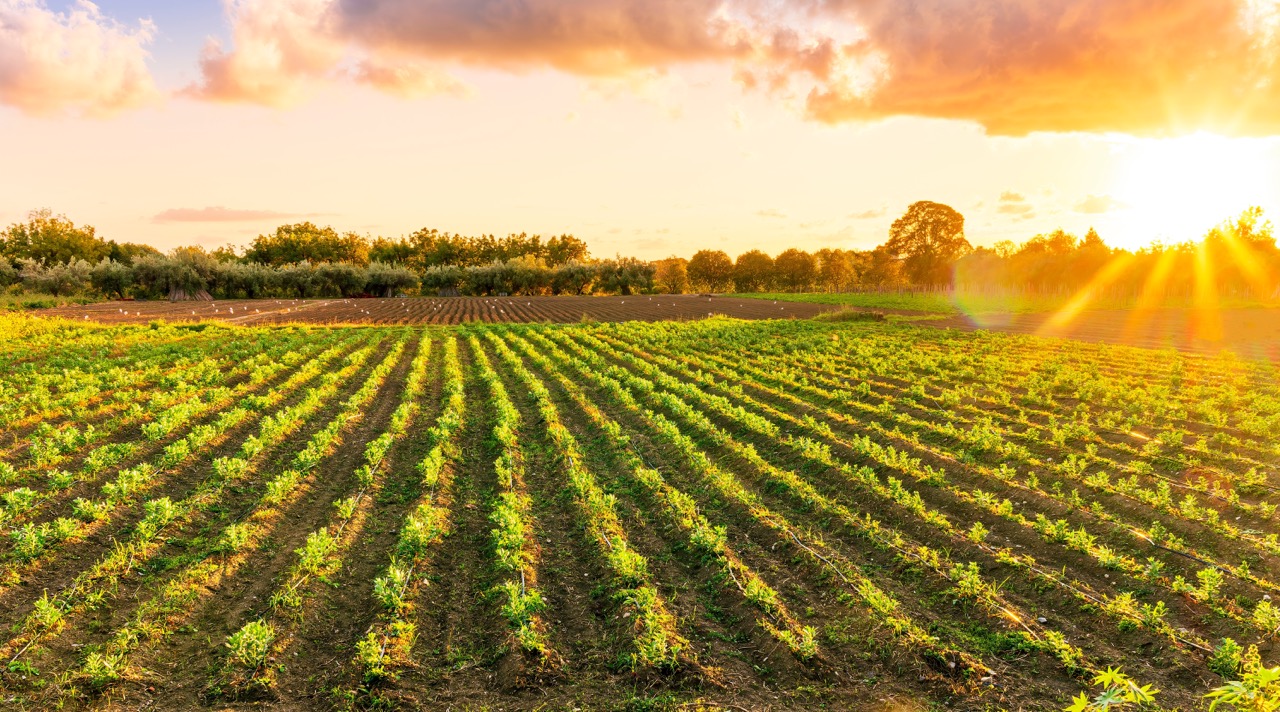
Understanding Rustic Land: An Introduction for Dutch and Belgian Buyers
Rustic land, known in many Southern European countries as “terreno rústico” or “terre agricole,” represents a unique and enticing investment opportunity for buyers from the Netherlands and Belgium. These plots often captivate with their scenic landscapes, tranquil environments, and promise of privacy. However, purchasing rustic land is markedly different from acquiring urban or residential property. The process introduces distinct legal, fiscal, and regulatory challenges, particularly when it comes to permits, land usage, and potential hidden debts. For buyers venturing into the Spanish, Portuguese, French, or Italian countryside, understanding these nuances is crucial to making a secure and rewarding investment.
This comprehensive guide will equip Dutch and Belgian buyers with the knowledge required to navigate the complexities of rustic land acquisition. We will explore the characteristics of rustic land, the intricacies of permits and planning, the risks of hidden debts, and the practical steps necessary to secure a legally sound purchase. Throughout, we maintain a focus on the unique needs and expectations of international buyers, ensuring you are empowered to make informed decisions.
What is Rustic Land? Key Characteristics and Differences
Before delving into regulations and purchase processes, it is essential to clearly define rustic land and distinguish it from other property types. Rustic land typically refers to plots outside designated urban zones. It is protected for agricultural, forestry, livestock, or environmental purposes. The classification of land as “rustic” (as opposed to “urban” or “urbanizable”) comes with significant legal implications regarding its use, development, and taxation.
Defining Rustic Land
- Location: Rustic land is generally situated outside towns and cities, often in rural or semi-rural settings. It may border natural parks, agricultural fields, or forests.
- Permitted Use: The primary uses include agriculture, forestry, grazing, and sometimes eco-tourism. Residential or commercial development is heavily regulated and often restricted.
- Infrastructure: Rustic land rarely benefits from the infrastructure found in urban areas. Access to mains water, sewage, electricity, and paved roads may be limited or absent.
- Legal Protections: Many regions protect rustic land to preserve the natural environment and traditional agricultural practices. This protection often translates into strict planning controls.
Main Differences: Rustic vs Urban Land
- Development Rights: Urban land typically allows for residential or commercial construction, subject to local planning permissions. Rustic land, by contrast, may prohibit or severely limit new buildings.
- Value and Price: Rustic land’s value is usually lower per square metre, but its appreciation depends heavily on local market trends and future planning changes.
- Investment Potential: Urban properties offer clearer rental and resale prospects. Rustic land’s potential is often linked to agriculture, eco-tourism, or speculative long-term planning changes.
For Dutch and Belgian buyers accustomed to well-regulated and clearly zoned real estate markets, these differences highlight the importance of expert guidance and thorough due diligence.
Legal Framework Governing Rustic Land in Popular Destinations
Each European country applies its own legal framework to rustic land. Understanding these frameworks is vital to avoid costly mistakes. While the focus here is on Spain, Portugal, France, and Italy, the underlying principles are similar across Southern Europe.
Spanish Rustic Land Laws
- Classification: Land is classified as “urban,” “urbanizable,” or “rústico.” Only the first two categories generally allow residential development.
- Protection: Rustic land is often subject to additional environmental or agricultural protections under regional and national laws.
- Building Restrictions: Construction is usually prohibited except for agricultural buildings or those strictly necessary for farming activity. Some regions may permit limited residential use if linked to agricultural exploitation.
Portuguese Rustic Land Laws
- Classification: “Solo rústico” is generally reserved for farming, forestry, or conservation.
- Development: Any construction requires compliance with strict municipal and national planning regulations, often necessitating a change of use, which is rarely granted.
- Environmental Protection: Many rustic lands are in protected zones (REN, RAN), further limiting usability.
French Rustic Land Laws
- Classification: “Terrain agricole” or “zone naturelle” covers most rustic land. Building is highly restricted, typically limited to agricultural use or rural tourism (gîtes, chambres d’hôtes) under certain conditions.
- Permits: Planning permission (“permis de construire”) is difficult to obtain for non-agricultural purposes.
Italian Rustic Land Laws
- Classification: “Terreno agricolo” is protected for agricultural use. Residential construction may be possible only for registered farmers under specific conditions.
- Heritage and Landscape Laws: Many plots fall under additional heritage or landscape protection, further complicating development.
In all jurisdictions, the legal status of rustic land should be checked at both national and local (municipal) levels. Dutch and Belgian buyers should seek clarification from legal experts with specific knowledge of rural property law in the region of interest.
Acquisition Process: Step-by-Step Guide for International Buyers
Purchasing rustic land involves more than signing a contract and transferring funds. The process is detailed, and each phase must be handled with precision to ensure a secure transaction.
1. Initial Research and Property Identification
- Define clear objectives: Are you seeking a lifestyle change, agricultural investment, or long-term capital gain?
- Select target regions: Research areas with reliable legal frameworks, stable markets, and transparent property records.
- Shortlist properties: Use reputable agencies and consult local experts familiar with rustic land sales.
2. Due Diligence and Legal Checks
- Verify land classification and permitted uses through the local land registry (cadastre or “registro de la propiedad”).
- Check for existing structures, boundaries, and access rights (servitudes, easements).
- Investigate encumbrances, mortgages, or outstanding debts attached to the property.
- Confirm seller’s ownership and right to sell.
- Assess environmental and agricultural protection statuses.
3. Engaging Experts
- Retain an experienced local lawyer specialising in rural property transactions.
- Employ a qualified surveyor to inspect land boundaries, soil quality, and infrastructure access.
- Consider a tax adviser to clarify fiscal obligations in both the host country and your home country.
4. Preliminary Contracts and Reservations
- Negotiate and sign a preliminary contract (“contrato de arras,” “compromis de vente,” etc.), outlining terms and conditions.
- Pay a reservation or deposit, usually between 5-10% of the purchase price.
5. Finalising the Sale
- Complete final legal checks, including verification of debts and compliance with planning restrictions.
- Sign the public deed of sale (“escritura pública,” “acte notarié”) before a notary.
- Register the new ownership with the local land registry.
Each step requires meticulous attention. Dutch and Belgian buyers are advised never to skip independent legal advice, even if the process appears straightforward.
Permits and Planning: Navigating Complex Bureaucracies
The greatest challenge for buyers of rustic land is often the labyrinth of permits and planning regulations. What appears to be a simple plot may be subject to a dense web of controls at municipal, regional, and national levels.
Types of Permits Required
- Building Permits: Required for any new construction, significant renovations, or change of use. Approval is rarely granted on rustic land except for agricultural or forestry purposes.
- Environmental Permits: Necessary if the land is within a protected area or if proposed use could impact local ecosystems.
- Water and Well Permits: Extraction of water for irrigation, livestock, or domestic use is tightly regulated, especially in drought-prone regions.
- Electricity and Infrastructure Permits: Connection to mains utilities requires further approvals and, in some cases, substantial investment.
Understanding Zoning and Land-Use Plans
Every municipality maintains a detailed land-use plan, which determines what can and cannot be done on a given parcel. These plans may be updated periodically and are binding. Key terms to know include:
- PGOU (Spain): “Plan General de Ordenación Urbana” – the master land-use plan.
- PLU (France): “Plan Local d’Urbanisme” – regulates land use and building rights.
- PDM (Portugal): “Plano Director Municipal” – indicates permitted uses and restrictions.
- Piano Regolatore (Italy): The local land-use and urban planning document.
Request an official certificate or extract from the relevant authority to confirm permitted uses before any purchase. Do not rely solely on the seller’s or agent’s assurances.
Common Pitfalls in Permitting
- Assuming that existing buildings are legal and can be renovated or extended without issue.
- Believing that a change of use (from agricultural to residential) is a formality – in reality, it is rarely granted.
- Underestimating the time and cost involved in securing permits, especially for infrastructure connections.
- Overlooking the impact of regional and national heritage or environmental protection measures.
- Failing to check for outstanding compliance notices or fines attached to the plot.
For buyers from the Netherlands and Belgium, where planning processes are transparent and predictable, the bureaucracy in Southern Europe can be bewildering. Patience and perseverance are required, as is professional support.
Hidden Debts and Legal Encumbrances: What You Must Uncover
A serious risk in rustic land acquisition is the presence of hidden debts or legal encumbrances that “run with the land,” meaning they transfer to the new owner upon purchase. These can significantly affect the value and usability of the property and, in some cases, may result in substantial financial liabilities.
Types of Debts and Encumbrances
- Mortgages: Outstanding loans secured against the land. If not cleared before sale, the buyer may inherit the debt.
- Unpaid Taxes: Property taxes (“IBI” in Spain, “taxe foncière” in France, etc.), inheritance taxes, or other local levies may be in arrears.
- Fines and Penalties: Resulting from unauthorised construction, environmental violations, or non-compliance with agricultural regulations.
- Judicial Embargoes: Legal orders preventing the sale or imposing obligations on the land (e.g., as security for a lawsuit).
- Use Rights and Easements: Rights of way, grazing rights, or water access granted to third parties, often for historical or agricultural reasons.
Detecting and Resolving Debts Before Purchase
- Request a comprehensive land registry extract showing all charges, mortgages, and encumbrances (“nota simple” in Spain, “extrait de matrice cadastrale” in France, “certidão predial” in Portugal).
- Obtain a certificate of tax compliance from the local authority confirming all taxes are paid up to date.
- Check with the municipality for outstanding fines, compliance notices, or development levies.
- Consult with a local lawyer to interpret registry entries and flag potential risks.
- Ensure that all debts are cleared prior to or at the moment of transfer, with explicit guarantees in the sale contract.
The principle of “buyer beware” is especially relevant in Southern European property transactions. Dutch and Belgian buyers must never assume that debts are automatically removed at the point of sale.
Infrastructure and Access: Practical Considerations for Buyers
While the idyllic image of a secluded rustic property is appealing, practical realities must be considered to ensure the land meets your needs and expectations.
Access and Boundaries
- Confirm legal access to the property. Many rustic plots are landlocked or accessible only via private tracks or easements. Secure written confirmation of right of way.
- Have boundaries professionally surveyed and marked. Disputes over land limits are common, especially in rural areas with historic or informal boundaries.
- Check for shared access arrangements, such as communal driveways or paths, which can create ongoing obligations or conflicts.
Utilities and Services
- Water: Is there a reliable supply? Many rustic plots rely on wells, boreholes, or rainwater collection. Check legal rights to water extraction and quality.
- Electricity: Assess the feasibility and cost of connecting to the mains grid. Off-grid solutions (solar panels, generators) may be necessary.
- Sewerage: Most rural plots lack mains sewerage. Investigate the need for septic tanks and ensure compliance with local regulations.
- Internet and Communications: Rural areas may have limited broadband or mobile coverage. Satellite solutions may be required.
Maintenance and Upkeep
- Rustic land requires ongoing maintenance, from clearing brush to maintaining access tracks and fences.
- Neglecting land can result in fines or orders from local authorities, especially in fire-prone regions.
- Budget for regular upkeep and consider local service providers for assistance.
These practicalities may not be immediately obvious during the purchase process but are critical for successful ownership and enjoyment of rustic land.
Financing Rustic Land: Options and Challenges
Financing the purchase of rustic land presents unique challenges compared to buying residential or urban property. Many traditional lenders are reluctant to provide mortgages for rustic plots, perceiving them as higher risk.
Typical Financing Options
- Cash Purchase: The most common route for international buyers, given the limited availability of loans.
- Specialist Rural Mortgages: Some local banks or credit unions offer loans for agricultural land, often requiring a detailed business plan and higher deposits (sometimes 50% or more).
- Personal Loans or Equity Release: Dutch and Belgian buyers may leverage assets or obtain personal loans in their home countries, though terms may be less favourable.
Factors Affecting Loan Approval
- Land classification and permitted use: Lenders prefer land with clear, legal use and potential for income generation.
- Presence of legal buildings: Rustic plots with authorised buildings (barns, farmhouses) may be easier to finance.
- Buyer’s financial profile: Non-residents may face stricter lending criteria.
Risks and Cautions
- Beware of high-interest “bridge loans” or informal lending arrangements.
- Never commit to a purchase without secured financing in place.
- Ensure all loan terms are fully understood and documented.
Given these complexities, many buyers opt for cash transactions. However, if financing is required, start the process early and seek professional guidance.
Taxation and Ongoing Costs: Understanding Your Fiscal Obligations
Ownership of rustic land carries ongoing fiscal responsibilities. Dutch and Belgian buyers must be aware of both purchase-related and annual taxes, as well as the implications for income and capital gains.
Key Taxes on Purchase
- Transfer Tax: Payable on acquisition (varies by country and region; e.g., “Impuesto de Transmisiones Patrimoniales” in Spain, “Droits de mutation” in France).
- VAT (IVA/TVA): May apply to certain transactions, especially if the seller is a company or developer.
- Notary and Registration Fees: Costs for official documentation and land registry entry.
Annual Taxes and Charges
- Property Tax: Annual levy on land ownership, even if there are no buildings (“IBI” in Spain, “taxe foncière” in France, etc.).
- Wealth Tax: Some countries impose a tax on total assets held, including rural land.
- Income Tax: If the land is used for agricultural production or generates rental income, profits may be taxable in both the host country and your home country.
Other Costs
- Insurance for land and any structures.
- Maintenance, security, and legal compliance costs.
- Professional fees for accountants, lawyers, and surveyors.
It is essential to factor these expenses into your investment calculations. Consult a cross-border tax adviser to optimise your fiscal position and comply with all obligations.
Renovation, Restoration, and New Construction: What’s Possible?
One of the main attractions of rustic land is the potential to renovate existing farmhouses or construct new buildings. However, buyers must be realistic about what can be achieved within the constraints of local regulations.
Renovating Existing Buildings
- Renovations are generally permitted if the building is legal and registered. However, changes must respect the original footprint and architectural style in many regions.
- Substantial changes, such as extensions or conversions to residential use, may require additional planning permission.
- Unregistered or “illegal” buildings can be problematic. In many cases, they cannot be legalised or may be subject to demolition orders.
Constructing New Buildings
- New construction on rustic land is tightly controlled. Approval is usually only granted for agricultural, forestry, or livestock-related buildings.
- Residential construction is typically prohibited unless linked to a registered agricultural operation and, even then, subject to strict size and location limits.
- Alternative options such as eco-tourism projects (yurts, tiny houses, glamping) may be permitted in some areas, but require careful negotiation with local authorities.
Heritage and Landscape Considerations
- Many rustic properties are in areas of outstanding natural beauty or historical significance. Special permits and architectural controls may apply.
- Restoration of traditional buildings often requires the use of approved materials and techniques.
- Failure to comply can result in heavy fines or orders to restore the property to its original condition.
Successful projects require detailed planning, patience, and the support of architects and legal advisers familiar with rural regulations. Never assume that “anything is possible” with enough money or connections; local authorities are vigilant in protecting rural heritage.
Environmental and Agricultural Regulations: Protecting Nature and Tradition
Rustic land is often subject to additional rules designed to preserve the environment, protect agricultural heritage, and promote sustainable use. Dutch and Belgian buyers should be prepared for a higher level of scrutiny and responsibility.
Environmental Protections
- Many plots fall within protected areas (Natura 2000, REN/RAN, regional parks) where development and certain activities are tightly regulated or prohibited.
- Clearing trees, altering water courses, or changing land use (e.g., converting pasture to arable) may require permits.
- Illegal dumping, burning, or overuse of chemicals can attract severe penalties.
Agricultural Obligations
- Some regions require landowners to maintain the land in productive use or at least prevent abandonment and fire risk.
- Participation in local agricultural cooperatives or following traditional practices may be encouraged or mandated.
- Subsidies and grants may be available for certain crops, organic farming, or conservation, but come with compliance requirements.
Best Practices for Sustainable Ownership
- Engage with local farmers or agricultural consultants to understand best practices.
- Respect traditional boundaries, water rights, and community customs.
- Adopt environmentally friendly methods, both for legal compliance and to preserve the long-term value of your investment.
By embracing these responsibilities, buyers can contribute positively to rural communities and ensure the sustainability of their investment.
Risks, Scams, and How to Avoid Costly Mistakes
While rustic land offers exceptional opportunities, it is not without risks. Dutch and Belgian buyers must be especially vigilant in unfamiliar markets, where local customs and informal arrangements may differ from those at home.
Common Risks and Scams
- Misrepresentation of land classification or buildability by unscrupulous sellers or intermediaries.
- Sale of plots with unresolved legal disputes, unclear boundaries, or multiple claimants.
- Unregistered buildings or unauthorised improvements presented as legal or easily legalised.
- Hidden debts or encumbrances not disclosed at the time of sale.
- Promises of future planning changes or rezoning that never materialise.
How to Protect Yourself
- Always use independent legal representation, never the seller’s or agent’s lawyer.
- Insist on a full land registry extract and official planning certificates before signing any contract.
- Engage a qualified surveyor to inspect the property and clarify boundaries and infrastructure.
- Be cautious with reservation deposits or “under the table” payments that are not officially documented.
- Take your time: never rush into a purchase, no matter how attractive the offer.
By following these steps, buyers can minimise risks and ensure a smooth, transparent transaction.
Cultural and Community Integration: Beyond the Transaction
Owning rustic land is not just a financial investment; it is an entry into a unique way of life. Integration with the local community and respect for rural traditions are essential for a fulfilling ownership experience.
Understanding Local Customs
- Many rural areas have strong traditions regarding land use, boundaries, and community events.
- Participation in local festivals, markets, and agricultural cooperatives helps build relationships and trust.
- Learning the local language and customs, even at a basic level, is highly valued and will ease your transition.
Building Relationships
- Good neighbourly relations are crucial, especially where land access or water rights are shared.
- Local knowledge is invaluable for navigating bureaucracy and understanding seasonal rhythms.
- Be open to advice and willing to adapt practices to local conditions.
Contributing to Rural Life
- Support local businesses and tradespeople where possible.
- Consider joint projects or collaborations with local farmers, especially if you are new to agriculture.
- Respect the pace of rural life and appreciate the slower, more deliberate approach to decision-making.
By embracing these principles, Dutch and Belgian buyers can enjoy a rewarding, authentic rural experience and become valued members of their new communities.
Case Studies: Real Experiences of Dutch and Belgian Buyers
To illustrate the practical realities of buying rustic land, we present anonymised case studies highlighting both successes and challenges faced by buyers from the Netherlands and Belgium.
Case Study 1: Successful Agricultural Venture in Portugal
A Dutch couple acquired ten hectares of rustic land in central Portugal, aiming to establish an organic olive grove. Their success was built on careful due diligence: they verified land classification, secured all necessary permits for water extraction and agricultural buildings, and engaged local consultants. Integration with neighbours and participation in the local cooperative helped them access grants and technical support. Today, their olive oil is sold at regional markets, providing both income and a fulfilling lifestyle.
Case Study 2: Planning Pitfalls in Spain
A Belgian family purchased a rustic plot with an old farmhouse in Andalucía, intending to renovate and extend it for holiday rentals. They soon discovered that the building was not registered and had been constructed without permits decades earlier. Despite assurances from the seller, legalisation proved impossible due to protected status and new environmental regulations. The family faced large fines and eventual demolition of the extension. Their experience underscores the importance of verifying the legal status of all buildings and securing written confirmation from authorities before purchase.
Case Study 3: Navigating Community Life in France
A Dutch retiree acquired a small vineyard in southwest France. While the purchase process went smoothly, adapting to local customs was initially challenging. Over time, the buyer attended village meetings, learned basic French, and joined the grape harvest with neighbours. These efforts deepened relationships and provided invaluable insights into vineyard management, local regulations, and the rhythms of rural life.
These real-world examples reinforce the necessity of preparation, patience, and community engagement in achieving a successful rustic land investment.
Checklist for Dutch and Belgian Buyers: Secure, Enjoyable Rustic Land Ownership
To assist buyers in managing the process and avoiding common errors, we provide a detailed checklist covering every stage of rustic land acquisition:
- Define your objectives and intended use for the land.
- Research target regions, focusing on legal transparency and market stability.
- Engage with experts: lawyer, surveyor, tax adviser, and local consultants.
- Verify land classification and all permitted uses through official channels.
- Obtain full land registry extracts showing ownership, boundaries, and encumbrances.
- Investigate outstanding debts, taxes, fines, or legal disputes attached to the land.
- Ensure legal access and assess infrastructure availability (water, electricity, roads).
- Clarify renovation and construction possibilities and secure written confirmation from authorities.
- Budget for purchase, ongoing taxes, maintenance, and unexpected costs.
- Seek independent legal and fiscal advice at every stage.
- Prioritise integration with local communities and respect for rural traditions.
By following this checklist, Dutch and Belgian buyers can substantially mitigate risks and maximise the enjoyment and value of their rustic land investment.
Conclusion: Making Informed, Secure Choices in Rustic Land Investment
Rustic land offers unique rewards: tranquility, natural beauty, and a connection to centuries-old traditions. For Dutch and Belgian buyers, the allure of the Southern European countryside is undeniable. However, the path to successful ownership is paved with legal, practical, and cultural challenges. Understanding the differences between rustic and urban land, navigating complex permit and planning systems, uncovering hidden debts, and integrating into rural life are all essential to a safe and fulfilling investment.
The importance of thorough due diligence, expert support, and patient, respectful engagement with local communities cannot be overstated. With the right preparation, buyers can avoid costly pitfalls and enjoy the many benefits that rustic land ownership has to offer. Whether your goal is a working farm, a private retreat, or a long-term investment, informed choices are the foundation of lasting success and satisfaction.
For Dutch and Belgian buyers ready to take the next step, careful planning and trusted guidance are your strongest allies on the journey to rustic land ownership.