




Introduction to the Zoutwatermeren van Calpe
Amidst the sun-drenched Costa Blanca coastline lies a unique ecological treasure: the Zoutwatermeren van Calpe. These striking saltwater lagoons, sometimes shimmering pink in the golden Spanish light, create a vibrant mosaic of color and life right next to the popular town of Calpe. Renowned for their unrivaled natural beauty and diverse array of wildlife, the Zoutwatermeren—also affectionately called Las Salinas de Calpe—offer visitors a remarkable portal to a world where nature reigns supreme.
This extensive guide delves into every facet of the Zoutwatermeren van Calpe, illuminating the area’s rich natural history, unique ecological balance, and importance as both sanctuary and spectacle. Immerse yourself in the compelling narratives that define these wetlands and discover why they have become a true paradise for nature lovers, bird watchers, and eco-minded visitors.
The Origins and Formation of the Calpe Saltwater Lakes
The Zoutwatermeren van Calpe boast a fascinating geological history spanning thousands of years. Nestled between Calpe’s bustling center and the infamous Peñón de Ifach, these salt lakes were formed by a unique interplay of geological uplift, sea encroachment, and centuries of both natural and human-driven change.
In ancient times, shifting tectonic plates and rising sea levels carved out shallow basins just inland from the Mediterranean coastline. Over time, seawater flooded these basins, creating the saline conditions necessary for the formation of saltwater wetlands. The lakes have fluctuated in size and salinity through history, influenced by the climate’s oscillations and, more recently, by centuries of salt extraction under Roman, Moorish, and Spanish rule.
These anthropogenic interventions have left a rich tapestry, shaping both the lakes themselves and the surrounding flora and fauna. The layers of salt, sediment, and plant matter tell a story of renewal and adaptation—evoking the ever-shifting relationship between human civilization and wild landscapes.
Ecological Significance: A Haven of Biodiversity
What truly sets the Zoutwatermeren van Calpe apart is their dazzling biological diversity. As brackish ecosystems—where saltwater meets freshwater input from occasional rain and runoff—the lakes provide a rare and fragile environment that supports an abundance of life. Their unique chemistry and marshy banks foster an ideal habitat for both endemic and migratory species.
Several interdependent factors contribute to the Zoutwatermeren’s role as a biodiversity hotspot:
- Salinity gradients that create microhabitats for different organisms.
- Varied vegetation zones from reeds and halophytes to scrubland.
- Seasonal water level fluctuations that enable breeding and feeding opportunities for myriad species.
- A climate moderated by the Mediterranean’s mild winters and hot summers, fostering year-round ecological activity.
These elements, combined, make the Zoutwatermeren a vibrant sanctuary for wildlife—and a place of enduring beauty and intrigue for human observers.
The Remarkable Avian Life of the Zoutwatermeren
Undoubtedly, the star attraction of the Calpe saltwater lakes is their prolific birdlife. The area is recognized internationally as a crucial stopover point for migratory birds traversing the western Mediterranean flyway. With its strategic location and abundant resources, the Zoutwatermeren attract more than 170 species throughout the year.
Flamingos: The Iconic Pink Residents
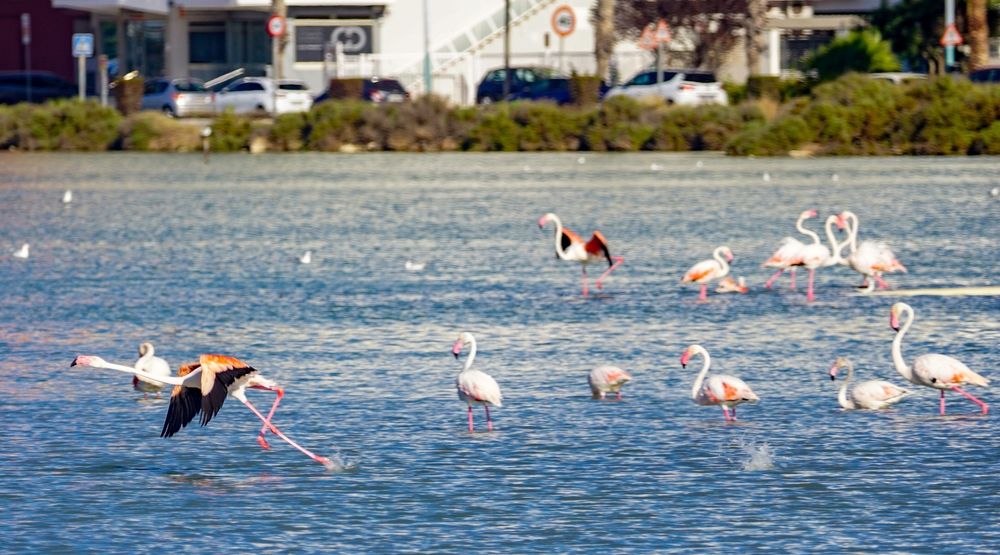
The ethereal presence of greater flamingos (Phoenicopterus roseus) gracing the shallow waters is a defining characteristic of the Zoutwatermeren van Calpe. Their peach and coral plumage create arresting reflections against waters occasionally tinged pink by harmless halophile bacteria.
Flamingos arrive in waves—sometimes hundreds strong—drawn by brine shrimp and blue-green algae. Here they feed, preen, and raise their chicks, performing a ballet of synchronized movement that captivates visitors. Observing these elegant waders up close is a highlight for birdwatchers and nature photographers alike.
Other Notable Bird Species
In addition to flamingos, the Zoutwatermeren support an astonishing diversity of avian life, including:
- Avocets and stilts, whose slender legs and needle-thin bills deftly probe muddy banks for aquatic invertebrates.
- Herons and egrets, stoically awaiting the perfect moment to spear unsuspecting fish or frogs.
- Sandpipers and plovers, which carpet the shallow shorelines in tight, skittering flocks during migration windows.
- Gulls, terns, and cormorants, expertly exploiting the ever-changing interface between water and land.
Many of these species nest in or around the lakes, benefitting from relative safety, abundant food, and the shelter provided by reeds and saltbush.
The Lakes’ Unique Flora: Salt-Tolerant Adaptations
The vegetation encircling the Zoutwatermeren reveals a masterclass in adaptability. Living in hypersaline environs, a remarkable suite of halophytes—plants specialized to tolerate high salt concentrations—thrive along the banks, creating zones of lush green and silvery blue.
- Salicornia (glasswort): A low, fleshy plant often covered in glistening salt crystals.
- Salsola and Arthrocnemum: Shrubs that form dense thickets in the most saline corners.
- Reeds and rushes: Phragmites and Juncus species interlace the wetter peripheries, providing crucial shelter for wildlife.
Intermixed among these are wildflowers, aromatic Mediterranean herbs, and even rare orchids, each species contributing to the ecological tapestry. Their roots stabilize the shoreline and filter runoff, playing an essential role in maintaining water quality and overall lake health.
The Aquatic World Beneath the Surface
While the wetland’s birds and plants capture the eye, the aquatic ecosystem teems with life both visible and microscopic. Beneath the glassy surface, brine shrimp thrive alongside dense blooms of blue-green algae, providing an irreplaceable food source for the area’s signature flamingos and other birds.
- Oligochaete worms and amphipods wriggle among the muddy substrate.
- Small fish species—hardy enough to survive fluctuating salinity—dart between submerged reeds.
- Aquatic insects such as dragonfly larvae and water beetles swarm in warmer months, supporting everything from chicks to frogs.
The abundance and diversity of aquatic life is a direct reflection of the lakes’ health and productivity, underlining their critical role as a productive wetland ecosystem.
Seasonal Changes: The Ever-Evolving Landscape
One of the most enchanting aspects of the Zoutwatermeren van Calpe is their constant transformation with the seasons. In winter and spring, rainfall replenishes the lakes, flooding the surrounding reedbeds and drawing migratory flocks in vast numbers. In contrast, summer ushers in stark evaporation, compressing the lakes into shallow, hyper-saline pools that glimmer under the relentless sun.
These dramatic changes are mirrored in the local wildlife:
- Breeding activity peaks in spring, with nests hidden among reeds and emergent vegetation.
- Migratory stopovers occur in spring and autumn, as flocks pause to rest and refuel en route to Africa or Northern Europe.
- Drought-hardened survivors, adapted to the lake’s fluctuating salinity, dominate in the harshest summer months.
Every visit to the Zoutwatermeren offers a new vista, a fresh chorus of bird calls, and an evolving palette of wildflowers and water levels—making it a dynamic destination for repeat travelers and local residents alike.
Human History: From Salt Harvesting to Conservation
Humans have shaped the Zoutwatermeren van Calpe for millennia, their legacy intertwined with the landscape’s current form. During Roman and Moorish times, the lakes were meticulously engineered for salt extraction. Salt, once “white gold,” was a critically valuable commodity—used for preserving food, trade, and even as currency.
Echoes of this industrious past still echo today. Old levees, sluices, and crumbling piers are visible reminders of the vast quantities of salt once harvested and exported from Calpe’s wetlands. The trade boomed for centuries, then faded as economic priorities shifted.
In the modern era, awareness of the ecological importance of wetlands has transformed the management of the Zoutwatermeren. Once threatened by urban expansion, the lakes are now protected as a nature reserve—a critical step to preserving their rich biodiversity. Conservation efforts focus on habitat restoration, invasive species control, and the encouragement of responsible eco-tourism practices.
Exploring the Zoutwatermeren: Routes and Viewpoints
Whether you arrive as an avid naturalist, an avid photographer, or a casual traveler, the Zoutwatermeren van Calpe cater to every type of explorer. Well-marked footpaths and viewing platforms wind around the lakes, offering unobstructed views and close encounters with wildlife.
Walking and Cycling Routes
A circular walking route, suitable for all abilities, allows visitors to circumnavigate the main salt lake. Along the way, strategically placed observation hides permit quiet, undisturbed birdwatching—especially effective during the spring and autumn migration peaks. Interpretive panels (in multiple languages) highlight key species, the geological story of the lakes, and conservation messages.
For those who prefer two wheels, adjacent bike lanes link the lakes with Calpe town center and the Peñón de Ifach Natural Park—combining exercise and ecological discovery in one seamless experience.
Top Viewpoints
- The northern viewpoint—offering panoramic lake vistas, backdropped by the majestic Peñón de Ifach.
- The eastern observation hide—a peaceful timber shelter framed by reeds, ideal for covertly observing flamingos and waders.
- The southern causeway—nestled among halophyte shrubbery, granting close access to salt crystal formations and wildflower meadows.
Early morning and late afternoon light evoke the most vivid colors and dynamic wildlife activity, rewarding patient observers with magical moments seldom found elsewhere.
Wildlife Photography: Capturing the Essence of the Wetlands
With its blend of striking settings, charismatic megafauna, and abundant birdlife, the Zoutwatermeren van Calpe are a photographer’s paradise.
Whether you’re armed with a telephoto lens or simply a high-quality smartphone, the opportunities for evocative, world-class imagery abound. Here’s how to get the most from your photographic experience:
- Best Times for Photography: Dawn and dusk offer soft, diffuse light and peak wildlife activity, ideal for portraits and dramatic landscapes. Cloudy days can also yield unique, moody scenes.
- Equipment Tips: Bring binoculars and a zoom lens (300mm+) for distant or shy bird species. Tripods provide stability for longer exposures.
- Subject Variety: From flamingos in mating display to dew-dappled wildflowers and intricate salt crystals, there’s no shortage of creative subject matter. Look for reflections, backlighting, and contrasts between flora and fauna.
- Quiet Observation: Move slowly and minimize noise to avoid disturbing wary birds, especially during nesting season.
- Respect for Nature: Never trample vegetation or approach nesting sites—ethical photography helps ensure the survival of delicate species.
Many local photographers and artists find ongoing inspiration here, capturing the lakes’ changing moods through all seasons—resulting in portfolios that celebrate this singular corner of natural Spain.
Calpe’s Saltwater Lakes and Sustainable Tourism
Today’s travelers, mindful of the need to protect the delicate balance of places they visit, will find in the Zoutwatermeren van Calpe a model for sustainable, nature-friendly tourism. The nature reserve is carefully managed to welcome visitors while minimizing human impact.
- Visitor infrastructure such as boardwalks, viewing hides, and educational signage keeps foot traffic away from the most sensitive areas, reducing disturbance to wildlife.
- Guided tours, often led by local naturalists or conservation professionals, help deepen understanding of the lakes’ subtle ecosystems—and often support ongoing preservation efforts.
- Activities for families and schools ensure future generations appreciate the importance of wetland protection. Hands-on workshops, birdwatching events, and interpretive games bring science and environmental awareness to life.
As tourism worldwide embraces sustainability and stewardship, the Zoutwatermeren stand out as a shining example of harmonious coexistence—where recreational enjoyment and ecological protection go hand in hand.
Local Culture and Gastronomy: Calpe’s Enduring Connection to its Lakes
Calpe’s salt lakes have shaped not just the region’s ecology but its cultural heritage and cuisine. For centuries, the seasonal rhythms of salt harvesting defined the lives of Calpe’s residents—leaving a unique legacy in local traditions, folklore, and gastronomy.
- Historic salt workers are fondly remembered in oral histories, their enduring stories woven into community festivals and art.
- Salted fish (particularly mojama and dried bonito) remains a celebrated delicacy in local markets—is often paired with robust olive oils and the region’s famed wines.
- Wild herbs and flowers gathered from the lake’s edges appear in iconic Mediterranean dishes, infusing them with unique aromas and flavors.
Annual events celebrate the cyclical bounty of both salt and bird migration, merging taste, tradition, and environmental consciousness in a vibrant manifestation of Calpe’s living heritage.
Conservation Initiatives: Ensuring a Thriving Future
Despite significant protection, the Zoutwatermeren van Calpe, like wetlands worldwide, face ongoing ecological threats—from urban encroachment and pollution to climate change and invasive species. Recognizing this, a variety of innovative conservation initiatives are underway to safeguard the lakes’ future.
Habitat Restoration
Local environmental groups, in concert with regional government agencies, continually assess and restore sensitive habitats. Projects focus on removing invasive plants, re-establishing native halophytes, and strengthening the lakes’ natural water filtration ability.
Science and Monitoring
Continuous scientific monitoring tracks bird populations, water quality, and the health of aquatic and terrestrial ecosystems. This real-time data allows rapid response to emerging threats and informs evidence-based conservation strategies.
Community Engagement
Educational outreach encourages residents and visitors alike to become stewards of the Zoutwatermeren. Volunteer clean-up days, citizen science bird counts, and interpretive walks instill both pride and responsibility for the lakes’ unique role in Calpe’s story.
These efforts collectively ensure that this extraordinary natural area will be preserved—not just for today’s visitors, but for generations to come.
Practical Information for Visitors
To fully enjoy and appreciate the Zoutwatermeren van Calpe, it is helpful to plan your visit with both comfort and conservation in mind. Here’s what to expect, and how to make the most of your journey into this wild paradise.
- Accessibility: The main footpaths around the lakes are level and well-maintained, making them suitable for all ages and abilities. Clear signage and rest areas provide guidance and respite.
- Best Times to Visit: Spring (February–May) and autumn (September–November) offer mild weather and peak bird migration, though the lakes’ unique charm shines through all four seasons.
- What to Bring: Binoculars, cameras, sun protection, water, and sturdy footwear. Bird field guides are available locally, though many interpretation boards provide excellent introductions to key species.
- Responsible Enjoyment: Stay on designated trails, don’t feed wildlife, and pack out all litter. By adhering to these simple guidelines, each visitor helps keep the lakes pristine for all.
Facilities near the lakes include parking areas, bicycle racks, and picnic spots—enabling an easy blend of exploration and relaxation in one of Costa Blanca’s most distinctive destinations.
The Role of the Peñón de Ifach: Ecological Synergy
No discussion of the Zoutwatermeren van Calpe would be complete without mentioning their dramatic neighbor: the Peñón de Ifach. This towering limestone outcrop, rising 332 meters above the Mediterranean, creates a spectacular backdrop and has its own microclimate and habitats.
The juxtaposition of cliff, forest, and salt marsh within a compact area creates a synergistic ecological relationship. Birds and insects traverse freely between the crag and wetlands for breeding, feeding, and shelter, supporting regional biodiversity.
Some species—particularly raptors, swifts, and rare wildflowers—rely on this close geographical association to complete their life cycles, making joint conservation efforts absolutely paramount.
Calpe: A Commitment to Sustainable Development
Amidst growth and modernization, Calpe has embraced a forward-thinking approach to urban planning, placing the welfare of the Zoutwatermeren van Calpe at the core of its agenda. Environmental impact assessments, green corridor initiatives, and public engagement workshops ensure that nature remains central to the town’s future.
Not only has this commitment bolstered Calpe’s reputation as a premier ecotourism destination, but it has also fostered a sense of community ownership and pride in local natural resources—providing a template for sustainable development along the Mediterranean coast.
With each passing year, the bond between Calpe and its salt lakes grows deeper, ensuring a legacy where prosperity and environmental stewardship coexist in harmony.
The Zoutwatermeren van Calpe: An Enduring Source of Inspiration
There is a magic—difficult to capture in words—that permeates the Zoutwatermeren van Calpe. Artists, poets, and conservationists throughout history have drawn on this sense of wonder, channeling it into works that celebrate the lakes’ inimitable charm.
From the surreal pink reflections of a flamingo-studded dawn, to the tactile crunch of salt underfoot and the chorus of birdsong echoing across shimmering water, this extraordinary wetland continues to inspire awe in visitors new and old. Each encounter is a reminder of nature’s resilience, beauty, and power to restore.
To walk the banks of the Zoutwatermeren is to embark upon a journey—through history, ecology, and the realm of the senses. It is truly a paradise for nature, and one of the Costa Blanca’s most precious gifts.
Frequently Asked Questions about the Zoutwatermeren van Calpe
Are the lakes accessible year-round?
Yes, the Zoutwatermeren are open and accessible throughout the year. However, certain times such as early spring and late autumn may offer the most abundant birdlife and comfortable weather for exploration.
Is swimming allowed in the lakes?
For reasons of both safety and conservation, swimming is not permitted in the lakes. The area is managed specifically for wildlife protection and public enjoyment from designated pathways and observation points.
Are guided tours available?
Regular guided nature walks are offered, particularly during peak migration periods. These tours are typically led by knowledgeable local guides sharing insight into the wetland’s rich biodiversity and history.
Can I picnic in the area?
Yes, there are several picnic spots on the periphery of the Zoutwatermeren, offering tranquil places to relax amidst nature. Always ensure to leave no trace and respect the needs of local wildlife.
How can I contribute to conservation efforts?
Visitors are encouraged to follow responsible practices—keeping to marked trails, not feeding wildlife, and participating in local conservation activities when possible, such as clean-up days or citizen science counts.
Are pets allowed?
Pets are generally welcome but must be kept on a leash at all times to avoid disturbing wildlife, especially ground-nesting birds and young chicks.
Planning Your Visit: Tips for a Memorable Experience
A journey to the Zoutwatermeren van Calpe is more than simply an excursion—it is a gateway into the heart of the Mediterranean’s wild soul. To ensure a rewarding and memorable experience, consider the following tips:
- Arrive Early or Late: Dawn and dusk yield the best light, calmest conditions, and peak activity from many bird species.
- Go Slow, Observe More: Nature rewards patience. Pausing frequently increases your chances of rare wildlife encounters and deeper appreciation.
- Engage with Local Experts: Interpretive walks or conversations with reserve staff can reveal hidden ecological stories and answer your burning questions.
- Combine with Local Attractions: Pair your wetland exploration with a hike up the Peñón de Ifach, a stroll through Calpe’s historic old town, or sampling local cuisine for a truly well-rounded day.
- Dress Appropriately: Bring layered clothing, sun hats, and windbreakers—weather can shift rapidly by the coast, even in summer.
Looking Ahead: The Future of the Calpe Saltwater Lakes
The stewardship of the Zoutwatermeren van Calpe is a living testament to what can be achieved when communities and conservationists unite around a shared vision of sustainability. As environmental challenges intensify worldwide, the lakes serve as both model and inspiration for the ongoing effort to balance human progress with the irreplaceable value of natural spaces.
Efforts continue to monitor climate impacts, mitigate human pressures, and educate future generations about the priceless role of wetlands in ecological health, carbon sequestration, and biodiversity maintenance.
Thanks to continuous protection and a passionate local community, the Zoutwatermeren van Calpe are poised to remain a sanctuary for both wildlife and people. As visitors flock to bask in their beauty, their legacy as a paradise for nature—and a beacon of hope for wetland conservation—only grows stronger.
Conclusion: The Zoutwatermeren van Calpe—A True Natural Paradise
The Zoutwatermeren van Calpe embody the rare convergence of beauty, biodiversity, and cultural heritage—a place where nature tempts, teaches, and transforms. These saltwater mirrors, set against the iconic silhouette of the Peñón de Ifach, offer more than wildlife spectacles or memorable strolls. They invite reflection on the intricate interplay of land and life, the resilience of wild spaces, and the enduring spirit of stewardship that ensures their survival.
Whether you are a seasoned birdwatcher, a lifelong naturalist, or simply in search of a sanctuary from the everyday, the Zoutwatermeren provide a profound connection to the enduring wonders of the natural world. Their preservation is a testament to the vision and dedication of Calpe’s community—and a source of inspiration for all who venture to their tranquil shores.
IMMO ABROAD is proud to share in the appreciation and protection of this ecological jewel. We invite you to discover and help conserve the Zoutwatermeren van Calpe—a genuine paradise for nature, and a place where the rhythms of water and wildlife compose an ever-evolving symphony of life.