




Introduction to Satellietschotel in Spanje
The evolution of satellite television has revolutionized the way people across Europe consume media, providing access to an abundant variety of international channels, premium entertainment, and uninterrupted broadcasts. For those living in or relocating to Spain—whether as expatriates, retirees, or long-term holidaymakers—the desire to stay connected with news and entertainment from home makes the installation of a satellietschotel (satellite dish) particularly appealing. This comprehensive guide will help you understand every intricate aspect of installing and using a satellite dish in Spain, from benefits to legal considerations, technical specifications, installation procedures, and ongoing maintenance. The expertise shared here is meticulously curated to empower decision-making and ensure seamless access to satellite television wherever you are in Spain.
The Basics of a Satellietschotel: How It Works
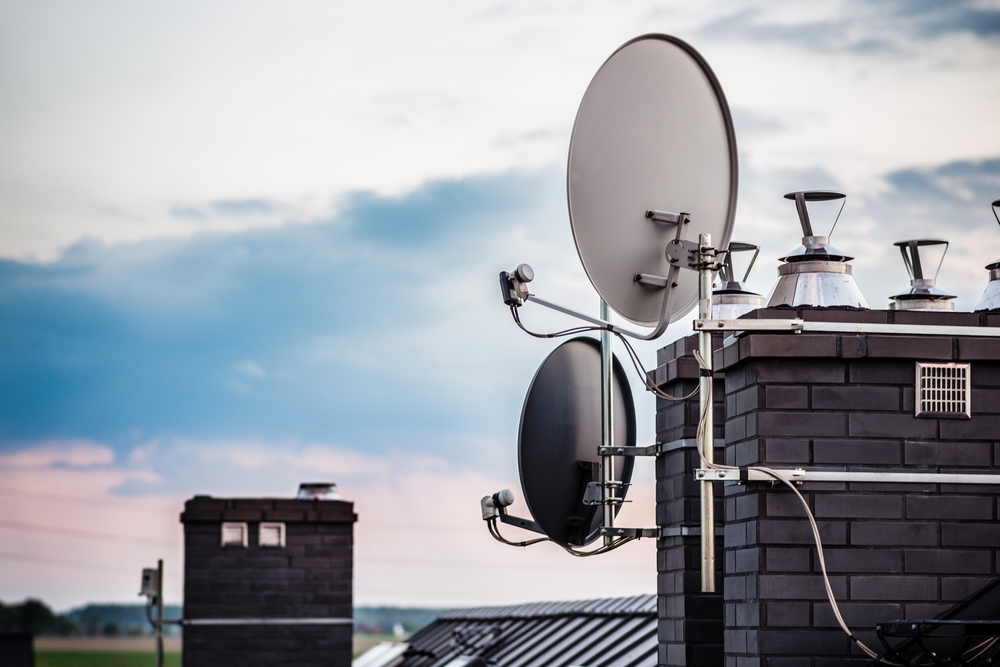
Understanding how a satellite dish functions is essential for making informed choices about satellite television in Spain. A satellietschotel serves as a receiving device, designed to capture broadcast signals delivered by satellites orbiting the Earth. These signals contain encrypted digital or analog data representing various television and radio channels. The dish focuses these signals onto a feedhorn, channeling them into a low-noise block downconverter (LNB). The LNB converts high-frequency signals from the satellite down to lower frequencies, making them suitable for transmission via coaxial cables to your receiver or set-top box within the home.
The size and shape of the dish play a critical role in signal reception. Larger dishes gather more signal energy, improving reception quality, particularly in areas with weaker satellite footprints. The satellite receiver or decoder processes the signal, decrypts content, and enables you to view or listen to diverse programming. With a suitable set-up, it becomes possible to access thousands of international channels, spanning news, sports, entertainment, educational content, and even specialized language stations.
Why Satellite TV is Popular Among Expats in Spain
Spain has long been a favored destination for expatriates from countries such as the Netherlands, Germany, the United Kingdom, and Scandinavia. As a result, the demand for satellite television remains robust. Here are key reasons why satellite TV is indispensable for many residents and property owners in Spain:
- Connection to Home: Satellite TV enables expats to stay in touch with languages, news, and culture from their home countries, providing a vital link to family, friends, and familiar entertainment.
- Unrivaled Channel Selection: Terrestrial Spanish TV can be limited for non-Spanish speakers. Satellite services open up hundreds of additional channels, often including specialty sports, children’s programming, and international news.
- Reliable Access: In rural or coastal regions where terrestrial signal strength is weak or internet coverage is inconsistent, satellites provide stable and high-quality television transmission.
- Flexibility: Satellite TV systems can often be paired with recording and catch-up features, making it easy to store and watch content at your convenience.
Types of Satellite Dishes and Systems Available in Spain
When considering satellite TV in Spain, you’ll encounter a variety of dish types and broadcast systems. Selecting the right one ensures optimal reception and compatibility with your viewing preferences.
1. Parabolic Dishes
These are the most recognizable and commonly used dishes. Their characteristic round or elliptical shape focuses signals onto the LNB, maximizing gain. Dishes vary in size typically from 60 cm to 180 cm in diameter, with larger sizes more adept at picking up weaker or more distant satellite signals. For reception of channels broadcast to northern Europe from southern Spain, larger dishes may be necessary.
2. Flat Panel Dishes
For those concerned with aesthetics or in properties limited by community regulations, flat panel dishes offer a discreet alternative. Although typically more compact and less obtrusive, these can sometimes underperform compared to larger parabolic dishes, especially at greater distances from the satellite’s central footprint.
3. Motorized Dishes
A motorized satellite system enables the dish to rotate and align with multiple satellites. This technology is ideal for users desiring an extensive selection of channels from different parts of Europe. The motor is controlled by the receiver, allowing the user to switch satellites conveniently from within the home.
4. Multi-LNB Dishes
A single satellite dish can be fitted with more than one LNB and arm extensions, allowing simultaneous reception from multiple satellites. This is a flexible solution for households wanting access to channels from different countries or service providers on different birds (satellites).
Technical Requirements for Satellite TV in Spain
Proper installation and robust signal reception require attention to several crucial technical aspects. Whether setting up satellite TV in a coastal villa or an urban apartment, understanding these factors ensures reliable performance and minimizes future issues.
1. Satellite Coverage Footprint
Each satellite has an area known as its footprint—regions where its broadcast signal is strongest. Choice of satellite should be determined by the channels you wish to receive, and your property’s location within Spain. Western and southern Spain may require larger dishes for the same signals accessed throughout northern Europe.
2. Dish Size and Location
- Diameter: Generally, the further south in Spain you are, the larger the dish required, due to a decrease in the signal strength from satellites oriented toward northern Europe. In coastal Andalusia and the Costa del Sol, dishes of 1.2 meters or more are common for UK and northern European channels.
- Elevation and Azimuth: The dish must be tilted and oriented correctly—both vertically (elevation) and horizontally (azimuth)—to capture the strongest possible signal. Modern receivers often provide installation aids for tuning.
- Clear Line of Sight: Any obstruction such as buildings, trees, or hills can interfere with reception. Make sure the intended site offers an unobstructed southern or southeastern view of the sky, as satellites servicing Europe are generally found in that arc.
3. LNB Compatibility
Choice of LNB affects signal quality and the potential for multi-room or multi-satellite viewing. Consider quad or octo LNBs if you plan to feed more than one receiver or connect multiple rooms within your home.
4. Cabling and Receivers
Use high-quality, shielded coaxial cables rated for outdoor use, especially in Spain’s sun-drenched and sometimes humid climate. The receiver—also known as a set-top box—must be compatible with the encryption used by your desired channels. Pay attention to tuner specifications, support for HD/4K if required, and availability of recording features.
Choosing the Right Satellite and Subscription Services
Selecting the appropriate satellite and accompanying subscription plan can be overwhelming, given the variety of channels, languages, and packages available. Here’s how you can systematically make the best choice for your needs in Spain.
Popular Satellites for European Channels in Spain
- Astra 2 (28.2°E): Favoured by viewers seeking English language content, including BBC, ITV, and Channel 4.
- Astra 19.2°E: Offers many German, Dutch, French, and some Spanish language channels. It is the primary satellite for Dutch expats as it carries NPO and other Dutch broadcasters.
- Hotbird 13.0°E: Delivers a wide variety of content in Italian, Polish, French, and other languages, plus international free-to-air channels.
- HispaSat 30.0°W: The main satellite for Spanish domestic television, ideal for those seeking comprehensive Spanish-language broadcasts.
Free-to-Air vs. Encrypted Subscription Channels
Free-to-air (FTA) channels are accessible without a subscription, requiring only the appropriate receiver. For a broader selection, including premium sports, movies, and international specialty channels, subscription packages are necessary. Subscription services may require a conditional access module (CAM) and a card, with some providers linking these to a set address within the source country.
Language and Content Selection
Carefully choose the satellite or package not only based on language but also on genres like news, sports, children’s programming, or entertainment. Multilingual families or those expecting regular guests from abroad may benefit from more flexible multi-satellite set-ups.
Installation Process: Professional vs. DIY Approaches
The installation of a satellite dish can range from straightforward to highly complex, depending on property location, satellite selection, and personal technical proficiency. Here’s an in-depth look at your options:
Professional Installation – What to Expect
Though installation by a professional comes at a cost, the benefits—particularly in Spain’s diverse terrain—are considerable. Technicians have the expertise and equipment necessary to:
- Evaluate the optimal mounting location and dish size for your specific property.
- Install brackets/collars and anchor them securely to withstand wind and weather common in Spanish locales, especially coastal zones.
- Set elevation and azimuth with precision using specialized tools for signal strength analysis.
- Install, route, and weatherproof cabling into the premises and set up indoor receivers, ensuring minimal visible impact and compliance with building regulations.
- Calibrate the entire system and demonstrate usage, channel scanning, and essential troubleshooting.
Professional installation may also include warranty, post-installation service, or scheduled follow-up, which proves valuable over time. Choose installers well-versed in both local regulations and the preferences of international clients.
DIY Installation – Advantages and Pitfalls
Enthusiastic DIYers may be tempted to install their own satellite system, and with suitable technical knowledge, success is possible. However, common challenges include:
- Difficulty in finding the absolute correct alignment, particularly with weaker or distant satellites.
- Securely mounting the dish to withstand coastal winds or mountainous weather.
- Routing cables without compromising building aesthetics or waterproofing.
- Potential for confusion with receivers, especially when dealing with multiple LNBs or encrypted channels.
- Inadvertently violating community regulations or permits (see “Legal Regulations” section below).
If you do attempt a DIY installation, invest in reliable alignment tools, read user manuals thoroughly, and consult online communities for tips tailored to Spain’s unique reception conditions.
Legal Regulations and Community Rules in Spain
While Spain generally permits the installation of satellite dishes, certain legal parameters and community rules must be observed—especially in urban or resort complexes. Here is a thorough overview:
Building Codes and Permits
- Private Homes: Standalone villas or chalets typically have fewer restrictions, especially if the dish does not exceed a certain diameter and is not positioned on public-facing facades.
- Apartments and Community Properties: Shared buildings often fall under “comunidad de propietarios” (homeowners’ associations). Approval may be needed before installing a visible dish outside windows, on rooftops, or on shared terraces. It is crucial to attend Board meetings and seek written consent where appropriate.
- Historical and Scenic Zones: Local or regional laws may prohibit dishes on protected structures or in heritage zones. In these cases, unobtrusive flat panels, roof installs, or even disguised installations (e.g., painted dishes) are alternatives.
- Size Restrictions: Some municipalities restrict dish diameter to maintain visual harmony in neighborhoods, particularly in high-visibility zones.
Noise and Safety Regulations
Installations should always comply with Spanish electrical and safety codes to prevent hazards from wind, electrical storms, or aging mounts. Secure fitting, proper cable insulation, and avoidance of shared fire escapes or ventilation corridors are mandatory for safety compliance.
Television Licensing and Access Rules
While Spain does not require a “TV license” in the British sense, you are responsible for complying with the terms of satellite services and not rebroadcasting subscription content outside your household. When installing communal dishes serving multiple apartments, it is essential to adhere to the fair access contract set by the service provider.
Costs: Purchase, Installation, and Subscription
The financial commitment for a satellite TV set-up in Spain will vary based on dish size, equipment quality, popularity of the target satellite, installation complexity, and whether you opt for premium channel subscriptions.
1. Equipment Costs
- Dishes: Small (60-80cm) FTA dishes can cost as little as €50-€150. Large (1m+) high-gain dishes suitable for marginal footprints or premium broadcasts range from €200 up to €500+.
- LNBs and Accessories: High-quality or multi-feed LNBs cost €20-€80. Cabling, brackets, and mast assemblies typically add €30-€100 to hardware costs.
- Receivers: FTA receivers may be acquired for €50-€150, while advanced boxes with subscription CAMs and 4K features range from €200-€400.
2. Installation Costs
Professional installation for a standard system generally lies between €120 and €400, depending on property layout and dish size. Complex rooftops, multi-receiver set-ups, or historically protected buildings can incur extra charges.
3. Subscription Costs
- Free-to-air viewing: No monthly subscription, only the original hardware and setup costs apply.
- Premium or pay-TV services: Monthly fees typically range from €20 to over €60, depending on programming richness, HD/4K access, and bundled features such as sports or movie channels. Additional costs for official CAM modules or smartcards may apply.
Allow for modest, ongoing costs such as maintenance or receiver upgrades over the lifespan of your satellite system.
Accessing Dutch, British, French, and German Channels in Spain
One of the prime attractions of satellite TV for internationals in Spain is the ability to access an impressive spectrum of channels in languages other than Spanish, including Dutch, German, British, and French programming.
Dutch Channels
Dutch viewers in Spain typically need access to the Astra 19.2°E satellite, which broadcasts NPO, SBS, RTL, and a host of regional stations. Recent encryption changes may require subscription cards, typically registered at a Dutch address. Traveling expats often rely on multi-LNB or motorized dish set-ups for seamless access to Dutch as well as international channels.
British Channels
The Astra 2 satellites (28.2°E) serve UK channels such as BBC, ITV, Channel 4, and Channel 5, many of which are free-to-air but only reachable in southern Spain with large dishes (120-150cm or more), especially since UK broadcasters narrowed their beam for local coverage. For encrypted services like Sky, a valid subscription tied to a UK address is mandatory, and equipment compatibility should be verified before purchasing.
French and German Channels
- French: Astra 19.2°E and Hotbird 13.0°E offer a selection of free and subscription French channels. Premium offerings may require a French-registered viewing card.
- German: Astra 19.2°E is also the principal satellite for German channels, with many FTA national and regional stations available without a subscription.
Other Popular Language Channels
HispaSat (30.0°W) remains vital for Spanish-language content. Hotbird (13.0°E) extends additional options for Italian, Polish, Arabic, and central European programming. Motorized or multi-LNB set-ups afford polyglot families unprecedented viewing choice.
Weather and Environmental Factors Affecting Reception
Spain’s diverse climate—ranging from Mediterranean coastal humidity and wind to the snowy Pyrenees—can impact satellite TV reception and the durability of your installation.
1. Wind and Mounting Security
In regions like Costa del Sol, Levante, or Balearics, high winds can misalign poorly secured dishes. It’s essential to use reinforced brackets, anti-corrosion screws, and, for large dishes, wind bracing kits. Rooftop installations should be checked regularly after stormy weather events.
2. Rain Fade and Storms
Heavy rain or electrical storms can degrade signal strength temporarily, a phenomenon known as “rain fade.” Larger dishes, high-quality LNBs, and careful alignment help lessen these disruptions. Spanish downpours are intense but brief, so outages are generally short-lived.
3. Sun and Salt Exposure
Installations in coastal areas must endure persistent high UV exposure and salt air, which can corrode hardware. Stainless steel fixings and weatherproof cable sleeves offer improved longevity. Periodic cleaning and gentle maintenance further reduce the risk of failure.
Maintenance and Troubleshooting Your Satellite System
Reliable, ongoing performance from your satellite system depends on correct installation and responsible maintenance. Here’s how to keep your system running optimally throughout the Spanish seasons.
Routine Maintenance
- Visually check dish alignment and fasteners at the start and end of windy seasons.
- Inspect and clean dish surface periodically to remove dust, salt, or bird droppings that could impede signal focus.
- Examine cables and connectors for wear, cracks, or corrosion. Replace weathered components promptly.
- Check LNB housing for water ingress, especially after storms.
- Update receiver software and re-scan channels as necessary to catch new or shifting broadcasts.
Troubleshooting Common Issues
- No Signal: Check dish alignment, LNB connector tightness, and cable conditions. Severe wind could have nudged the dish.
- Picture Breakup (“Pixelation”): Often caused by rain fade, poor alignment, obstructions, or low-quality cable runs.
- Missing channels: Re-scan the receiver and check subscription validity if required.
- Access Card Errors: Re-insert cards and modules, ensure contacts are clean, and verify subscription status.
For persistent issues, seek assistance from a qualified technician with experience servicing satellite systems in Spain’s diverse climate and urban/rural environments.
The Future of Satellite TV in Spain: Technology Trends
The satellite TV landscape continues to evolve, with advances in broadcast technology, high-definition content, and integration with internet and “smart home” solutions. Here’s what you can expect in the coming years:
- Ultra-HD and 4K Broadcasts: European satellites increasingly support ultra-high-definition channels, requiring compatible receivers and occasionally additional bandwidth from the satellite dish system.
- Hybrid Set-Ups: Modern receivers blend satellite data with internet-based VOD services. This hybrid model lets users catch up on-demand content missed during live broadcasts, or access apps similar to smart TVs.
- Mobile Control and Apps: Some receivers now support smartphone-based remote control, scheduled recording, and even streaming within the home network.
- Resilience:** Future satellite launches and upgrades will enhance signal strength in marginal reception areas in Spain, particularly for “spot beams” covering expats’ most popular communities.
While internet streaming (IPTV) grows more prevalent, satellite TV remains indispensable in Spain for viewers desiring comprehensive, reliable, and high-quality international programming—especially in areas where internet infrastructure has yet to catch up.
Integrating Satellite TV with Other Home Technologies
Today’s homeowners often seek a seamless entertainment experience blending satellite TV with other modern home technologies. Below are emerging trends and practical integration options:
Multi-Room Viewing
High-end receivers can distribute live or recorded content to multiple rooms via hardwired cable or wireless solutions. Some setups use smart TVs or streaming devices as secondary displays, with access managed via an app or a central hub.
Smart Home Connectivity
It’s possible to control satellite receivers with voice commands through popular home assistants, or integrate programme scheduling into smart home routines (e.g., dimming lights when a movie starts).
Security and Home Automation
As satellite dish installations often involve rooftop or exterior locations, it’s prudent to link maintenance reminders or movement detection (to prevent tampering) into your home security or automation systems.
FAQs: Your Satellite TV Questions Answered
Below are detailed answers to the most common queries about satellite TV in Spain, from technical to legal and practical considerations.
- Can I install a satellite dish in any property in Spain?
Most private homes permit dish installation, but shared buildings (apartments and gated resorts) require community consent. Always check with the homeowners’ association and review local regulations, especially in protected or scenic zones. - Is it illegal to use a foreign subscription in Spain?
While many expats use subscriptions registered to an address in their home country, this can breach the provider’s terms of service. Always consult your provider to understand the legal and technical implications for your specific circumstances. - What size dish do I need in southern Spain?
This varies considerably. For British and Dutch channels, 1.2 meter to 1.5 meter dishes are often required due to signal strength (footprint) in the south. Consult an expert for your precise location. - Can weather disrupt my signal?
Intense rain or windy conditions can cause brief outages, but proper installation and equipment selection minimize issues. Coastal weather requires corrosion-resistant equipment and regular maintenance checks. - Will I receive Spanish TV via satellite?
Yes, HispaSat offers Spain’s national and regional channels. These broadcasts are ideal for immersion in Spanish language and culture. - How can I get multiple language channels?
Multi-LNB or motorized systems can capture signals from several satellites, maximizing international channel selection for multilingual households. - What is a CAM or smart card?
A Conditional Access Module (CAM) and accompanying smart card allow decryption of encrypted channels, permitting access to subscription or premium content. Check compatibility with your set-top box before purchase. - Do I need internet for satellite TV?
Basic satellite TV does not require an internet connection. However, hybrid services, catch-up, and streaming integration (IPTV/SVoD) rely on reliable broadband. - Can a satellite system increase home value?
For properties marketed to international buyers or rentals—especially in expatriate hotspots—a ready-to-use satellite system is an attractive selling point. - What happens if I move or sell my home?
Satellite dishes can be demounted and relocated, though reinstallation costs apply. Receivers and smartcards may be tied to an address or region, so consult your service provider before moving equipment.
Conclusion: Making the Most of Your Satellite TV Experience in Spain
The installation of a satellietschotel in Spanje opens a gateway to global news, sports, and entertainment, empowering you to stay effortlessly connected with home while enjoying the many delights of life in Spain. From selecting the right equipment and navigating legal nuances to managing ongoing maintenance, informed decisions ensure years of seamless, high-quality viewing.
By prioritizing expert installation, respecting local rules, and choosing the optimal satellite and subscription package, both newcomers and long-term residents unlock the very best of what modern satellite TV has to offer. Whether your interests are international or regional, free-to-air or subscription-based, satellite television remains a steadfast companion for every phase of your Spanish adventure.
For further personal advice or home-specific recommendations regarding satellite TV in Spain, consult with an experienced, local expert. Take the time to invest in quality equipment and professional service, and enjoy a viewing experience that rivals any in Europe—right from the comfort of your Spanish home.