





Understanding “Se Alquila” in Spain: A Comprehensive Guide
Spain, with its sunny coasts, vibrant cities, and rich cultural heritage, attracts millions of visitors and expatriates every year. For many, navigating the Spanish property market is a vital step on the journey to enjoying the Spanish lifestyle. Among the most commonly encountered phrases in this context is “Se Alquila.” It may adorn balconies, websites, and newspaper listings everywhere in Spain—but what does it truly mean, and what are all the implications behind these two simple words? In this in-depth guide, we explore the full meaning of "Se Alquila" in Spain, the rental process, legal considerations, types of rental agreements, rights and obligations, market trends, and practical advice for those considering renting property in Spain.
Decoding “Se Alquila”: Literal and Practical Meaning
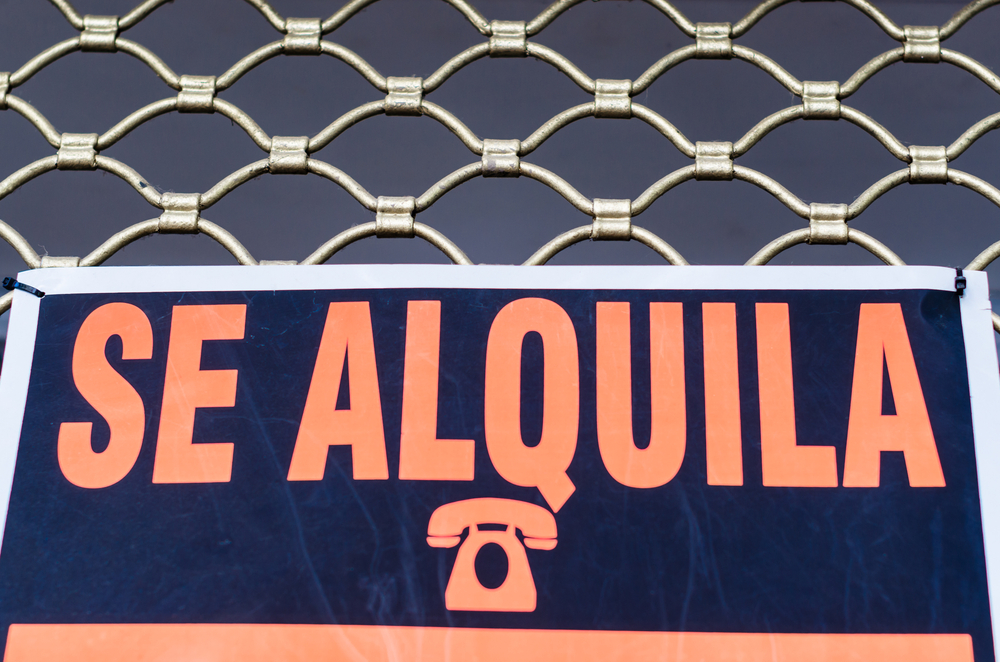
The phrase “Se Alquila” is Spanish for “For Rent.” It is the standardized term used throughout Spain to denote that a property—whether residential, commercial, or sometimes even land or parking spaces—is available for lease or rental. You might see "Se Alquila" signs in residential neighborhoods, pinned to fences around commercial premises, or listed on digital property portals. To truly understand the ramifications of “Se Alquila,” it is critical to grasp not only its linguistic translation, but also its wider significance in the Spanish real estate and rental market.
The Use of “Se Alquila” Across Spain
The visibility of “Se Alquila” signs is a testament to Spain's widespread practice of private rentals. Both individuals and agencies use the phrase when advertising properties for short-term or long-term lease. Although the words themselves never change, the context and processes behind each “Se Alquila” notice may vary greatly depending on location, property type, and the landlord’s preferences.
Variants of “Se Alquila” in Practice
- Residential Use: Apartments (“piso”), houses (“casa”), villas, and studios are most often advertised with “Se Alquila.”
- Commercial Use: Shops, offices, warehouses, and even industrial spaces may also carry this sign for business rentals.
- Other Uses: Occasionally, garages, parking spaces (“plaza de garaje”), or storage rooms (“trastero”) display "Se Alquila."
The Spanish Rental Market: An Overview
The Spanish rental market has undergone notable changes over the past few decades. Once, it was predominantly a buyers’ market—the Spanish dream focused on home ownership. However, “Se Alquila” signs now abound more than ever, especially in the aftermath of shifting economic priorities, urbanization, and the influx of foreigners seeking both short and long-term stays.
Key Rental Trends in Spain
- Urban Versus Rural: In cities such as Madrid, Barcelona, Valencia, and Málaga, rental properties are often in high demand, while smaller towns may have more availability and lower prices.
- Short Term vs. Long Term: The rise of vacation rentals and platforms offering short-term leases has changed the nature of “Se Alquila,” particularly in tourist-favored regions.
- Expatriate and Student Demand: International students and expatriates often prefer renting, adding further diversity to the market.
Statistical Insights Into Spanish Rentals
According to official statistics, around 24% of Spanish households now live in rented accommodation, a figure that has risen steadily amidst changing economic circumstances. In metropolitan areas, this rate increases notably, reflecting greater rental demand and a more dynamic market for those seeking properties labeled “Se Alquila.”
Types of Rentals Under “Se Alquila”
In Spain, the banner of “Se Alquila” covers a wide array of rental arrangements. Understanding the distinctions among these rental types is crucial for prospective tenants.
Long-Term Rentals (“Alquiler de Larga Temporada”)
Long-term rentals are leases usually spanning a minimum of 12 months, commonly renewed in yearly increments. This is the favored option for people relocating for work, families, or anyone wishing to make Spain their home base. Contracts for long-term rentals come with considerable legal protection for both parties.
Short-Term Rentals (“Alquiler de Corta Temporada”)
Typically defined as periods under 12 months, short-term rentals are common among workers on temporary assignments, tourists, or students. The regulatory framework for these can differ, particularly in cities with tight rules on tourist apartments.
Holiday Rentals (“Alquiler Vacacional”)
Also known as “viviendas turísticas,” holiday rentals are intended for short tourist stays and are subject to particular licensing requirements. The proliferation of these options has transformed the property market in many coastal and urban hotspots.
Commercial Leases
Commercial properties marked “Se Alquila” fall under different regulations and typically have more negotiable terms, reflecting the needs of businesses and commercial enterprises.
Co-Living and Room Rentals
Renting a room within a larger apartment (“habitación en piso compartido”) is increasingly popular among students, young professionals, and expatriates. Properties may be advertised with “Se Alquila” to indicate that individual rooms—as opposed to entire units—are available.
Steps Involved in Renting a Property in Spain
Understanding the process that follows spotting a “Se Alquila” sign is critical for successful renting. While each rental is unique, there are common steps tenants should anticipate.
-
Property Search:
Identify suitable properties via property portals, real estate agencies, local noticeboards, or simply by spotting “Se Alquila” signs in desired neighborhoods.
-
Contacting the Landlord:
Prospective tenants should contact the person or entity listed on the “Se Alquila” sign (owner or agency) to arrange a viewing and discuss preliminary details.
-
Viewings:
Properties are typically shown in person, allowing tenants to check the condition, location, and suitability.
-
Application:
Tenants submit documentary proof of identity (passport, NIE – Número de Identificación de Extranjero – for foreigners), proof of income/employment, and often references.
-
Agreement Negotiation:
Key terms—rent, duration, included utilities, and responsibilities—are discussed and agreed with the landlord.
-
Contract Signing:
A formal rental contract (“contrato de arrendamiento”) is signed by both parties. Spanish law mandates the content of these contracts, offering protections and outlining mutual obligations.
-
Deposit Payment:
One or more months’ deposit (“fianza”) is paid, typically held by a government agency in some regions such as Madrid or Catalonia>.
-
Key Handover and Move-In:
Upon payment of the deposit, first month’s rent, and completion of paperwork, keys are handed over and tenants may move in.
-
Utilities Setup:
Arrangements may need to be made for water, electricity, gas, and internet provision and billing.
Legal Foundations of Rental Agreements in Spain
When you see "Se Alquila," it isn't just an invitation—it's a precursor to a transaction governed by Spanish law. The primary legal foundation for residential leases is the “Ley de Arrendamientos Urbanos” (LAU, Urban Leases Act), which stipulates the rights, responsibilities, and minimum requirements for both landlords and tenants.
Minimum Contract Duration
Under current Spanish law, long-term rental contracts (for individuals, not companies) must be at least 5 years in duration, or 7 years if the landlord is a legal entity. However, these contracts often include legitimate break clauses, subject to proper notice.
Deposit Protection
A security deposit (fianza), generally equal to one month’s rent for residential property, is mandatory. In some autonomous communities, landlords are legally required to deposit this with the local housing authority.
Rental Price Regulation
While Spain allows some freedom of contract in setting rental prices, certain autonomous communities (such as Catalonia) have begun to introduce rent controls or reference indices in specific high-demand areas.
Registration and Taxation
Landlords must report rental income and may need to register the rental with local tax authorities or obtain specific licenses, especially for holiday lets.
Tenant Protections
- Protected tenure for contracts adhering to the minimum length requirements.
- Right to remain in property for up to 5 or 7 years, provided rent is paid and terms are respected.
- Obligation for landlords to maintain the property in a fit state for habitation.
- Regulations around notice periods for termination—typically one or two months, depending on circumstances.
Obligations and Rights of Tenants and Landlords
Both parties in a “Se Alquila” transaction have a clear set of duties and entitlements established under Spanish law. These protections foster stability and clarity in all rental agreements.
Landlord Obligations
- Property Maintenance: Landlords must ensure the property is suitable for habitation and promptly address repairs not caused by tenant misuse.
- Peaceful Possession: Once let, the landlord must respect the tenant’s right to privacy and cannot enter without permission except in emergencies.
- Deposit Handling: The security deposit must be collected and, in some regions, lodged with authorities; it must be returned promptly at the end of the tenancy if no damage or arrears is found.
Tenant Obligations
- Rent Payment: Rent must be paid as agreed. Frequent lateness or non-payment is grounds for contract termination.
- Use of Property: Tenants must respect the designated use—residential, commercial, etc.—and avoid causing damage beyond normal wear and tear.
- Notification of Repairs: Tenants should inform landlords promptly if repairs are needed.
- No Unauthorized Subletting: Tenants are generally prohibited from subletting the property without the landlord’s consent.
Shared Rights
- Right to clear, written contracts and a proper record of all payments.
- Obligation to respect community rules and local regulations.
- Termination rights, subject to notice.
Documentation and Paperwork: What to Expect
A “Se Alquila” transaction, like any legal arrangement, requires proper documentation. Adhering to these protocols helps prevent disputes and ensures a smooth relationship between tenant and landlord.
Typical Documents for Renting
- Identification: Passport, ID card (DNI), and/or NIE (for foreigners).
- Proof of Income: Recent payslips, tax returns, or employment contract. For self-employed, documentation of solvency is requested.
- Rental Contract: Detailing parties, property, duration, rent, deposit, and other conditions.
- Inventory (Inventario): List of furniture, appliances, and their conditions—especially important for furnished rentals.
- Receipts: Record of every payment, particularly for deposit and rent.
Recommended Additional Paperwork
- Bank statements or letters of reference from previous landlords (sometimes requested).
- Proof of registered address or legal residence to show eligibility and intent.
The Spanish Rental Contract: Key Clauses Explained
The Spanish rental contract is at the heart of all "Se Alquila" arrangements. Understanding its most crucial provisions can avoid misunderstandings later on.
Essential Clauses
- Parties to the Contract: Full identification details of the landlord and tenant.
- Property Details: Exact address, cadastral reference (reference used by the property registry), description, and inventory.
- Duration and Renewal: Start date, length, automatic renewal terms, termination rights.
- Rent: Amount, payment method, frequency, and any review mechanism (such as annual increases based on CPI—Consumer Price Index).
- Deposit and Guarantees: Amount, terms for return, and any additional guarantees.
- Utilities and Expenses: Clear delineation of responsibility for water, electricity, gas, internet, community fees, and property taxes (IBI).
- Use and Condition: Specification that property is for residential (or other agreed) use, references to repairs, renovations, and obligations at end of lease.
Special Clauses
- Early Termination (“Desistimiento”): Rules for unilaterally ending the contract before term, including minimum residence period and notice (typically 30 days after the first six months of tenancy).
- No Subletting Clause: Generally prohibits further letting without written permission from landlord.
- Pet Policy: Permissions or restrictions regarding animals in the property.
- Renovation and Work: Whether tenants may adapt or improve the property, and if so, under what conditions.
Challenges and Considerations When Renting in Spain
While “Se Alquila” presents an open welcome, it is not without its pitfalls. Both Spanish nationals and foreigners should be mindful of several challenges in the rental process.
Scams and Unregulated Rentals
Unfortunately, as with many property markets, scams targeting prospective tenants do exist, particularly in online property listings. Common red flags include requests for payment before a viewing, suspiciously low prices, or refusal to show paperwork.
Unlicensed Holiday Lets
Particularly in cities with strict letting rules (such as Barcelona or Palma de Mallorca), landlords may offer rentals without proper licenses. Staying in such properties can result in eviction or legal action.
Complexity of Market in Tourist Zones
High demand in coastal and touristic hotspots can lead to inflated prices, seasonal changes in availability, and fierce competition for high-quality rentals.
Language Barriers and Bureaucracy
Rental documents are almost always in Spanish, and the legal language can be daunting for non-native speakers. It is advisable to seek translation or expert assistance if needed.
Regional Differences Across Spain
Spain’s autonomous regions each have the power to regulate aspects of the rental market. While “Se Alquila” means the same everywhere, the rules may differ depending on location.
Madrid
The Madrid rental market is highly active, and deposit protection is obligatory—landlords must pay the deposit into the IVIMA (now Agencia de Vivienda Social de Madrid). Certain rent restriction measures are being debated at government level, particularly in response to rising housing costs.
Catalonia
Catalonia regulates official deposits (paid to INCASÒL) and has pioneered rent control measures, including a “reference price” system in some cities to restrict excessive increases.
Andalusia
Holiday rentals (called “viviendas con fines turísticos”) are subject to specific permits, and landlords must register these properties with the Junta de Andalucía.
Valencia Region
Here too, tourism regulation affects certain rentals, and authorities have introduced strong controls on holiday let licensing. Tenant protections generally mirror national law.
Balearic Islands and Canary Islands
Due to intense tourism pressures, holiday lets are highly regulated, and renting solely for tourism without a proper license is illegal in many municipalities.
Market Dynamics: Supply, Demand, and Seasonal Fluctuations
The meaning of "Se Alquila" is closely linked to the realities of local supply and demand, which can fluctuate for various reasons throughout the year and across regions.
Seasonality in Tourist Regions
Coastal and island areas see rental prices spike in summer, often with properties let for just a few months at premium rates. In winter, more properties become available at reduced prices, sometimes for longer terms.
Urban Market Pressures
In major cities, steady demand from local workers, students, and expatriates keeps rents high, especially in central neighborhoods. Competition can be fierce, especially at the beginning of the academic and fiscal years.
Rural and “Empty Spain” Dynamics
In smaller towns and interior provinces, rental markets are often less dynamic, with ample supply and moderate prices. Here, “Se Alquila” signs may stay up for longer, and rental contracts tend to be more negotiable.
Foreigners and “Se Alquila”: Tips for Non-Residents
Renting in Spain is increasingly common among expatriates and long-term visitors. If you are a foreigner planning to act on a “Se Alquila” advertisement, there are several important points to note.
NIE Number
The NIE (“Número de Identificación de Extranjero”) is essential for virtually any legal or financial transaction in Spain, including renting. It serves as your official tax and identification number. You should apply for it as soon as possible after arriving in Spain or even from your home country through the Spanish consulate.
Document Preparation
Foreign renters should be prepared to provide translations or notarized copies of documents attesting to income, employment, and identity. Landlords may ask for extra security, such as bank guarantees or upfront payment, if your employment situation is outside Spain.
Bank Account
Rent is almost always paid by Spanish bank transfer. Opening a Spanish bank account facilitates prompt and secure payments.
Understanding Contracts
Always seek professional help if you do not fully understand the Spanish rental contract. The terms and duties should be clear—a poorly drafted agreement could expose you to unnecessary risk.
Tenancy Insurance (“Seguro de Impago de Alquiler”)
Some landlords may require or recommend an insurance policy to cover unpaid rent or damages. While not obligatory, it provides extra security for all parties.
Financial Considerations When Renting in Spain
The cost of renting in Spain encompasses more than just monthly payments. When acting upon a “Se Alquila” ad, consider the following likely expenses:
- Monthly rent—as agreed in the contract.
- Standard deposit (“fianza”)—typically one month’s rent for residential lets.
- Additional guarantees or “aval bancario”—sometimes requested instead of, or in addition to, the deposit.
- Agency fees—if handled through an agency, tenants usually pay a fee equal to one month’s rent (varies by region).
- Utilities and community charges—these are sometimes included, but often are paid separately by the tenant.
Rent Increases and Reviews
The rental contract should stipulate when and how rent may increase. According to law, raises are typically linked to the national Consumer Price Index (IPC), unless another approach is agreed.
Furnished vs. Unfurnished Rentals
The “Se Alquila” notice can refer to furnished (“amueblado”) or unfurnished (“sin amueblar”) properties—both types are abundant in Spain.
Furnished Rentals (“Piso Amueblado”)
These apartments are ready to move into, with all basic furniture and appliances provided. Furnished rentals are common for short-term or expatriate tenants.
Unfurnished Rentals (“Piso Sin Amueblar”)
Long-term tenants often opt for unfurnished properties, giving them the flexibility to personalize the living space. Even these may commonly provide kitchen units, a stove, and some major appliances.
Inventory and Condition Reports
For both furnished and unfurnished lets, always insist on a thorough inventory and property condition report. This can avoid dispute about the return of the deposit when leaving the property.
Utilities, Bills, and Community Charges
Understanding which bills are your responsibility is an essential step when considering any property marked “Se Alquila.”
Typical Bills in a Spanish Rental
- Electricity (luz)
- Water (agua)
- Natural gas (gas natural)
- Internet/telephone services
- Community charges (gastos de comunidad)—maintenance of shared facilities (usually paid by landlord but sometimes the tenant)
- Local property tax (IBI, Impuesto sobre Bienes Inmuebles)—typically landlord's responsibility
The rental contract should specify which bills are included in the rent and which are paid separately by the tenant. It is prudent to clarify these points before signing.
Special Cases: Renting to Students and Shared Flats
“Se Alquila” signs are particularly prevalent in university cities like Salamanca, Granada, and Sevilla, targeting students and people seeking shared accommodation.
Contracts for Students
Student contracts often run for the academic year (nine to ten months) and may include furnished rooms in shared flats (“piso compartido”). Agencies and landlords may require a parent or guardian as a guarantor.
Rights and Responsibilities in Shared Flats
- All tenants should be named in the contract for full protection.
- Common expenses (electricity, water, internet) are typically divided proportionally.
- Clear rules should be set regarding visitors, quiet hours, and shared cleaning responsibilities.
Ending a Tenancy: Termination and Deposits
Eventually, every rental under the banner of “Se Alquila” comes to an end. Knowing your rights and responsibilities when leaving a rental can help ensure the return of your deposit and prevent disputes.
Notice Requirements
Tenants must normally give a minimum of 30 days’ written notice (sometimes more, check contract). Landlords must also provide written notice if the contract is not to be renewed.
Returning the Deposit
The landlord is obligated to return the deposit within one month of the end of the contract, minus any deductions for documented damage or unpaid bills. If the landlord delays or makes unfair deductions, the tenant can pursue legal remedies.
The Future of “Se Alquila” in Spain: Evolving Markets and Regulations
As Spain continues to adapt to changing economic, social, and demographic realities, the “Se Alquila” sector remains both dynamic and central to Spanish life.
Increasing Demand for Flexibility
Younger generations, a growing expatriate population, and shifting employment patterns are driving a trend toward renting instead of buying. This is likely to make “Se Alquila” even more common and diverse in future.
Regulatory Evolution
National and regional governments continue to adapt legislation, particularly to address issues of homelessness, affordability, and fair competition with short-term tourist lets.
Digital Transformation
Property searches, rental applications, payments, and even virtual viewings are moving online, making the process easier yet potentially more opaque. Prospective tenants should remain vigilant against digital scams and phishing.
Practical Tips for a Successful “Se Alquila” Experience
- Always insist on a written contract and keep copies of all paperwork.
- Clarify who is responsible for which bills before signing.
- Use your own bank account for rental payments for proof.
- Do not pay deposits without having seen the property in person and verifying the owner’s identity and legal authority.
- Check for any outstanding community or local tax debts that might affect your tenancy.
- Where necessary, employ a reputable agency or legal professional for added security and to negotiate terms in your favor.
- Document the condition of the property (photos, inventory) upon entry and departure.
- Communicate clearly and in writing with your landlord about all important matters.
- Seek local advice regarding rental conditions in your chosen region, as rules for deposits, rent, and notices can differ regionally.
Conclusion: “Se Alquila” – A Key to Spanish Living
The phrase "Se Alquila" is far more than just a sign in a window—it encapsulates the dynamic Spanish rental market, a gateway to flexible, vibrant living experiences across Spain’s many regions. Whether you are a local or a foreigner, a student, worker, retiree, or entrepreneur, understanding the nuances behind "Se Alquila" is essential for securing the perfect property and enjoying a smooth, legally secure rental.
While Spain’s letting laws are protective and comprehensive, the local variation, language barriers, and market quirks make knowledge your best ally. By equipping yourself with the insights, legal context, and practical strategies covered in this guide, you can approach any “Se Alquila” sign with confidence—ready to turn the opportunity into your new Spanish home or business base. Enjoy your time in Spain and buen alquiler!