





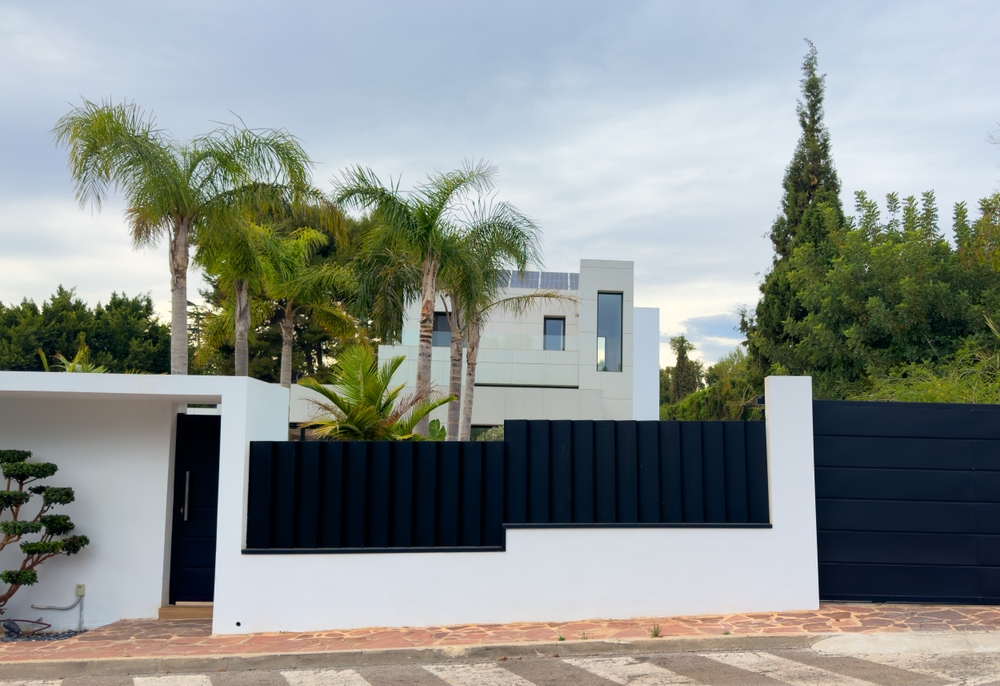
Introduction: The Allure of Purchasing a Second Home in Spain
Spain, celebrated for its sun-drenched coastlines, rich culture, exquisite cuisine, and warm hospitality, has long been a magnet for international property buyers. Whether you are enticed by the cosmopolitan lifestyle of Barcelona, the serene beaches of Costa del Sol, or the timeless charm of inland Andalusia, acquiring a second home in Spain is a dream for many. For those aspiring to balance investment security with personal enjoyment, purchasing a second home (or "2e huis") in Spain offers both lifestyle enhancement and financial benefits. This comprehensive guide, crafted by IMMO ABROAD, presents everything you need to know before you take the plunge into the Spanish property market.
Why Purchase a Second Home in Spain?
The decision to buy a second home in Spain is multifaceted. It is not only about acquiring a beautiful villa on the Mediterranean or a chic city apartment; it’s about understanding what Spain can offer for your long-term goals, lifestyle preferences, investment plans, and family needs.
Climate and Lifestyle Appeal
One of Spain’s primary draws is its diverse and pleasant climate. From the temperate northern coast to the sun-kissed south, Spain boasts over 320 days of sunshine per year in regions like Costa Blanca and Costa del Sol. Mild winters and hot, dry summers create an inviting climate for year-round enjoyment of outdoor activities, whether it’s golf, water sports, hiking, or simply relaxing on the terrace.
Strong Infrastructure and Accessibility
Spain’s robust infrastructure makes it easily accessible from most European cities. With an extensive network of international airports, high-speed AVE trains, modern highways, and well-maintained local transport, you can travel seamlessly from almost anywhere in Europe to your Spanish second home within hours.
Cultural Heritage and Gastronomy
From bustling markets and tapas bars to flamenco shows and world-class museums, Spain offers a captivating cultural tapestry. Each region has its unique traditions, festivals, and cuisines—a continuous journey of discovery for property owners who visit regularly or make Spain their long-term second residence.
Investment Benefits
Spanish real estate continues to be an attractive option for medium to long-term investment. Historically, coastal properties and well-located urban apartments see steady appreciation and high rental yields, particularly in tourist hotspots. The Spanish Golden Visa program has further stimulated demand, drawing non-EU investors seeking residency through property investment.
Popular Regions for a Second Home in Spain
The diversity of Spain’s regions offers tailored options to suit every buyer’s taste and budget. Here is an in-depth look at some of the most sought-after second home destinations across the country.
Costa del Sol
Costa del Sol stretches along Malaga province, encapsulating beaches, marinas, and luxury resorts. Marbella, Estepona, and Benalmadena top the list for their upmarket communities and world-class amenities. Golf enthusiasts flock to “Costa del Golf,” with over 70 courses scattered along the coastline. The region is renowned for its international flair, excellent dining, and year-round events.
Costa Blanca
The Costa Blanca region attracts buyers with its remarkable quality of life, from the bustling city life of Alicante to picturesque towns like Altea, Denia, and Moraira. The microclimate of this region is said to be one of the healthiest in Europe. The cost of living here is generally lower than in Costa del Sol, making it a favorite among retirees and families.
Balearic Islands: Mallorca, Ibiza, and Menorca
For those yearning for island life, the Balearics provide a prestigious option. Mallorca balances cosmopolitan living with tranquil villages, while Ibiza is the go-to for vibrant nightlife and scenic vistas. Menorca offers a more laid-back ambiance, ideal for relaxation. Luxury demand has kept property values robust in these islands.
Catalonia and Barcelona
Barcelona, a cosmopolitan gem, appeals to urban dwellers with its architecture, cultural scene, and Mediterranean beaches. The surrounding region of Catalonia offers charming rural escapes such as Girona and the Costa Brava, synonymous with turquoise coves and pine-clad hills.
The Canary Islands
Boasting the “best climate in the world,” the Canary Islands combine a subtropical setting with unique volcanic landscapes. Tenerife, Gran Canaria, Lanzarote, and Fuerteventura offer tax breaks and a year-round tourist season—beneficial for rental yields and property appreciation.
Legal Considerations of Buying a Second Home in Spain
Spanish property laws are complex, and with varied requirements for foreign buyers, expert guidance is paramount. The purchase process, documentation, and ongoing obligations must be understood to avoid legal and financial pitfalls.
Property Ownership Rights
Spain offers full freehold ownership (“propiedad plena”) to foreign buyers. As an owner, you benefit from the same rights and protections as Spanish nationals, including residence rights (if desired under specific conditions) and the ability to resell or rent out your property.
NIE Number
A Numero de Identidad de Extranjero (NIE) is obligatory for all non-citizens buying property in Spain. It serves as your fiscal identification and must be obtained prior to signing any purchase agreements or opening a Spanish bank account.
Due Diligence
Professional due diligence is critical:
- Ensuring the seller has valid title and all paperwork is in order
- Confirming the absence of debts, encumbrances, or architectural infractions
- Verifying planning permissions if you intend to renovate or extend
Land Registry and Public Deed
The purchase is formalized through a Notarial Public Deed (Escritura Pública), then registered at the corresponding Land Registry. This ensures your title is officially recognized and protects you from counter-claims.
Buying Off-Plan or New Build
For off-plan or new-build properties, additional layers of protection apply, especially regarding stage payments, bank guarantees, and delivery timelines. Due diligence should encompass developer credentials, licensing, and completion guarantees.
Step-by-Step Guide to Acquiring a Second Home
The Spanish property purchase process, while transparent, involves several critical steps. Understanding these will help you navigate the journey with confidence.
Step 1: Property Search
Consider your needs—location, budget, amenities, and future value. Whether you seek a seaside villa, mountain finca, or city apartment, define your “must-haves” before scheduling viewings. Professional agencies such as IMMO ABROAD provide curated portfolios and personalized tours tailored to your criteria.
Step 2: Reservation and Deposit
Once you identify a property, a reservation agreement and accompanying deposit (usually €3,000–€6,000) secure the property and remove it from the market. This preliminary contract sets out the agreed terms while your legal checks proceed.
Step 3: Legal Checks and Financing
Your legal representative will verify the property’s legal status, municipality requirements, and tax situation. Concurrently, if purchasing with a mortgage, obtain a formal offer from your bank, subject to property valuation.
Step 4: Private Purchase Contract
After successful due diligence, both parties sign a private purchase contract (“contrato de arras”), and you normally pay 10% of the purchase price (minus the reservation deposit). This contract specifies the remaining conditions and timeline to completion.
Step 5: Completion at Notary
On the agreed completion day, the balance (usually by bank draft) is paid to the seller in the notary’s presence. The signed title deed is immediately registered, and you officially receive the keys to your new Spanish home.
Step 6: Post-Purchase Administration
Following completion, several actions remain:
- Registration of the deed with the Land Registry
- Payment of transfer taxes and notary fees
- Setting up utilities and local taxes in your name
Financing Your Second Home in Spain
Purchasing a second home involves financial planning and a clear understanding of your available funding options. Spanish mortgage products and cross-border considerations can influence your strategy.
Cash Buyers vs. Mortgage Financing
Approximately half of foreign buyers in Spain use mortgage financing. Spanish banks will typically lend up to 60–70% of the property’s value to non-residents. Mortgage terms range from 10–25 years, with both fixed and variable-rate options available.
Required Documentation
When applying for a Spanish mortgage, standard documents include:
- Passport and NIE number
- Proof of income (employment contract or tax returns)
- Bank statements
- Existing debt obligations
- Property details and valuation report
Currency Considerations
If your primary income is not in euros, be aware of currency fluctuation risks. Some buyers use currency exchange specialists to lock in favorable rates or leverage multi-currency mortgages.
Tax Implications of Financing
Interest paid on mortgage loans is generally not deductible for non-resident buyers. However, having a mortgage can be advantageous for inheritance tax planning. Consult a qualified tax expert to optimize your structure in both Spain and your home country.
Understanding Costs and Taxes
Owning a second home in Spain entails several costs—some upfront, others ongoing. Accurate budget planning prevents surprises and ensures a sustainable investment.
Purchase Costs
Typical purchase-related expenses include:
- Property Transfer Tax: 6–10% (existing homes, varies by region)
- VAT (IVA): 10% (new-build properties)
- Notary and Land Registry Fees: 1–2%
- Legal fees: 1–2%
- Mortgage arrangement fee: 1–2% (if applicable)
Ongoing Taxes and Expenses
Key recurring costs:
- IBI (Impuesto sobre Bienes Inmuebles): Annual municipal property tax, calculated on cadastral value.
- Community Fees: Shared maintenance for communal areas (apartments, gated developments).
- Wealth Tax (Impuesto sobre el Patrimonio): Applies to assets above a certain threshold.
- Non-resident Income Tax: Even if the property is not rented, a notional rental value is taxed annually for non-residents.
- Garbage Collection and Utilities: Local bins, water, electricity, gas, and internet.
- Insurance: Comprehensive home and contents insurance is recommended.
Furnishing and Maintaining Your Spanish Property
After purchase, the next step is transforming your new house into a “home away from home.” Balancing style, practicality, and upkeep requirements is vital for a comfortable, hassle-free stay.
Furnishing Your Home
Local furniture shops, artisan workshops, and international brands abound in popular expatriate areas. Tailor your interiors to the Mediterranean climate—think tiled floors, light fabrics, and indoor-outdoor spaces. Some buyers prefer taking advantage of “key-ready” or fully-furnished homes, while others enlist interior designers for a unique stamp.
Property Management Options
For non-resident owners, professional property management ensures peace of mind:
- Key holding and security checks
- Regular cleaning and garden maintenance
- Pool servicing
- Supervision of repairs and renovations
- Mail and bill management
Renovation and Value-Added Projects
Renovating a Spanish property can significantly boost its comfort and value. Popular projects include kitchen and bathroom upgrades, energy-efficient windows, landscape design, and constructing pools or terraces. Always check whether planning permissions (“licencia de obras”) are required, and use vetted local contractors guided by a knowledgeable project manager.
Using Your Second Home: Personal Enjoyment and Rental Potential
A second home in Spain can serve as both your private retreat and a valuable asset. Owners often debate the optimal way to maximize enjoyment and return—here’s how to strike the right balance.
Personal Getaways
Many buyers use their Spanish property as a seasonal base—regular escapes for sunshine, golf, and family holidays. The excellent climate and amenities make last-minute and extended stays equally viable, especially for remote workers or retirees.
Rental Opportunities
With Spain among the top tourist destinations worldwide, rental demand is robust—particularly in coastal and city locations. Short-term holiday letting via platforms or long-term rental contracts provides attractive yields.
Regulation of Holiday Rentals
Recent years have seen tighter local regulations regarding holiday rentals (“alquiler vacacional”). Many regions require a registration number and compliance with safety and quality standards. Non-compliance can result in fines or rental bans, making it essential to stay informed and supported by local experts, such as those from IMMO ABROAD.
Practical Management of Lettings
A reputable property manager handles guest bookings, check-in/check-out, cleaning, and maintenance, while ensuring taxes and permits are up-to-date. This hands-off approach allows owners to benefit from rental income without daily involvement.
Spanish Residency and the Golden Visa Program
For non-resident buyers, the Spanish “Golden Visa” program presents an attractive path to residency and, eventually, citizenship.
What is the Golden Visa?
By investing at least €500,000 in Spanish real estate, non-EU/EEA buyers qualify for a renewable residency permit. This allows for unrestricted travel within the Schengen area and the right to live, work and study in Spain.
Golden Visa Advantages
- No minimum stay requirement (unless applying for permanent residency or citizenship)
- Family inclusion—spouse, children, and dependent parents
- Access to Spanish healthcare and education systems
- No pledge to renounce your existing nationality
Other Residency Options
Apart from the Golden Visa, other residency paths include the Non-Lucrative Visa (for retirees and those of independent means) and work permits. Each comes with specific application and renewal conditions.
Taxation for Second Home Owners in Spain
Owning a second home in Spain has direct tax implications—both locally and potentially in your country of residence. Proper knowledge and planning are essential for compliance and efficiency.
Non-Resident Income Tax (IRNR)
Non-resident owners are liable for Spanish income tax on their property, even if it is not rented out. The tax is based on a notional rental value (usually 1.1–2% of the cadastral value), taxed at 19% for EU/EEA residents and 24% for others.
Rental Income Tax
If you let your property, you are taxed on the actual rental income:
- 19% for EU/EEA residents (with costs deductible)
- 24% for other non-residents (no deductions allowed)
Wealth Tax
A national wealth tax applies to worldwide assets above an exemption threshold (€700,000 per individual, plus a main home exemption of €300,000 for residents; varies by region). For most second-home owners, the threshold is not exceeded, but where it applies advanced planning is vital.
Inheritance and Gift Tax
Inheritance and gift tax laws differ by region and by the relationship between donor and beneficiary. Careful structuring—such as owning through a company, joint ownership, or using trust instruments—may optimize your position.
Double Taxation Agreements
Spain has treaties with most European and OECD countries to avoid double taxation. Nonetheless, professional tax advice ensures you pay only what is due and helps avoid audit risks.
Practical Aspects of Living in Spain: What Second Home Owners Need to Know
Beyond the property transaction, second-home ownership introduces various practicalities. Understanding local customs, services, and regulations will enhance your experience and foster integration into the Spanish way of life.
Healthcare and Insurance
All residents (and many non-residents) are eligible for public healthcare, but private health insurance is recommended for supplementary coverage. Spain boasts a high standard of medical care, with hospitals and clinics in all major cities and resort areas.
Education for Families
Should you relocate or spend extended time with family, Spain has a range of international and local schools. Lessons are delivered in Spanish, Catalan, or English, with curricula (IB, British, American) to suit expatriate families.
Language and Integration
While English is widely spoken in tourist hubs, a basic command of Spanish (or Catalan in Catalonia) will enrich your stay, facilitate administrative tasks, and open new social circles. Language schools and conversation groups abound throughout Spain.
Social Life and Activities
Spain’s lifestyle emphasizes outdoor living, socializing, and celebration. Festivals, markets, sporting clubs, and cultural associations present countless opportunities to meet locals and other expatriates, cementing your sense of belonging.
Banking and Financial Management
Opening a Spanish bank account simplifies transactions, tax payments, and utility setups. Mobile banking apps and online bill payments are widely supported, making remote management of your property straightforward.
Security and Safety
Spain is a safe country, with low crime rates and reliable emergency services. Vigilance is always advised—use reputable security systems, insure your valuables, and stay informed about local safety advice.
Selling Your Second Home in Spain: The Exit Strategy
Markets evolve, and your life plans may change, prompting you to consider selling your Spanish second home. Preparing now ensures a smooth and rewarding sale when the time comes.
Preparing Your Property
First impressions count. Invest in minor repairs, enhancements, and professional cleaning to maximize value. Staging the home for viewings—invoking the Mediterranean lifestyle—can yield a significant return.
Valuation and Market Positioning
An accurate, up-to-date valuation based on recent comparable sales and market trends is essential. Professional guidance can help you time the sale to market cycles, optimize pricing, and minimize time on the market.
Seller’s Taxes and Costs
When selling, be prepared for:
- Capital Gains Tax (on profit above indexed purchase price)
- Plusvalía municipal (increase in land value tax)
- Agency and legal fees
Legal and Administrative Steps
Your legal advisor will collate documents, settle outstanding utility bills or community fees, and coordinate with the buyer’s notary and bank. Completion typically mirrors the original purchase process, with funds transferred at the notary’s office.
Frequently Asked Questions About Buying a Second Home in Spain
Can foreigners freely buy property in Spain?
Yes. There are no restrictions on foreign property ownership in Spain. Both EU and non-EU citizens can purchase freehold homes, invest, and resell with full legal rights.
How long does the buying process usually take?
From initial reservation to notarial completion, the process typically takes two to three months, depending on due diligence, mortgage approval, and property documentation status.
Do I need to be present for the entire process?
Personal presence is only required for the notary appointment (unless you grant power of attorney). Most other steps can be managed remotely via your legal representative or trusted agency.
Is property in Spain a sound investment?
Spanish real estate, particularly in prime or tourist regions, consistently delivers steady capital appreciation and high rental demand, especially when purchased with proper guidance and market insight.
What if I want to renovate or extend my property?
Planning permission is required for substantial projects. Local rules and community restrictions apply—always consult an expert before making commitments.
What ongoing costs should I expect?
Beyond the initial purchase fees, expect annual property taxes, community fees, insurance, utilities, and property management (if desired). Accurate budgeting avoids unpleasant surprises.
What are my obligations as a landlord?
Rental properties must be registered, comply with safety standards, and pay relevant taxes. In certain regions, holiday lettings may be restricted.
The Role of IMMO ABROAD: Your Trusted Partner
Selecting a dedicated, ethical, and experienced partner is the key to enjoying all the benefits of ownership while minimizing risks.
IMMO ABROAD, with decades of expertise, operates across Spain’s most desirable regions, guiding clients through every step from property search to purchase, and ongoing management.
Personalized Service
Your individual goals and preferences are at the heart of the process. The team takes time to understand your requirements, offering hand-picked portfolios, in-depth local knowledge, and transparent advice. Viewings, negotiations, and documentation are handled with total professionalism.
Full Spectrum Support
Whether you need assistance with banks, lawyers, architects, or after-sales management, IMMO ABROAD provides a seamless “one-stop service.” The trusted network streamlines all necessary procedures, ensures regulatory compliance, and delivers peace of mind before, during, and after your purchase.
Final Thoughts: Realizing Your Spanish Dream
Buying a second home in Spain is as much about lifestyle as investment. With the right preparation, support, and guidance, foreign buyers can confidently turn their dream into reality, creating lasting memories, securing steady returns, and becoming part of a vibrant Mediterranean community.
Whether you seek sun-drenched beaches, rolling vineyards, historic villages, or cutting-edge cities, Spain has a second home for every vision. Let IMMO ABROAD be your guide, translating aspirations into bricks and mortar—and a richer life beneath the Iberian sun.
Glossary of Key Terms
- NIE (Numero de Identidad de Extranjero): Foreigner’s tax and identification number, required for purchases.
- Escritura Pública: Official deed signed at the notary.
- IBI (Impuesto sobre Bienes Inmuebles): Annual local property tax.
- Arras: Deposit contract underlying the purchase agreement.
- Golden Visa: Residency permit for foreign property investors in Spain.
- Plusvalía Municipal: Capital gains tax assessed by the town council.
- Wealth Tax: Annual tax on total net assets above a threshold.
- Community Fees: Costs for maintenance of communal areas in apartments or resort developments.
- Cadastral Value: The administratively determined value of a property, forming the basis for certain taxes.
Conclusion: Begin Your Spanish Property Journey Today
Navigating the intricacies of the Spanish real estate landscape requires up-to-date knowledge, thorough preparation, and the support of an experienced partner. As you embark on the exciting journey of buying a second home in Spain, rest assured that comprehensive support is available at every milestone—from the initial search to ongoing management and, eventually, an optimized resale.
With sun, heritage, and opportunity on offer, your Spanish dream is closer than ever with IMMO ABROAD at your side. Unlock a new chapter in your life under the Spanish sky—where every visit feels like coming home.