





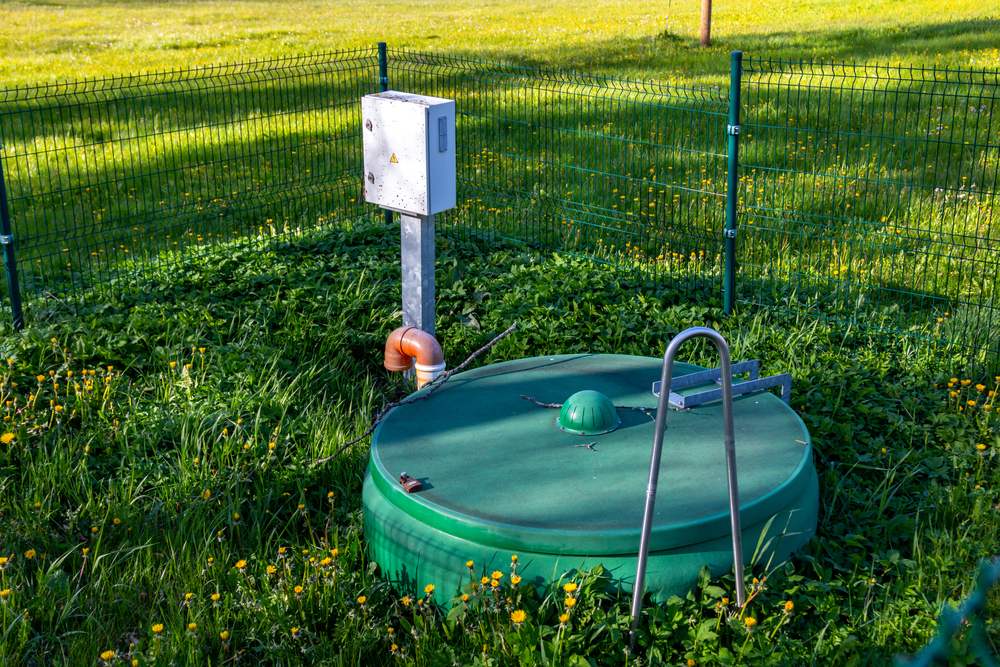
Introduction to Septic Tanks in Spain
For property owners and investors in Spain, understanding the ins and outs of septic tanks is not merely a matter of convenience—it is a pivotal aspect of both legal compliance and sustainable living. Especially in rural, suburban, or newly developed areas where municipal sewage networks may not be accessible, septic tanks become an essential infrastructure component. With the unique geography, climate, and regulations across the Spanish regions, owning or planning to install a septic tank involves careful consideration and expertise.
This comprehensive guide by IMMO ABROAD explores every critical aspect of septic tanks in Spain. From the types of systems suitable for different environments, to legal obligations, costs, installation, and maintenance, to environmental and health factors—this article aims to provide you with a thorough, actionable, and up-to-date reference. Whether you’re a homeowner, a builder, a real estate investor, or simply interested in the workings of septic systems in Spain, you will find detailed answers to all your questions.
What Is a Septic Tank and How Does It Work?
A septic tank is an underground waste treatment system designed to process domestic sewage and wastewater. Its fundamental function is simple but crucial: promote the separation and partial breakdown of solids, while allowing effluent water to safely rejoin the environment.
The Core Mechanism
The process involves several basic steps:
- Wastewater Enters the Tank: White water carrying black and grey waste flows from a property’s plumbing into the septic tank.
- Separation and Decomposition: Heavier solids settle to the bottom, forming sludge, while lighter materials like oils float to the top, creating scum. Anaerobic bacteria work on breaking down these solids.
- Effluent Discharge: The relatively clear liquid in the center is directed out into a drainage field or soakaway, where further natural filtration and breakdown occurs.
This process, though seemingly straightforward, relies on proper design and regular maintenance, particularly in Spain where specific soil types, water tables, and climate conditions influence system performance.
Types of Septic Tank Systems in Spain
Not every property can utilize the same septic tank system. The choice depends on environmental, regulatory, and practical considerations. The principal types available and commonly used in Spain include:
- Traditional Septic Tanks: These are the conventional concrete or plastic tanks with a simple two or three-chamber design. They offer basic treatment and require a suitable drainage field with permeable soil.
- Bioseptic or Aerobic Treatment Units: These advanced systems introduce air to enhance bacterial breakdown, resulting in cleaner effluent and reduced environmental risk—a rising trend in Spanish eco-conscious developments.
- Integrated Filtration Tanks: Often required in areas with strict environmental controls, these combine sedimentation and filtration in one unit, optimizing treatment and minimizing discharge pollutants.
- Greek Septic Tanks: An older, less common variant, sometimes still encountered in rural or mountainous regions of Spain, often lacking proper drainage, which can lead to compliance issues.
Each system has distinct installation requirements, space considerations, advantages, and potential limitations. Consulting a specialist is critical to ensure that the solution fits the property’s geological, hydrological, and regulatory context.
Legal Regulations for Septic Tanks in Spain
Spanish property law is highly specific about wastewater management to safeguard both health and environment. Regulations vary at national, regional (Autonomous Community), and even local level, with key requirements including:
- Permits and Authorization: Installation and modification of septic systems always require planning permission. For new builds, this is part of the broader building permiso.
- Environmental Impact Assessment: In ecologically sensitive areas, an impact study may be obligatory prior to approval.
- Technical Compliance: Spanish and EU norms (UNE-EN 12566) specify minimum tank sizes, structural materials, distances from dwellings and water sources, and drainage field design.
- Inspection and Maintenance Records: Owners must maintain documentation proving periodic emptying, cleaning, and any technical upgrades or repairs have been completed by licensed professionals.
Failure to comply can result in heavy fines or even legal action, especially in the wake of contamination incidents. It is highly advisable for all property owners to familiarize themselves with both national rules and the specific requirements of their municipality or region.
Septic Tank Installation Process
Constructing a compliant, efficient septic tank system in Spain involves several steps, typically undertaken by qualified civil engineers and specialized installers. The process includes:
Site Assessment
Before any physical work begins, a detailed analysis of the soil type, groundwater levels, plot topology, and proximity to waterways or protected land is essential. This may involve test drilling, percolation testing, and consultation with local authorities.
System Design and Permit Application
Based on the assessment, a tailored design is prepared to suit the property’s needs and local technical codes. The necessary plans and documentation are then submitted for planning permission. The approval process varies in duration depending on the municipality and any environmental impact considerations.
Excavation and Installation
Once permitted, groundwork begins: a pit is excavated and stabilized to suit the tank’s dimensions. The tank is installed, and linked with both the inbound property sewer and outbound drainage or filtration system. All materials must meet UNE and CE certification standards.
Inspection and Commissioning
Many local authorities require official inspection before the system may be used. Once passed, the system is buried and permanently marked for future servicing.
Professional installation is vital to ensuring long-term functionality and compliance. Property owners should always request a full dossier of technical specifications, permits, and warranties upon completion.
Costs of Septic Tank Systems in Spain
The price of a septic tank system in Spain can vary within a broad range, depending on variables such as:
- Type and capacity of tank (measured in liters, typically 2,500 – 6,000 for family homes)
- Soil and site preparation needs
- Accessibility of the property for heavy machinery
- Choice of drainage or advanced filtration systems
- Engineering and surveyor fees
- Permit and administrative costs
As a general estimate:
- Basic installation (rural, standard soil, basic tank): €2,500 – €5,000
- Advanced or bioseptic systems: €6,000 – €12,000
- Complex site, protected areas, or luxury installations: €15,000 or more
Additionally, annual maintenance (including pumping and inspection) typically costs €200 – €400. These investments are not only mandatory but represent a significant factor in preserving property value, especially in the eyes of future buyers or rental clients.
Maintenance and Lifespan of Spanish Septic Tanks
Proper care extends the life of a septic tank significantly—often to 20, 30, or even 40 years. Spanish regulations mandate periodic emptying by authorized waste management firms, as well as regular inspections. Key points include:
- Pumping: Residential systems require tank emptying every 1–4 years depending on use and capacity.
- Inspection: Checking the structural integrity of the tank, baffles, and inlet/outlet pipes yearly is prudent, and is sometimes obligatory.
- Drain Field Upkeep: Soil compaction, overgrowth, or surface waterlogging can seriously impact system performance; periodic visual inspection is advised.
- Eco-Friendly Products: It is crucial to use septic-safe cleaning agents and avoid flushing harsh chemicals, oils, or non-biodegradable items.
A record of all maintenance activities—not just invoices but logs of inspections—should be kept on hand, especially for those considering resale or rental of their property.
Common Problems and Troubleshooting
Septic tank issues, if not detected and managed early, can escalate into environmental or health hazards and can trigger costly emergency interventions. Some of the most frequent problems include:
Blockages and Back-Ups
Clogged inlet or outlet pipes, or saturated drain fields, can cause wastewater to back up into the property—not only inconvenient but also extremely unhygienic. Prompt professional intervention is needed.
Odor and Gas Issues
Persistent bad smells, especially outside around the tank, often indicate incomplete breakdown, insufficient aeration, or system overloading. This may require mechanical cleaning or, in rare cases, tank replacement.
Sludge Overflow and Leaching
Poor maintenance can allow solids to escape into the drainage field, leading to soil contamination and possible legal infractions. Regular pumping and inspections are the best prevention.
Ground Movement and Structural Failure
Spain’s diverse geology means landslides, soil settling, or even microseisms are possible and may affect older or improperly installed tanks. Reinforcement or replacement may be required.
Addressing problems proactively not only avoids legal repercussions but also minimizes downtime and costs. Experienced local firms possess the knowledge and equipment to diagnose and correct such faults efficiently.
Septic Tank Systems and Environmental Impacts
Spain’s commitment to sustainability makes the environmental dimension of septic tanks especially significant. Properly managed systems have a minimal footprint, while mismanaged ones can cause:
- Groundwater Contamination: A particular concern in areas with shallow aquifers, common across Mediterranean and coastal Spain.
- Surface Water Pollution: Nutrient runoff, notably nitrates and phosphates, can degrade rivers and wetlands, harming biodiversity.
- Odor and Gas Emissions: Poorly maintained tanks release methane and hydrogen sulfide—not only problematic for odor but also for air quality.
Sophisticated modern systems, such as bioseptic units, now integrate tertiary treatment stages to further purify effluent, supporting Spain’s wider environmental policy goals. Homeowners increasing adopt these solutions to future-proof their properties, gain legal advantages, and contribute to the ecological health of their communities.
Buying or Selling Property with a Septic Tank in Spain
For non-resident buyers, relocating families, and investors, septic infrastructure can either enhance or detract from a property's value and legal status. The presence of a compliant, well-documented system is a mark of quality and good stewardship. Important aspects include:
- Documentation: Always request copies of installation permits, maintenance logs, and any upgrade records during property due diligence.
- Technical Verification: An independent surveyor or engineer can confirm structural and functional integrity, ensuring no hidden problems or pending legal infringements.
- Negotiating Upgrades: Outdated or non-compliant tanks represent an opportunity for negotiation. Required upgrades can be factored into contract terms or pricing.
IMMO ABROAD always recommends a thorough pre-purchase legal and technical review for homes with septic systems, especially in rural areas where compliance may be less rigorously enforced.
Alternatives to Septic Tanks in Spain
While septic tanks are widespread, they are not the only solution for properties outside municipal sewage networks. Increasingly, Spanish property owners are considering:
Connection to Urban Sewer Networks
If available, linking to the local wastewater mains is often preferable for convenience and lower long-term costs, despite potentially higher initial connection fees.
Constructed Wetlands or Reed Beds
Eco-minded property owners sometimes install natural filtration systems, relying on graded gravel beds and water plants. These work well in larger rural plots and can deliver extremely clean effluent, but require careful design and regular oversight.
Packaged Treatment Plants
Compact, modular sewage treatment facilities offer advanced filtration and minimal environmental impact, suitable for communities, hotels, or larger estates. These require specialized maintenance but deliver exceptional effluent quality and regulatory compliance.
Each alternative carries unique cost, technical, and legal considerations, necessitating expert guidance for optimal selection and implementation.
Septic Tanks for Holiday Homes, Rentals, and Agritourism
Spain’s thriving tourism sector—especially rural and short-term lets—means many property owners must ensure their septic systems can handle variable, peak, or intensive usage. Key factors include:
- Capacity: Systems should be appropriately sized for maximum potential occupancy, not just normal day-to-day use.
- Monitoring: Remote monitoring or automated alarms for high water or failure can be valuable where owners live elsewhere.
- Tenant Education: Renters and guests must be clearly instructed on what can and cannot be disposed of via home plumbing. Clear signage and welcome guides minimize risks.
- Insurance: Special rural rental or agritourism insurance often requires technical certification and up-to-date maintenance logs on sewage systems.
Proactive providers, such as IMMO ABROAD, always factor such logistical and legal aspects into their advisory and property management services, ensuring hassle-free rental operations and high guest satisfaction.
Spanish Septic Tank Standards: UNE and CE Certifications
To ensure safety, quality, and legal compliance, all septic tanks and associated components installed in Spain must carry relevant European and Spanish technical certifications, especially:
- UNE-EN 12566: Establishes norms for prefabricated septic tanks and small wastewater treatment plants, including structural requirements, leakage resistance, and durability.
- CE Mark: Certifies conformity with European health, safety, and environmental protection standards.
- Material Certification: From reinforced concrete to high-density polyethylene or glass-fiber reinforced plastics, all materials must be tested for chemical and mechanical resistance.
Failure to use certified products can jeopardize insurance claims, invalidate warranties, and invite legal sanctions. Always demand documentary proof of certification from manufacturers or installers.
Septic Tanks and Rural Development in Spain
Spain’s beautiful landscape is dotted with rural homes, fincas, and cortijos, many predating modern sewage infrastructure. Properly managed septic tanks reconcile comfort with ecological stewardship, forming a key pillar of sustainable rural tourism and agriculture.
Heritage Properties and Retrofitting
Older buildings present unique challenges: limited access, protected walls or floors, and the absence of prior planning permission can complicate improvements. Local authorities typically require sensitive retrofit solutions—such as compact, biofilter-based units—to minimize groundworks and preserve heritage value.
Eco-Tourism and Certification
Properties seeking ecological, organic, or sustainability credentials must ensure septic systems are advanced, regularly maintained, and equipped with filtering plants or signaling systems to prevent ground and water contamination.
With rural Spain enjoying renewed interest from both Spanish and international buyers, well-chosen and maintained wastewater systems now represent a crucial investment in property utility and desirability.
Frequently Asked Questions about Septic Tanks in Spain
How often must a Spanish septic tank be emptied?
On average, domestic systems should be emptied every 1–4 years depending on usage, tank size, and local regulation. High-occupancy rental or agritourism properties may require more frequent servicing.
Can I install a septic tank myself in Spain?
No. Legal, technical, and environmental standards require all works to be undertaken by authorized, licensed professionals. DIY installation without permits is illegal and can result in severe penalties and mandatory removal of the system.
What are the signs my system may be failing?
Warning signs include foul odors outdoors, slow or gurgling drains, toilet backflows, patches of soggy or unusually lush ground near the tank/drain field, or persistent insects. Prompt investigation is critical to avert health or legal issues.
Are there government grants or subsidies for upgrading septic systems?
In certain rural or environmentally protected areas, subsidies or low-interest loans may be available to support modernization or replacement of outdated tanks. Contact your local Ayuntamiento or regional environment agency for current programs.
Can my property be denied an occupancy certificate due to septic tank issues?
Yes. Non-compliant, damaged, or missing documentation for septic systems can halt sales, transfers, or new-build certifications. This makes diligent documentation and timely maintenance essential at all stages of property ownership.
The Role of Septic Tanks in Sustainable Spanish Living
Far more than an everyday utility, a modern, well-managed septic tank is a statement of environmental responsibility and care for one’s property in Spain. As development pressures intersect with rising ecological awareness, the future will see even more rigorous standards and technology innovation in decentralized wastewater management.
Key trends include:
- Smart monitoring devices that alert owners to abnormal conditions or needed maintenance via mobile apps
- Biotechnology improvements reducing sludge and enhancing water recovery rates
- Integrated energy recovery, such as utilizing methane from decomposition for heating or cooking
- Greater cross-border harmonization of technical and environmental standards—boosting property value for international buyers
For those seeking authentic, comfortable living in all corners of Spain, IMMO ABROAD remains committed to providing expert, up-to-date guidance on every aspect of property infrastructure, ensuring legacies of both comfort and environmental stewardship.
Conclusion: Making the Right Choices for Septic Tanks in Spain
Navigating the landscape of septic tanks in Spain may at first appear complex, but with thorough planning, professional installation, rigorous maintenance, and attention to legal compliance, it becomes a seamless part of enjoyable and sustainable property ownership. Key considerations include:
- Choosing the right type and size of system for your location, usage, and environmental responsibilities
- Ensuring all works meet or exceed Spanish and European technical standards
- Maintaining a complete record of legal, maintenance, and compliance documents
- Factoring septic systems into any property sale, purchase, or rental transaction
- Seeking experienced, trusted advice at all stages—from installation to troubleshooting and upgrades
IMMO ABROAD stands ready to assist and inform clients across Spain’s diverse provinces and islands, ensuring peace of mind and optimal property value for all who seek a home in the country’s vibrant landscapes.
From the first exploratory site survey to the annual inspection log, a correct and conscientious approach to septic tanks underpins the quality of life and ecological health of Spain’s communities—today, and for generations to come.