





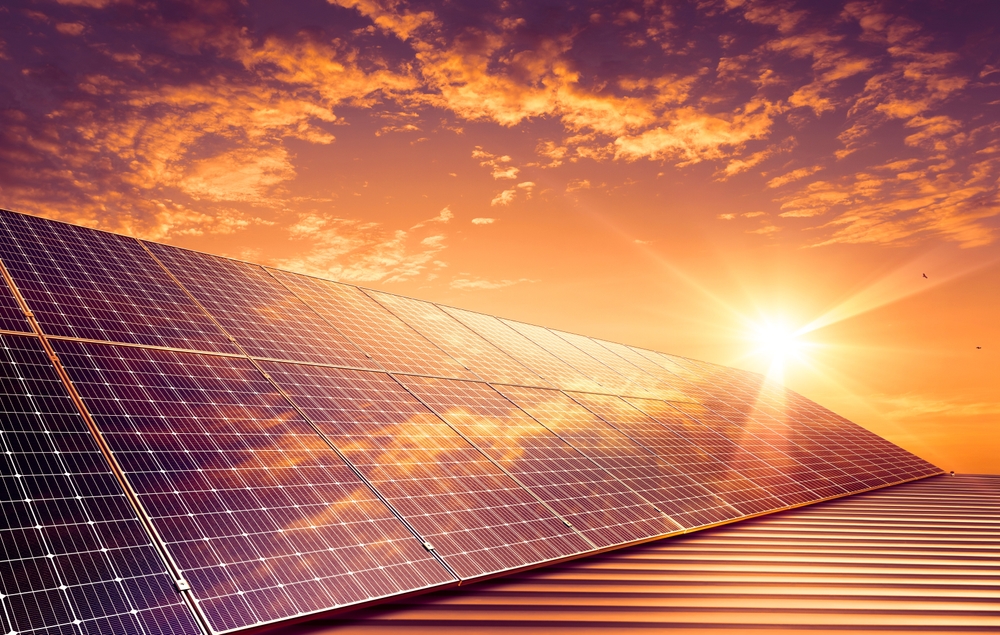
Introduction to Solar Lighting in Spain: A Beacon of Sustainability
In recent years, the world has witnessed a pivotal shift towards sustainable energy solutions, with solar power emerging as one of the most significant contributors to the global green revolution. Nowhere is this trend more pronounced than in Spain—a nation blessed with abundant sunlight and a growing social commitment to environmental stewardship. Solar lighting, known locally as solarverlichting, has become a key driver in transforming Spain’s outdoor and indoor lighting landscapes. By harnessing the sun’s inexhaustible energy, solar lighting delivers an eco-friendly, cost-effective, and aesthetically versatile solution for homeowners, businesses, municipalities, and property developers. This article explores, in comprehensive detail, the remarkable journey and future of solar lighting in Spain, elucidating why it stands at the intersection of sustainability, efficiency, and modern living.
The Spanish Sun: A Natural Resource for Solar Energy
Spain enjoys one of the highest solar exposure rates in Europe, boasting an average of 2,500 to 3,000 hours of sunlight per year. Regions such as Andalusia, Murcia, Valencia, and the Canary Islands experience even higher levels of solar irradiation. These favourable climatic conditions create optimal opportunities for the deployment of solar technologies—including lighting. By capitalizing on this natural resource, Spanish residents and businesses can substantially reduce dependence on conventional energy sources and mitigate greenhouse gas emissions.
Moreover, Spain’s legislative support for renewable energy, combined with increasing investment in energy infrastructure, provides a fertile foundation for further innovation and growth in the sector. Solar lighting, thus, becomes more than a technological trend; it becomes a vital strategy for a cleaner, more resilient energy future in Spain.
Understanding Solar Lighting: How Does it Work?
Solar lighting systems utilize photovoltaic (PV) cells—commonly known as solar panels—to convert sunlight into electrical energy. This electricity is either directly used to power light fixtures during the day or, more commonly, is stored in rechargeable batteries for use during nocturnal hours. Advanced solar lighting features several key components:
- Solar Panels (Photovoltaic Cells): Capture sunlight and convert it into electricity.
- Rechargeable Batteries: Store the electrical energy until it is needed, such as after sunset.
- LED Light Fixtures: Highly efficient and long-lasting, they use minimal energy to produce brilliant illumination.
- Charge Controllers: Regulate the current flowing into the battery to optimize charging and maximize lifespan.
- Sensors and Timers: Enable automatic operation based on available sunlight, time of day, or motion detection.
This seamless integration of components allows for clean, autonomous, and low-maintenance lighting systems that can be implemented in diverse environments—ranging from private gardens and pathways to municipal streets and commercial exteriors.
The Advantages of Solar Lighting: Why Spain Leads the Way
Adopting solar lighting in Spain offers a variety of compelling benefits, transcending simple cost savings to encompass broader advantages for individuals, businesses, and society at large. These include:
- Environmental Sustainability: Solar lighting leverages renewable energy, producing no greenhouse gases or pollutants. This reduces the carbon footprint of lighting infrastructure.
- Energy Independence: By generating electricity locally, communities and households are less reliant on grid power and imported fuels.
- Economic Efficiency: Once established, solar lighting incurs minimal operating costs, translating into long-term savings on utility bills and reduced maintenance expenses.
- Installation Flexibility: Solar lighting can be installed in remote or off-grid locations without the need for expensive trenching or electrical wiring.
- Low Maintenance: With few moving parts and durable components, solar lighting typically requires minimal upkeep.
- Scalability and Modularity: Systems can be easily expanded or tailored to meet specific lighting requirements.
- Enhancement of Aesthetic Appeal: With contemporary designs and customizable features, solar lights contribute to the beauty of Spanish homes, gardens, and public areas.
In summary, solarverlichting presents a win-win proposition: greater sustainability for the environment, and significant cost efficiencies for users.
Types of Solar Lighting Solutions in Spain
The versatility of solar technology is well-reflected in the breadth and depth of lighting options available on the Spanish market. Each type meets specific functional and aesthetic needs, allowing individuals and professionals to tailor solutions to diverse situations. Let’s explore the main categories:
1. Residential Solar Lighting
- Garden and Landscape Lights: Enhance the tranquillity and beauty of outdoor spaces with solar-powered path, spot, and accent lights.
- Security and Flood Lighting: Provide robust illumination for driveways, entrances, and perimeters with systems that often feature motion detectors.
- Decorative Fixtures: From lanterns to fairy lights, solar options are available for patios, balconies, and terraces to create inviting atmospheres.
2. Commercial and Industrial Solar Lighting
- Parking Lot and Street Lights: Support safety and visibility in public and private spaces, integrating smart controls for efficiency.
- Advertising and Sign Lights: Ensure clear visibility of business signage, even in off-grid locations.
3. Municipal and Public Arena Solar Lighting
- Park and Playground Lighting: Foster safe, accessible recreation after sunset.
- Pathway and Urban Street Lighting: Reduce energy costs for municipalities while prioritizing security and aesthetics.
Such diversity not only serves practical lighting needs but also propels the movement towards smarter, greener Spanish urban environments.
Innovations in Solar Lighting: Progress and Possibilities
The rapid evolution of solarverlichting technologies has led to several disruptive advancements in recent years, reshaping expectations and opportunities. Key innovations include:
- High-Efficiency Photovoltaic Cells: Next-generation panels deliver higher energy yields even on cloudy days or in shaded locations, maximizing system reliability.
- Smart Lighting Controls: Modern systems employ sensors, motion detectors, programmable timers, and remote management for optimal operation and energy conservation.
- Battery Technology Enhancements: Lithium-ion and advanced gel batteries provide longer storage life, deeper discharge rates, and superior performance compared to traditional lead-acid batteries.
- Modular Fixtures and Adaptive Designs: Sleek, contemporary designs blend unobtrusively with architecture while offering easy installation and expansion.
- Internet of Things (IoT) Assimilation: Integration with smart home or city grids enables centralized monitoring, predictive maintenance, and real-time energy management.
These technological leaps ensure that solar lighting in Spain remains not just sustainable, but also every bit as capable and stylish as conventional electrical systems.
Regulatory Framework and Incentives for Solar Lighting in Spain
Government policy plays a crucial role in shaping the deployment and adoption of renewable energies in Spain. Over the past decade, Spain has enacted a suite of supportive frameworks, incentives, and ambitious targets to catalyze solar adoption.
- Royal Decree-Law 15/2018: Marked the abolition of the so-called "sun tax," reinforcing the rights of self-consumption and removing duplicative costs for solar energy users.
- Regional Subsidies: Autonomous communities provide financial aids, rebates, and grants for individuals and businesses investing in solar technology, including lighting projects.
- Tax Incentives: Deductions or credits are available for investments in energy efficiency improvements.
- Urban Planning Regulations: Many local councils encourage or require incorporation of renewable technologies in new developments.
- Public Procurement Policies: Municipalities increasingly give preference to solar-powered solutions for public lighting contracts, parks, and infrastructure.
Staying informed of current incentives and regulatory developments is crucial for maximizing the returns of any solar lighting project in Spain.
Designing and Installing Solar Lighting Systems
A well-executed solar lighting installation blends technical acumen with creative vision, ensuring effective illumination, aesthetic harmony, and system longevity. The design and installation process typically follows these steps:
-
Site Assessment:
- Evaluate natural sunlight exposure, shade patterns, and environmental conditions.
- Analyze overall lighting needs—types, intensities, and coverage areas.
-
System Sizing and Product Selection:
- Choose solar panels and batteries based on required power output, capacity, and daily sunlight hours.
- Select appropriate fixtures—LED wattages, beam angles, and mounting styles.
-
Circuit and Control Planning:
- Determine the need for integrated sensors, timers, or smart controls for customized operation.
-
Installation:
- Secure fixtures and panels in optimal sun-exposed locations, ensuring stability and weatherization.
- Test the system to confirm proper function and autonomy during night-time operation.
-
Maintenance Planning:
- Schedule occasional cleaning and periodic checks for system performance and battery health.
Expert consultation is recommended for complex systems, larger properties, or projects that require integration with existing electrical or smart home technologies.
Applications of Solar Lighting: From Private Villas to Public Spaces
Solarverlichting is making impactful inroads across Spain, transforming both private and public environments. The breadth of applications underlines the versatility of this technology.
Residential Properties
- Illuminating gardens, terraces, and swimming pools to enhance night-time ambiance and safety.
- Providing secure access to driveways and entryways without new electrical circuits.
- Creating magical, eco-friendly lighting for social gatherings in outdoor entertainment areas.
Commercial Real Estate
- Lighting car parks, pathways, and signage for businesses, resorts, and shopping centres.
- Offering energy-saving alternatives for outdoor advertising and wayfinding.
Community and Recreational Spaces
- Making playgrounds, parks, and green belts accessible and safe after dark.
- Boosting civic beautification with artistic or accent lighting on monuments and public infrastructure.
Remote and Rural Installations
- Providing off-grid illumination for farms, stables, and rural retreats.
- Reducing the need for costly grid extensions in under-served communities.
In sum, solar lighting empowers Spanish residents and institutions alike to light up their surroundings with minimal impact on both the environment and their energy budgets.
Sustainability: The Environmental Impact of Solar Lighting in Spain
The environmental benefits of solar lighting are significant and multi-dimensional. Transitioning to solar-powered illumination directly reduces pressure on Spain’s national grid, decreases fossil fuel usage, and mitigates the emission of harmful gases such as carbon dioxide and sulfur oxides.
Furthermore, modern solar lighting systems employ eco-friendly materials and are engineered for longevity. LED bulbs last up to 50,000 hours—several times longer than incandescent or fluorescent alternatives. Rechargeable batteries are designed with recycling in mind, and many components are free of hazardous substances such as mercury or lead.
Widespread adoption of solar lighting in Spain aligns with both the country’s climate targets and broader European Union directives on reducing energy intensity, ensuring that future generations inherit a cleaner, more sustainable environment.
Overcoming Challenges: Addressing Myths and Realities
Despite remarkable progress, the solar lighting sector in Spain faces several ongoing challenges and misconceptions that merit clarification.
Myth 1: Solar Lighting Is Ineffective in Cloudy or Shaded Conditions
While solar panels perform best in direct sunlight, advances in photovoltaic efficiency mean that modern systems can generate substantial energy even on overcast days. Proper design also considers battery capacity and autonomy to ensure reliable night-time operation, even after periods of poor weather.
Myth 2: Solar Lights Are Too Expensive or Only for Luxury Projects
Initial costs for solar lighting have steadily decreased, driven by improvements in technology and higher volume production. Factoring in energy and maintenance savings over time, solar systems often outpace conventional solutions in cost-effectiveness.
Challenge 1: Vandalism and Theft in Public Installations
Municipalities in Spain implement anti-tampering designs and robust mounting options, reducing vulnerability. Some systems feature built-in location tracking or alarms, protecting assets in high-traffic zones.
Challenge 2: Compatibility with Architectural Styles
Contemporary solar lights are available in a wide array of designs—from sleek modern to rustic or classical—allowing harmonious integration into Spain’s varied architectural landscapes.
Public education and transparent performance data continue to address residual skepticism, ensuring that solarverlichting earns its place as a mainstream solution.
Maintenance and Longevity: Caring for Solar Lighting Systems
One of the defining advantages of solar lighting is its minimal maintenance demands. With no electrical wires to inspect and few moving parts, routine care is typically straightforward:
-
Regular Cleaning:
- Solar panels should be periodically wiped clean of dust, pollen, or leaves to maximize efficiency.
-
Battery Checks:
- Batteries may require testing and, after several years of service, replacement to preserve full function.
-
Fixture Inspections:
- Checking for water ingress, physical damage, and ensuring that LED modules remain operational and bright.
-
Firmware or Software Updates:
- For smart systems, periodic updates may improve energy management or add new features.
When issues do arise, they are often quickly resolved, and warranties on modern fixtures typically offer strong protection.
Solar Lighting and Real Estate Value: Enhancing Spanish Properties
In today’s competitive real estate market, sustainable attributes are increasingly regarded as premium features by buyers, renters, and commercial clients. Solar lighting plays an essential role in this trend:
- Energy Savings: Prospective residents and commercial tenants are attracted by the promise of lower utility bills.
- Aesthetic Uplift: Thoughtfully designed solar lighting boosts curb appeal, especially for evening viewings.
- Green Credentials: Properties equipped with solar solutions readily achieve higher energy ratings and certifications, providing a selling point in a sustainability conscious market.
- Future-Readiness: Buyers look for properties that are not just up-to-date, but “future-proofed” in terms of regulatory compliance and resilience to energy price fluctuation.
Thus, integrating solar lighting is a wise investment for those wishing to maximize the attractiveness and value of Spanish real estate.
Case Studies: Success Stories Across Spain
Across the country, solar lighting projects deliver measurable results and positive reactions among users. Below are several illustrative examples:
Urban Park Renovation in Seville
A historic city park underwent a full lighting upgrade, replacing legacy sodium vapor lamps with autonomous solar LED fixtures. The project resulted in substantial reductions in electricity consumption, improved night-time safety, and a notable improvement in the park’s ambiance. Local officials reported enthusiastic public support for the initiative.
Rural Community Lighting in Castile-La Mancha
A rural municipality, previously challenged by frequent power outages, installed solar-powered streetlights along main pedestrian routes and community centers. Resident feedback cited increased social activity, reduced accident risks, and community pride in the adoption of clean technology.
Residential Development on the Costa Blanca
A coastal villa complex utilized bespoke solar path lights and garden feature lighting, emphasizing sustainability in the property’s marketing campaign. The development quickly gained traction among eco-conscious overseas buyers.
These projects underscore the adaptability and high satisfaction rates associated with solarverlichting in both public and private Spanish sectors.
Future Trends: What Lies Ahead for Solar Lighting in Spain
The solar lighting sector in Spain stands poised for continued advancement, with emerging trends set to accelerate adoption and expand functional possibilities:
- Integration with Home Automation: Lighting systems will increasingly connect with smart home hubs, enabling remote monitoring, real-time performance analytics, and adaptive behaviour based on weather or occupancy patterns.
- Solar Hybrid Solutions: Combining solar with wind, kinetic, or grid-backup options guarantees uninterrupted illumination for mission-critical applications.
- Energy Storage Innovations: Breakthroughs in solid-state batteries and supercapacitors will further extend autonomy and cut costs.
- Human-Centric Lighting: Smart solar luminaires will offer adjustable colour temperatures and intensities to suit circadian rhythms or diverse community needs.
- Wider Accessibility: Lower costs and mass production will democratize high-quality solar lighting, making it accessible to all segments of the Spanish population.
In parallel, increasing awareness, educational campaigns, and policy refinement will play critical roles in normalizing solar lighting as the default solution for Spanish illumination needs.
Guidelines for Choosing the Right Solar Lighting System
Selecting the optimal solar lighting arrangement can feel daunting given the abundance of options and technical specifications. The following guidelines help streamline the process:
-
Define Lighting Objectives:
- Clarify the intended application (e.g., security, ambiance, commercial signage).
- Determine desired brightness levels, operational hours, and coverage areas.
-
Match Product Ratings:
- Ensure panel wattage, battery capacity, and LED output are adequate for the intended use and local sunlight conditions.
-
Check Durability and Weather Resistance:
- Look for certifications such as IP65 or higher for outdoor installations exposed to dust and water.
-
Evaluate Smart Features:
- Consider motion sensors, timers, remote control, or integration with broader security systems.
-
Assess Aesthetic Compatibility:
- Review fixture design, finishes, and mounting options to harmonize with local style preferences.
-
Understand Warranty and Support:
- Prioritize solutions with clear warranties and strong after-sales support for peace of mind.
Expert advice is invaluable, particularly for bespoke or large-scale installations, ensuring a seamless and hassle-free transition to solar lighting.
Solar Lighting in Hospitality and Tourism: Spain’s Bright Future
Spain’s vibrant tourism and hospitality sectors are ideally positioned to lead solar lighting adoption, benefitting guests, operators, and the planet. Key applications include:
- Resort pathways, pool areas, and beach promenades illuminated with elegant, energy-saving fixtures.
- Outdoor restaurant terraces and hotel gardens enhanced with mood or accent lighting.
- Event venues and wedding destinations capitalizing on customizable and portable solar lighting solutions.
- Eco-label compliance for resorts, boosting marketability for sustainability-minded travelers.
The embrace of solar lighting by Spain’s hospitality industry reinforces the national commitment to green tourism and amplifies the guest experience through carefully curated visual appeal.
Solar Lighting and Urban Development: Building Smart Cities
As Spanish cities pursue “smart” urbanization, solar lighting underpins core objectives such as energy efficiency, digital integration, and citizen well-being. Municipal rollouts include:
- Networked streetlights with adaptive brightness, reducing light pollution and responding to real-time usage patterns.
- Pedestrian zones illuminated with artistic solar installations, doubling as public art and functional infrastructure.
- Public transport stops and bike lanes equipped with solar luminaires, supporting multi-modal connectivity and night-time access.
Such projects can be scaled incrementally, minimizing up-front investments while building towards a comprehensive, resilient, and sustainable urban lighting backbone.
The Role of IMMO ABROAD: Advocating Solar Lighting in Spanish Property Markets
IMMO ABROAD is committed to championing sustainable real estate practices and directly supports the integration of solar lighting in residential, commercial, and investment properties throughout Spain. The organization continuously educates clients on the tangible and intangible benefits of solar solutions—emphasizing not just energy savings, but enhancement of value, quality of life, and ecological footprint.
By collaborating with trusted suppliers, consultants, and local authorities, IMMO ABROAD ensures that clients receive state-of-the-art advice and options—placing them at the forefront of green innovation and responsible living in Spain’s dynamic property sector.
Conclusion: Illuminating a Sustainable Spanish Tomorrow
The deployment of solar lighting across Spain epitomizes the intersection of environmental stewardship and modern sophistication. As a readily available and highly effective renewable energy solution, solarverlichting is redefining the way Spanish communities illuminate their homes, businesses, and civic spaces. The technology’s rapid evolution, combined with favourable climatic conditions and robust policy support, positions Spain at the vanguard of the solar lighting revolution.
Whether enhancing a coastal villa, a bustling urban street, or a rural community centre, solar lighting delivers tangible benefits—energy savings, design versatility, environmental responsibility, and enhanced lifestyle value. As we look to the future, the commitment to solar solutions signals not only a pragmatic response to climate and energy challenges, but a bold affirmation of Spain’s role as a leader in sustainable development and innovation.
With ongoing advancements on the horizon, the prospects for solar lighting in Spain remain brighter than ever—illuminating a path towards a cleaner, greener, and more resilient society for generations to come.