





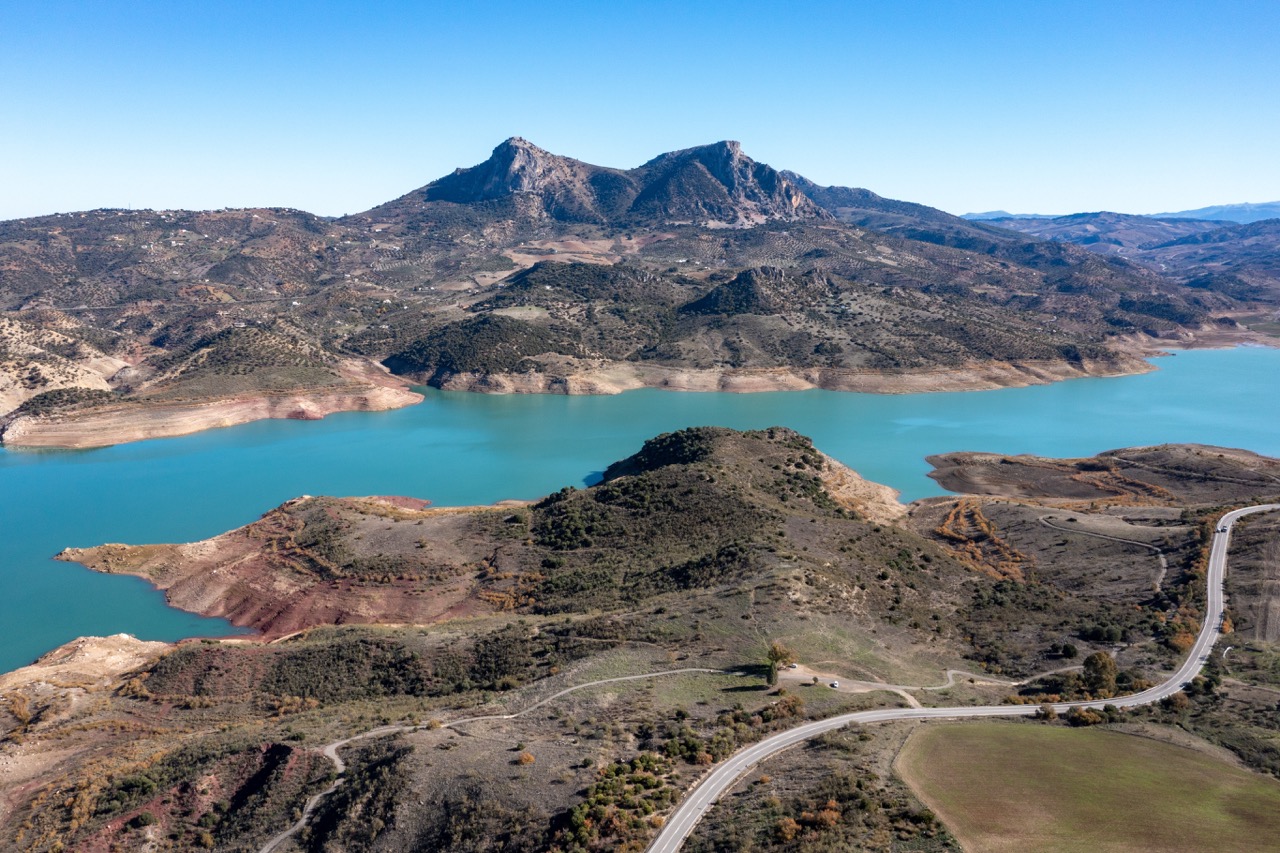
Introduction: A Watershed Moment for Spain’s Reservoirs
Spring 2025 has ushered in a transformative chapter for Spain’s water resources, with reservoirs across the country reaching record water levels unseen in recent decades. This remarkable development has caught the attention of environmentalists, policymakers, investors, and property buyers alike. As Spain’s reservoirs brim with vitality, the implications ripple far beyond the immediate boon for agriculture and domestic supply—they extend into real estate, tourism, infrastructure investment, urban planning, and the overall quality of life for residents and visitors.
In this comprehensive analysis, we delve into the causes behind this historic rise in water levels, explore the multifaceted impact on Spain’s economic sectors, and assess what this means for those considering property investment or relocation. With an eye towards sustainability, opportunity, and long-term outlook, we present an in-depth exploration suitable for discerning readers seeking both insight and actionable intelligence.
The Meteorological Miracle: Why Did Spain’s Reservoirs Reach Record Levels?
To fully appreciate the significance of Spain’s reservoirs attaining record highs in the spring of 2025, it is essential to understand the meteorological and climatic factors at play. Spain, known for its Mediterranean climate and periodic droughts, has long faced challenges in water management. However, the convergence of several unique weather phenomena in late 2024 and early 2025 has rewritten the script.
Unusually Abundant Rainfall
The autumn and winter of 2024 brought a series of Atlantic weather systems that delivered sustained and widespread rainfall across much of the Iberian Peninsula. Meteorological data indicates that precipitation totals were 30-40% above the seasonal average in key watershed regions, particularly in the north and central parts of the country. This deluge ensured that rivers and tributaries feeding into major reservoirs swelled continuously, replenishing water supplies at a pace not witnessed in generations.
Snowpack Accumulation in Mountainous Regions
Spain’s mountainous terrain, especially the Pyrenees and the Sierra Nevada, experienced an unusually heavy snowpack. As spring temperatures rose, the gradual melting of this snow provided a steady influx of fresh water into downstream reservoirs, further compounding the positive impact of earlier rainfall.
Climate Patterns and the North Atlantic Oscillation
The North Atlantic Oscillation (NAO), a weather phenomenon affecting Western Europe’s climate, shifted into a positive phase, directing moist air masses towards Spain. This rare alignment amplified rainfall and mitigated the dry spells that typically characterize Spanish winters and springs.
Enhanced Water Management Infrastructure
Strategic investments in dam maintenance, river management, and early-warning systems over the past decade have enabled Spanish authorities to capture and store excess water more efficiently. This has maximized reservoir retention and minimized losses due to spillage or evaporation.
Geographical Overview: Regional Variations in Reservoir Levels
While the surge in water levels has been national in scope, the extent of the rise has varied across Spain’s diverse regions. Understanding these differences is vital for grasping the broader implications.
Northern Spain: Galicia, Asturias, and the Basque Country
These regions, naturally wetter due to their proximity to the Atlantic, have seen reservoirs approach full capacity. The abundance has alleviated water stress for both urban centers and rural communities, ensuring reliable supply for agriculture and industry.
Central Spain: Castilla y León, Castilla-La Mancha, and Madrid
Reservoirs feeding the populous Madrid metropolitan area and the agricultural heartlands of Castilla y León have benefited substantially. Water authorities report reserves exceeding 90% capacity—a stark contrast to the drought conditions of previous years.
Eastern and Southern Spain: Valencia, Murcia, Andalusia, and Catalonia
While these traditionally drier regions have not matched the absolute highs of the north, they have nonetheless experienced significant recoveries. The strategic management of water transfers and inter-basin connections has ensured that even arid areas have capitalized on this water windfall.
Island Territories: Balearic and Canary Islands
Though not as directly impacted by mainland rainfall, improved desalination and rainwater harvesting infrastructure, combined with above-average precipitation, have contributed to robust water reserves in Spain’s island communities.
Economic Impact: Agriculture, Industry, and Beyond
The repercussions of overflowing reservoirs are most immediately felt in sectors directly dependent on water. However, the positive effects cascade throughout the Spanish economy.
Revitalisation of Agriculture
With irrigation restrictions eased, Spanish farmers have responded by expanding the cultivation of high-value crops such as olives, almonds, citrus fruits, and vegetables. The reliability of water supply has allowed for multiple planting cycles, improved yields, and the reintroduction of crops previously deemed too water-intensive.
- Wine Industry: Vineyards across La Rioja, Ribera del Duero, and Catalonia anticipate a bumper harvest, with expectations for both quantity and quality.
- Export Growth: The agricultural surplus is poised to boost Spain’s exports, strengthening its position as a leading supplier to European and global markets.
Industrial Expansion
Industries reliant on water—such as food processing, textiles, and chemicals—benefit from stable supply and reduced operating costs. This has encouraged new investments and the expansion of existing facilities, particularly in water-rich regions.
Tourism and the Service Sector
Spain’s iconic landscapes—lush countryside, verdant golf courses, and vibrant urban parks—are being rejuvenated. Tourist destinations, especially those previously afflicted by water rationing, are now able to offer superior amenities and maintain aesthetic appeal year-round.
Hydroelectric Power Generation
Fuller reservoirs translate into increased hydroelectric output, reducing reliance on fossil fuels and stabilizing energy prices. This supports Spain’s commitment to renewable energy and contributes to national energy security.
Societal Benefits: From Urban Life to Rural Renewal
Beyond economics, the record water levels are transforming quality of life across Spain.
Urban Centres: Reliable Supply and Enhanced Public Spaces
Major cities, including Madrid, Barcelona, and Seville, have experienced a welcome reduction in water restrictions. Public fountains, gardens, and recreational lakes are once again thriving, boosting urban livability and public morale.
Rural Communities: Population Retention and Growth
Rural depopulation, a longstanding issue in Spain, is being countered as water security enables agricultural prosperity and attracts new residents. Improved infrastructure and job creation are reversing migration trends, breathing new life into once-declining villages.
Public Health and Well-being
The abundance of clean water is enhancing public health outcomes. Hospitals, schools, and community centres benefit from stable supplies, while the risk of waterborne diseases diminishes.
Environmental Implications: Ecosystem Recovery and Biodiversity
The environmental dividends of full reservoirs are profound, with positive impacts on Spain’s rivers, wetlands, and wildlife.
Restoration of Aquatic Ecosystems
Many of Spain’s rivers and wetlands, previously at risk due to over-extraction and drought, are witnessing a resurgence. Increased flows support spawning habitats for native fish, while riparian vegetation flourishes.
Birdlife and Wildlife Conservation
Wetlands such as Doñana and the Ebro Delta are vital stopovers for migratory birds. Higher water levels have improved breeding conditions, leading to a noticeable increase in bird populations and biodiversity.
Improved Air and Soil Quality
Adequate water supply mitigates dust and soil erosion, promoting healthier soils and cleaner air in both rural and urban environments.
Implications for the Real Estate Market
Perhaps no sector is more sensitive to environmental and infrastructural shifts than real estate. The surge in Spain’s reservoir levels is creating new dynamics for property buyers, investors, and developers.
Increased Buyer Confidence
Reliable water supply is a fundamental consideration for property buyers—particularly in regions previously affected by water scarcity. The prospect of long-term water security has buoyed buyer confidence, leading to an uptick in demand for both residential and commercial properties in inland, rural, and coastal areas.
Revival of Rural and Inland Markets
Whereas coastal real estate has traditionally dominated buyer interest, rural and inland markets are experiencing a renaissance. Improved water resources have made agricultural estates, country homes, and village properties more attractive, diversifying the property landscape.
Urban Development and Infrastructure Investment
Municipalities are leveraging water abundance to greenlight new housing developments, parks, and recreational facilities. Infrastructure upgrades, including roads and utilities, are following suit, enhancing the value proposition for new and existing properties.
Premiums on Water-Front and Lake-Side Properties
Properties adjacent to reservoirs, lakes, and rivers are commanding higher premiums. The scenic beauty, recreational opportunities, and assurance of water access have made these locations highly sought-after.
Shifts in Rental and Holiday Home Markets
Tourist hotspots and holiday home markets are benefitting as visitors seek destinations with lush environments and ample water-based activities. This is driving up rental yields and occupancy rates, particularly in regions with prominent reservoirs and lakes.
The Role of Water Security in Long-Term Property Value
Investors and homeowners are increasingly attuned to the importance of water security in safeguarding property value. The events of spring 2025 have underscored this relationship.
Insurance and Risk Mitigation
Properties in water-secure regions enjoy lower insurance premiums and reduced risk profiles. The mitigation of drought-related risks translates into long-term stability for property values.
Resilience to Climate Change
As climate variability intensifies, water-rich areas are expected to outperform others in terms of investment returns and desirability. The current abundance is prompting forward-thinking buyers to prioritise locations with robust water infrastructure and natural reserves.
Sustainable Development and Green Credentials
Developers are incorporating water-saving technologies, sustainable landscaping, and eco-friendly building materials to enhance the appeal of new projects. Environmental certifications are becoming a selling point for high-end buyers.
Spain’s Water Management Policies: Lessons and Innovations
The spring 2025 milestone is not solely the result of meteorological fortune; it also reflects decades of evolving water management policies and technological innovation.
Integrated Basin Management
Spain’s commitment to managing water resources at the river basin level has enabled coordinated planning and efficient allocation. This holistic approach balances the needs of agriculture, industry, urban centres, and the environment.
Investment in Infrastructure and Technology
Modernisation of dams, reservoirs, and water transfer systems has improved capacity and resilience. Smart metering, remote sensing, and data analytics are now integral to resource monitoring and management.
Public Awareness and Conservation
Educational campaigns and incentives for water conservation have fostered a culture of stewardship among residents and businesses. This has helped to stretch available resources and avoid the pitfalls of overconsumption.
Legal and Regulatory Frameworks
Spain’s legal framework for water rights and allocation is among the most sophisticated in Europe. Regular reviews and updates ensure that policies remain responsive to emerging challenges and opportunities.
Challenges and Cautions: Sustainability in the Face of Abundance
While the current abundance is cause for celebration, experts caution against complacency. The sustainability of Spain’s reservoirs hinges on continued vigilance and adaptive management.
Risks of Overuse and Misallocation
A rapid return to high consumption levels could strain resources if weather patterns shift. Authorities are urging prudent use and ongoing investment in efficiency.
Climate Change Uncertainties
Long-term climate models indicate that variability will persist, with the potential for future droughts. Maintaining high water levels requires flexible policies and continued investment in storage and conservation.
Environmental Balance
Flooding risk, ecosystem disruption, and the spread of invasive species are potential side effects of overflowing reservoirs. Ongoing monitoring and adaptive strategies are essential to safeguard both human and natural communities.
Opportunities for Investors and Relocators: Why Now Is the Time
The spring 2025 surge in reservoir levels has recalibrated the risk-reward equation for property investors and those contemplating a move to Spain.
Strategic Timing for Investment
Buyers entering the market now stand to benefit from rising property values, especially in regions newly endowed with water security. Early movers can capitalise on favourable pricing before wider trends are reflected in the market.
Diversification Across Regions
With inland and rural markets gaining momentum alongside traditional coastal hotspots, there is scope for portfolio diversification. Properties near reservoirs and water bodies offer unique lifestyle and recreational advantages.
Quality of Life Enhancements
For those relocating, the combination of water security, natural beauty, and vibrant communities is compelling. Improved infrastructure, public services, and economic opportunities translate into a superior living environment.
Long-Term Resilience and Appreciation
Water-secure properties are likely to appreciate in value more consistently, offering protection against future fluctuations in supply and demand.
Case Studies: Regional Success Stories and Emerging Hotspots
To illustrate the transformative impact of record reservoir levels, we profile key regions that exemplify the new era of opportunity in Spain.
La Rioja: The Wine Country Reimagined
La Rioja’s vineyards have flourished, with wine estates reporting record harvests and new investments in agrotourism. Charming rural properties and historic farmhouses are attracting buyers seeking both lifestyle and income potential.
Andalusia: From Water Scarcity to Abundance
Once synonymous with drought, parts of Andalusia now boast verdant landscapes and revitalised agricultural districts. The region’s traditional cortijos and olive groves are in high demand, with restored irrigation networks underpinning long-term viability.
Madrid’s Hinterland: Urban Escape Meets Rural Charm
Towns and villages within an hour of Madrid are experiencing renewed interest as water security and infrastructure improvements enhance their appeal. Country estates and modern villas offer a blend of tranquillity and connectivity.
Catalonia: Sustainable Urban Living
Barcelona and its surroundings have leveraged water abundance to expand green spaces, cycling paths, and waterfront developments. Eco-conscious buyers are gravitating towards neighbourhoods with high environmental credentials.
Environmental Stewardship: The Role of Responsible Property Ownership
Property buyers and investors have a pivotal role to play in sustaining Spain’s water bounty.
Adopting Water-Efficient Practices
Modern irrigation systems, greywater recycling, and drought-resistant landscaping can dramatically reduce water consumption. New builds and renovations increasingly incorporate these features as standard.
Supporting Local Conservation Initiatives
Many communities are launching projects to restore wetlands, plant native trees, and protect wildlife habitats. Property owners can participate through volunteerism, donations, or by adopting eco-friendly management practices.
Eco-Certification and Green Building Standards
Obtaining green certification for properties not only benefits the environment but also enhances marketability and value. Buyers are advised to seek properties with recognised sustainability credentials.
Looking Ahead: The Future of Water and Property in Spain
The record water levels of spring 2025 mark a turning point, but they are also a call to action. Spain stands at the threshold of a new era—one in which water security, economic vitality, and environmental stewardship are inextricably linked.
Continued Innovation in Water Management
Ongoing investment in technology, data-driven management, and public engagement will be essential to maintain the gains of 2025. Spain’s experience offers a model for other countries grappling with water scarcity and climate change.
Resilient and Vibrant Communities
Sustainable water abundance supports resilient communities where economic opportunity, natural beauty, and quality of life are harmoniously balanced. This vision is increasingly within reach for regions across Spain.
Real Estate as a Vehicle for Sustainability
Property investment is not just about financial returns; it is also a means of shaping the future. Buyers, developers, and local authorities share a responsibility to ensure that growth is sustainable and inclusive.
Frequently Asked Questions About Spain’s Record Reservoir Levels
- What caused Spain’s reservoirs to reach record levels in 2025?
A combination of abundant rainfall, heavy snowpack, favourable climate patterns, and improved water management infrastructure led to this milestone. - How does this affect property investment opportunities?
Water security bolsters buyer confidence and drives demand for properties in previously water-stressed areas, especially near reservoirs and lakes. - Are there risks of future water shortages despite current abundance?
Climate variability remains a concern. Continued investment and prudent management are needed to sustain high water levels. - What role can property owners play in supporting sustainability?
By adopting water-efficient practices, supporting conservation initiatives, and favouring eco-certified developments, owners can contribute to long-term sustainability.
Conclusion: Seizing the Moment—Investing in Spain’s Water-Resilient Future
Spring 2025 has delivered Spain a rare and valuable gift: record reservoir levels that promise prosperity, security, and renewal. For property buyers, investors, and residents, this is more than an environmental milestone—it is an opportunity to be part of a new era in which water abundance underpins thriving communities, sustainable growth, and enduring value.
As Spain continues to innovate and adapt, the lessons of 2025 will shape the nation’s trajectory for years to come. Those who act now—guided by insight, responsibility, and vision—stand to benefit from the extraordinary potential unlocked by this watershed moment.