





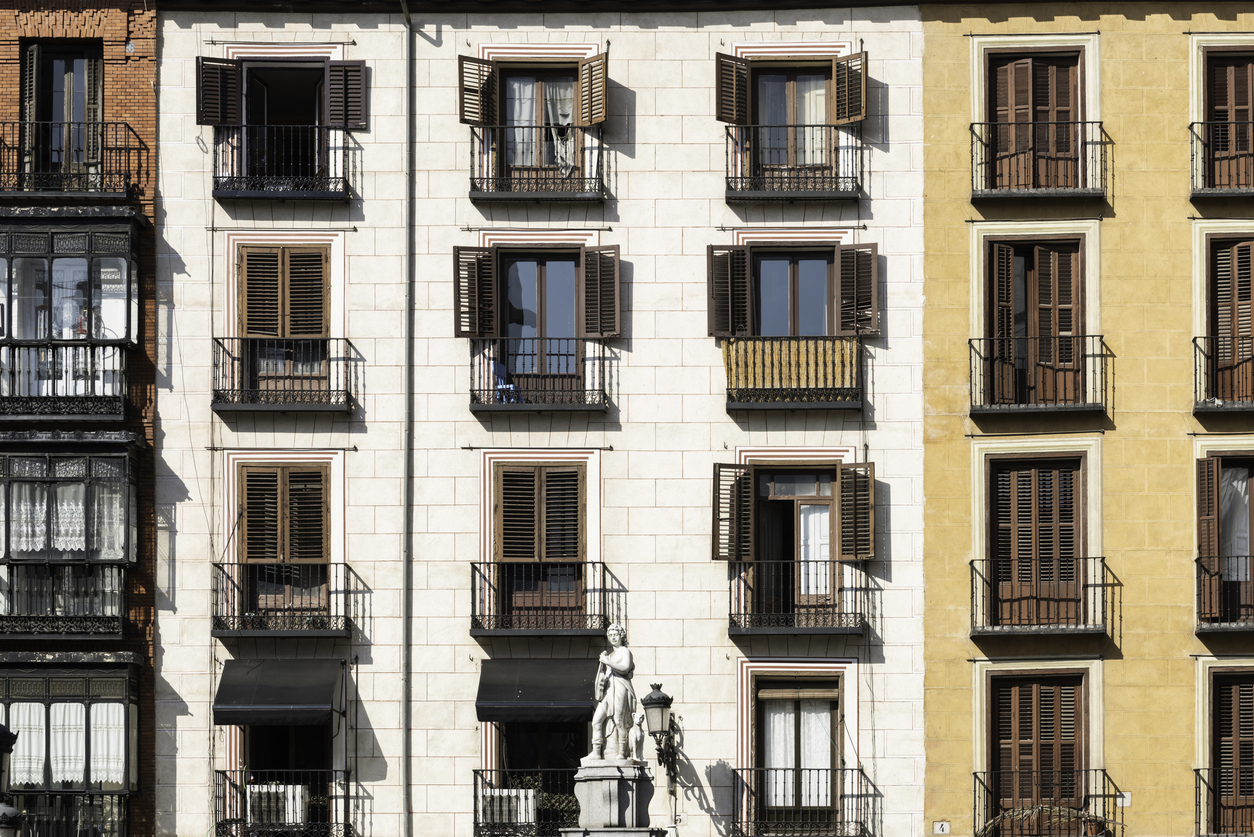
Understanding Spain’s Second-Hand Housing Market in 2025
In the rapidly evolving landscape of Spanish real estate, the second-hand housing market occupies a pivotal position. With the dawn of 2025, homeowners, investors, and potential buyers are watching closely to see where prices are headed. What makes this segment significant are the complex forces at play — ranging from global economic trends to distinctly local factors influencing supply and demand. This comprehensive article, brought to you by IMMO ABROAD, delves deep into the multifaceted world of Spain’s second-hand housing market, examining its current state, the governing forces, regional nuances, and forecasts for the future.
The Structure of Spain’s Second-Hand Housing Market
The term “second-hand housing” in Spain refers to dwellings that have previously been occupied, regardless of their age. This contrasts with new, never-lived-in properties offered directly from developers. Owing to its richness in historical architectural treasures and characterful urban centers, Spain’s second-hand market represents the lion’s share of home transactions in the country—far surpassing new constructions in annual volume.
In 2024, approximately 80% of property sales in Spain involved second-hand homes, a statistic that has remained consistent over the last decade. This enduring popularity is attributed to several factors:
- Location: Many prime urban and coastal neighborhoods have no room for new builds, making resale properties the only option.
- Character: Spanish buyers often appreciate homes with historical charm or established communities.
- Pricing: Second-hand homes are frequently priced more competitively, although considerable renovation may be required.
Consequently, monitoring trends in the resale market is vital for anyone invested in the Spanish property sector.
2024 in Review: Recent Pricing Trends
To grasp the likely direction of prices in 2025, it’s essential to analyze the developments that shaped 2024. The prior year witnessed volatility, stemming from a mix of post-pandemic economic adjustments, shifts in European interest rates, evolving purchasing patterns, and external macroeconomic uncertainty.
Key highlights from 2024 include:
- Moderate National Growth: Second-hand home prices in Spain rose on average by 4-5% across the country, following a slightly steeper trajectory than in 2023.
- Regional Variation: Some areas, including major cities (Madrid, Barcelona, Valencia) and prime coastal regions (Costa del Sol, the Balearics), saw double-digit percentage growth, while smaller municipalities experienced stagnation or minor declines.
- Supply Dynamics: Inventory of resale properties remained tight in most desirable urban centers, sustaining upward pressure on prices.
- Foreign Demand: Despite currency fluctuations, international buyers continued to play a significant role, especially in coastal and resort markets.
However, as the year closed, signals of a possible market cooling began to manifest — far from a downturn, but suggesting a slowing pace of appreciation. These nuances set the scene for 2025.
Key Drivers Shaping the 2025 Market
The direction of Spain’s second-hand housing prices in 2025 will be determined by a complex web of interrelated factors. Understanding these drivers provides crucial context for buyers, investors, and sellers.
Economic Backdrop
Spain’s macroeconomic health underpins housing market activity. Reduced inflation during 2024 boosted consumer confidence, yet the European Central Bank’s (ECB) cautious stance on interest rates kept borrowing costs elevated. For 2025:
- GDP Growth: Projections indicate steady but unspectacular national economic growth, helping sustain demand.
- Employment: The job market remains resilient, especially in service sectors and technology hubs.
- Consumer Confidence: Moderate optimism supports stable purchase activity, but sensitivity to economic shocks remains.
Interest Rates and Mortgage Accessibility
Interest rates are the primary lever influencing affordability. Following a cycle of rate hikes in Europe aimed at reining in inflation, speculation now surrounds potential cuts or stabilizations in 2025.
- If rates decrease: Buying power expands, especially among first-time buyers, potentially adding fuel to price growth.
- If rates plateau or rise: Affordability becomes a concern, dampening demand and moderating prices.
Regardless, Spanish banks have maintained relatively conservative lending practices since 2008, meaning over-leveraging in the market remains low.
Demographic and Societal Shifts
Spain’s aging population exerts downward pressure on long-term demand, but this is offset by:
- Urban Migration: Younger generations are drawn to cities for career opportunities, underpinning urban market resilience.
- International Influx: Foreign retirees and digital nomads frequently purchase second homes or relocate to Spain, supporting particular regional markets.
Supply Constraints
Limited new construction, combined with restrictive urban planning, means the most desirable city and coastal markets see chronic undersupply. Owners are often reluctant to sell, resulting in:
- Low Inventory Levels: Particularly acute in central Madrid, parts of Barcelona, and the high-demand coastal strip.
- Pressure on Prices: In areas of limited supply and consistent demand, prices trend upward.
Regulatory and Government Policy
Government interventions, from rental controls to tax incentives, can exert significant influence. Recent years have seen policies aimed at:
- Supporting Affordable Housing: Encouraging new construction and preserving urban housing stock for local populations.
- Regulating Short-Term Rentals: Some cities have introduced rules to limit the growth of tourist apartments, returning stock to the long-term rental and resale markets.
In 2025, the effects of these regulatory changes will continue to ripple through local and national resale price dynamics.
Regional Spotlights: Where Are Prices Heating Up?
One of the defining characteristics of Spain’s property market is its pronounced regional diversity. Let’s explore key areas where second-hand housing prices will likely see the greatest shifts in 2025.
Madrid
The capital sets the tone for much of the Spanish market. High demand for apartments in central districts (Salamanca, Chamberí, Centro) collides with limited availability. Transaction volumes stayed robust through 2024, buoyed by both domestic and foreign buyers. In the periphery — neighborhoods such as Carabanchel and Vallecas — price appreciation has cooled, though it remains positive.
For 2025, Madrid’s core is projected to see modest further increases, possibly 3-6%. Outer districts may stabilize, with greater sensitivity to interest rates and employment trends.
Barcelona
Despite concerns over political uncertainty and regulatory interventions, Barcelona’s second-hand market has proven resilient. The Eixample and Gràcia districts remain highly sought after, propelled by lifestyle buyers, tech professionals, and international investors. Tourist regulation and taxation on empty properties add complexity, resulting in a bifurcated market.
Expect selective price growth in centrally located, well-maintained historic properties, while less desirable stock could see stagnation or minor declines.
Valencia
The Mediterranean city’s blend of culture, affordability, and connectivity continues to draw both local and international demand. Historically, Valencia trailed Madrid and Barcelona in price growth, but that dynamic reversed in recent years. Well-connected neighborhoods near the university and cultural districts see the strongest momentum.
The outlook for 2025 is sustained, if slightly less dramatic, appreciation, propelled by lifestyle migration and digital nomads.
Coastal & Island Markets
Resort destinations — including Málaga, Marbella, Alicante, and the Balearic Islands — are deeply intertwined with foreign demand. British, German, Dutch, and Scandinavian buyers are often motivated more by lifestyle and investment potential than local economic trends.
2025 is likely to see double-digit growth in the most exclusive locations, subject to currency volatility and regulatory changes affecting non-resident buyers.
Smaller Cities & Rural Regions
Markets such as Zaragoza, Murcia, and provincial capitals saw stable or gradual price increases in 2024 but remain highly local in nature. In areas facing population decline or economic stagnation, prices could remain flat or even retreat slightly.
However, “hidden gems” — small towns with tourism appeal or digital connectivity — may see isolated price surges as remote work continues.
International Influences: The Global Buyer’s Role
International demand has been one of the defining pillars of Spain’s property story for decades. The allure of Mediterranean climate, world-class lifestyle, and investment resilience consistently draw buyers from across Europe and beyond.
For 2025, several global trends sharpen the role of overseas purchasers:
- Currency Exchange Rates: The Euro’s strength or weakness against buyers’ home currencies can amplify or dampen their effective purchasing power.
- Remote Work Revolution: “Work from anywhere” now enables more long-term relocation, spurring demand beyond traditional holiday home markets.
- Political Stability: Spain’s robust infrastructure and relatively stable political environment offer a safe haven for those from more volatile regions.
Foreign buyers remain especially active on the coasts and in island markets. Their presence can accelerate local price appreciation, particularly for premium homes.
Supply, Demand, and Inventory: Will Shortages Persist?
A perennial challenge for the second-hand housing market is the imbalance between supply and demand. Several factors reinforce current supply constraints:
- Sellers Reluctant to Move: With limited alternative housing options and higher borrowing costs, many owners “lock in” to their current homes.
- Slow New Construction: Urban planning restrictions and the high cost of land in prime areas slow the pipeline of new housing.
- Tourist Conversion: Some homes remain in use as short-term rentals, never making it onto the resale market.
This environment means that even moderate new demand can rapidly push prices upward in desirable locations. Until a significant uptick in listings occurs — either due to demographic transition, regulatory intervention, or macroeconomic shock — inventory tightness is expected to remain a defining feature.
The Buying Process in 2025: Challenges and Opportunities
The experience of purchasing a second-hand home in Spain has grown increasingly sophisticated. Today’s buyers — whether domestic or international — have access to extensive property portals and professional intermediaries, including the highly regarded team at IMMO ABROAD.
However, 2025 presents both opportunities and challenges:
- Due Diligence: Owing to the age and complexity of second-hand properties, rigorous technical inspections and legal checks are a must. Issues such as property boundaries, historical renovations, unpaid taxes, or community debts can surface unexpectedly.
- Negotiation Dynamics: Tight supply means sellers enjoy more leverage, but patience and local expertise can uncover hidden value, especially in properties needing refurbishment.
- Financing: Prospective buyers must navigate mortgage approval processes influenced by changing interest rates and lending criteria.
- Competition: In high-demand neighborhoods, homes can move fast. Buyers should be prepared for swift decision-making and, at times, bidding wars.
This environment rewards thorough market research, preparation, and professional guidance.
Renovation and Value-Add Investments
Second-hand properties typically afford greater opportunities for value creation through refurbishment than new builds. For many buyers, especially investors, the ability to purchase an older apartment or villa and enhance its livability — and thus its resale value — is a central appeal.
Trends in Renovation
In 2025, demand for upgraded second-hand homes remains high. Key renovation trends include:
- Energy Efficiency: Modern insulation, double glazing, and renewable energy installations are increasingly prioritized, in line with EU green directives and to minimize utility costs.
- Smart Home Integration: Technology-enabled security, lighting, and climate control features add value, especially in urban settings.
- Open-Plan Living: Removing internal walls to increase light and flexibility appeals to younger buyers seeking modern living standards.
- Outdoor Spaces: Balconies, terraces, and gardens command significant premiums, particularly in post-pandemic Spain where private outdoor space is prized.
A well-executed renovation can yield both lifestyle enjoyment and notable uplifts to a home’s market value, outpacing the cost of investment — particularly in high-demand urban or coastal locales.
Rental Yields and The Investor’s Perspective
For investors, Spain’s second-hand housing market offers an attractive avenue for yield generation through long-term rentals and, where regulations permit, short-term holiday lets.
Key points for 2025:
- Long-Term Rentals: Urban centers like Madrid, Barcelona, and Valencia typically offer gross annual rental yields of 3-5%. Regulation in some areas aims to cap excessive rent increases.
- Short-Term Lets: In tourist hotspots and the Balearics, yields can exceed those of long-term rentals, but are subject to evolving licensing requirements and local government restrictions.
- Capital Appreciation: Investors in high-growth markets have seen substantial capital gains over the past decade, though future gains may moderate as prices stabilize.
A sophisticated understanding of both local rental markets and regulatory frameworks is vital to maximizing investor returns.
Tackling Affordability: The First-Time Buyer Dilemma
As prices have increased, a major topic of public discussion has been affordability—especially for younger first-time buyers entering the market. Several trends define this challenge:
- Upward Pressure on Entry-Level Homes: Apartments and houses in affordable districts experience disproportionate demand, pushing prices higher relative to local incomes.
- Stricter Lending Criteria: With banks demanding significant deposits, many first-time buyers struggle to qualify for mortgages.
- Alternative Pathways: Shared ownership, family assistance, and government subsidies are becoming more prevalent in enabling homeownership.
Addressing the affordability issue will require coordinated action from policy makers, financers, and the real estate sector. In the interim, well-priced second-hand stock remains the most accessible route to homeownership for many Spaniards.
Tech-Driven Changes: Digitalization of the Resale Market
Technological innovations are reshaping how second-hand homes are bought, sold, and managed in Spain.
- Online Listings and Virtual Tours: Buyers can now remotely view and assess properties using high-definition imagery, 3D floorplans, and live video walkthroughs — a boon for international or out-of-town purchasers.
- Automated Valuation Tools: Sophisticated analytics help buyers and sellers benchmark pricing against comparable sales, adding transparency to negotiations.
- Digital Document Management: Legal paperwork, mortgage applications, and even notarial transactions are increasingly processed securely online, reducing bureaucracy and boosting international participation.
The adoption of technology in property transactions is expected to only accelerate in 2025, making the process more efficient and accessible.
Risk Factors: What Could Derail the Market?
While the outlook for Spain’s second-hand housing market in 2025 is broadly positive, potential risk factors warrant careful monitoring:
- Economic Downturn: Should global or European recessions occur, demand for both primary and second homes could rapidly deflate.
- Interest Rate Spikes: Unexpected jumps in borrowing costs would erode affordability, possibly leading to price corrections in overheated segments.
- Regulatory Shifts: New taxes, rent controls, or foreign buyer restrictions—especially if abrupt or unexpected—could deter investment and disrupt local markets.
- Geopolitical Tensions: Spain remains dependent on international demand in certain markets. Reduced travel or political instability abroad could impact buyer flows.
Prudent market participants remain alert to these variables, positioning themselves to adapt as circumstances evolve.
Expert Forecasts for 2025: Where Are Prices Headed?
Synthesizing economic data, regional dynamics, and market sentiment, what can we expect for Spain’s second-hand housing prices in 2025?
- Modest National Growth: Most experts anticipate price increases in the range of 2-5% on average across Spain, marking a slowing but sustainable trajectory.
- Urban Outperformance: Prime cities — particularly Madrid, Barcelona, and Valencia — may slightly exceed the national pace due to chronic undersupply and robust demand.
- Coastal Buoyancy: Premium coastal and island locations could see stronger gains, especially where international demand holds firm. Lesser-known coastal towns may also experience “spill-over” growth.
- Stabilization Elsewhere: In smaller towns, rural regions, or areas with economic or demographic headwinds, prices may plateau or even soften slightly as market equilibrium is reached.
- Ongoing Volatility: Localized micro-markets could experience sharper fluctuations, both up and down, depending on inventory, infrastructure projects, or regulatory decisions.
The overall message: Spain’s second-hand housing market remains fundamentally sound, but future growth will be more measured and unevenly distributed.
Sustainability and “Green Value” in Second-Hand Homes
A new and significant trend in 2025 is the growing premium attached to energy-efficient and environmentally sustainable homes.
- Energy Ratings: Properties with superior energy performance certificates sell faster and at higher values, especially as utility costs rise and environmental awareness grows.
- Government Incentives: Spanish and EU financial support for green retrofitting encourages owners to upgrade properties, further enhancing resale prospects.
- Market Differentiation: Especially in urban centers, buyers are willing to pay a premium for homes with solar panels, efficient cooling and heating, and sustainable materials.
This “green value” not only enhances living standards but futureproofs investments against rising regulatory and energy costs.
Future Supply: Will New Construction Impact the Market?
While new home construction remains constrained in core urban and established coastal areas, several factors could amplify its influence over time:
- Urban Regeneration: Large-scale projects in cities like Madrid and Valencia may add significant stock over several years, impacting surrounding neighborhood pricing.
- Expansion of Suburbs: Infrastructure development in suburban rings may bring new supply, enhancing affordability and diverting demand from central cores.
- Policy Changes: If zoning laws are liberalized or incentives introduced, more land may become available for residential development, balancing second-hand supply.
In the short term, however, the effect of new builds on the overall second-hand housing market will be minimal. Most urban and coastal buyers will continue to rely on the resale market for available inventory.
Advice for Buyers and Sellers in 2025
For Buyers
Navigating the second-hand housing market in 2025 requires both agility and caution:
- Define your must-haves and set clear priorities regarding location, property condition, and amenities.
- Consult experienced local professionals, such as the dedicated team at IMMO ABROAD, for trusted, end-to-end guidance.
- Move quickly but with care in high-demand markets — thorough due diligence pays dividends.
- Explore renovation opportunities as a pathway to enter preferred neighborhoods at a more accessible price point.
- Secure pre-approval for financing to streamline negotiations and position yourself as a credible buyer.
For Sellers
To maximize the value of a second-hand home:
- Invest in minor, cosmetic upgrades or moderate renovations to enhance property appeal without overcommitting capital.
- Obtain a recent energy performance certificate and address any deficiencies — “green” homes fetch premium prices.
- Stage the property for listings, leveraging professional photography or virtual walkthroughs.
- Price strategically: While markets are robust, overpricing may lengthen selling times or deter interest.
- Work with a professional agency that understands both local market subtleties and international buyer expectations.
Conclusion: A Market in Motion
As Spain enters 2025, the second-hand housing market stands at a fascinating juncture. Anchored by urban and coastal demand, buoyed by international interest, and checked by prudent lending and regulatory oversight, the market’s resilience seems assured. Yet, price growth will be more selective and values in many segments will stabilize as the market matures.
For buyers, this represents an era of both opportunity and challenge. Thorough preparation, expert advice, and a keen eye for value remain crucial. For sellers, the chance to capitalize on years of appreciation endures, provided homes are well-presented and competitively priced.
As always, market participants should remain vigilant — monitoring evolving economic, policy, and demographic factors as they chart their own path through Spain’s vibrant property landscape. With a strategic, informed approach, the second-hand housing market in 2025 promises ample reward for those ready to seize its possibilities.