





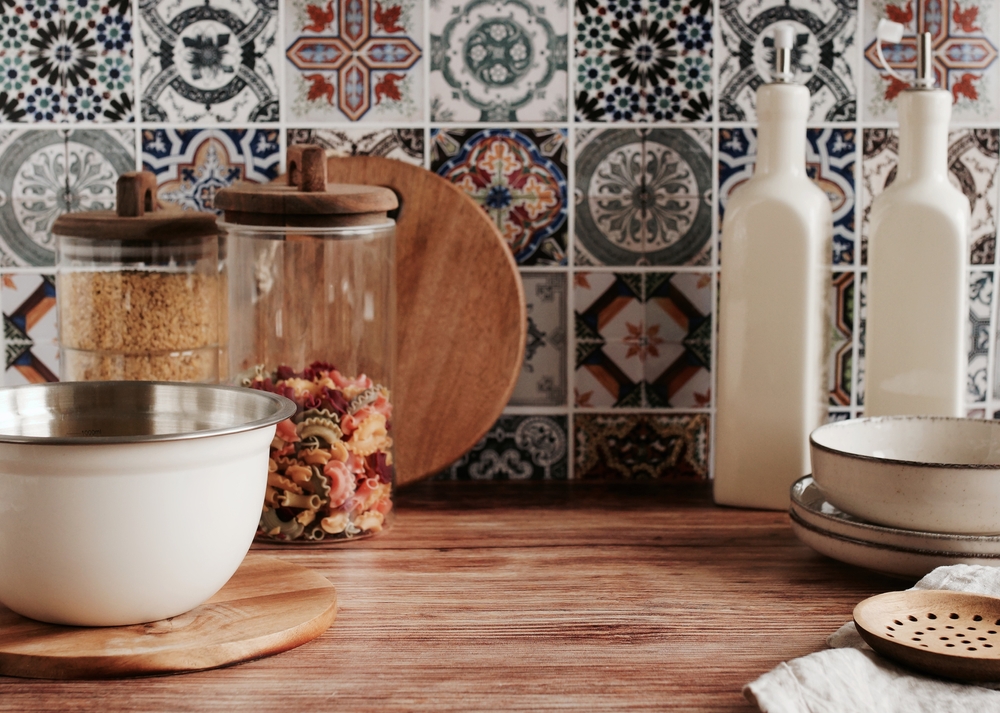
Introduction to the Spanish Kitchen: A Culinary Journey
The Spanish kitchen, or la cocina española, is an iconic reflection of Spain’s rich cultural tapestry, diverse geography, and centuries-old traditions. For anyone considering integrating Spanish culinary concepts or décor into their home, understanding both the defining characteristics and the nuances of its styling is essential. In this in-depth article, we discover the core attributes, historical influences, and design principles that make the Spanish kitchen so distinctive and timeless. Whether you’re renovating, redecorating, or simply curious about Spanish culinary heritage, embark on a journey to reveal how the heart of the Spanish home pulsates with warmth, flavor, and vibrant style.
The Origins and Evolution of Spanish Cuisine
Spanish cuisine is a mosaic crafted from countless regional influences, ancient trading routes, and a climate that varies from lush green valleys to sun-baked coastlines. The roots of the Spanish kitchen stretch back to Roman times, later flavored by the Moors, Jews, and the discovery of the New World. This historical depth is not only reflected in the dishes but also in the spatial design and functional layout of the kitchen.
Throughout the centuries, the Spanish kitchen has evolved through contact with neighboring cultures and by embracing new ingredients such as tomatoes, potatoes, and peppers from the Americas. The resulting culinary identity is a fusion of rustic charm and refined simplicity, with each aspect of the Spanish kitchen—be it food, layout, or décor—offering insights into the nation’s past.
Key Characteristics of Spanish Cuisine
The essence of Spanish cuisine can be distilled into a few fundamental characteristics, all of which are present in the traditional Spanish kitchen:
- Regional Variation: From Basque Country to Andalusia, each region offers unique flavors and specialties, reflected in both the recipes and the kitchen’s tools and layout.
- Celebration of Freshness: Spanish cooking prioritizes the freshest local and seasonal ingredients, emphasizing authenticity.
- Simplicity and Robust Flavors: Dishes are often created with few ingredients but deep, satisfying flavors developed through proper technique and time-honored tradition.
- Social Dining: Meals are rarely solitary affairs. The Spanish kitchen is a space of gathering and sharing, with ample seating and wide surfaces for communal cooking and eating.
- Use of Olive Oil: A staple in both cuisine and design, olive oil is not only a culinary cornerstone but also an inspiration for kitchen colors and textures.
Spanish Kitchen Layout and Functional Design
The architectural design and organization of a Spanish kitchen reflect practicality, tradition, and the Mediterranean lifestyle. Several aspects characterize the Spanish kitchen layout:
-
Open Plan and Social Flow:
Spanish kitchens often feature open layouts that merge the kitchen with the dining or living area, encouraging conversation and a sense of community. Large tables or islands accommodate family and guests for leisurely meals or shared food preparation.
-
Central Preparation Area:
At the heart of the Spanish kitchen is a central workspace used for slicing, kneading, and sharing. Sturdy wooden tables or islands serve both practical and social functions, symbolizing hospitality.
-
Emphasis on Storage:
Open shelving, artisan-crafted cabinets, and hanging pot racks are prominent design features. This not only offers practical storage but also puts beautiful cookware and ceramics on display.
-
Natural Ventilation and Light:
Large windows, arched doorways, and high ceilings permit copious natural light and airflow, vital for both practical cooking and the pleasant atmosphere in the kitchen area.
Functionality and social interaction are at the core of every Spanish kitchen layout, contributing to an environment that is both efficient and inviting.
Materials: The Soulful Foundation of Style
The tactile and visual appeal of the Spanish kitchen is rooted deeply in its material choices. These materials do not merely serve a utilitarian purpose; they encapsulate the essence of Spanish heritage and the warmth the kitchen radiates.
Traditional Materials
- Terracotta Tiles: The floors and, occasionally, walls are adorned with terracotta tiles, renowned for their rustic character and ability to maintain coolness in the hot Spanish climate.
- Handpainted Ceramics: Vibrant tiles from regions like Talavera and Seville are iconic, often used in backsplashes or as decorative accents in countertops and around windows.
- Noble Wood: Dark walnut, pine, and chestnut are favored for beams, cabinetry, and shelving, reflecting the robustness and tradition of Spanish interiors.
- Stone: Granite, marble, or even locally sourced rough stone grants gravitas to worktops and walls, integrating the kitchen into its ancient landscape.
- Wrought Iron: This material appears in light fixtures, rackings, handles, and decorative elements, adding strength and historical character.
These materials are chosen not just for aesthetics but also for their practicality and longevity, elevating the lived-in appeal of the Spanish kitchen.
Color Palette: Evoking the Spanish Landscape
Spanish kitchen colors are vibrant yet earthy, drawing inspiration from the natural world and centuries-old Iberian architecture. The palette provides a warm and welcoming atmosphere that is instantly recognizable.
- Earthy Tones: Terracotta, ochre, and sandy beige reflect the Spanish countryside and the sunbaked tiles of classic Spanish homes.
- Deep Blues and Greens: These are reminiscent of the Mediterranean Sea and fertile valleys, offering cool contrast and serenity.
- Whites and Creams: Whitewashed walls are staple features, helping to enlarge spaces and enhance natural light.
- Vivid Accents: Reds, cobalt blues, and sunflower yellows often appear in ceramic tiles, pottery, and textiles, adding joyful bursts of color.
The colors chosen are both expressive and comforting, ensuring that the space remains lively without overwhelming the senses.
Lighting: Crafting Atmosphere in the Spanish Kitchen
Lighting is pivotal in the Spanish kitchen, supporting both functionality and ambiance. The Spanish sun has always played a starring role, and proper lighting design seeks to replicate this effect when natural illumination is limited.
Natural Light
Broad windows, glass doors, and even skylights are employed when possible, blurring the boundary between indoors and outdoors. Light, airy curtains or no window treatments at all are preferred to make the space feel open and inviting.
Artificial Lighting
- Wrought Iron Lanterns and Chandeliers: These fixtures often hang from the ceiling or over central islands, providing both illumination and a focal decorative element.
- Wall Sconces: Installed along walls, sconces made of iron or clay deliver a gentle, diffused light ideal for evening gatherings.
- Under-Cabinet Lighting: Modern adaptations include LED strips beneath upper cabinets, illuminating work surfaces in ways that respect traditional style while enhancing practicality.
The lighting scheme in a Spanish kitchen is designed for both mood and activity, adjusting from bright and energetic during food preparation to soft and intimate for meals and entertaining.
Architectural Details and Structural Elements
The architectural features of the Spanish kitchen create visual drama and reinforce authenticity. These are more than mere ornaments; they are structural homages to Spain’s architectural patrimony.
- Wooden Ceiling Beams: Exposed beams, often left in their natural state or stained dark, draw the eye upward and introduce a sense of history and craftsmanship to the space.
- Arched Doorways and Niches: Rounded arches soften transitions between rooms and add a distinctly Mediterranean flair.
- Thick Masonry Walls: Stucco or stone walls give the kitchen a solid, protective feel—a legacy of centuries-old haciendas and country villas.
- Decorative Range Hoods: Generously proportioned hoods, sometimes tiled or latticed with iron, stand as a sculptural centerpiece above traditional stoves.
- Open Fireplaces: Where space permits, open hearths or brick ovens recall the origins of Spanish home cooking and provide a unique showpiece for gatherings.
Each architectural detail is carefully chosen to create a sense of timeless charm while offering clues about the building’s heritage, region, and the culinary traditions it embodies.
Furniture and Fixtures: The Heart of the Spanish Kitchen
The choice of furnishings is central to the personality and comfort of a Spanish kitchen. Spanish kitchen furniture balances durability and beauty, tradition, and utility.
- Long Wooden Tables: Communal dining is a Spanish trademark, and long, trestle-style wooden tables with benches or sturdy chairs invite family and friends to linger over meals.
- Antique Cabinets and Sideboards: Heirloom-quality furniture pieces, often painted or elaborately carved, provide ample storage and surface for displaying prized ceramics and copperware.
- Open Shelves: Wooden or metal open shelving offers easy access to everyday utensils and ingredients while displaying the cook’s favorite wares.
- Farmhouse Sinks: Deep, apron-front ceramic or stone sinks accommodate large pots and are both functional and visually striking.
- Copper and Stone Fixtures: Faucets, handles, and hardware in aged copper or wrought iron echo the palette and patina of the broader kitchen design.
Furniture selections in a Spanish kitchen are intentional, favoring hand-made or vintage pieces that improve with age and contribute an unmistakably Spanish charm.
Decorative Touches and Iconic Accessories
The finishing touches in a Spanish kitchen elevate the entire space, turning it into a living mosaic of Spanish artistry and heritage. Every accessory tells a story, and together they form the soul of the kitchen.
- Handpainted Tiles: Applied as backsplashes, on counters, or as wall murals, brightly colored tiles feature motifs such as geometric patterns, florals, or historical scenes.
- Ceramic and Earthenware Vessels: From olive oil jugs to decorative plates and pitchers, ceramics in bold colors and patterns are both practical and ornamental.
- Textiles: Linens with vivid embroidery, striped or checked cloths, runners, and curtains add layers of color and comfort to the space.
- Traditional Cooking Utensils: Large wooden spoons, clay cazuelas, and cast iron pans hang from racks or hooks, speaking to the kitchen’s practical roots and ongoing traditions.
- Dried Herbs and Wreaths: Fresh or dried bunches of rosemary, thyme, and peppers are not only used in cooking but also hung from beams or over the stove for decoration and convenience.
These accessories are selected as much for their beauty as their use, ensuring the Spanish kitchen is a space of creativity and hospitality.
Culinary Rituals: The Spanish Kitchen in Daily Life
The Spanish kitchen is more than a place to cook—it is the epicenter of the home’s social and cultural life. Everyday rituals and seasonal celebrations revolve around food, hospitality, and togetherness. Understanding these rituals reveals why the design of the Spanish kitchen places such weight on space, light, and seating.
- La Comida: The main meal of the day, typically enjoyed slowly in good company around a generous table, often beginning with tapas and extending to several courses.
- Tapas Time: Informal gatherings with a parade of small dishes, best enjoyed standing around the kitchen island or clustered at the table, sharing good conversation and laughter.
- The Sunday Paella: A family or neighborhood tradition, cooking paella outdoors or in a spacious kitchen is a celebration of togetherness and regional pride.
- Seasonal Baking and Preserving: From preparing preserves and olives in autumn to baking traditional sweets during holidays, the kitchen is always alive with collaborative culinary activity.
These rituals have shaped the design and spirit of the Spanish kitchen, ensuring it accommodates both the practical demands of serious cooking and the emotional nourishment of shared meals.
Signature Spanish Dishes: Inspirations for the Home Kitchen
To further understand what characterizes the Spanish kitchen, let us explore some of Spain’s most cherished dishes, each with a story that informs everything from kitchen layout to ingredient storage.
Paella Valenciana
This iconic rice dish, hailing from Valencia, exemplifies communal cooking and eating—often prepared in vast pans over open flames, requiring ample workspace, sturdy utensils, and large platters for serving.
Tortilla Española
The humble tortilla, a potato omelet, is a staple of home cooking that calls for durable, non-stick pans and counters spacious enough for slicing and serving.
Gazpacho
This chilled tomato-based soup, beloved in Andalusia, exemplifies the Spanish celebration of fresh, local produce. The kitchen must accommodate the storage and preparation of vibrant vegetables and facilitate easy access to a blender or food processor.
Cocido Madrileño
This hearty stew brings together meats, legumes, and vegetables in a single pot, typifying the sort of robust cooking Spanish kitchens are built for, requiring generous ovens and ample surfaces for dicing and assembling ingredients.
Churros con Chocolate
A classic sweet enjoyed at breakfast or as a treat, churros require a deep pan for frying and a ceramic pitcher for the thick chocolate sauce, demonstrating the importance of specialist pots and serving vessels in the Spanish kitchen.
These dishes and many more shape the tools, storage, and spaces needed in a truly functional and authentic Spanish kitchen.
Regional Diversity in the Spanish Kitchen
Spain’s geographical and cultural diversity is manifest in its kitchens and cooking style, with each region boasting distinct ingredients, techniques, and décor details.
The North: Basque Country, Galicia, and Asturias
Kitchens in the north often showcase darker woods, stone features, and enclosed hearths. Seafood is abundant, so storage for shellfish, specialized knives, and tools for simmering stews are vital.
The East: Catalonia and Valencia
Well-lit spaces, open layouts, and colorful tilework are common. Kitchens here focus on rice dishes, fresh vegetables, and fusion flavors, calling for abundant pantry space suitable for storing grains, spices, and oil.
The South: Andalusia
A hot climate dictates whitewashed walls, terracotta floors, and large windows for ventilation. Here, the kitchen often centers around cold soups, grilled vegetables, and seafood, requiring features that maximize both shade and airflow.
The Interior: Castile and La Mancha
These kitchens are robust and functional, with heavy masonry, rustic tables, and ample fireplace space for roasting meats or making stews. Storage for grains and pulses is extensive, reflecting the harsh winters and hearty fare.
Each regional kitchen adapts its style and function to local climate, resources, and traditional recipes, resulting in vibrant diversity under the broad umbrella of the Spanish kitchen.
Modern Interpretations: The Contemporary Spanish Kitchen
While rooted in tradition, the Spanish kitchen has adapted to modern tastes and technologies. Contemporary Spanish kitchens balance the warmth and legacy of ancestral design with the streamlined efficiency desired in today’s homes.
- Integration of Modern Appliances: Built-in ovens, induction cooktops, and state-of-the-art refrigerators are incorporated without sacrificing the authentic aesthetic, often concealed behind custom cabinetry or surrounded by traditional materials.
- Minimalist Influence: Clean lines, uncluttered surfaces, and neutral palettes may soften the rustic feel, while splashback tiles or vivid accessories keep Spanish character alive.
- Sustainable Materials: Eco-friendly options such as cork floors, reclaimed wood, or energy-efficient appliances speak to current sensibilities while blending seamlessly with age-old Spanish style.
- Flexible Open Plans: Kitchens now flow into living or dining areas with multi-purpose islands and flexible seating configurations, reflecting today’s need for informal dining and dynamic entertaining.
In the modern era, the Spanish kitchen continues to evolve, striking a harmonious balance between time-honored tradition and contemporary comfort.
Incorporating Spanish Kitchen Style into Any Home
Embracing Spanish style is as much about feeling as it is about form. Whether you’re renovating a villa or updating an urban apartment, you can bring the charm of the Spanish kitchen home by focusing on a few key elements:
-
Infuse Warmth with Materials:
Introduce terracotta or handmade tile, exposed beams, and carved woodwork to echo Spain’s rustic elegance.
-
Create Social Spaces:
Design your kitchen for togetherness, prioritizing large tables, banquette seating, or a spacious island that doubles for cooking, dining, and gathering.
-
Celebrate Color and Texture:
Layer earthy tones with vibrant hues in textiles, ceramics, and backsplashes. Embroidered linens, patterned tiles, and ceramic serveware will enliven even the most contemporary setting.
-
Curate Authentic Accessories:
Adorn the kitchen with hand-painted plates, wrought iron lamps, and classic Spanish utensils like cazuelas and paella pans.
-
Let the Light In:
Opt for sheer window treatments or leave windows undressed to accentuate natural light. Complement with wrought iron or terracotta sconces and lanterns for evening ambiance.
No matter the location or size of your kitchen, infusing elements of the Spanish tradition ensures an atmosphere of warmth, vitality, and effortless sophistication that defines the Spanish way of life.
Tips for Designing a Stunning Spanish Kitchen
Creating a Spanish kitchen at home involves thoughtful design choices that blend functionality, beauty, and tradition. Here are key considerations to guide your project:
- Flooring Choice: Traditional terracotta tiles or patterned encaustic cement tiles will anchor your space with historical character and durability.
- Mural or Tiled Backsplash: Handmade tiles with geometric patterns or vibrant scenes add a splash of color and a focal visual point above sinks and stoves.
- Statement Range Hood: A large, sculptural hood above your stove—finished in plaster, tile, or iron—references classic Spanish design and provides practical ventilation.
- Open Shelving: Display favorite ceramics, glassware, and utensils; open shelves keep essentials close at hand and serve as constantly evolving décor.
- Feature Island or Table: Even in small kitchens, a central surface promotes sociability and facilitates both everyday tasks and festive occasions.
- Beamed Ceilings or Architectural Arches: These features, real or faux, impart instant Mediterranean character and enhance a sense of authenticity.
- Mix Old and New: Balance antique or vintage accessories with modern conveniences—induction burners, under-counter refrigerators, or smart storage—to meet today’s needs without sacrificing tradition.
- Emphasize the Hearth: A fireplace or wood-burning oven, if possible, becomes a dramatic centerpiece and a nod to traditional Spanish hearth-centered cooking.
- Earthy and Colorful Textiles: Napkins, cushions, and table linens in bold or earthy colors make the space feel lively and welcoming.
- Capitalize on Light and Air: Wherever possible, maximize natural light and cross-ventilation, replicating the sun-soaked atmosphere of Iberia.
By adhering to these guiding principles, your Spanish kitchen will capture not only the dazzling beauty but also the convivial spirit and soul of culinary Spain.
Conclusion: The Enduring Allure of the Spanish Kitchen
The Spanish kitchen is far more than a place to prepare food—it is an enduring emblem of hospitality, tradition, and artistry. Its design is a celebration of color and texture, a testament to the country’s diverse culinary legacy, and a living reminder of the importance of community and shared experience in daily life.
Every design element—from rustic beams to ceramic tiles and hand-forged ironwork—serves to reinforce a lifestyle that prizes togetherness, feasting, and the simple pleasures of home. By understanding and embracing the features, layout, and style of the Spanish kitchen, you transform your cooking space into a sanctuary where history, family, and flavor meet in harmony.
Through a careful blend of classic materials, iconic design elements, and vibrant decorative touches, any home can recapture the sun-drenched, convivial ambiance of Spain’s most treasured tradition: the kitchen at the heart of life itself.