



Introduction to Spanish Culture: A Tapestry of Tradition and Passion
Spain is celebrated worldwide for its vibrant energy, deep tradition, indelible creativity, and unparalleled warmth. Spanish culture, shaped by centuries of history and a kaleidoscope of regional influences, enchants travelers and locals alike. An exploration of Spain's customs, celebrations, and etiquette unveils a society where life is lived with gusto—where family, food, tradition, art, and ritual come together in harmonious celebration. This article takes you on an immersive journey into the heart of Spanish culture, providing in-depth insights that honor its complexity and joy.
The Foundations of Spanish Identity: History and Regionalism
Spanish culture cannot be fully understood without considering its storied past and distinct regional identities. From the time of the Iberians, through Roman, Visigothic, Moorish, and Christian rule, the Spanish Peninsula has been a crossroads of civilizations.
- Roman heritage: The Roman imprint is still visible in Spain’s architecture, language, law, and even culinary tradition.
- Moorish influence: The centuries of Islamic rule left an indelible mark, especially in Andalusia—witnessed in the intricate Alhambra and the poetic tradition of flamenco.
- The Reconquista: The Christian reclamation of Spain created the patchwork of regions, each fiercely proud of its dialects, folklore, and gastronomy.
Today, Spain is a mosaic of autonomous communities. Catalonia, Galicia, the Basque Country, Andalusia, Valencia, and others add their own chapter to the Spanish story. To understand “Spanish culture” is to appreciate this regional diversity—a multi-threaded identity that weaves together art, language, cuisine, and social custom.
Language: The Melody of Communication
Castilian Spanish (Castellano) is Spain’s official language. Yet, a tapestry of languages and dialects coexists—Catalan, Basque (Euskara), Galician (Galego), and others. Language, in Spain, is not just communication, but a symbol of regional pride and heritage.
- Castilian: The most widely spoken, used in media, education, and government.
- Catalan: Spoken in Catalonia, Valencia (where it’s called Valencian), and the Balearic Islands. Its presence is central to regional identity.
- Basque: A linguistic mystery unrelated to other European tongues, fiercely protected and a source of great pride in the Basque Country.
- Galician: Shares roots with Portuguese; spoken alongside Spanish in Galicia.
Interpersonal communication in Spain reflects warmth and expressiveness. Conversation is punctuated by hand gestures, close proximity, and frequent eye contact. Silence is rare: people are encouraged to speak their minds, making dialog lively and engaging.
Customs and Social Norms: Navigating Daily Life
Social interaction in Spain is governed by a blend of formality and warmth. Understanding daily customs is key to successfully integrating into Spanish society or making the most of a visit.
The Art of Greeting
- Personal greetings: Upon meeting, women usually kiss each other on both cheeks (starting with the right); men may embrace or shake hands. Among close friends, men may also exchange kisses, especially in southern regions.
- Formality: Addressing elders and strangers as “Señor” or “Señora” is customary until invited to use first names.
Daily Routine and Punctuality
- Time perception: Spain is renowned for a relaxed attitude towards time. Social events typically start late, and tardiness of up to 30 minutes is common (though less so in professional settings).
- Siesta and schedules: Shops often close for siesta in the afternoon, particularly in smaller towns, and reopen in the evening. Meals, as a result, are much later than in other European countries.
The Importance of Family
- Family ties: The family is the cornerstone of Spanish society, often extending to include close friends. Meals and celebrations are almost always family affairs. Children tend to live at home longer, and intergenerational households are common.
- Respect for elders: Showing deference to grandparents and elderly relatives is expected and highly valued.
Understanding this blend of warmth and formality is crucial when engaging with Spanish society, whether as a guest, a resident, or a business associate.
Cuisine: The Poetic Soul of Spain
Few cultures celebrate life through food as passionately as Spain. Spanish cuisine is a reflection of its geography, history, and regional pride—a culinary journey that moves from the seafood-rich coasts to the hearty stews of the mountains, from the Moorish-influenced south to the rustic heartland of Castile.
Spanish Dining Customs
- Meal times: Lunch (comida), spanning from 2 to 4 pm, is the principal meal. Dinner (cena) is typically light and served from 9 pm onwards—even as late as 11 pm in summer months.
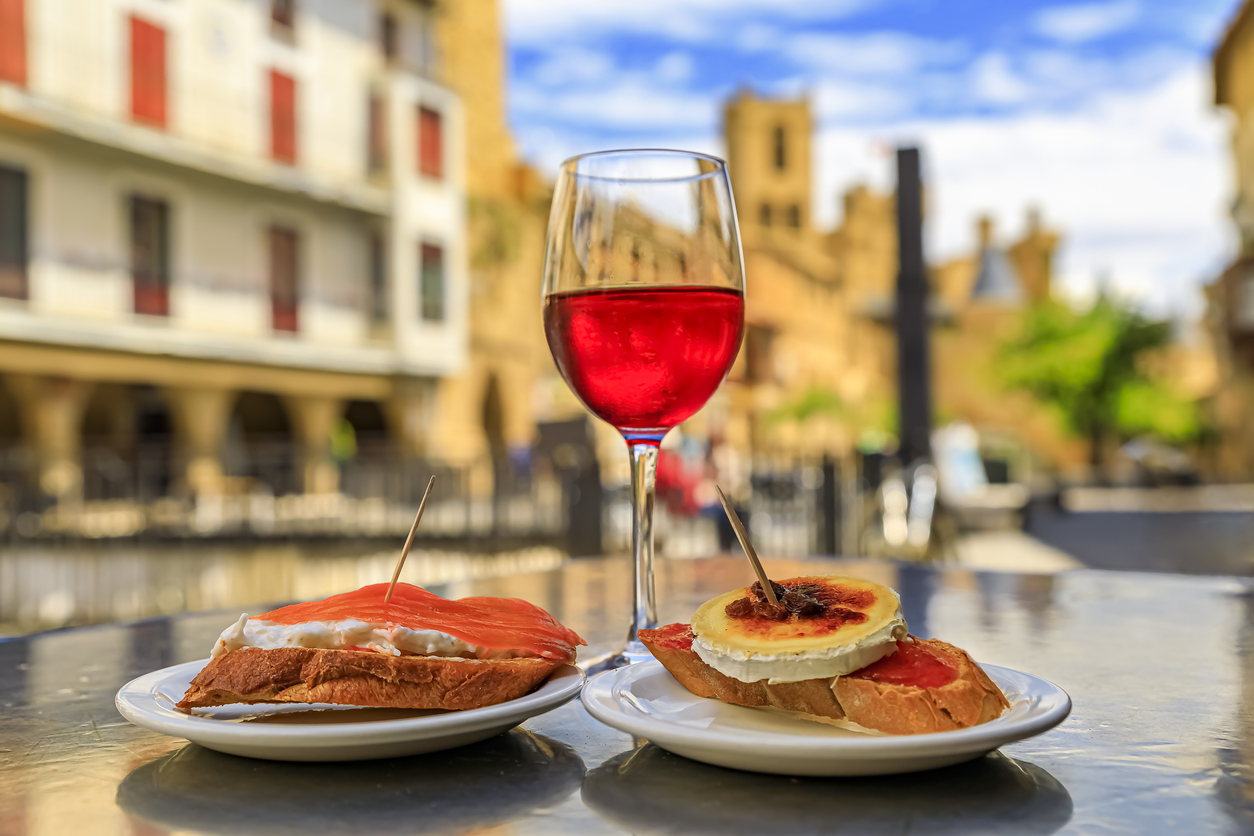
- Tapas culture: Tapas are much more than food; they are a social ritual. Shared among friends, tapas range from olives and cheese to more complex small plates. The act of “ir de tapas” (going out for tapas) involves moving from bar to bar, sampling specialties and socializing.
- Table etiquette: Hands are kept visible on the table but elbows off, napkins on the lap, and polite conversation is encouraged. Toasts—frequently initiated—are met with the word “¡Salud!”
Regional Gastronomy
Each region boasts its own specialties, making a food tour of Spain an endless delight.
- Andalusia: Birthplace of gazpacho, pescaito frito (fried fish), and renowned for olive oil production.
- Catalonia: Known for pa amb tomàquet (bread with tomato), crema catalana, and seafood stews.
- Basque Country: Famous for pintxos (miniature culinary creations), bacalao al pil-pil, and a rich tradition of dining societies.
- Valencia: The legendary paella Valenciana—a dish that has become a Spanish icon, though fiercely regional in its purest form.
- Galicia: Praised for its seafood, particularly octopus (pulpo a la gallega) and empanada gallega (savoury pie).
Wine and Beverages
- Wine: Spain is one of the world’s top wine producers. The regions of Rioja, Ribera del Duero, and Jerez (Sherry) are celebrated for their distinctive vintages.
- Cava: Spain’s answer to champagne, produced mainly in Catalonia, is integral to festivities and family gatherings.
- Other drinks: Horchata, a sweet Valencian drink made from tiger nuts; sangría; vermouth served over ice; and chocolate caliente with churros.
Sharing a meal in Spain is far more than sustenance; it is an act of hospitality, family, and celebration.
Festivals and Celebrations: The Spanish Spirit on Display
Spain’s calendar is packed with festivals—religious, seasonal, historical, and purely festive. Spanish celebrations are immersive spectacles, inviting participation and blurring the line between audience and performer. These events encapsulate the exuberance and sense of community at the heart of Spanish life.
National Holidays and Fiestas
- Semana Santa (Holy Week): A powerful religious observance, especially in Seville, Málaga, and Valladolid. Somber processions, ornate floats, and moving hymns commemorate the Passion of Christ.
- La Tomatina: Held in Buñol, Valencia, this world-famous food fight involves thousands hurling ripe tomatoes in a joyful spectacle of color and camaraderie.
- San Fermín (Running of the Bulls): Pamplona’s explosive weeklong festival known for the bull runs and exuberant street parties.
- Feria de Abril: Seville’s sprawling spring celebration with flamenco, colorful “casetas” (marquees), horse parades, and non-stop dancing.
- Las Fallas: Valencia’s fiery March festival marked by gigantic effigies, fireworks, and community-wide revelry.
- Christmas and Three Kings’ Day: Spanish Christmas celebrations begin with Christmas Eve dinner, continuing through Epiphany (January 6), when gifts are exchanged.
- Nochevieja (New Year’s Eve): Celebrated by eating twelve grapes at the stroke of midnight—one for each chime of the clock—to bring luck for the coming year.
- Semana Grande: Major cities, especially in the north (Bilbao, San Sebastián, Gijón), host these “Big Week” summer fiestas filled with music, fireworks, sports, and street theater.
Regional Celebrations
- Castellers (Catalonia): Human tower building is a unique and thrilling tradition—teams (“colles”) balance themselves up to nine levels high.
- Sant Jordi’s Day (Catalonia): April 23rd is marked by the giving of roses and books, transforming streets into a sea of color and literature.
- Pilgrimages (“Romerías”): Such as the Romería del Rocío in Andalusia, blending religious devotion with Andalusian pageantry, music, and horsemanship.
- Aste Nagusia (Basque Country): Ten-days of concerts, street theater, and parades, a vibrant showcase of Basque culture.
Participating in these festivals is the key to experiencing Spanish society at its most vibrant and inclusive.
Art, Music, and Dance: Expressing the Spanish Soul
Spain’s immense contributions to world culture are undeniable. From Picasso’s bold modernism to Gaudí’s fantastical architecture and the pounding rhythms of flamenco, Spanish art, music, and dance tell the nation’s evolving story.
Visual Arts
- Classical masters: Diego Velázquez, El Greco, and Francisco Goya shaped Western art, their masterpieces preserved in Spain’s excellent museums (e.g., Madrid’s Prado, Museo Thyssen-Bornemisza).
- Modern icons: Pablo Picasso’s Guernica is a searing anti-war statement; Salvador Dalí powered surrealism; Joan Miró brought color and whimsy.
- Architecture: From Granada’s Alhambra and Toledo’s Gothic cathedral to Antoni Gaudí’s Sagrada Familia in Barcelona, Spain’s architecture is an open-air gallery spanning centuries.
Music
- Flamenco: The passionate, improvisational art of singing (cante), dancing (baile), and guitar playing (toque) has its roots in Andalucía. It is simultaneously mournful (“cante jondo”) and exuberant (“alegrías”).
- Classical: Composers such as Manuel de Falla, Isaac Albéniz, and Joaquín Rodrigo linked folk tradition with Western classical technique.
- Regional styles: Each area has its genres—Galician “muiñeira” and “gaita” (bagpipes), Basque “txalaparta” percussion, Catalan “sardana” dance music, and more.
Dance
- Flamenco dance: Complex footwork, emotional storytelling, expressive hand and arm movements, and elaborate costumes.
- Sardana: Catalonia’s circle dance, symbolic of unity; participants join hands and dance rhythmically in public squares.
- Jota: A lively folk dance from Aragon, performed at weddings and festivals across the country.
Art, music, and dance are daily expressions of identity, pride, and resilience for the Spanish people—a direct connection to generations past and future.
Religion and Spiritual Life: Faith and Ritual
Spain’s spiritual landscape is both deeply traditional and refreshingly diverse. While Roman Catholicism remains the historical and institutional foundation, modern Spain is increasingly secular and open.
- The legacy of Catholicism: Churches and cathedrals form the beating heart of most towns. Historic religious festivals, saints’ days, and pilgrimage sites (like Santiago de Compostela) continue to knit communities together.
- Religious practice: Weekly Mass attendance has declined, especially among younger generations, but rites of passage—baptisms, First Communions, weddings, and funerals—hold major cultural importance.
- Other faiths and worldviews: Spain is home to a growing Muslim population (legacy of Al-Andalus), a significant Jewish history, and rising religious pluralism in urban centers.
Spaniards navigate faith with a blend of respect for tradition and a personal, sometimes secular, approach to spirituality.
Work, Business, and Professional Etiquette
Professional conduct in Spain balances social warmth with hierarchical respect. The way business is conducted often reflects broader cultural values of trust, courtesy, and relationship-building.
Doing Business in Spain
- Appointments: It’s standard to book meetings well in advance. Punctuality is expected for professional engagements, even if social gatherings permit tardiness.
- Introductions: Business cards are exchanged with formality. Address colleagues and clients with titles (“Señor,” “Señora,” or professional titles) until invited to use first names.
Decision-Making and Hierarchy
- Hierarchy: While personal relationships are key, respect for authority and clear chain of command remains important, especially in traditional sectors.
- Negotiations: The process is often indirect and lengthy, with emphasis on relationship-building rather than immediate results.
Dress Code
- Professional attire: Stylish yet conservative dress is expected—suits for men, business-appropriate fashion for women.
- First impressions: Personal grooming and attention to detail are highly valued as a sign of respect.
Work-Life Balance
- Work hours: The extended lunch/siesta break (typically 2 to 5 pm) still exists in some regions, with workdays stretching into the evening.
- Vacation: Spain has generous holidays, with August often dedicated to family holidays and many businesses running at reduced capacity.
Trust, courtesy, and respect for protocol pave the way for successful personal and professional relationships in Spanish society.
Personal Space, Dress, and Physical Expression
Spaniards are unreserved in their warmth, often expressing themselves with gestures and physical closeness. This can be surprising—but also deeply welcoming—to newcomers.
Physical Contact
- Touch: Frequent and casual—embraces, double kisses, or a friendly touch to the arm are normal among friends and family.
- Personal space: Distance during conversation is less than in many Northern European cultures.
- Public displays: It is common to see couples holding hands, families hugging, and people engaging in lively gestures.
Dress Sense
- Fashion: Spaniards take great pride in appearance. Casual attire is always neat; shorts, flip-flops, and sportswear are reserved for the beach or gym.
- Seasonal changes: Dress codes follow seasonal tradition—no matter the temperature, sandals or sleeveless tops are rarely worn before the start of summer.
Appreciating Spain’s “culture of appearance” is important for social ease and feeling at home.
Etiquette in Social Life: Invitations, Gift-Giving, and Politeness
Navigating Spanish social customs requires a sensitivity to unspoken codes. From how to respond to invitations to the rituals of gift-giving and table manners, etiquette underlies easy interaction.
- Invitations: Guests are expected to bring a small gift—flowers, dessert, or wine—when invited to someone’s home.
- Tardiness: Arriving 15-30 minutes late is often acceptable; arriving early is not.
- Gift-giving: Gifts are modest but thoughtful. Open gifts immediately if offered. Avoid giving thirteen flowers, as this number is associated with bad luck.
- Mealtime politeness: Wait for the host to indicate it is time to eat. Complimenting the food is always appreciated.
- Toasts: It is customary to make direct eye contact before taking a sip during a toast, to avoid “seven years of bad luck.”
- Leaving: Polite leave-taking is expected—thanking the host and perhaps offering to help clear up.
Sports and Leisure: The Spanish Passion for Play
Sport is a pillar of Spanish social life. Beyond the famed football leagues and tennis champions, participation in all manner of recreational activities reflects the Spanish zest for community and celebration.
Football (Soccer)
- National obsession: Football is a cultural phenomenon. Matches between top clubs draw citywide attention. Local derbies—such as El Clásico (Real Madrid-Barcelona)—divide loyalties and unite the nation in excitement.
- Grassroots participation: From village pitches to urban courts, football is played enthusiastically across Spain.
Other Popular Sports
- Basketball and Tennis: Spain has produced global stars in both sports, and matches are widely followed.
- Pelota and Frontón: Native Basque racquet sports, often played in village squares and municipal courts.
- Surfing and Mediterranean Sports: The coastlines offer ideal conditions for sailing, windsurfing, scuba, hiking, and cycling.
Leisure and the Outdoors
- Paseo (Evening stroll): The daily ritual of strolling with friends and family through public plazas and parks, reflective of Spain’s “street life.”
- Café culture: Hours are spent conversing at outdoor terraces over coffee, drinks, or tapas—a pace that prizes connection over hurry.
Sports and communal activities are about far more than winning—they reinforce bonds, foster local pride, and release the tensions of daily life.
Family and Social Structures: Kinship, Community, and Modern Change
The Spanish social fabric has historically revolved around family and close-knit communities—a reality that still shapes daily life, even as society modernizes.
- Family first: Nuclear and extended families are deeply connected, supporting one another in times of both celebration and challenge.
- Generational coexistence: Grandparents often help care for grandchildren; respect for elders is unwavering.
- Changing dynamics: Urbanization and economic pressures have led to smaller households and greater individualism, yet the value placed on family remains evident.
Community ties extend beyond blood: friendships are long-lasting, and neighbors are often treated as extended family—especially in smaller towns. Celebrations, mutual support, and shared meals reinforce these bonds.
Education and the Value of Learning
Education in Spain is a journey shaped by tradition, reform, and cultural diversity.
- Public schools: Free and widespread, these reflect national curricula while often including regional languages and subjects.
- Private and international schools: Offer additional variety, sometimes taught in English, French, or local dialects.
- Lifelong learning: Programs for adult education, language schools, and cultural workshops are common, a testament to Spain’s enthusiasm for personal growth.
- University system: Renowned institutions such as the University of Salamanca (one of Europe’s oldest) reflect a legacy of intellectual inquiry and open debate.
Respect for learning, debate, and curiosity are enduring features of Spanish life.
Cultural Etiquette for Visitors: Tips for a Thoughtful Experience
Being a respectful, welcomed guest in Spain means embracing its rhythms, rituals, and ways of life. Here are some essentials for those seeking to experience Spanish culture with depth and sensitivity:
- Learn a few key phrases in Spanish—and, if possible, a local language.
Even simple greetings (“Hola,” “Buenos días,” “Gracias”) go a long way. In Catalan, Basque, or Galician-speaking regions, learning basic phrases is a sign of respect.
- Take cues from hosts and locals.
Follow their timing, dress code, and social rituals. Observe before acting.
- Participate in local festivals and traditions—respectfully.
Don a sash and join a fiesta, but avoid behavior that disrupts or trivializes the event’s meaning.
- Respect meal times and customs.
Expect later dining hours and embrace the slow pace of meals. Share in tapas, offer toasts, and compliment your host.
- Honor personal boundaries and social gestures.
Become comfortable with double-cheek greetings, standing close during conversation, and affectionate goodbyes.
- Appreciate the art of conversation.
Lively debate and humor are appreciated. Tact and respect are prized, but passionate expression is also seen as a virtue.
- Avoid controversial topics, especially regarding regional politics or history, unless invited.
These can be sensitive areas. Listen and listen well—showing interest in Spain’s complex nature is always valued.
- Observe quiet during religious events and inside places of worship.
Dress appropriately, remain silent where needed, and follow local religious etiquette.
- Be gracious with time and plans.
Schedules may be flexible; patience and adaptability are highly praised qualities.
- Celebrate life with joy!
Ultimately, Spanish culture is about living fully, with passion, humor, and generosity. Immerse yourself in it, and you will be met with open arms.
Demonstrating understanding and appreciation of local etiquette is the best way to enrich your experience and foster true connection in Spain.
The Evolving Face of Spain: Modernity and Multicultural Influence
While steeped in tradition, Spain is undeniably modern and globally connected. Major cities are hubs of design, fashion, literature, culinary innovation, and progressive politics. Urban centers such as Madrid, Barcelona, Valencia, and Seville reflect dynamic changes while maintaining ties to their heritage.
- Migration and new communities: In recent decades, Spain has become home to newcomers from Latin America, North Africa, China, and beyond, enriching its linguistic, culinary, and social landscape.
- Diversity and inclusion: Spain is a recognized leader in gender equality and LGBTQ+ rights, with vibrant communities, annual Pride celebrations, and influential social advocacy.
- Youth culture: Young Spaniards are redefining traditional values, embracing global trends while safeguarding their roots—manifest in a flourishing music scene, digital art, and innovative gastronomy.
- Sustainability and environmentalism: Urban agriculture, green architecture, renewable energy, and eco-tourism are key priorities for contemporary Spanish society.
This progressive spirit shows how old and new intertwine in Spain, enriching the cultural experience for citizens and visitors alike.
Conclusion: Embracing the Heart of Spain
Spanish culture is a celebration of life itself—rich in custom, vibrant in ritual, and layered in meaning. It is lived through artful conversation, imaginative cuisine, joyful festivals, profound family ties, and a reverence for both history and the future.
Whether wandering the alleys of Seville on a spring evening, sharing tapas in Barcelona, or joining in a village fiesta, one cannot help but be swept up by the Spanish way of life. To understand Spanish culture is to embrace its warmth, adapt to its rhythms, respect its traditions, and delight in its creativity.
The magic of Spain lies in its ability to welcome outsiders as friends, to make every meal a celebration, and to sustain a sense of joy even in the face of challenge. It is no wonder that those who encounter Spanish culture so often leave longing to return, carrying a bit of that passion and spirit wherever they go.
As you journey through Spain—whether as a resident or visitor—may you discover the customs, celebrations, and etiquette that make this country truly extraordinary, and find your own place in its living tapestry of tradition and innovation.