





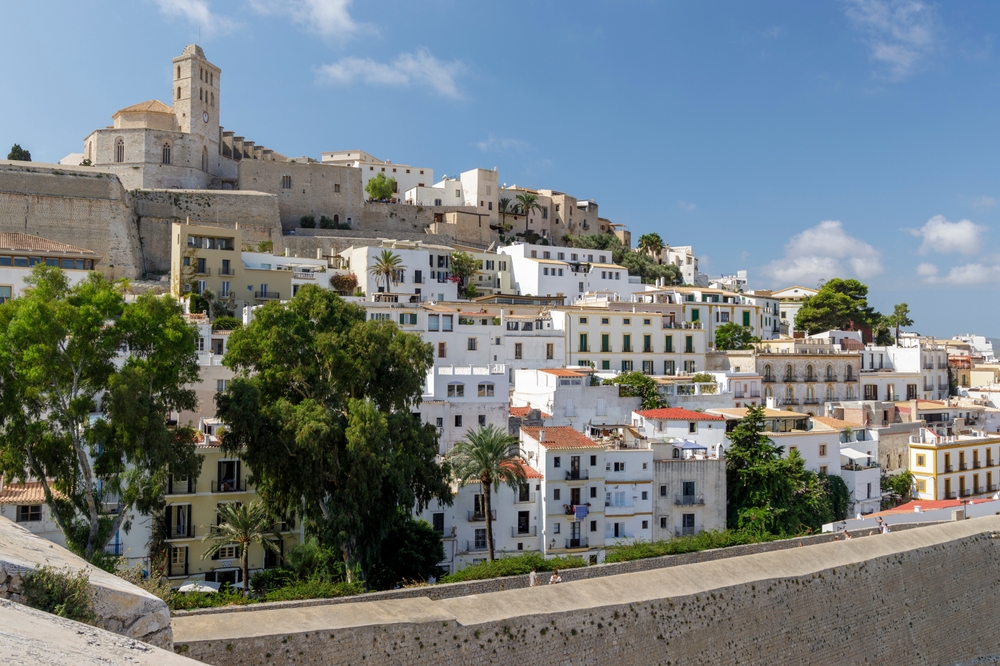
Introduction: Understanding the Dynamics of Spanish House Price Development
The Spanish real estate market has long been a focal point for investors, expatriates, and holidaymakers alike. With its diverse landscapes, rich cultural offerings, and enviable climate, Spain continues to attract interest from all over the globe. However, the true appeal lies not just in lifestyle offerings but also in the potential for property value appreciation. This comprehensive analysis dives deep into the prijsontwikkeling Spaanse huizen per regio — in other words, the price development of Spanish houses by region — providing an authoritative and detailed guide to this vibrant market. By examining regional distinctions, market drivers, historical and anticipated trends, and socio-economic influences, this article equips buyers, sellers, and investors with a nuanced understanding essential for making informed decisions.
A Historical Overview of Spanish Property Price Trends
Decade after decade, the Spanish property market has witnessed cycles of growth and correction, influenced by a blend of local and global events. The 2000s saw an unprecedented boom, fuelled by domestic and international buyers, only to be followed by a dramatic correction after the 2008 financial crisis. Since then, price recovery has varied strongly by region, shaped by tourism flows, foreign investment, infrastructure development, and economic reforms.
To appreciate current regional dynamics, it is vital to contextualize them within this historical framework. Spanish house prices peaked in early 2007, with an average national increase of over 200% since the mid-1990s. Following the global crisis, average prices fell by as much as 40% in some areas. Recovery started gaining traction around 2014, albeit unevenly. Metropolitan areas like Madrid and Barcelona were the first to bounce back, while coastal and rural regions followed at different paces.
Understanding the interplay between these cycles and localized factors lays the foundation for interpreting current and future trends.
Main Drivers Shaping Spanish House Price Developments
Several core factors drive the price development of houses across Spain. These dynamics vary notably by region, yet certain themes remain universal:
- Demand from Foreign Buyers: The influx of international buyers, particularly in the coastal and cosmopolitan zones, exerts upward pressure on prices.
- Economic Growth and Employment: Economic recovery and strong employment rates, especially in major cities, contribute to robust domestic demand.
- Tourism Sector Health: Regions more dependent on tourism, such as the Costa del Sol, see housing markets directly linked to seasonal and long-term visitor trends.
- Infrastructure and Connectivity: Improved transport links, such as high-speed rail and expanded airports, enhance a region’s attractiveness.
- Government Regulations and Taxation: National and local policies, including taxes on property purchases and rental regulations, impact buyer confidence.
- Supply Constraints: Limited new construction in historic centers or protected coastal areas can restrict supply, pushing up prices.
A detailed exploration of these drivers, with case studies drawn from various Spanish regions, reveals how they coalesce to shape present and future price evolution.
Regional Breakdown: Spanish House Price Development per Region
Spain comprises 17 autonomous regions (comunidades autónomas), each with its distinctive socio-economic profile and real estate market. No one-size-fits-all narrative exists; instead, house price developments reflect the varied realities on the ground.
1. Madrid: The Capital’s Dynamic Market
Madrid, as Spain’s heartbeat, showcases one of the most robust property markets nationally. Prices here recovered quickly after the 2008 downturn, outpacing national averages. Over the past decade, Madrid’s property values have soared, driven by a potent combination of economic growth, job creation, and enduring international appeal.
- Prime city center districts (such as Salamanca, Chamberí, Chamartín) command top prices, often exceeding €5,000 per m².
- Suburban areas have also seen strong appreciation due to improved transport links and increasing demand for spacious family homes.
- Ongoing urban regeneration projects, new business parks, and the international stature of Madrid’s institutions make it a safe haven for both domestic and foreign buyers.
Recent years have also shown a subtle shift toward the periphery as buyers seek more space post-pandemic, contributing to healthy appreciation in historically less expensive neighborhoods. However, demand for centrally located, high-end apartments remains resilient, keeping city-center prices stable or rising.
2. Barcelona and Catalonia: Cosmopolitan Appeal and Diverse Trends
Catalonia, and especially Barcelona, has long been a bellwether of Spanish urban property trends. The city’s cosmopolitan allure, Mediterranean climate, and economic dynamism have made it a magnet for foreign investors and professionals. However, local political movements and regulatory interventions, such as tighter rental controls, have moderated some of the speculative fervor seen in the past decade.
- Central Barcelona districts like Eixample and Sarrià-Sant Gervasi command premium prices, often in the €4,500–€6,000 per m² range.
- Peripheral and up-and-coming areas have become more attractive due to changing working habits and new infrastructure.
- Coastal suburbs such as Badalona and Sitges have seen strong price appreciation as buyers look for lifestyle-oriented properties.
The wider Catalonia region reflects a more diverse tapestry: the Costa Brava and inland rural areas experience more moderate growth, heavily tied to local economic activity and second-home demand.
3. Andalusia: Sun, Sea, and Strong Growth in the South
Andalusia, dominated by the iconic Costa del Sol, maintains a unique position within the Spanish market. The blend of world-renowned resorts, cultural heritage, and excellent transport connections (especially via Málaga airport) underpins its ongoing appeal. Demand remains high, both for holiday homes from northern Europe and increasingly as a year-round residence.
- Marbella, Estepona, and Málaga exhibit some of the country’s highest appreciation rates, with luxury homes in prime zones exceeding €10,000 per m².
- Inland white villages (pueblos blancos) offer more accessible prices, with significant growth in demand as buyers seek authentic Andalusian living.
- Granada and Seville, with their deep cultural roots, offer strong rental yields and have become more popular with international buyers in recent years.
Recovery from the post-2008 slump was pronounced in the last decade, but local nuances remain—some coastal areas have experienced almost-bubble conditions, prompting renewed attention to value and rental returns.
4. The Valencian Community: Solid Gains on the Mediterranean Coast
The Valencian Community, including the provinces of Alicante, Valencia, and Castellón, is one of Spain’s most international property markets—especially Alicante, which counts among the highest proportions of foreign homeowners nationwide.
- City-center Valencia has seen surging prices, propelled by urban renewal and strong student demand.
- The Costa Blanca continues to attract retirees and second-home buyers, with towns like Jávea, Denia, and Altea offering steady appreciation.
- Rural areas and traditional inland towns remain more affordable, appealing to budget-conscious buyers seeking authentic Spanish life.
Recent infrastructure investments, including high-speed rail and improved highways, have further enhanced the region’s accessibility, driving up interest and prices in previously undervalued municipalities.
5. The Balearic Islands: Exclusive and High Demand
Mallorca, Ibiza, Menorca, and Formentera are synonymous with exclusivity and cosmopolitan living. Despite their comparatively small size, the Balearics have some of the highest house prices in Spain, driven by limited supply and robust demand from the cosmopolitan elite.
- Palma de Mallorca, Santa Eulalia, and Ibiza city command astronomical prices, with luxury waterfront villas reaching or exceeding €12,000 per m².
- Even rural and semi-urban zones have seen rapid growth, as buyers seek peace of mind and investment security.
- Intense regulation on new builds and strict environmental laws constrain supply, exacerbating price pressure.
Long-term price appreciation in the Balearics shows little sign of slowing, except for brief pauses during global disruptions such as the pandemic’s onset.
6. The Canary Islands: Subtropical Allure Meets Property Stability
The Canary Islands, comprising Tenerife, Gran Canaria, Lanzarote, Fuerteventura, and several smaller islands, represent Spain’s year-round subtropical option. Property markets here have traditionally been less volatile and remain attractive to both European sun-seekers and investors seeking rental yields.
- Southern coasts of Tenerife and Gran Canaria: Experience constant demand for holiday lets and second homes, driving above-national-average price growth.
- Inland and northern areas are more affordable, offering steady, if less spectacular, appreciation.
- Strong tourism infrastructure helps cushion the market against shocks and supports resilient property values.
Supply constraints, insular nature, and seasonal rental regulations are key factors underpinning the Canary property price landscape.
7. Northern Spain: Green Coast, Stable Markets
The northern coastal regions of Asturias, Cantabria, Galicia, and the Basque Country (País Vasco) present a contrasting picture to the sun-drenched south. Known as the “Green Coast” (Costa Verde), these areas feature milder climates, stunning landscapes, and a strong sense of cultural identity.
- San Sebastián and Bilbao in the Basque Country exhibit some of Spain’s highest prices outside Madrid and Barcelona, driven by high local purchasing power and limited supply.
- Galicia, Cantabria, and Asturias remain more affordable, with property value growth steadier and less influenced by international forays.
- Tourism is robust but more regional, cushioning the market yet limiting volatility.
The Green Coast is increasingly recognized by buyers seeking authenticity, cooler summers, and an alternative to crowded Mediterranean resorts.
8. Inland Spain: Castilla y León, Castilla-La Mancha, Extremadura
Spain’s vast interior, though rarely the focus of international property headlines, offers attractive opportunities, especially for those seeking value and unspoiled landscapes. Urban centers like Valladolid and Toledo display strong local markets, but the majority of this vast region is characterized by slow, steady price evolution and excellent affordability.
- Rural villages and small towns offer exceptional bargains, with prices often below €1,000 per m²—among the lowest in Western Europe.
- Historic cities see moderate appreciation, particularly in university or heritage-driven markets such as Salamanca and Segovia.
- Low population density and migration to cities remain key challenges and influences.
As interest in remote working and sustainable living grows, these regions may yet accelerate in attractiveness, especially to buyers seeking tradition, space, and value.
9. Murcia and the Southern Costa Cálida: Affordable Mediterranean Living
Often overlooked in favor of flashier neighbors, the Murcia region—especially the Costa Cálida—offers exceptional value along Spain’s southeast coast. With over 300 days of sunshine annually, it draws a mix of international retirees, young families, and investors seeking attractive yields.
- Murcia city shows steady year-on-year price growth, buoyed by a dynamic university, medical sector, and proximity to both the coast and major highways.
- Resort towns such as Mazarrón and La Manga del Mar Menor offer properties at lower price points than Alicante or Málaga, yet with strong rental appeal.
- New infrastructure projects—motorways, airports, desalination plants—continue to strengthen the region’s market fundamentals.
As affordability becomes a greater priority, Murcia’s real estate offers one of Spain’s best price-growth-to-cost ratios.
10. Navarra, Aragon, and La Rioja: Niche Markets with Distinct Character
These less-heralded regions feature a blend of urban vitality and rural tradition, each with its market quirks. Zaragoza, the vibrant capital of Aragon, is a transport and logistics hub, spurring reliable urban demand and a relatively dynamic property market.
- Zaragoza offers compelling value, with city-center revitalization projects and consistently strong local demand.
- Pamplona in Navarra boasts a quality-of-life-driven market, with heritage factors (like the famed San Fermín festival) driving both local pride and select foreign interest.
- La Rioja, famous for wine tourism, features moderate growth rates but strong interest in rural properties and hospitality-driven investment.
For buyers willing to look beyond the obvious, these regions reward in terms of both lifestyle and potential for capital appreciation, albeit in a quieter, less competitive context.
Factors Influencing Regional Price Differences
While macro-economic forces affect all of Spain, the pronounced regional variations in house price development are due to a complex interplay of factors:
- Population Growth or Decline: Urbanization pushes prices up in cities, while rural depopulation mitigates price growth in the interior.
- Tourism Density: Resorts and beach towns typically outpace inland markets for both price growth and volatility.
- Foreign Investment Concentration: High volumes of international buyers inflate prices in regions like the Balearics, Costa del Sol, and Alicante.
- Local Economic Health: Regions with dynamic economies and diverse job markets (Madrid, Barcelona, Valencia) sustain more robust real estate growth.
- Regulatory Environment: Restrictive rental policies or construction bans limit supply, while pro-growth policies spur development and potential appreciation.
Understanding these differentiators is critical for anyone intending to buy, sell, or invest in Spanish real estate.
Impact of Foreign Buyers: How International Demand Shapes Regional Markets
Foreign buyers have a profound impact on Spain’s property market, with their presence most keenly felt in the Mediterranean and island regions. British, German, French, and increasingly Scandinavian and Belgian buyers dominate international purchases, especially in areas with established expatriate communities and robust tourism sectors.
- In coastal regions (Costa del Sol, Costa Blanca, Balearics), over 30–40% of all real estate transactions can be attributed to foreign buyers in peak years.
- New buyers from the USA, Middle East, and China are emerging in luxury market segments, particularly in Barcelona, Madrid, and coastal hotspots.
- Foreign demand is less pronounced in inland and northern regions, but there’s increasing interest in rural escapes and heritage towns.
International demand not only supports prices but often accelerates recovery in times of domestic economic sluggishness. Fluctuations in currency exchange rates, tax policy changes, and geopolitical events can have outsized effects on these segments.
Pandemic and Post-Pandemic Effects: Shifting Priorities in the Market
The global COVID-19 pandemic has had wide-reaching effects on Spanish house price development:
- Remote Work Revolution: The ability to work from anywhere has increased demand for larger properties with outdoor space, tilting interest toward suburbs, small towns, and properties with gardens or terraces.
- Urban Core Resilience: Despite predictions of urban flight, central locations in Madrid and Barcelona have shown robust resilience, sustained by limited supply and ongoing demand for metropolitan living.
- Rental Market Fluctuations: Short-term tourism collapse initially hit rental yields, especially in key tourist hubs. However, long-term rentals have seen increased interest, stabilizing prices.
- Renewed Domestic Demand: Many Spaniards, historically renters, have sought to purchase homes, buoyed by low interest rates and government incentives post-lockdown.
The net effect has been to reinforce regional diversity: markets already characterized by space and natural settings saw sharper price upticks, whereas city markets remained either stable or saw moderate growth, with only transient drops in some dense tourist centers.
Future Outlook: Spanish House Price Development by Region to 2030
While real estate forecasting is always subject to variables, several confident predictions can be made based on demographic trends, economic outlook, and environmental realities.
- Urban Concentration: Major cities (Madrid, Barcelona, Valencia, Seville, Bilbao) will retain their growth trajectory, sustained by employment, education, and cultural prestige. Price appreciation rates may moderate but will likely outpace national averages.
- Coastal and Island Regions: Strong international demand, limited supply, and high quality-of-life will ensure these markets remain buoyant. Expect further premiumization of high-end segments, particularly in Marbella, the Balearics, and central Barcelona.
- Emergence of Secondary Markets: Mid-size cities (Murcia, Zaragoza, A Coruña, Palma), select rural towns, and the affordable periphery will continue to attract new residents, especially as remote work remains normalized.
- Green and Smart Living: Properties with green credentials and smart-home technologies will command premium prices as environmental awareness rises.
- Volatility in Tourism-Dependent Areas: Markets heavily reliant on short-term rentals may experience more pronounced cyclical swings, but long-term upward trajectories should persist.
Investors and homeowners alike are advised to watch for continued regulatory shifts, environmental constraints, and infrastructure improvements, all likely to impact regional price development.
Risks and Challenges: What Could Impact Future House Price Development?
No market operates in a vacuum, and the Spanish housing sector faces several notable risks and challenges:
- Global Economic Uncertainty: As seen in previous cycles, Spain’s housing market is sensitive to broad economic disruptions, with ripple effects from global financial crises, pandemics, and geopolitical instability.
- Demographic Shifts: Aging populations and youth migration to major cities may strain rural markets while increasing urban demand.
- Regulatory Regimes: National and municipal interventions, from rent controls to tourism restrictions, can have profound impacts both positive and negative.
- Climate Change: Sea-level rise and extreme weather events could affect certain coastal markets, while increasing demand for energy-efficient and resilient housing.
- Supply Chain and Construction Costs: Inflation and resource constraints have already increased new-build costs, with anticipated effects on both resale and off-plan property prices.
Savvy market participants will continually monitor these external factors, refining their investment or purchase strategies accordingly.
Tips for Buyers and Investors: Making Informed Decisions in the Spanish Market
Whether seeking a dream residence, a lucrative investment, or a charming holiday property, the regional disparities and evolving dynamics of the Spanish housing market call for careful research and expert guidance. Here are practical recommendations:
-
Study Regional Data:
- Analyze recent price history and projected trends at both national and local levels.
- Check price-per-square-meter data for your area of interest — substantial variation exists even within the same province.
-
Assess Accessibility and Amenities:
- Consider not only price but also connectivity (airports, rail, highways), medical facilities, schools, and leisure offerings nearby.
-
Factor in Legal and Regulatory Elements:
- Stay informed on regional tax regimes, buyer incentives (such as Golden Visa), and potential regulatory changes impacting rentals or new builds.
-
Weigh Lifestyle versus Investment Needs:
- Define whether your priority is personal use, rental yield, or long-term capital appreciation.
- Some up-and-coming regions may offer better returns, while established markets assure more liquidity and stability.
-
Consult Seasoned Experts:
- Enlist advisors with deep local knowledge to navigate legal processes, due diligence, and price negotiations.
Patience, research, and local insight remain the best formula for maximizing success in the diverse Spanish property landscape.
Sustainable and Smart Housing: A New Driver in Regional Price Dynamics
Modern buyers not only seek beautiful locations and valuations but now increasingly demand sustainable, energy-efficient, and technologically equipped housing. This is especially pertinent in markets where new builds and renovations play a significant role in overall property supply.
- Eco-certifications (BREEAM, Passivhaus, etc.): These are fast becoming differentiators in upscale markets, offering both lifestyle appeal and anticipated cost savings.
- Smart Home Features: Integrated security, climate controls, and renewable energy systems command significant premiums in forward-looking markets.
- Government Incentives: Regional and EU funding for green retrofitting anticipates increased demand for sustainable properties.
It is expected that the best-performing regions in terms of price appreciation will be those that capitalize on these trends, integrating sustainability with location and quality-of-life advantages.
Case Studies: Micro-Markets with Notable Price Patterns
Across Spain’s regions, numerous municipalities and micro-neighborhoods showcase specific price characteristics different from their wider region. A closer look at select examples demonstrates the subtleties of regional house price development:
- Marbella’s Golden Mile: This iconic stretch has defied broader market trends, frequently setting national price records based on unique supply, prestige, and brand recognition.
- The Eixample in Barcelona: Long-regarded as prime city center, it displays resilience even during downturns thanks to architectural legacy, retail amenities, and international cachet.
- Valencia’s Ruzafa District: Once a modest working-class area, it has been transformed by gastronomy, arts, and design-led redevelopment, with prices outpacing city averages.
- Ibiza Town: Fierce zoning restrictions and high international demand combine for unparalleled price stability and upward trajectory in this seasonally hyperactive market.
Savvy buyers can take advantage of these micro-markets for superior price appreciation, offering both security and prestige.
Statistical Analysis: Recent Years’ Regional House Price Data
Quantitative data is essential to corroborate qualitative analysis. Let’s review recent house price developments per region (latest available data from 2023–2024):
- Madrid: Average price per m² in prime districts ranges from €4,500 to €7,000, with surrounding areas averaging €2,000–€3,000 per m². Annual growth: 6–9%.
- Barcelona: Center averages €4,000–€6,500 per m². Suburban trends show 3–7% annual growth; overall, the city tracks about 5% annually.
- Andalusia: Coastal areas (Marbella, Málaga) €3,500–€10,000 per m². Inland €1,200–€2,000 per m². Growth has reached 8% per annum in some hotspots.
- Valencian Community: Alicante coastal zones €2,000–€3,500 per m², Valencia city center €2,800–€4,500 per m². Growth: 6–10% in urban areas, 3–5% rural.
- Balearic Islands: Mallorca and Ibiza €5,500–€12,000 per m². Island average: 8% annual growth due to constricted supply.
- Canary Islands: Coastal €2,800–€4,500 per m², interior €1,500–€2,500 per m². Annual increases: 4–7%.
- North (Basque Country, Asturias): €2,500–€5,000 per m² in major cities, 2–4% annual growth. Inland and rural areas relatively stable; sub-€1,500 per m² common.
- Inland Spain: €900–€2,000 per m², growth rates <2%. Some historic towns outperform due to tourism or student populations.
These numbers vividly illustrate the profound differences between regions and the opportunities — and responsibilities — that come with making property decisions in Spain today.
Conclusion: Navigating Spain’s Varied Real Estate Terrain
Spain’s housing market is not simply a national story but rather a mosaic of distinct, vibrant, and constantly evolving regional markets. The development of house prices across these regions reflects shifting economic opportunities, lifestyle desires, and global trends. Whether eyeing sun-kissed Mediterranean resorts, the cool charm of the Green Coast, fast-paced city life, or tranquil rural retreats, there is tremendous value in understanding the regional specifics underpinning Spain’s property market.
Real estate investment and home buying are decisions with long-term consequences. By appreciating the regional drivers, data, and emerging patterns discussed in this guide, buyers and investors can approach the Spanish housing market with confidence, clarity, and a firm grasp of both opportunities and risks.
For those looking to make their next property move in Spain, regional market awareness is not just recommended — it is essential to unlocking a successful, rewarding, and future-proof investment journey, enabling you to navigate both the vibrant present and the evolving future of Spanish housing prices.