





Introduction: The Essence of Grocery Shopping in Costa Blanca
Costa Blanca, the alluring stretch of coastline along Spain’s southeastern region, is renowned for its picturesque beaches, vibrant culture, and captivating landscapes. Yet, for residents and long-term visitors, the everyday experience of living here is just as important as its tourist highlights. At the heart of daily life, supermarkets play an essential role, serving as hubs where local life and international flavors converge. Understanding where and how to do groceries (“boodschappen doen”) in Costa Blanca not only impacts your culinary choices but also your overall lifestyle and budget. Whether you are settling into a new home, enjoying a seasonal stay, or considering investment in the region, navigating the rich supermarket scene is fundamental for a smooth and enjoyable Costa Blanca experience.
Understanding the Supermarket Landscape in Costa Blanca
Supermarkets in Costa Blanca present a diverse blend of Spanish chains, international franchises, and independent stores. Each supermarket has its distinct style, selection, and specialties, reflecting both the traditions of Spain and the influences of a cosmopolitan expatriate community. The main types you’ll encounter include hypermarkets, neighborhood supermarkets, discount stores, specialty shops, and organic or ecological markets. This impressive array ensures that every preference—whether for Spanish classics, international brands, or gourmet goods—is well catered for.
Let’s delve into the supermarket universe in Costa Blanca, exploring not just where you can shop, but what to expect, how to maximize your experience, and what hidden gems to seek out.
The Major Supermarket Chains: Spanish and International Favorites
Costa Blanca’s larger urban centers and even many smaller villages boast well-known supermarket chains. These chains provide consistency, competitive pricing, and wide product ranges, making them popular for residents and visitors alike. Here’s a closer look at the most prominent names:
Mercadona – Spain’s Market Leader
Mercadona holds a special place in the hearts of many locals and foreigners in Costa Blanca. Renowned for its customer service, quality private-label products, and clean, efficient stores, Mercadona supermarkets are widely distributed throughout the region, found in coastal towns as well as inland. Their fresh produce section is extensive, with a focus on local Spanish fruits and vegetables. Their bakery, fish, and meat counters feature high standards and competitive prices, while their household-branded goods (such as Hacendado, Deliplus, and Bosque Verde) are praised for quality and value.
Consum – Regional Quality and Community Feel
Consum is prominent along the Valencian coast, including Costa Blanca. As a cooperative with deep regional roots, Consum is committed to sustainability and local sourcing. Many expatriates and locals appreciate Consum’s fresh food counters and selection of organic and gluten-free items. Their personal touch, with knowledgeable and friendly staff, makes shopping here feel more like supporting a community enterprise.
Carrefour – The Hypermarket Experience
The French giant Carrefour brings the hypermarket concept to Costa Blanca, offering a mix of groceries, electronics, clothing, and home goods under one roof. Especially in larger towns and cities, Carrefour is favored for bulk purchases, international products, and its regular promotions. Their “Carrefour BIO” line appeals to health-conscious consumers, and their loyalty program offers additional savings for frequent shoppers.
Lidl and ALDI – Discount Shopping, Quality Products
German discount chains Lidl and ALDI have made a significant mark in Costa Blanca. These stores are synonymous with affordability, streamlined shopping environments, and ever-rotating “special buys” (non-grocery items at low prices). They stock a mix of local Spanish products and central European specialties, including excellent cheeses, breads, and beers. Their growth reflects a broader trend towards budget-conscious, high-quality shopping.
International and Specialty Supermarkets
Beyond the Spanish giants, Costa Blanca caters to its international communities with British, German, Dutch, Scandinavian, and other specialty supermarkets. These stores stock products tailored to their customer base, ensuring access to familiar brands, ingredients, and treats that might otherwise be hard to find abroad.
Neighborhood Supermarkets and Local Shops
While large chains dominate much of the market, Costa Blanca is dotted with smaller, independently-owned supermercados, convenience stores (tiendas de conveniencia), and family-run establishments. Often open longer hours and more flexible with smaller quantities, these neighborhood stores offer a welcoming environment, a sense of continuity, and often, seasonal local produce. In smaller villages or in the historic centers of cities like Alicante, Denia, and Javea, these supermarkets can be the most convenient option for daily shopping.
Shopping at local stores often means personal interaction, the ability to request specific items, and the chance to form relationships with owners who can provide recommendations or source particular specialties for you.
Fresh Produce Markets: Embracing Local Flavors
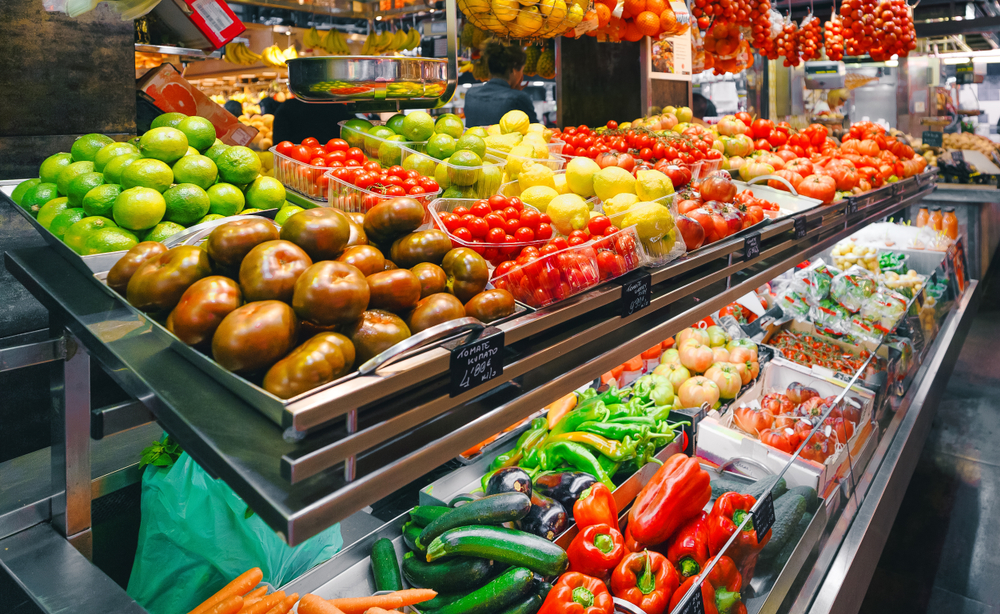
Traditional markets (mercados municipales or mercados centrales) are a treasure trove for the culinary enthusiast. These covered markets—found in major towns such as Alicante, Benidorm, Torrevieja, Altea, and Villajoyosa—offer an immersive experience into Mediterranean food culture. At these markets, dozens of stalls sell farm-fresh fruits, vegetables, cheeses, olives, nuts, meats, seafood, bread, and regional delicacies. The atmosphere buzzes with chatter, color, and a sense of tradition passed down through generations.
Most towns also host weekly open-air markets, where local farmers and vendors bring their finest seasonal produce, cheeses, and artisanal goods. Shopping here is both economically and socially rewarding, allowing residents to “eat with the seasons” and explore lesser-known Spanish ingredients. These markets are ideal for finding sun-ripened tomatoes, artichokes, oranges, figs, almonds, honey, and olive oil of the region’s highest quality.
Organic, Health, and Ecological Supermarkets
Across Costa Blanca, the demand for bio, ecological, and health-focused groceries has grown substantially. Health food stores (herbolarios or eco supermercados) cater to a range of dietary needs—vegetarian, vegan, gluten-free, lactose-free—as well as organic produce, natural cosmetics, and environmentally-friendly cleaning products.
Many larger supermarket chains have expanded their organic lines, but specialist stores offer deeper selections and expert advice. Such stores are especially popular in cities with strong expatriate communities and in areas embracing sustainable, slow-food philosophies.
- Bio stores: Offering exclusively organic and biodynamic fruits, vegetables, grains, and superfoods.
- Specialty bakeries: Providing gluten-free and whole grain products.
- Herbolarios: Stocking natural remedies, supplements, and herbal teas.
Shopping for International Flavors
Costa Blanca’s diverse population is reflected in its international grocery options. From British and Dutch food shops to Asian supermarkets and Latin American bodegas, you can source your favorite brands, sauces, marinades, and treats from home. Many resort areas and urban centers have entire sections or stand-alone shops dedicated to the British (think Marmite, PG Tips, and Heinz beans), Dutch (Stroopwafels, licorice, Indonesian ingredients), German (sausages, breads), Scandinavian, Russian, and Eastern European tastes.
Asian supermarkets in cities like Alicante and Torrevieja stock essentials for Chinese, Thai, Japanese, and Indian cooking—noodles, spices, curry pastes, soy sauces, rice, and specialty produce. Latin American shops offer arepas, tortillas, salsas, and dried beans, catering both to expat communities and adventurous local cooks seeking variety.
Online Groceries and Delivery Services in Costa Blanca
The rise in online grocery shopping has touched Costa Blanca, offering home delivery and click-and-collect services through major supermarket chains and specialty providers. This is particularly appealing to busy families, elderly residents, and those staying in remote or mountainous areas.
- Click and collect: Order online, pick up in-store at your convenience.
- Home delivery: Major supermarkets deliver to most urban and residential zones, often within 24-48 hours.
- Specialty deliveries: Boxes of organic produce, international foods, or fresh fish delivered weekly or on demand.
When shopping online, minimum order values, delivery fees, and schedules vary widely. It’s advisable to check available services near your home or accommodation, as some rural areas may not be covered by all supermarkets.
Tips for Stress-Free Grocery Shopping in Costa Blanca
Grocery shopping in a new country always comes with a learning curve. Navigating new brands, foods, and customs can be both exciting and a challenge. Here are expert tips to maximize your supermarket experience in Costa Blanca:
- Shop local and seasonal: Fruits and vegetables are tastier and less expensive when bought in season. Visit local markets for the freshest picks.
- Take advantage of loyalty cards: Most supermarket chains offer free loyalty cards granting discounts, coupons, and special promotions.
- Learn Spanish food vocabulary: Key terms for produce, meats, dairy, and household goods can streamline your shopping and help you discover new items.
- Bring reusable bags: Spanish supermarkets charge for plastic bags. Carry your own to save money and reduce waste.
- Understand operating hours: Many supermarkets close for a midday siesta (typically 14:00-17:00) and on Sundays, though larger chains may have extended or continuous hours in tourist zones.
- Ask for help: Don’t hesitate to ask staff for recommendations or explanations on unfamiliar products – friendly service is a Costa Blanca hallmark.
- Check for special deals: Weekly flyers, apps, and in-store promotions can help you discover new products and save on essentials.
Specialty Shopping: Artisans, Bakeries, and Delicatessens
Beyond supermarkets and traditional markets, Costa Blanca is renowned for its specialty stores—where craftsmanship reigns and quality is paramount. Local panaderías (bakeries) and pastelerías (pastry shops) bake fresh baguettes, rustic loaves, and sweet treats daily. Spanish charcuterías and delicatessens stock an impressive range of local cheeses, jamón ibérico, chorizos, and olives, perfect for picnics or gourmet grazing.
Shopping at these specialists deepens your understanding of local food culture, introduces you to regional delicacies, and supports small businesses. Many Spanish towns host annual food festivals (ferias gastronómicas) where artisans showcase products like turrón (nougat), chocolate, salted fish, olive oils, and local wines. Building relationships with these vendors often results in insider tips and special services—like custom orders for celebrations or gift hampers.
Sustainable and Responsible Shopping Practices
As environmental awareness grows, Costa Blanca’s supermarkets and shoppers are increasingly embracing sustainable practices. This movement is visible in eco-friendly packaging, an emphasis on local products, reduced plastics, and support for fair-trade products. Many stores promote refilling options for cleaning products, encourage the use of fabric shopping bags, and prominently display the provenance of fruits, vegetables, and fish.
- Zero-waste shops: Some towns now feature stores where customers fill their own containers with grains, legumes, spices, and other dry goods.
- Seasonal, local, organic: Supporting these products means a smaller carbon footprint and fresher flavor profiles.
- Recycling points: Supermarkets often host battery, electronics, and packaging recycling points.
Adopting these habits is not just an act of environmental stewardship but also a way to connect with the land and community of Costa Blanca in a meaningful way.
Grocery Shopping Etiquette and Local Customs
Spanish supermarket culture has its rhythms and unwritten rules, shaped by tradition and practicality. Gaining familiarity with these customs will help ease your transition and foster positive interactions.
- Take a number at fresh counters: For butcher, fish, or deli counters, take a numbered ticket and await your turn.
- Bag-your-own groceries: In most supermarkets, customers are expected to bag their own items. Pack heavier items at the bottom and fragile ones on top.
- Respect the queue: Queuing is strictly observed; ask “Quién es el último?” (Who is the last?) to find your place in line if it’s unclear.
- Request help: If an item isn't available on shelves, staff are usually happy to check back stock or suggest alternatives.
- Greetings matter: A friendly greeting (“Hola, buenos días”) is customary with staff and other customers.
These gentle nuances, from courteous greetings to patience during busy market hours, add a uniquely Spanish flavor to everyday grocery excursions.
Price Comparison and Budgeting Strategies
Navigating grocery prices in a new environment requires vigilance and adaptability. While most supermarkets in Costa Blanca strive to be competitively priced, cost differences can be found between chains, markets, and stores, especially for imported goods or specialty products.
To manage your grocery budget while still enjoying the best of Spanish and international cuisine:
- Compare prices: Visit multiple supermarkets to familiarize yourself with local pricing structures. Some chains excel in produce, others in household items, and some in meats or fish.
- Embrace private labels: Store brands (marcas blancas) are typically of high quality and considerably less expensive than international brands.
- Seasonal and local is cheaper: Imported goods come with higher transport and tax costs—local alternatives are fresher and more affordable.
- Look out for promotions: Weekly specials can offer significant savings, especially on fresh produce and pantry staples.
- Buy in bulk: For families or shared households, bulk shopping at hypermarkets can reduce unit prices dramatically.
Use shopping lists to avoid impulse buys, and track spending with smartphone apps or supermarket loyalty platforms.
Alcohol, Tobacco, and Specialty Imports
Supermarkets in Costa Blanca sell beer, wine, and spirits, often at favorable prices thanks to Spain’s lower beverage and alcohol taxation. The wine aisles are particularly impressive, containing local offerings from Alicante, Jumilla, and Valencia alongside Rioja and Ribera del Duero classics. Craft beer selections have grown, reflecting Spain’s burgeoning artisanal brewing sector.
Tobacco sales remain regulated and are typically restricted to designated tobacco shops (estancos), though supermarkets may sell prepackaged cigarettes at specific tills. Specialty imports—such as Asian sauces, British snacks, or Dutch licorice—may carry a premium, but are an accessible indulgence for an occasional treat from home.
Seasonal Shopping: Festivals, Holidays, and Local Celebrations
Spanish culture is steeped in food-centric festivals, each marked by unique culinary traditions. Supermarkets and markets in Costa Blanca rise to the occasion during key holidays:
- Christmas (Navidad): Stock up on turrón, marzipan, polvorones, and festive seafood and meats.
- Three Kings Day (Día de los Reyes Magos): Roscón de Reyes (a sweet, ring-shaped bread) fills bakery shelves.
- Semana Santa (Holy Week): Expect special breads, pastries, and seafood for Lent observances.
- San Juan (St. John’s Night): Night markets and supermarkets offer treats for bonfire feasts and picnics.
- Local fiestas: Town and city celebrations bring forth specialty breads, pastries, and wines unique to the region.
By shopping in tune with the calendar, you immerse yourself in the region’s rhythm and flavor, enjoying what Costa Blanca offers at its seasonal best.
Grocery Shopping for Special Diets
Modern supermarkets and specialty stores in Costa Blanca accommodate a wide range of dietary choices and restrictions. Whether you are vegetarian, vegan, gluten-intolerant, lactose-free, or follow a low-carb or Mediterranean diet, you are well-served by the region’s supermarket ecosystem.
- Vegetarian/vegan: Look for plant-based milks, cheeses, yogurts, meat substitutes, and a rainbow of fresh produce.
- Gluten-free (sin gluten): Find dedicated shelves with breads, flours, cereals, pastas, baked goods, and snacks certified gluten-free.
- Lactose-free: Dairy alternatives made from soy, almond, coconut, oats, and rice are widely available.
- Organic (ecológico/bio): Certified organic produce, meats, cereals, pulses, and pantry staples feature prominently at most supermarkets and health food stores.
Clear labeling and increased awareness make shopping for specific diets more straightforward than ever before.
Wine, Cheese, and Olive Oil: The Treasures of Costa Blanca
No exploration of Costa Blanca grocery shopping is complete without discovering its local delicacies—wine, cheese, and olive oil. Supermarkets and specialist stores stock world-class options that capture the essence of the region’s terroir.
- Wine: Explore Alicante’s robust reds, refreshing rosés, and crisp whites. Look for denominación de origen (D.O.) labels to sample authentic regional excellence.
- Cheese: Try Manchego, Murcia al vino (washed in local red wine), and artisanal goat cheeses from inland mountain villages.
- Olive oil: Extra virgin olive oil (aceite virgen extra) from Valencian or Andalusian estates offers complexity, health benefits, and incomparable flavor—great for home cooks and as edible souvenirs.
Supermarkets in Major Towns and Urban Centers
Costa Blanca’s varied towns each have their own supermarket rhythms:
- Alicante: Large hypermarkets, traditional covered markets, specialty food shops, and a lively international scene.
- Benidorm: Heavily geared to serve international residents and tourists, with supermarkets carrying English, Dutch, and German imports as well as Spanish staples.
- Torrevieja: A melting pot of supermarkets, ranging from Spanish chains to Scandinavian and Eastern European specialty grocers.
- Javea, Altea, Calpe, Moraira: Boutique eco stores, neighborhood markets, and family-run supermercados abound amid the old towns and bustling beach areas.
- Smaller villages: Typically serviced by a mix of one or two major chains, a handful of independent stores, and regular weekly markets.
Access varies depending on location, but most communities enjoy at least one well-stocked supermarket within easy reach.
Mediterranean Diet: Benefits and Ingredients Found in Costa Blanca Supermarkets
Living in Costa Blanca provides unparalleled access to the celebrated Mediterranean diet—a cornerstone of health, flavor, and social connection. The Mediterranean diet’s staples are omnipresent in local supermarkets: fresh vegetables and fruits, legumes, nuts, whole grains, fish, olive oil, and moderate amounts of dairy, poultry, and wine.
- Vegetables: Tomatoes, peppers, eggplants, artichokes, green beans, onions, garlic.
- Fruits: Citrus (especially oranges and lemons), melons, figs, grapes, pomegranates.
- Proteins: Chickpeas, lentils, fresh fish, pork, poultry.
- Healthy fats: Cold-pressed olive oil, almonds, walnuts.
- Breads and grains: Rustic loaves, rice, whole grain pastas, bulgur.
- Herbs and spices: Rosemary, thyme, saffron, pimentón (Spanish paprika), bay leaf.
By shopping local and enjoying the wide range of foods available, you not only improve your health but also participate in a lifestyle recognized by UNESCO as an Intangible Cultural Heritage of Humanity.
Food Security and Supermarket Safety
Supermarkets in Costa Blanca adhere to strict Spanish and EU regulations for food safety, traceability, and consumer rights. Expiry dates, storage instructions, and allergen information are clearly displayed. Most supermarkets maintain rigorous cleanliness and hygiene policies, with fresh food counters cleaned multiple times daily and regular staff training.
Shoppers benefit from comprehensive labeling and transparent sourcing, especially for fresh meats and fish, ensuring peace of mind regarding both quality and sustainability.
Integrating into Local Life through Grocery Shopping
More than just a chore, grocery shopping in Costa Blanca is a means of cultural immersion. Each trip is an opportunity to practice Spanish (or Valenciano), to sample new ingredients, to exchange recipes with neighbors, and to witness the daily pulse of the towns and villages you call home.
Over time, you’ll discover your preferred stores, favorite brands, and the best day to catch the freshest catch or sweetest oranges at the market. Shopping becomes a lived expression of your integration into the rhythm and lifestyle of Costa Blanca.
Conclusion: Grocery Shopping as the Foundation of Costa Blanca Life
From bustling supermarkets and artisan bakeries to open-air produce markets, the Costa Blanca’s grocery landscape is rich, accessible, and profoundly reflective of the region’s character. Whether you are a newcomer, a seasoned resident, or a temporary guest, the act of grocery shopping forms the backbone of daily life and the spark for countless enjoyable meals and shared experiences. Amid the vibrant diversity of Costa Blanca, one constant remains: wherever you do your shopping, you are always invited to savor the region’s bounty—flavor, tradition, and innovation collide on every shelf and at every stall.
Navigating the supermarket scene in Costa Blanca, with a discerning eye and an adventurous spirit, ensures not only a well-stocked pantry but a deeper connection to the rhythms and delights of Mediterranean living. Each shop visited and each product selected is an opportunity to weave your story into the colorful tapestry of coastal Spanish life.