



Introduction to Spain's Breathtaking Underwater Realms
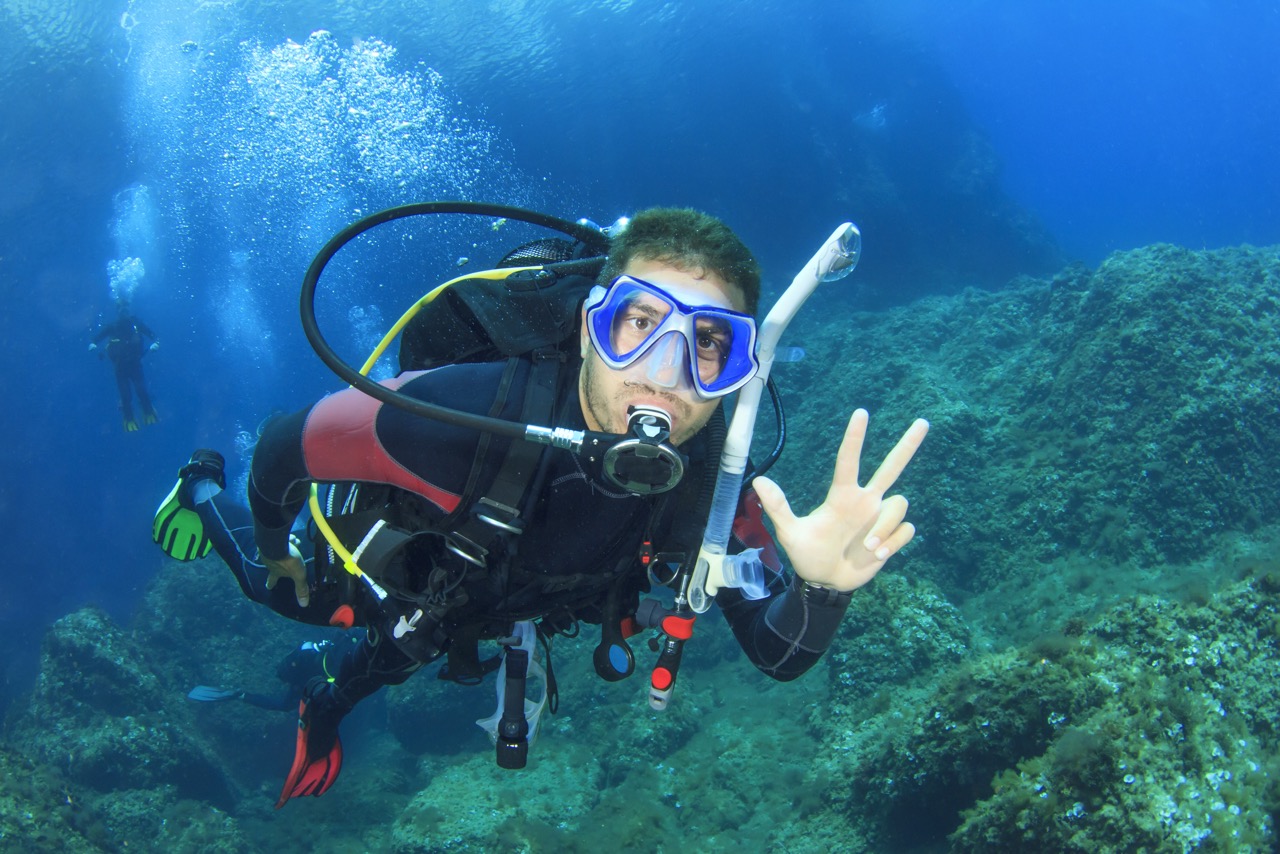
Spain, renowned for its rich culture, vibrant cities, and sun-drenched coastlines, is equally celebrated for its remarkable underwater landscapes. With thousands of kilometres of pristine coastline, the Iberian Peninsula and its islands boast some of Europe’s most spectacular scuba diving spots. Each region offers a unique blend of marine biodiversity, dramatic underwater topography, and historical intrigue. For both seasoned divers and enthusiastic beginners, Spain promises an unforgettable aquatic adventure. In this comprehensive guide, discover the ten most beautiful scuba diving spots in Spain that you must visit, each offering a unique window into the country’s submerged splendour.
1. Medes Islands, Costa Brava: A Subaquatic Sanctuary
Overview and Location
Nestled off the coast of L’Estartit in Catalonia, the Medes Islands archipelago is a protected marine reserve often hailed as the jewel of the Costa Brava. Comprising seven islets and a scattering of rocky outcrops, this area is a haven for marine life and is considered one of the Mediterranean’s most biologically diverse sites.
Marine Biodiversity
The Medes Islands are teeming with life, from vibrant nudibranchs and octopuses to large schools of barracuda and groupers. The reserve status, established decades ago, has allowed marine populations to flourish undisturbed. Divers can expect to encounter:
- Massive Groupers: Often exceeding a metre in length, these gentle giants are emblematic of the Medes Islands.
- Moray Eels and Conger Eels: Frequently seen peeking from crevices.
- Sea Breams, Wrasse, and Damsels: Colourful species that thrive in the rocky habitats.
- Occasional Sightings of Moonfish and Sunfish (Mola Mola): Especially in late summer.
Underwater Topography
The underwater landscape is a diver’s paradise, featuring dramatic drop-offs, labyrinthine caves, and tunnels adorned with sponges and corals. The clarity of the water enhances the allure, offering visibility often exceeding 20 metres.
Notable Dive Sites
- La Vaca: A famed cavern with light beams illuminating its interior, creating an ethereal experience.
- El Dofí: A tunnel dive where groupers and barracudas are abundant.
- Carall Bernat: Steep walls plunging into the blue, home to large pelagic species.
Conservation and Access
As a protected area, diving is regulated with strict guidelines to preserve the delicate ecosystem. Only licensed dive centres are permitted to operate trips, ensuring the preservation of this underwater treasure for generations to come.
2. Cabrera Archipelago, Balearic Islands: An Untouched Marine Reserve
Location and Overview
South of Mallorca lies the Cabrera Archipelago National Park, a cluster of 19 islands and islets surrounded by crystalline waters. As one of Spain’s most strictly protected marine reserves, Cabrera is the epitome of unspoilt natural beauty.
Pristine Marine Life
Thanks to decades of protection, marine life in Cabrera is abundant and diverse. Divers can expect:
- Dense Posidonia Seagrass Meadows: Providing shelter to countless species and ensuring exceptional water clarity.
- Vast Shoals of Barracuda and Amberjack: Frequently seen hunting in open water.
- Octopus, Cuttlefish, and Lobsters: Common sightings among rocky outcrops.
- Occasional Encounters with Loggerhead Turtles and Dolphins: Especially in summer months.
Notable Dive Spots
- La Cova Blava (The Blue Cave): Famous for its electric blue water, a result of sunlight refracting through the entrance.
- Na Foradada: A dramatic archway and wall dive covered in sponges and soft corals.
- L’Esponja: Known for its fields of sea fans and abundant fish life.
Regulations and Preservation
Access to Cabrera is highly regulated, with limited daily permits for visitors and divers. This ensures that the archipelago remains one of the most pristine and ecologically balanced marine environments in the Mediterranean.
3. El Hierro, Canary Islands: The Island of Infinite Blue
Geographical Context
El Hierro, the smallest of the Canary Islands, is renowned among the international diving community for its dramatic volcanic seascapes and crystal-clear Atlantic waters. Its remote location and minimal development have kept its underwater world remarkably unspoiled.
Marine Spectacle
The waters around El Hierro host an impressive array of marine life, blending Atlantic, Mediterranean, and African species. Highlights include:
- Large Pelagics: Including tuna, barracuda, and jacks.
- Rays and Angel Sharks: Frequently spotted gliding over sandy bottoms.
- Colourful Reef Fish: Parrotfish, trumpetfish, and ornate wrasse abound.
- Occasional Visits from Dolphins and Pilot Whales: Particularly in deeper waters.
Underwater Formations
El Hierro’s volcanic origin is evident underwater, with dramatic lava arches, tunnels, and caves. The most iconic site is La Restinga, located at the island’s southern tip within the Mar de Las Calmas marine reserve.
Premier Dive Sites
- El Bajón: A submerged volcanic mountain with sheer walls dropping to 70 metres, attracting schools of pelagic fish.
- La Herradura: A horseshoe-shaped reef teeming with life.
- Punta Restinga: A site known for its abundant rays and macro life.
Sustainability and Accessibility
The local community and authorities have prioritised sustainable diving practices, ensuring that El Hierro remains a sanctuary for both marine life and divers seeking adventure in pristine waters.
4. Islas Columbretes, Valencian Community: Spain’s Wild Blue Gem
Location and Background
Approximately 50 kilometres off the coast of Castellón, the Islas Columbretes is a remote volcanic archipelago and marine reserve. Its isolation and limited access have preserved its wild character and rich marine ecosystem.
Unique Marine Environments
The Columbretes offer a striking contrast to the mainland coast, with dramatic underwater cliffs and clear blue waters. Divers here are treated to:
- Enormous Groupers and Barracuda: Often seen patrolling the reefs.
- Colorful Nudibranchs and Invertebrates: A haven for macro photographers.
- Octopus and Moray Eels: Hiding in volcanic crevices.
- Occasional Sightings of Eagle Rays and Sunfish: Adding to the thrill.
Signature Dive Sites
- La Laja: Sheer walls and overhangs covered in gorgonians and sponges.
- El Faralló: A vertical pinnacle surrounded by swarming fish.
- La Foradada: A dramatic underwater arch and cave system.
Conservation Status
Diving in the Columbretes is strictly regulated, with only a handful of dive boats permitted each day. This ensures the continued health of the reefs and the preservation of its unique marine habitats.
5. La Palma, Canary Islands: The Emerald Isle of the Atlantic
Geological Setting
La Palma, known as “La Isla Bonita,” boasts some of the most dramatic and varied underwater landscapes in Spain. The volcanic geology has shaped a coastline of plunging cliffs, caves, and black sand beaches, extending seamlessly beneath the surface.
Marine Life Abundance
Diving in La Palma reveals a vibrant seascape filled with:
- Grouper, Moray Eels, and Trumpetfish: Commonly encountered among rocky reefs.
- Angel Sharks and Stingrays: Often seen resting on sandy bottoms.
- Colourful Parrotfish and Wrasse: Adding a splash of colour to every dive.
- Seasonal Visitors: Including turtles and barracuda.
Top Dive Sites
- Las Cruces de Malpique: A poignant underwater site featuring crosses commemorating 40 Portuguese monks, now encrusted with marine life.
- La Catedral: A cathedral-like volcanic cave with impressive light effects.
- El Rincón: A sheltered bay ideal for macro photography and night dives.
Environmental Stewardship
La Palma’s diving community is deeply committed to conservation. Many local initiatives focus on reef restoration and educational outreach, ensuring that the island’s underwater wonders remain intact for future generations.
6. Costa del Sol: Historical Wrecks and Marine Diversity
Geographic Overview
Stretching along the southern coast of Spain, the Costa del Sol is famed for its golden beaches, temperate climate, and lively resorts. Beneath its glittering waters lies a different world, one rich in both natural and historical marvels.
Marine Biodiversity
The Costa del Sol offers a blend of Mediterranean and Atlantic influences, resulting in diverse marine life. Divers regularly encounter:
- Octopus, Cuttlefish, and Moray Eels: Hiding among rocky reefs.
- Large Shoals of Bream, Sardines, and Wrasse: Providing a dynamic backdrop.
- Occasional Sightings of Sunfish and Turtles: Particularly in late spring and summer.
Historic Shipwrecks
What sets the Costa del Sol apart is its wealth of historic shipwrecks. These sites are not only fascinating for their archaeological value but also serve as artificial reefs supporting a vibrant array of marine life.
- El Delfín Wreck: A sunken tugboat off Marbella, now home to groupers, conger eels, and swathes of sponges.
- Las Bóvedas: A series of submerged arches and tunnels near Estepona, perfect for exploration.
- Torremolinos Wrecks: Several older wrecks providing dramatic photo opportunities.
Access and Facilities
Numerous dive centres along the Costa del Sol offer trips suitable for all experience levels. Many sites are accessible by boat or directly from the shore, making this region a convenient and rewarding destination for divers.
7. Mallorca, Balearic Islands: Caves, Wrecks, and Crystal Waters
Island Overview
Mallorca, the largest of the Balearic Islands, is celebrated for its turquoise bays, rugged coastline, and ancient villages. Its underwater scenery is equally diverse, featuring everything from submerged caves to vibrant reefs and historic wrecks.
Marine Life Encounters
Mallorca’s varied habitats support a wide range of marine species, including:
- Grouper, Barracuda, and Bream: Common on rocky reefs and pinnacles.
- Moray Eels and Octopus: Frequent inhabitants of caves and crevices.
- Colourful Damselfish and Wrasse: Found in shallow bays.
Cave Diving Adventures
- Sa Cova Tancada: A massive sea cave with cathedral-like chambers and light-filled caverns.
- La Catedral: Not to be confused with La Palma’s site, this is Mallorca’s own spectacular underwater cave.
Historic Wrecks
- El Fraile: A merchant ship lying at 28 metres, encrusted with marine life.
- La Dragonera: The waters around Dragonera Island feature several wrecks and beautiful wall dives.
Accessibility
Mallorca is well-served by modern dive centres, offering everything from beginner courses to technical cave diving expeditions. Its central location in the Mediterranean makes it a popular hub for divers from across Europe.
8. Gran Canaria, Canary Islands: The Atlantic’s Hidden Wonder
Island Context
Gran Canaria is often referred to as a “miniature continent” due to its diverse landscapes, from lush forests to arid dunes. This diversity extends beneath the waves, where volcanic reefs, caves, and sandy plateaus create a mosaic of habitats.
Rich Marine Life
The island’s position at the crossroads of Atlantic currents fosters an exceptional variety of marine species. Divers regularly encounter:
- Rays, Moray Eels, and Angel Sharks: Common in sandy and rocky areas.
- Jacks, Barracuda, and Tuna: Seen patrolling the deeper reefs.
- Colourful Macro Life: Including nudibranchs, seahorses, and shrimps.
Signature Dive Sites
- El Cabrón Marine Reserve: Widely regarded as one of the best shore dives in Europe, with drop-offs, caves, and prolific fish life.
- Arinaga: A protected bay with abundant marine life, perfect for beginners and photographers.
- Sardina del Norte: A sheltered pier dive where angel sharks and rays are frequently spotted.
Conservation Initiatives
Gran Canaria’s dive community is active in marine conservation, with several local projects focused on habitat restoration, marine research, and education. This ensures that the island’s rich biodiversity remains protected for future generations.
9. Menorca, Balearic Islands: Coves, Reefs, and Tranquil Waters
Island Overview
Menorca, the quieter cousin of Mallorca and Ibiza, is renowned for its calm bays, white sand beaches, and crystal-clear waters. Its tranquil underwater environment is ideal for both relaxing dives and in-depth exploration.
Marine Life and Habitats
Menorca’s underwater world is characterised by:
- Grouper, Bream, and Barracuda: Common in rocky areas and reefs.
- Octopus and Moray Eels: Found among boulders and seagrass meadows.
- Vivid Nudibranchs and Sea Slugs: Abundant in sheltered coves.
Top Dive Sites
- La Cueva de la Luz: A cave dive renowned for its magical light effects and resident marine life.
- Punta Prima: A series of shallow reefs perfect for beginners and snorkelers.
- Isla del Aire: An offshore islet with dramatic walls and colourful gorgonians.
Wreck Diving
Menorca also offers a handful of intriguing wreck dives, including the Malakoff, a French cargo ship that sank in 1929 and is now covered in marine growth.
Environmental Protection
Much of Menorca’s coast is protected as a UNESCO Biosphere Reserve, ensuring careful management of both land and sea habitats. Dive operators work in harmony with conservation authorities to minimise impact and promote sustainable tourism.
10. Tarifa, Andalusia: Dive Where Two Seas Meet
Geographical Significance
Tarifa, situated at Spain’s southernmost tip, marks the meeting point of the Mediterranean Sea and the Atlantic Ocean. This unique location creates dynamic conditions, with nutrient-rich currents supporting an astonishing diversity of marine life.
Marine Biodiversity Highlights
The waters off Tarifa are a crossroads for numerous species, many of which are rarely found elsewhere in Spain. Divers may encounter:
- Large Shoals of Barracuda, Amberjack, and Tuna: Drawn by the swirling currents.
- Octopus, Cuttlefish, and Moray Eels: Abundant among the rocky reefs.
- Occasional Sightings of Dolphins and Sunfish: Particularly in summer.
Notable Dive Sites
- La Isla de Las Palomas: An island fortress offering a variety of dive profiles, from shallow reefs to deep walls.
- San Andrés Wreck: A historic wreck encrusted with marine life and an excellent site for underwater photography.
- Los Lances: A sandy bay with seagrass meadows, ideal for spotting rays and small fish.
Seasonal Highlights
Tarifa is particularly famous for its large populations of migrating sea creatures. Every spring and autumn, divers may witness spectacular migrations, including shoals of tuna and even the occasional glimpse of whales passing through the Strait of Gibraltar.
Essential Tips for Scuba Diving in Spain
Understanding Local Regulations
Spain’s most prized dive sites are often located within protected marine reserves. As such, divers must adhere to specific regulations designed to preserve these fragile ecosystems. Key points include:
- Permits: Some areas, like Cabrera and Islas Columbretes, require special permits or advance bookings.
- Certified Dive Centres: Only licensed operators are allowed to organise trips in protected areas.
- Environmental Practices: Responsible diving, such as avoiding contact with marine life and not collecting souvenirs, is strictly enforced.
Choosing the Right Season
While Spain offers year-round diving, the optimal season varies by region:
- Balearic Islands: May to October offers warm waters and calm seas.
- Canary Islands: Enjoyable year-round, with the warmest waters from May to November.
- Southern Mainland: Spring through early autumn provides the best visibility and sea conditions.
Recommended Certification Levels
Most Spanish dive sites cater to divers of all abilities, but some of the more challenging locations—such as cave systems or deep wrecks—may require advanced or specialist certifications. It is advisable to check prerequisites with your chosen dive centre prior to booking.
Spanish Dive Culture: A Blend of Adventure and Conservation
Commitment to Sustainability
Spain’s diving community is at the forefront of marine conservation in the Mediterranean and Atlantic. Many dive centres actively participate in reef restoration, scientific research, and environmental education, fostering a sustainable approach to underwater exploration.
Community and Hospitality
The Spanish approach to diving is infused with the country’s famed warmth and hospitality. Dive trips often end with shared meals and stories, allowing visitors to immerse themselves in both the underwater world and local culture.
Marine Species to Watch For
The Mediterranean's Unique Residents
- Dusky Grouper: A staple of rocky reefs, known for its curious nature.
- Barracuda and Amberjack: Large predators often seen hunting in open water.
- Octopus and Cuttlefish: Masters of camouflage among rocks and seagrass.
- Nudibranchs: Tiny, vibrantly coloured sea slugs beloved by macro photographers.
- Moray Eels: Peeking from rocky lairs, adding intrigue to every dive.
Atlantic Wonders
- Angel Sharks: Rare and fascinating, often seen in the Canary Islands.
- Rays and Eagle Rays: Gliding gracefully over sandy bottoms.
- Parrotfish and Ornate Wrasse: Adding splashes of colour to the reefs.
- Occasional Encounters with Dolphins and Whales: Particularly around the Canary Islands and Tarifa.
Planning Your Spanish Diving Adventure
Travel Logistics
Spain’s major diving destinations are well connected by air, road, and sea. The Balearic and Canary Islands have regular international flights, while mainland sites are accessible via high-speed trains and motorways.
Accommodation Choices
Diving hotspots in Spain offer a wide array of accommodation options, from luxury resorts and boutique hotels to charming rural casas and guesthouses. Many divers opt for packages that include lodging and daily dive trips for convenience and value.
What to Bring
- Diving Certification Cards and Logbook: Required for most dive operations.
- Appropriate Exposure Protection: Temperatures can range from 16°C in winter to 28°C in summer; a 5mm wetsuit is typically sufficient.
- Personal Dive Equipment: While rental gear is widely available, bringing your own mask, fins, and computer is recommended for comfort and familiarity.
- Travel Insurance with Dive Coverage: Essential for peace of mind.
Beyond Diving: Exploring Spain’s Coastal Charms
Culture and Cuisine
A diving holiday in Spain is as much about the surface experience as the underwater. Each region offers its own cultural treasures and gastronomic delights:
- Catalonia and Costa Brava: Renowned for fresh seafood, pa amb tomàquet, and vibrant local festivals.
- Balearic Islands: Enjoy sobrasada, ensaïmada, and freshly caught fish, often prepared in stunning seaside settings.
- Andalusia: Savour tapas, grilled sardines, and sherry amid historic towns and Moorish architecture.
- Canary Islands: Sample papas arrugadas, mojo sauce, and tropical fruits alongside volcanic landscapes.
Outdoor Activities
In addition to world-class diving, Spain’s coasts and islands offer a wealth of outdoor pursuits:
- Hiking and Cycling: Explore coastal trails, mountain paths, and charming villages.
- Windsurfing and Kitesurfing: Particularly popular in Tarifa and the Canary Islands.
- Kayaking and Paddleboarding: Ideal for discovering hidden coves and sea caves.
- Wildlife Watching: Join boat trips to observe dolphins, whales, and seabirds.
Responsible Tourism and the Future of Spanish Diving
Supporting Local Communities
Choosing locally owned dive centres and accommodation helps ensure that tourism benefits coastal communities. Many operators are family-run and deeply invested in the stewardship of their local environment.
Eco-Friendly Practices
Modern divers are increasingly aware of their environmental impact. Simple measures, such as using reef-safe sunscreen, participating in beach clean-ups, and supporting marine conservation initiatives, contribute to the long-term health of Spain’s underwater treasures.
Conclusion: Dive into Spain’s Underwater Paradise
Spain’s scuba diving scene is as diverse and captivating as its landscapes above water. From the volcanic wonders of the Canary Islands to the tranquil coves of Menorca and the vibrant reefs of the Mediterranean, each destination offers a unique adventure for divers of all levels. By choosing responsible operators and respecting local regulations, you can help preserve these extraordinary ecosystems for generations of explorers to come.
Whether you seek dramatic drop-offs, haunting shipwrecks, or encounters with rare and beautiful marine life, Spain’s ten most beautiful scuba diving spots beckon with promise and wonder. Embark on your underwater journey and let the magic of Spain’s blue realms leave you with memories to cherish for a lifetime.