





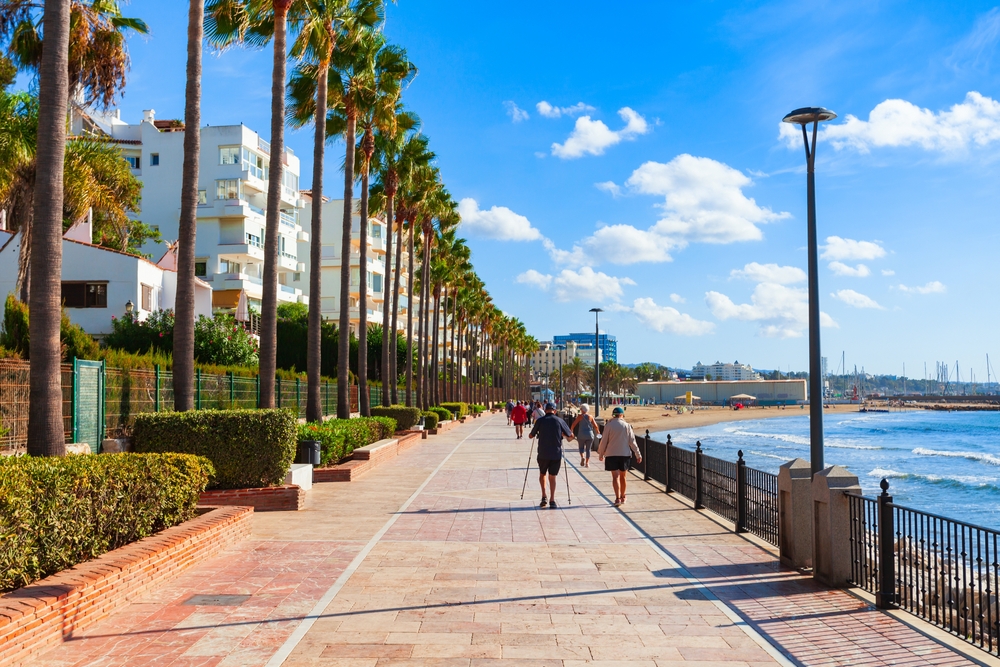
Introduction to the Paseo: The Beating Heart of Spanish Social Life
The concept of the "paseo" lies at the very heart of Spanish culture, weaving together the nation’s rich history, communal values, and everyday rituals into one timeless tradition. More than just a simple stroll, the paseo embodies a unique philosophy—an appreciation for leisure, connection, and presence within one’s community. In today’s modern age, where time is often measured in productivity and efficiency, the Spanish paseo remains a cherished institution, offering a window into a slower, more intentional way of living. In this article, we will delve deep into the origins, significance, rituals, and enduring impact of the paseo, exploring why this practice is considered an essential element of life in Spain.
Historical Roots of the Paseo: A Walk Through Time
To fully appreciate the paseo, it is vital to understand its historical context. The practice of strolling through the streets and public squares of Spain dates back centuries, with origins tracing to the days of the Spanish Golden Age and the rise of grand urban boulevards designed for courtly processions and public gatherings. During the 16th and 17th centuries, these promenades were integral to social life, providing a venue not only for relaxation but also for public display, networking, and even matchmaking. The paseo was a stage on which individuals could present themselves to the world—an opportunity to see and be seen.
With urban redesigns during the late 18th and 19th centuries, Spanish cities began incorporating wide, tree-lined avenues and landscaped plazas specifically for the purpose of promenading. In cities such as Madrid, Seville, and Barcelona, these avenues remain iconic landmarks and popular staging grounds for the daily paseo. As Spain transitioned from a rural to an urban society, the custom adapted but never faded, thriving amid the bustling energy of contemporary city life.
Cultural Significance: Why the Paseo Matters in Spain
The paseo is not just a physical act—it is a cultural statement, a ritual that reflects Spanish values of social connection, hospitality, and community. Unlike the utilitarian walks of northern Europe, the Spanish paseo is unhurried, unstructured, and inherently social. It is not about exercise or efficiency; rather, it is about being present, engaging with neighbors, and savoring the beauty of one’s surroundings.
This deeply ingrained practice underscores the Spanish emphasis on living in the moment and prioritizing personal relationships over material pursuits. The paseo reinforces the notion that time spent with others—in conversation, laughter, or even comfortable silence—is time well spent. It also serves as a public affirmation of community identity, where generations mingle and newcomers are gradually woven into the social fabric.
The Rituals of the Paseo: How, When, and With Whom
The paseo typically takes place in the early evenings, after the heat of the day has subsided, although it is also common on weekends or public holidays when families are free from work and school. The location is often a central boulevard, riverbank promenade, or picturesque plaza, chosen for its accessibility and atmosphere.
Participants are as diverse as Spain itself: from elderly couples arm-in-arm and groups of teenagers chattering away, to parents pushing strollers and business colleagues unwinding after a day’s work. Dress codes may vary by region and occasion, but there is often a touch of care in presentation—after all, the paseo is partly about being seen. The act itself is leisurely: individuals stroll, pause to greet acquaintances, stop at a café for a quick café con leche or a glass of vermouth, and perhaps linger on a bench to watch the world go by.
Conversations during the paseo are just as important as the walk. They range from casual small talk and local gossip to spirited discussions of current events. Despite changes brought by technology, the paseo remains a cherished analog ritual—a chance for face-to-face interaction in an increasingly digital world.
Paseo and the Spanish Urban Landscape
No exploration of the paseo would be complete without considering its symbiotic relationship with Spain’s urban design. Spanish cities and towns have long prioritized walkability, with compact neighborhoods, accessible public spaces, and a dense network of streets and plazas that encourage movement on foot.
This cityscape is fundamental to the success of the paseo. A typical Spanish paseo route might wind through narrow, cobblestone alleys, open onto grand avenues framed by elegant architecture, and culminate in lively squares surrounded by bustling cafés and shops. Shade trees, fountains, and street performers add sensory richness to the experience. Public spaces are maintained with care, reflecting their central role in daily life.
The popularity of the paseo has encouraged urban planners to continue investing in pedestrian infrastructure, including dedicated walking paths, traffic-calmed zones, and vibrant street lighting. In many towns, major roads are closed to vehicular traffic during peak paseo hours, transforming entire districts into living theaters for social interaction. This harmonious interplay between tradition and design continues to shape Spanish cities, setting them apart as some of the most livable in Europe.
The Paseo Across the Regions: Diversity in Unity
While the essence of the paseo is consistent throughout Spain, each region puts its own distinctive stamp on the ritual. In Andalusia, paseos often take place along sun-drenched city walls or next to the flowing waters of the Guadalquivir. Flamenco rhythms might drift from nearby taverns, and conversations are animated and expressive. In Catalonia, locals wander world-famous boulevards such as La Rambla in Barcelona, where the paseo becomes a cosmopolitan celebration, blending local and global influences.
Northern regions, like Galicia and the Basque Country, favor quieter, more introspective strolls along rugged coastlines or through misty hills. Here, the pace may be slower, but the sense of community remains just as strong. Even in the arid plains of Castilla-La Mancha, townsfolk gather in shaded arcades to enjoy each other's company and the simple pleasures of the paseo.
This regional diversity within a shared tradition speaks to the adaptability and enduring appeal of the paseo, binding together the rich tapestry of Spanish identities while honoring local customs and landscapes.
Paseo as a Family Affair: Building Bonds Across Generations
Unlike many social traditions that cater primarily to either the young or the old, the paseo is a truly intergenerational ritual. It provides a rare space where all ages can mingle—children chasing each other between benches, grandparents sharing stories, parents discussing the events of the day, and teenagers testing the boundaries of their newfound independence.
This family-oriented aspect of the paseo has significant social benefits. It strengthens intergenerational communication, fosters respect for elders, and allows children to feel a sense of belonging within their wider community. The act of walking together encourages storytelling and sharing, transmitting cultural knowledge and family history in a natural, unforced manner. This deepens family bonds and ensures the survival of local traditions.
Special occasions such as festivals, religious processions, or national holidays amplify the communal spirit of the paseo, with families dressing up and sometimes joining parades or making pilgrimages to important landmarks. Such occasions serve to reinforce the importance of togetherness and collective memory, giving young Spaniards a sense of continuity and place within their cultural heritage.
The Paseo and Spanish Gastronomy: A Perfect Pairing
The paseo often finds its perfect complement in Spain’s vibrant culinary scene. It is common for an evening stroll to be punctuated by stops at local bars and cafés, sampling tapas, sipping vermouth, or indulging in churros dipped in hot chocolate. Indeed, the social experience of the paseo is enhanced by these gastronomic pit stops, which provide opportunities for relaxation, refreshment, and conversation.
Restaurants and cafés anticipate the influx of paseo participants, offering outdoor seating in prime locations and designing menus that cater specifically to the rhythm of local life. In some cities, specialty pastries or seasonal treats become associated with the paseo, adding a layer of culinary tradition to the ritual.
This harmonious fusion of food and walk not only sustains beloved establishments but also encourages a mindful approach to eating. Unlike hurried meals or solitary snacks, the paseo invites participants to savor each bite, to eat in good company, and to engage in the kind of long, unhurried talks that are the hallmark of Spanish hospitality.
Paseo Through the Seasons: From Spring Festivities to Winter Evenings
While the paseo is a year-round tradition, its character shifts with the seasons, lending renewed freshness to the ritual. In spring, city parks and countryside trails erupt in color, encouraging longer strolls and spontaneous gatherings. The scent of orange blossoms in Andalusia or blooming almond trees in Valencia infuses the air with a festive energy.
Summer evenings see the paseo reach its crescendo. As temperatures cool after sunset, streets fill with people eager to escape the heat of the day. Plaza concerts, open-air markets, and street festivals merge seamlessly with the rhythm of the paseo, transforming ordinary evenings into vibrant celebrations.
Autumn brings a different mood, with golden leaves carpeting city walks and a nostalgic sense infusing the air. Hot beverages, roasted chestnuts, and early darkness draw people closer, encouraging slower steps and lingering conversations. Even winter does not deter Spaniards from their beloved ritual; bustling Christmas markets, streetlights, and the promise of warm treats transform the paseo into a comforting escape from the chill.
By adapting to each season, the paseo maintains its relevance and appeal, offering something new to savor throughout the year.
The Paseo’s Role in Modern Spanish Life
In an era dominated by rapid technological advancement and increasingly frenetic lifestyles, the timeless appeal of the paseo provides a powerful counterpoint—a reminder of the value of presence, of shared experience, and of place-based identity. While work, digital connectivity, and international influences have reshaped many aspects of Spanish society, the paseo endures in both urban centers and rural villages.
Far from being a relic of the past, the paseo has proven remarkably adaptable: urban professionals use the time to decompress after a day at the office, while students gather for open-air study sessions. Communities increasingly prioritize green spaces and car-free streets, incorporating lessons learned from the tradition into new urban planning initiatives.
Indeed, the enduring popularity of the paseo may be attributed to its flexibility. Whether a solitary walk at dusk or a jubilant collective celebration, the paseo remains a ritual that meets the evolving needs of Spain’s diverse and dynamic society.
Health and Wellbeing: The Hidden Benefits of the Paseo
While the paseo is not primarily designed as exercise, it nevertheless delivers a wide array of health benefits. Regular, relaxed walking boosts cardiovascular health, promotes mobility, and supports healthy weight management—benefits cherished by Spaniards of all ages. Just as important are the mental health advantages: the opportunity to unwind, process the events of the day, and engage in restorative social interaction.
Research points to the positive impact of strong social bonds and physical activity on overall well-being, and the paseo delivers both in abundance. By encouraging people to step outside, move their bodies, and connect with others face-to-face, the paseo fosters happiness and resilience. This potent combination helps explain why Spain consistently ranks high in quality of life indices and health surveys.
In a time when sedentary lifestyles and digital isolation are global concerns, the enduring tradition of the paseo offers a model for healthier, more connected living that other cultures might do well to emulate.
Paseo as Inspiration: Lessons for Contemporary Urban Life
Beyond its intrinsic value to Spanish culture, the paseo offers profound lessons for contemporary urban life worldwide. As cities grapple with issues of social fragmentation, overdependence on cars, and declining public spaces, the paseo demonstrates the transformative power of shared rituals and pedestrian-friendly environments.
The Spanish approach encourages city planners, policymakers, and community leaders elsewhere to consider the design of vibrant, inclusive public spaces that invite lingering, exchange, and play. Encouraging slower, more thoughtful movement through the urban landscape can foster safety, creativity, and a renewed sense of belonging.
Moreover, the paseo’s focus on presence and connection serves as a reminder in our fast-paced digital era of the enduring importance of human contact. Time spent in conversation, observation, and shared experience enriches both individual lives and collective culture.
Cities that embrace the spirit of the paseo—regardless of their location—stand to gain not only from healthier citizens but also from more resilient, harmonious communities.
Celebrating the Paseo: Festivals, Events, and National Holidays
The social importance of the paseo is perhaps most vividly displayed during Spain’s many festivals, religious processions, and civic celebrations. From the exuberant gatherings of La Feria in Seville, where thousands savor the nightly stroll among illuminated tents, to the solemn processions of Semana Santa, where whole towns turn out for sacred parades, the paseo takes on larger-than-life forms during communal events.
National holidays such as Día de la Hispanidad (Spain’s National Day) or local fiestas dedicate entire days to processions and public strolls. Residents dress in traditional costumes, music fills the air, and families follow established routes, retracing the steps of their ancestors in acts of joyful remembrance.
These occasions provide the perfect stage for the values embodied by the paseo—community participation, intergenerational mixing, and the affirmation of cultural identity. They also serve as catalysts for innovation, as younger generations reinterpret the tradition through new music, street art, and contemporary forms of celebration.
The Paseo in the Arts: Literature, Painting, and Popular Culture
The paseo occupies a special place in Spanish artistic expression. Writers, poets, and painters have found endless inspiration in this daily ritual, portraying it as a metaphor for life’s journey, a stage for romance, or a symbol of communal harmony.
Literary giants such as Federico García Lorca and Miguel de Unamuno have written about the paseo’s capacity for introspection and discovery. Impressionist painters, such as Joaquin Sorolla, have immortalized the luminous atmosphere of the Spanish promenade, capturing its vibrant social scenes in canvases filled with light and movement.
Even in film and popular culture, references to the paseo evoke a sense of nostalgia and authenticity. Spanish cinema often uses the act of walking together to signal intimacy, transformation, or the coming together of diverse characters. Contemporary musicians reference the paseo in lyrics celebrating the freedoms and connections that define Spanish identity.
This artistic legacy perpetuates the tradition, ensuring that each new generation finds meaning and inspiration in the simple act of strolling with purpose and presence.
Integrating Newcomers: The Paseo as a Bridge to Community
One of the extraordinary aspects of the paseo is its inclusivity. In a society that values hospitality and cohesion, the ritual of the paseo serves as an informal mechanism for integrating newcomers and visitors. Whether arriving from a different region of Spain or relocating from abroad, individuals are quickly drawn into the rhythm of the local paseo.
Neighbors extend smiles and greetings, small talk leads to deeper friendships, and over time, newcomers find themselves not as outsiders but as active participants in the day-to-day tapestry of community life. This welcoming spirit forms the backbone of Spain’s reputation as a friendly and open country—one where relationships are valued as highly as origins or status.
Cultural associations, schools, and resident groups often organize special paseos to introduce new residents to local landmarks, history, and social networks. Such activities provide both information and a crucial sense of belonging, illustrating the power of shared tradition to build bridges between people of all backgrounds.
The Paseo and Sustainability: Fostering a Greener, More Connected Future
The paseo’s reliance on walking and communal spaces positions it as a model of sustainable living. By reducing the dependence on cars and encouraging outdoor activity, the paseo contributes to healthier air, less noise, and lower carbon emissions. Spanish cities have responded to this tradition by expanding pedestrian zones and investing in green infrastructure—efforts that not only benefit daily life, but also support global sustainability goals.
Furthermore, the paseo encourages local consumption. Participants are more likely to frequent neighborhood businesses, cafés, and markets, strengthening local economies and minimizing the need for large-scale commercial development. This emphasis on proximity and community fosters a sense of stewardship for local resources and environments.
As concerns about climate change and urban sprawl mount, the paseo stands as a practical and philosophical antidote—a move toward lifestyles that prioritize well-being, connection, and environmental responsibility.
Paseo in Times of Change: Adapting to the 21st Century
While the essential character of the paseo endures, it has inevitably evolved alongside modern developments. Recent years have witnessed new interpretations: dog walkers, runners, and cyclists often blend with traditional strollers, collectively shaping the flow of street life. Digital technology plays its part, enabling coordination and invitations, or offering playlists to accompany solitary walks.
The global pandemic also challenged long-standing customs, imposing temporary restrictions on public gatherings. Yet even at the height of lockdowns, Spaniards found creative ways to keep the spirit of the paseo alive—applauding from balconies, organizing virtual gatherings, or embarking on walks within permitted parameters.
As restrictions eased, pent-up appreciation for outdoor life led to a renewed passion for the tradition. Cities quickly adapted, expanding pedestrian zones and implementing new safety measures to ensure that the paseo could continue safely, reinforcing its place as a lynchpin of resilience and adaptation.
In these ways, the paseo has proven itself both timeless and timely—anchored in heritage yet responsive to changing needs and circumstances.
Fostering Entrepreneurial Spirit: Paseo and Local Business
The paseo plays a significant role in supporting Spain’s small businesses and entrepreneurial ventures. The flow of people generated by the evening stroll creates a steady demand for local products, from artisan crafts to homemade pastries. Street vendors, flower sellers, musicians, and painters all find eager audiences along busy promenade routes.
Cafés and bars tailor their opening hours to coincide with peak paseo times, while shops design enticing window displays to capture the interest of passersby. This dynamic supports a vibrant street life, creating a feedback loop in which community vitality and commerce thrive in balance.
Organizations focused on local entrepreneurship often host events or offer incentives during key paseo hours, using the ritual as an engine for economic development. This collaborative spirit, rooted in the rhythms of the paseo, helps ensure that Spanish neighborhoods remain lively, creative, and economically resilient.
Generational Perspectives: How the Paseo Shapes Young and Old
For Spanish youth, the paseo is not merely a tradition inherited from grandparents, but an opportunity for autonomy, exploration, and personal growth. Teenagers view the paseo as a time for bonding with friends, flirting, and testing social boundaries—all within the relatively safe and inclusive environment of a public promenade.
For older generations, the paseo offers continuity, a reassuring daily structure, and the pleasure of watching children and grandchildren flourish in familiar settings. Elders often serve as keepers of local lore, recounting stories of bygone paseos while imparting wisdom and advice.
This cross-generational exchange helps maintain social equilibrium. It encourages respect and empathy, discourages isolation, and forges connections that withstand the challenges of change and modernity.
The Paseo Abroad: Influence and Adaptation Worldwide
Given its profound benefits, it is unsurprising that elements of the paseo have been adopted and adapted by communities across the world. In Latin America, whose urban culture bears a strong Spanish imprint, the evening stroll is equally central—a means of staying connected in both bustling cities and quaint towns.
Cities across Europe and North America have looked to the Spanish model in their efforts to foster walkability and revitalize civic life. Initiatives such as "open streets," farmers’ markets, and neighborhood festivals all draw inspiration from the spirit of the paseo, using movement and shared space as tools for building community.
Through these adaptations, the Spanish paseo continues to influence urban culture well beyond its native soil, demonstrating its enduring resonance and universal appeal.
Preserving the Tradition: Challenges and Opportunities
Though the paseo remains robust, it is not without its threats. Increasing reliance on cars, urban sprawl, and changing work patterns sometimes impede the simple pleasure of walking. The lure of digital entertainment, especially among the young, may compete for time and attention.
Nevertheless, Spanish cities and towns remain steadfast in their advocacy for walkable spaces and meaningful community interaction. Civic organizations, schools, and cultural leaders are proactive in celebrating the paseo, educating new generations on its benefits, and integrating the ritual into contemporary life.
Opportunities abound for reinforcing the paseo’s significance: from urban design innovations that prioritize pedestrian zones, to technology that enhances safety and organization, to cultural programming that keeps the tradition fresh and engaging. The key lies in adapting the essentials of the paseo—connection, presence, and shared space—to the evolving rhythms of 21st-century life.
A Personal Experience: The Transformative Power of the Paseo
Many visitors to Spain find their perceptions of time, place, and community transformed by participating in the paseo. The act of slowing down, of walking without urgency, of greeting strangers who soon become acquaintances, leaves a lasting impression. What may begin as an idle curiosity quickly becomes a cherished daily ritual, a moment to breathe, reflect, and connect.
Whether one is a long-term resident or a newcomer, the paseo becomes both a mirror and a window: reflecting one’s own experiences, while opening new vistas onto the complexity and beauty of Spanish life.
This transformative quality is perhaps the greatest gift offered by the paseo—a gentle nudge toward a more attentive, connected, and meaningful existence.
Conclusion: The Paseo as an Indispensable Part of Spain
In its most essential form, the paseo is a celebration of presence—a daily affirmation of community, tradition, and joy in the simple act of moving together through space and time. It is both an anchor and a guide, reminding Spain of its roots even as it adapts to the tides of change.
By prioritizing leisure, connection, and beauty, the paseo shapes not only public spaces but also private lives, reinforcing the values that define Spain and giving rise to a uniquely rich quality of life. As cities grow and cultures evolve, the enduring legacy of the paseo stands as a testament to the transformative power of shared human experience—a tradition as relevant and vital today as it has ever been.
For anyone seeking to understand or experience the spirit of Spain, participation in the paseo offers an unparalleled gateway. More than just a walk, it is an essential part of the Spanish soul—a living heritage, inviting all who join to savor the fullness of each day and the warmth of community.