


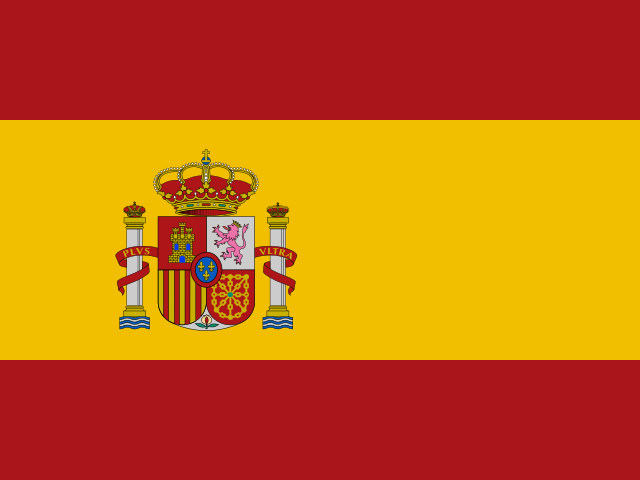



Introduction to the Siësta: An Enduring Tradition
The siësta is more than just a midday nap—it is a cultural institution whose origins can be traced back thousands of years. In various Mediterranean, Latin American, and even Asian countries, the siësta has historically been considered an essential aspect of daily life. With its roots firmly planted in ancient civilizations, this practice has transcended generations, evolving into a symbol of rest, community, and harmony with the natural world. In this extensive exploration of the siësta, we uncover not only its fascinating history but also its modern relevance and the subtle nuances that enable this tradition to thrive in contemporary society.
The Historical and Cultural Roots of the Siësta
To truly appreciate the siësta, one must first journey back through time to its origins. The word “siësta” comes from the Latin "hora sexta," meaning "the sixth hour," which corresponds to the early afternoon—typically between 1:00 and 3:00 pm. In ancient Rome, this period was recognized as a time for personal rest and reflection, due to both the heat of the day and a natural dip in human energy levels.
The siësta quickly became part of the cultural DNA in the Mediterranean region. Its spread was facilitated by the climate, agricultural customs, and the rhythm of daily life in these sun-drenched landscapes. Farmers and laborers, in particular, benefited from the pause, as the midday heat made outdoor work nearly impossible. Over centuries, the siësta became not merely practical but symbolic—a demonstration of respect for one's body and the rhythms of nature.
The Siësta and Its Expansion Across Continents
While Spain is perhaps the country most famously associated with the siësta, the tradition also took root in Italy, Greece, Portugal, and various parts of the Middle East and Northern Africa. With the advent of colonialism, the siësta was exported to Central and South America, where it was readily embraced into local customs, becoming an entrenched feature of daily life in countries like Mexico, Colombia, and Argentina.
In each region, the siësta was adapted to local needs and conditions. In rural communities, it often involved returning home for a family meal and a period of rest, while in urban areas, businesses would close their doors for several hours during the hottest part of the day. Although variations abounded, the unifying principle remained: a deliberate pause for rest, nourishment, and social connection.
The Science of the Siësta: Biological and Psychological Perspectives
Modern research into human circadian rhythms provides compelling evidence for the wisdom behind the siësta. Scientists have discovered that, irrespective of cultural background, people experience a natural dip in alertness during the early afternoon. This decrease in energy is due, in part, to fluctuations in core body temperature and the cyclical nature of sleep-wake hormones.
The benefits of a short nap during the early afternoon have been documented in numerous studies. Even a rest period as brief as 20 to 30 minutes can boost cognitive performance, improve mood, and enhance memory consolidation. In fact, some experts argue that the siësta is a natural, biologically-driven response to our physiological needs—a remedy for our fast-paced, sleep-deprived societies.
The Benefits of the Siësta
- Enhanced alertness: Post-lunch drowsiness, commonly called the "afternoon slump," can be overcome through a brief siësta, restoring mental clarity and productivity.
- Improved heart health: Studies suggest that regular siëstas may reduce the risk of heart disease, thanks to their stress-reducing effects.
- Emotional stability: Resting during the day helps regulate mood, reducing irritability and supporting emotional well-being.
- Boosted immune system: Adequate rest and lower stress levels support stronger immune defenses.
Despite its many advantages, the siësta remains controversial in some circles, particularly as modern urban lifestyles clash with traditional rhythms. Critics claim that lengthy midday breaks can diminish economic productivity and disrupt work routines. However, proponents counter that integrating rest periods can actually fuel greater creativity, problem-solving, and overall efficiency.
The Siësta in Contemporary Society: Between Tradition and Modernity
Today, the siësta stands at a cultural crossroads. Urbanization, globalization, and the accelerating pace of modern life have all impacted the way societies view and practice midday rest. In some Mediterranean countries, especially in major cities, the traditional siësta has become shorter or even disappeared, replaced by the demands of a "9 to 5" workday.
Nevertheless, many towns and rural communities continue to cherish the siësta, seeing it as a bastion of cultural identity and well-being. Administrative adjustments—such as split shifts and flexible working hours—have emerged as popular compromises, allowing people to balance the benefits of rest with professional obligations.
Siësta in the Workplace: Challenges and Innovations
In a bid to reconcile tradition with productivity, some forward-thinking enterprises have introduced innovative policies. Office spaces with dedicated nap rooms, flexible schedules, or “power nap” breaks highlight a growing recognition of the need for midday rest. Employee feedback from companies that have implemented such measures consistently points to higher morale, decreased absenteeism, and improved performance.
At the same time, there remain significant cultural barriers to wider acceptance of siësta-inspired breaks in countries not historically associated with the practice. Overcoming longstanding prejudices about idleness or "wasted time" is essential to fostering broader acceptance of this ancient tradition in today’s global workplace.
Rituals and Customs Surrounding the Siësta
The siësta is far more than a mere nap; it often serves as the linchpin of midday rituals that foster social connection, rejuvenate both body and mind, and reinforce a sense of community. Traditional midday breaks might include a leisurely family meal, a brief stroll, or time spent reading, doing crossword puzzles, or simply daydreaming in the garden. Each region has developed its own distinctive customs, deeply intertwined with the rhythms of daily life.
In Mediterranean environments, the main meal of the day—often a lavish feast—coincides with the siësta period. This extended lunch, shared with family or friends, becomes an opportunity to reconnect in the midst of busy schedules. Laughter, conversation, and conviviality transform the simple act of dining into an anchor for both well-being and family unity.
Regional Variations in Siësta Customs
Every culture that observes the siësta has developed unique traditions:
- Spain: In smaller towns, the streets often empty after lunch as shops close and people retreat indoors to escape the midday sun and dine quietly with family.
- Italy: The "riposo" mirrors the Spanish practice—stores close, and families gather for a long, multi-course meal, followed by relaxation or sleep.
- Greece: The "mesimeri" is a period of mandatory quiet when citizens are discouraged from loud activities, respecting neighbors who may be napping.
- Mexico and Latin America: A blend of communal meals, prayer, and restful moments prevail. Urban centers are adapting, but rural areas remain faithful to tradition.
These nuanced customs underscore the diversity and richness of the siësta, revealing how each community has tailored this tradition to local conditions and values.
Siësta and Architecture: Designing for Rest and Recuperation
The siësta’s influence extends far beyond the individual; it has shaped the physical environments in which people live and work. Traditional Mediterranean architecture, in particular, reflects a deep understanding of the need for midday respite. Thick stone walls, shaded patios, and courtyards offer cool sanctuaries from the relentless afternoon sun.
Homes are designed with interior spaces that remain comfortable even during the hottest hours. Lounges, verandas, and inner courtyards are often filled with comfortable furniture and leafy plants, inviting relaxation. Wooden shutters, close-fitting doors, and terracotta tiles all contribute to a cooling effect, making spaces ideal for a peaceful siësta.
Office buildings and public spaces, especially in areas where the siësta thrives, may include dedicated rest areas or “quiet rooms” for naps and relaxation. Today, architects regularly draw inspiration from these ancient principles as part of modern sustainability and well-being strategies.
The Psychology of Space and Restoration
Scientific research increasingly supports the idea that certain environments are more conducive to relaxation. Factors such as subdued lighting, natural materials, and greenery can increase feelings of calm and support restorative rest. The physical layout of both homes and workplaces thus plays a pivotal role in preserving the essence of the siësta.
Nutritional Practices and the Siësta
The siësta is inextricably linked to nutritional rhythms. Many cultures that honor this tradition also partake in their largest meal of the day at lunchtime. This substantial repast typically includes dishes rich in vegetables, legumes, olive oil, fish, and grains—a hallmark of the Mediterranean diet.
Such meals provide not only fuel for the body but also encourage restfulness, as the body redirects energy towards digestion. The act of lingering at the table enhances digestion, slows the mind, and nurtures interpersonal bonds. Modern nutritionists often point to these patterns as models for balanced living.
- Balanced macronutrients: Meals are carefully composed to promote satiety and stable blood sugar levels throughout the day.
- Dietary harmony: Emphasis on fresh, local ingredients aligns with seasonal availability, minimizing food waste and environmental impact.
- Social nourishment: Long, shared meals support emotional wellness in tandem with physical what well-being.
Aligned with the principles of the siësta, this mindful approach to eating accentuates the importance of harmony between body, mind, and community.
The Siësta in Art, Literature, and Popular Culture
The enduring power of the siësta has captured the imaginations of artists, writers, and filmmakers across centuries. Its representation often serves as a symbol of unhurried living, natural balance, and cultural authenticity.
In literature, the siësta is depicted as a time of introspection and tranquility. Novels set in Mediterranean or Latin settings frequently include scenes featuring drowsy afternoons, shimmering heat, and languid pauses.
Painters have celebrated the siësta through images of sun-drenched courtyards, families gathered around the table, and solitary figures reclining in hammocks. These depictions evoke the sensory richness of midday rest—dappled sunlight, soft breezes, and the gentle hum of cicadas.
- Pablo Picasso and Salvador Dalí: Masterpieces illustrating the lazy, dreamlike afternoons integral to Spanish culture.
- Ernest Hemingway: Vivid writing about Spanish traditions in works like For Whom the Bell Tolls.
- Cinematic works: Films set in sun-baked landscapes often use the siësta as a metaphor for pause and renewal.
The siësta’s continued visibility in popular culture sustains its relevance, ensuring new generations appreciate its subtleties and benefits.
The Siësta and Well-Being: Medical Perspectives
Beyond cultural significance, the siësta is increasingly recognized as a pillar of personal health. Professionals in sleep research and occupational health promote brief, routine naps as preventive medicine. Chronic sleep deprivation and unrelenting stress are rampant in modern societies. The siësta offers a simple, age-old prescription: rest, recuperate, and return with renewed vigor.
Medical research points to a number of specific health benefits linked to the siësta:
- Cardiovascular health: Midday rest is associated with lower blood pressure and a reduced risk of heart attacks and stroke.
- Immune system support: Regular naps contribute to enhanced immune function, helping the body fight infections.
- Cognitive balance: Particularly among older adults, midday napping is linked to better memory and neural plasticity.
- Stress reduction: Intentional rest calms the nervous system, triggers relaxation responses, and lowers harmful cortisol levels.
However, experts caution moderation. While short naps are highly beneficial, naps lasting longer than 30 to 45 minutes may lead to sleep inertia—a sense of grogginess upon waking. An optimal siësta harnesses the benefits of both rest and alertness, preserving the delicate balance necessary for well-being.
Societal Debates: Siësta in the Era of Globalization
As societies evolve, so does the conversation around the siësta. Some see it as an impediment to economic growth and international competitiveness, while others champion its role in promoting health, creativity, and quality of life.
Advocates argue that the real challenge lies not in the siësta itself, but in outdated attitudes towards work and rest. They maintain that modern businesses benefit from employees who are rested, engaged, and creative. Employers who foster a culture of well-being can expect higher retention rates, lower healthcare costs, and enhanced innovation.
Conversely, critics claim that industries relying on continuous operations—such as manufacturing, hospitality, and logistics—cannot afford to halt activities for a midday break. This tension is particularly pronounced in urban centers facing intense global competition.
Navigating this debate requires creativity, openness, and a willingness to re-examine conventional wisdom about productivity and well-being. Drawing upon centuries-old insights, the siësta continues to inspire new models for sustainable, human-centered work and living.
Modern Adaptations: Reinventing the Siësta for Contemporary Life
The persistence of the siësta, despite formidable social and economic pressures, is a tribute to its resilience and adaptability. In cities and towns alike, people seek innovative ways to incorporate rest into demanding schedules.
- Split shifts: Many businesses now offer morning and evening opening hours, closing during the afternoon to respect traditional rest periods.
- Flexible workplace policies: Forward-looking executives are introducing “wellness breaks” or instituting optional nap rooms.
- Personalized routines: Urban professionals may not nap daily, but many carve out quiet moments for meditation, light exercise, or quiet reading as a substitute for traditional siësta.
Technology has also played a part. Smart lighting, noise-canceling devices, and wearables that track circadian rhythms empower individuals to align their rest with natural energy cycles, further personalizing the traditional siësta for modern needs.
Planning Your Life Around the Siësta: Practical Tips
Incorporating the siësta into a busy lifestyle requires intentionality. Here are strategies for integrating this treasured tradition into your daily routine:
- Protect your rest window: Establish a fixed time each day, even if brief, when you disconnect from work and electronics.
- Create a restful environment: Use curtains, soft blankets, and calming scents—like lavender or chamomile—to transform any room into a sanctuary of relaxation.
- Eat mindfully: Choose light, nourishing lunches to facilitate restful digestion and avoid heaviness or discomfort.
- Communicate boundaries: If possible, inform colleagues or clients about your rest period to set realistic expectations and foster cultural sensitivity.
- Experiment with rest techniques: While traditional naps are effective, meditation, yoga, or quiet contemplation can also provide rejuvenation.
With practice, even a short daily siësta can yield profound improvements in concentration, mood, and overall well-being.
FAQs About the Siësta
Over the centuries, the siësta has generated curiosity and debate. Here, we address some of the most common questions about this iconic tradition:
- Is the siësta disappearing?
While changing work patterns have led to shorter siëstas in some urban settings, the tradition remains robust, especially in smaller communities and among older generations. Modern adaptations continue to keep the spirit of the siësta alive.
- Is it healthy to nap every day?
Short daily naps—from 20 to 30 minutes—are associated with numerous health benefits. However, excessively long or irregular naps may disrupt nightly sleep patterns in sensitive individuals.
- How long is a typical siësta?
Traditionally, siëstas range from 30 minutes to two hours, often coinciding with the midday meal and quiet time. Contemporary best practice generally recommends limiting naps to 30 minutes for optimal refreshment.
- Why do some businesses close for siësta?
In many Mediterranean and Latin cultures, closing during the hottest hours is both practical (for avoiding heat stress) and cultural (for supporting family life and well-being).
- Can children benefit from the siësta?
Yes, children naturally benefit from naps. Family routines that include restful midday periods also promote healthy sleep habits and support physical and emotional development.
Conclusion: The Siësta as a Timeless Model
In an era dominated by speed, efficiency, and constant connectivity, the siësta stands as a testament to the wisdom of balance and self-care. Its roots in ancient history, its passionate embrace by cultures around the world, and its proven benefits to both body and mind invite us to rethink what it means to live well.
The siësta is not a relic, but a living example of how time-honored traditions can evolve to meet the needs of modern society. Whether practiced as a communal family ritual, a solitary nap, or a brief pause for mindfulness, the midday rest remains a powerful antidote to the excesses of contemporary life.
By honoring the siësta, we embed rest, connection, and sustainability into the fabric of daily existence. It offers not just respite from the midday sun, but a model for navigating the pressures of the modern world with grace and vitality.
Embracing the enduring art of the siësta is not mere nostalgia—it is a conscious celebration of life’s essential rhythms and a tribute to the capacity for renewal at the heart of every culture.