





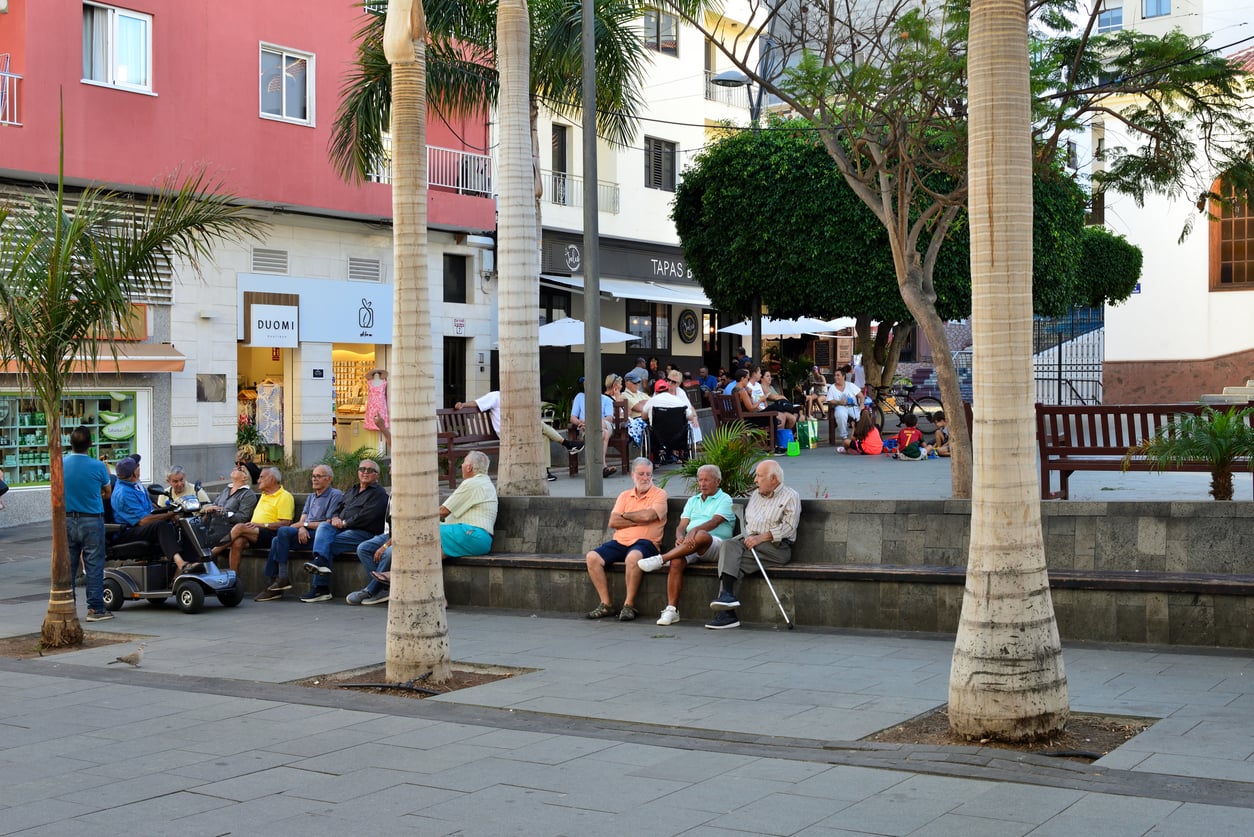
Understanding the Allure of the Spanish Lifestyle for Retirees
Spain has long been celebrated for its exceptional quality of life, vibrant culture, and warm, sun-soaked climate. For retirees seeking fulfillment, relaxation, and happiness, the Spanish lifestyle offers an irresistible proposition. But what exactly makes Spain so appealing to retirees, and how does it cultivate such contentment among those who choose to call it home? This comprehensive guide explores every facet of Spanish life that contributes to a happier, healthier retirement, from cultural beliefs and traditions to healthcare, gastronomy, and the all-important concept of "la buena vida"—the good life.
The Joy of Outdoor Living: Embracing the Mediterranean Climate
One of the most striking features of the Spanish lifestyle is the seamless integration of indoor and outdoor living. Spain boasts more than 300 days of sunshine per year in many regions, with mild winters and long, blissful summers. For retirees, this climate is not merely a background—it shapes daily routines, social interactions, and hobbies.
- Active Social Life: The mild weather encourages walking, al-fresco dining, social gatherings in plazas, and the regular use of public outdoor spaces such as parks and beaches.
- Health Benefits: Outdoor living promotes physical activity, which in turn reduces stress, improves cardiovascular health, and boosts mental wellbeing.
- Lifestyle Choices: Gardening, golf, tennis, cycling, and swimming are all popular pastimes, accessible almost year-round.
Retirees in Spain naturally spend more time outdoors, so they experience less isolation and greater opportunities for spontaneous socialization. The sense of community fostered through outdoor living is a fundamental pillar of happiness among retirees.
La Buena Vida: The Spanish Approach to Enjoying Life
Perhaps the most defining aspect of the Spanish lifestyle is "la buena vida," or "the good life." This phrase refers to a cultural attitude that values leisure, enjoyment, and balance over the relentless pursuit of wealth or status. For retirees accustomed to fast-paced lives, embracing "la buena vida" is transformative.
- Prioritizing Relationships: Spanish culture emphasizes spending quality time with family and friends. Meals are long and leisurely, and socializing is built into the fabric of daily life.
- Slower Pace: The traditional siesta, lasting businesses, and extended meal times all point to a slower, more mindful rhythm, especially in smaller towns and rural areas.
- Embracing Festivity: From local fiestas to cultural events, retirees find countless reasons to celebrate and feel connected to their communities.
- A Balanced Approach to Work and Rest: Even after retirement, the Spanish approach to routine focuses on sustenance, with ample time reserved for relaxation and enjoyment of hobbies.
Adopting the Spanish perspective on life allows retirees to shift their priorities, fostering enduring happiness and contentment.
The Mediterranean Diet: A Culinary Pathway to Health and Happiness
The Mediterranean diet is renowned for its health-promoting properties, and Spanish cuisine is a leading example of this nutritional ideal. Built on olive oil, fresh vegetables, seafood, legumes, and lean meats, the Spanish diet offers both pleasure and longevity.
- Fresh, Local Produce: Markets brim with seasonal fruit and vegetables, much of it grown regionally. This access to high-quality ingredients elevates daily meals and encourages healthier cooking at home.
- Heart-Healthy Fats: Olive oil, a dietary staple, provides beneficial monounsaturated fats that support cardiovascular health.
- Moderate Dairy and Meat: Cheese, yogurt, and cured hams are consumed sparingly, while fish and lean poultry feature more prominently.
- Social Eating: Meals are often shared, promoting portion control and mindful eating, which are linked to emotional satisfaction as well as improved digestion and health.
For retirees, the Mediterranean diet delivers tangible benefits: studies show reduced risk of chronic diseases, improved mood, and longer life expectancy. But beyond nutrition, it provides simple daily rituals—like sharing a plate of tapas—that nourish the soul.
Healthcare in Spain: Peace of Mind for Retirees
Spain’s healthcare system consistently ranks among the best in the world. Access to high-quality, affordable, and comprehensive healthcare is a core reason why retirees report greater happiness and peace of mind living in Spain.
- Public and Private Options: The national health system offers universal coverage, and retirees from many countries can access public healthcare once they establish residency. Private insurance is also available, enabling fast appointments with top specialists.
- Modern Facilities: From large hospitals in major cities to well-equipped clinics in small towns, Spain offers advanced diagnostics, state-of-the-art treatments, and highly qualified medical professionals.
- Preventive Care: Emphasis is placed on preventive medicine, supported by regular screenings and public health campaigns.
- Pharmacies and Accessibility: Pharmacies are accessible throughout urban and rural areas, often providing personalized advice and a range of services beyond dispensing medication.
Access to reliable and affordable healthcare relieves a major source of anxiety for retirees, allowing them to enjoy their later years with confidence and security.
Community, Belonging, and Intergenerational Bonds
A strong sense of community is deeply embedded in Spanish society. For retirees, this translates to meaningful connections, intergenerational friendships, and vital networks of support.
- Active Local Associations: Retirement groups, hobby clubs, cultural centers, and volunteering opportunities are abundant, welcoming both locals and newcomers.
- Multigenerational Households: It is common for several generations to live close by or regularly interact. Grandparents play an active role in family life, fostering a sense of usefulness and joy.
- Public Spaces as Social Hubs: Plazas, coffee houses, and parks become extensions of the home, facilitating frequent interactions and community ties.
- Inclusivity of Retirees: Spanish society values the wisdom of its elders. Retirees are respected, included, and celebrated—not pushed to the margins.
Such robust community bonds help combat loneliness, contributing directly not only to greater happiness but also to physical health and longevity among retirees.
Safety and Security: A Foundation for Tranquility
Safety is paramount for anyone considering retirement abroad. Spain boasts one of the lowest violent crime rates in Europe, making it especially attractive for retirees seeking peace of mind.
- Low Crime Rates: Both urban and rural areas are considered safe, with minor issues mostly limited to petty theft in crowded tourist spots.
- Welcoming Attitude: Spaniards possess a natural warmth and hospitality, readily welcoming newcomers into their communities.
- Emergency Services: Responsive, well-equipped emergency services foster a feeling of security among all residents, including retirees.
- Support Networks: Expat groups and helpful neighbors often come together to provide support in times of need, reinforcing a sense of safety that extends beyond statistics.
A serene and secure environment is essential for happiness in retirement, and Spain delivers this in abundance.
Cultural Richness: Art, Music, Festivals, and Daily Enrichment
Spanish culture is a perpetual source of fascination, creativity, and inspiration. Retirees gain access to a vast tapestry of traditions, celebrations, and the arts that add color and meaning to everyday life.
- Museums and Heritage Sites: From the world-renowned Prado Museum to ancient Roman ruins, Spain’s depth of history is awe-inspiring and accessible.
- Music and Dance: Flamenco, classical, and contemporary music abound. Local festivals frequently include public performances, inviting all ages to participate or simply enjoy.
- Festivals and Fiestas: Every town and city boasts its calendar of vibrant festivals, processions, and street parties, many unique to their regions and centuries-old in origin.
- Accessible Learning: Many retirees find joy in continuing education, whether through art classes, learning the Spanish language, or exploring regional cooking traditions.
Retirees are invigorated by the array of enriching experiences on offer, turning each day into an opportunity for discovery, connection, and personal growth.
Cost of Living: Achieving More with Less
For many retirees, financial security is top of mind. Spain’s cost of living remains attractively moderate, especially when compared to Northern and Western European countries or North America. This economic advantage enables retirees to stretch pensions further and enjoy a life rich in experiences.
- Affordable Housing: Property prices and rental rates are competitive in many parts of Spain, with a broad range of options catering to varying tastes and budgets.
- Reasonable Daily Expenses: Groceries, utility bills, and public transportation costs are generally lower than those found in many other European countries.
- Dining and Leisure: Frequent dining out, attending cultural events, and participating in hobbies are within reach for most retirees, thanks to reasonable prices and numerous local alternatives.
- Healthcare: While public healthcare is low-cost or free for residents, private insurance is affordable, offering additional choice and convenience.
Money goes further in Spain, empowering retirees to live well, travel, and indulge in the pleasures of "la buena vida" without undue financial burden.
Language and Adaptation: Bridging Cultures and Building Connections
The Spanish language, with its melodious tones and regional variations, becomes a joyful pursuit for many retirees. Learning the local language is not just practical—it unlocks deeper connections and cultural immersion.
- Accessible Learning: Language classes tailored for adults, conversational meetups, and helpful neighbors provide ample opportunities to acquire Spanish or regional dialects at one’s own pace.
- Welcoming Environment: Spaniards are encouraging and patient with learners, making mistakes part of the experience and fostering linguistic confidence.
- Deeper Cultural Engagement: Understanding Spanish facilitates a richer appreciation of local customs, media, humor, and day-to-day interactions with neighbors, artisans, and service providers.
- Empowerment: Mastering—even partially—the language leads to greater independence and self-assurance, crucial for happiness in retirement abroad.
Language is a doorway to friendship, participation, and fulfillment, all of which are hallmarks of a happy life in Spain.
Regional Diversity: Choosing Your Ideal Setting
Spain’s internal diversity is both striking and bountiful. Each region offers distinct climates, landscapes, cultures, and ways of life. Retirees can select from a broad spectrum of experiences, each promising a unique take on Spanish happiness.
- Coastal Bliss: Andalucía, Costa Blanca, and Costa del Sol are famed for their blue-flag beaches, white-washed villages, and lively expat communities.
- Urban Excitement: Cities like Madrid, Barcelona, and Valencia offer cosmopolitan cultural scenes, robust transportation networks, and unmatched dining experiences.
- Inland Retreats: Picturesque mountain and wine regions such as La Rioja or Castilla y León deliver tranquility and jaw-dropping natural beauty.
- Island Escapes: The Balearic and Canary Islands provide year-round mildness, slow-paced towns, and unique regional cultures.
Retirees can thrive whether seeking vibrant city life, sleepy seaside charm, or mountain serenity—the variety is vast and each path leads to contentment.
Faith and Spirituality: Finding Meaning and Connection
Spain’s spiritual fabric is intricately woven into daily life. While the majority identify as Catholic, all faiths are respected and a wide range of spiritual practices are embraced. For retirees, opportunities to deepen their faith or simply enjoy the country’s aesthetic and contemplative spaces abound.
- Historic Churches and Pilgrimages: Magnificent cathedrals, intimate chapels, and routes like the Camino de Santiago inspire reflection and awe.
- Active Faith Communities: Parishes, meditation groups, and interfaith organizations offer both spiritual connection and community service opportunities.
- Respect for Tradition and Modernity: Religious festivals blend reverence and celebration, while modern Spain remains open and pluralistic.
Whether seeking the comfort of tradition or the joy of personal discovery, retirees in Spain can nurture their spiritual side in ways that contribute to overall happiness and inner peace.
The Siesta and Work-Life Balance: Restoring Mind and Body
The tradition of the "siesta" remains a defining feature of the Spanish day, especially in smaller towns and rural areas. More than a scheduled nap, the midday pause represents a holistic approach to work-life balance.
- Daily Restoration: A siesta or simple break in the early afternoon allows time for rest, lunch with loved ones, or solitary relaxation, shielding retirees from the health risks of stress and fatigue.
- Quality Family Time: This routine fosters regular contact with family, reinforcing bonds and generating a sense of belonging and security.
- Supporting Wellbeing: Studies show that even short periods of rest during the day can boost mood, enhance cognition, and lower blood pressure—key contributors to lasting happiness.
- Flexibility: Retirees appreciate the freedom to set their own tempo, balancing activity and relaxation in accordance with personal rhythms and preferences.
This institutionalized approach to rest ensures retirees in Spain enjoy not just leisure but vitality and purpose.
Active Aging: Fitness, Sports, and the Outdoors
A central element of Spanish happiness in retirement lies in staying active—physically and socially. The country's infrastructure, environment, and cultural attitudes are ideally suited to promoting health and engagement at any age.
- Accessible Facilities: Local gyms, municipal swimming pools, and tennis courts are common, affordable, and welcoming to seniors.
- Natural Beauty: National parks, rural trails, and coastal promenades encourage walking, hiking, cycling, and birdwatching—physical activity intertwined with the pleasure of scenic views.
- Sports Culture: Participation in local sports, from pétanque to pickleball, is widespread and supports social integration and friendly competition.
- Community Events: Races, walks, and dance festivals invite retirees to take part, fostering both health and friendship.
Retirees in Spain do not merely grow older—they flourish, remaining vital and involved well into their golden years.
Sustainability and Environmental Awareness: Living in Harmony
Spain is increasingly committed to sustainability, a factor that resonates with retirees seeking to minimize their ecological footprint and live in harmony with nature.
- Green Initiatives: Solar energy, recycling programs, and updated public transportation systems reduce environmental impact and improve quality of life.
- Local Markets: Popularity of neighborhood produce markets supports small-scale agriculture, ensures food freshness, and cuts down on packaging waste.
- Natural Preservation: Protected areas, forests, wetlands, and marine parks provide clean, revitalizing spaces for recreation and contemplation.
- Eco-Friendly Transportation: Walking, cycling, and efficient trains and buses make it easy to get around with minimal environmental toll.
These efforts create a healthier living environment, allowing retirees to enjoy the Spanish landscape while contributing to its preservation for future generations.
Retirement Planning: Navigating Bureaucracy with Ease
Retiring in Spain requires practical preparation, but the process is streamlined compared to many countries. With careful planning and expert guidance, retirees enjoy a smooth transition into their new lives.
- Residency and Paperwork: Well-established procedures and clear requirements make the visa and residency process accessible, especially for retirees from the EU and many other countries.
- Financial Management: Local banks offer comprehensive services in English and other languages, easing the management of pensions, investments, and daily finances.
- Assistance Networks: Multilingual professionals can help with legal, property, and health-related paperwork, reducing stress and ensuring compliance.
- Progressive Attitudes: Spain's stable governance promotes transparency and offers reassurance to retirees navigating official processes.
This low-bureaucracy environment allows retirees to devote more energy to enjoying their new surroundings and less to administrative headaches.
Integration and Expat Communities: A Home Away from Home
Relocating to a new country can be daunting, but Spain’s large and supportive expatriate communities facilitate a gentle landing for retirees of all backgrounds.
- Welcoming Networks: Social clubs, volunteer organizations, and online forums offer information, companionship, and practical advice.
- Shared Celebrations: Retirees find it easy to retain cherished customs while adopting new ones, from holiday gatherings to birthday parties and more.
- Support in Daily Life: Newcomers can rely on friendly neighbors and established expat groups to help with everything from finding a doctor to understanding local customs.
- Language Support: Many communities provide resources for non-Spanish speakers, gradually easing the transition.
This balance of integration and familiarity accelerates the sense of belonging, happiness, and well-being among retirees.
Technology and Connectivity: Staying in Touch and Informed
Modern Spain is highly connected, with excellent internet infrastructure, mobile coverage, and digital services that keep retirees in touch with loved ones and the wider world.
- High-Speed Internet: Fiber-optic networks ensure fast, reliable connections in both cities and many rural communities.
- International Communication: Digital tools make it easy to maintain ties with family and friends abroad through video calls, social media, and messaging apps.
- Online Services: Banking, government, shopping, and entertainment platforms are user-friendly, supporting independence and security for retirees.
- Remote Work and Hobbies: For those who wish, retirement in Spain can include freelance work, online teaching, volunteering, or creative pursuits enabled by technology.
Access to cutting-edge technology ensures retirees can enjoy their Spanish dream without sacrificing connectivity or convenience.
The Journey of Lifelong Learning: Intellectual and Creative Fulfillment
Retirement in Spain is not an end, but a beginning—a stage of self-discovery and growth. The Spanish spirit of curiosity and creativity encourages retirees to embark on new intellectual and artistic adventures.
- Language Acquisition: Discovering Spanish or regional dialects is intellectually stimulating and culturally rewarding.
- Art and Music: Classes in painting, sculpture, music, and dance are widely available, often led by passionate local instructors.
- Literature and Film: Libraries, bookstores, and cinemas offer access to Spanish and international works, igniting imagination.
- Universities and Conferences: Many cities offer educational programs for seniors at universities and cultural centers, including lectures, workshops, and discussion groups.
Continued learning contributes to cognitive health, social engagement, and the rich sense of purpose so vital to happiness in later life.
The Power of Service: Giving Back in Retirement
Many retirees in Spain discover lasting happiness in giving back to their new communities. Volunteering is not only a way to contribute skills and wisdom, but also a key to forging connections and sustaining meaning.
- Charitable Organizations: Local NGOs and community groups welcome retirees’ experience and support, from food banks to animal shelters and community gardens.
- Environmental Groups: Conservation projects and citizen science initiatives integrate retirees into efforts to protect Spain’s natural heritage.
- Mentoring: Retirees can share expertise by teaching languages, tutoring, or mentoring youth and small business owners.
- Cultural Engagement: Volunteering at festivals, museums, or local events provides a deep sense of belonging and creative fulfillment.
Service is reciprocal in Spain’s communal ethos—which means those who give are often rewarded with friendship, purpose, and joy.
Personal Safety, Health, and Wellbeing: Spain’s Triple Promise
Perhaps the ultimate foundation of happiness for retirees in Spain is the trio of security, health, and wellbeing. These concerns are given the highest priority, both by the state and within communities themselves.
- Preventative Healthcare: Regular checkups and proactive support keep retirees healthier for longer.
- Emergency Response: Comprehensive emergency services, clear procedures, and community vigilance provide ease of mind.
- Mental Health Resources: Professional support is widely available for those in need, and societal attitudes are increasingly supportive of holistic mental wellbeing.
- Community Watchfulness: Neighbors look out for one another, especially the elderly, disabled, or socially isolated.
This integrated approach ensures retirees are not only safe, but also feel valued and protected—key conditions for happiness at any age.
Savoring Every Day: A Spanish Philosophy of Time
The Spanish perspective on time is distinctive. Rather than measuring life in terms of productivity or efficiency, there is an intentional savoring of each moment.
- El Tiempo No Se Pierde: "Time is not lost" is a guiding principle. Enjoying meals, walks, or conversations is not idleness, but an appreciation of the present.
- Celebrating the Ordinary: Small daily rituals—morning coffee, meeting friends in the plaza, browsing a market—are sources of pleasure and satisfaction.
- Patience and Resilience: This attitude also fosters resilience; setbacks are easier to weather when life is not defined solely by achievement.
- Meaningful Activities: Retirees fill their days with purpose, connection, and joy—keys to enduring happiness.
This philosophy of time shapes a lifestyle conducive not only to pleasure, but also to serenity, longevity, and fulfillment.
Conclusion: The Pathway to a Happier Retirement
The Spanish lifestyle offers a wellspring of happiness for retirees—a blend of climate, culture, community, health, and personal fulfillment unlike anywhere else. Whether savoring sun-dappled afternoons, sharing laughter with neighbors, or embarking on new adventures, retirees in Spain discover that the true secret to happiness in later life lies in living fully, sustaining connections, and embracing the good life, every single day.
Choosing to retire in Spain is an invitation to live not just longer, but better—to turn the golden years into a vibrant, meaningful second act. With its abundant blessings, enduring traditions, and welcoming spirit, Spain stands as a beacon for all those seeking a happier, healthier, and truly fulfilling retirement.