





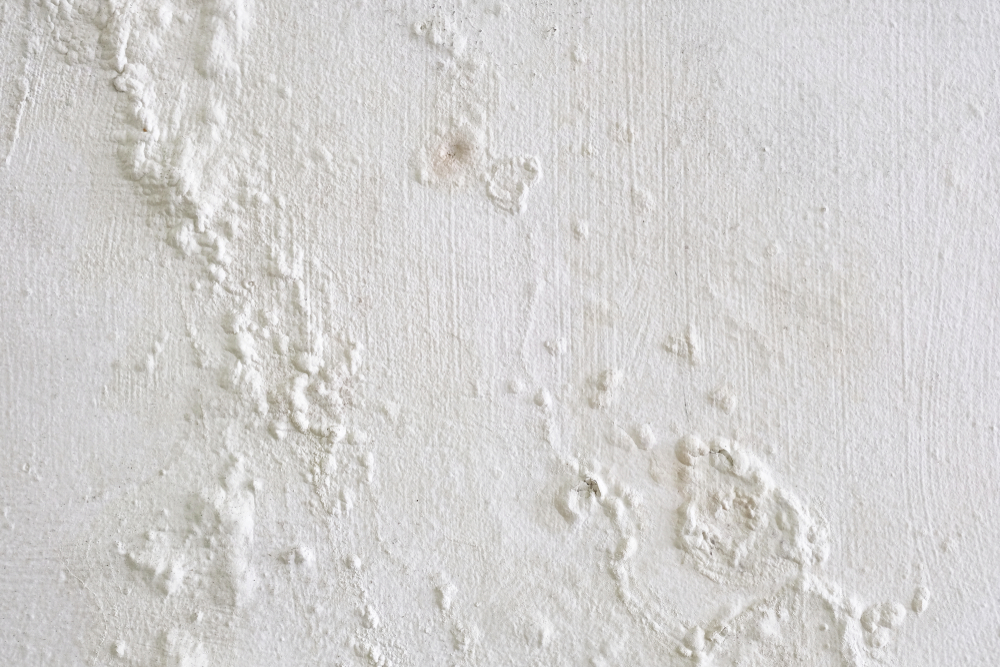
Understanding Humidity Stains in Spain: The Ultimate Guide
Humidity, or "vocht", is a pervasive problem affecting buildings worldwide—yet Spain’s diverse climate and architecture make it a particularly notable issue here. Whether you’re a property investor, homeowner, or managing holiday rentals, understanding the causes, consequences, and remedies for vochtplekken (humidity stains) is vital for both the structural longevity and the value of your property. This in-depth guide explores every facet of the problem, and provides practical, professional advice to safeguard your investment against the persistent Spanish humidity.
1. The Spanish Climate: A Breeding Ground for Vochtplekken
Spain is lauded for its sun-drenched costas and semi-arid interiors, but its climatic diversity also leads to significant regional differences in humidity exposure. From the moist, brisk winds off the Atlantic in Galicia and the Basque Country to the dry heat of Andalusia and the Mediterranean’s mild, sometimes damp winters, each zone presents unique risks for moisture intrusion.
1.1 Coastal Versus Inland Properties
Coastal destinations, particularly along the Costa del Sol, Costa Blanca, and Costa Brava, attract property buyers with their sea views and balmy temperatures. However, these regions are especially susceptible to salty air and higher humidity levels. The persistent morning mists, sea breezes, and occasional storms can drive moist air into buildings, highlighting weaknesses in construction or maintenance and manifesting as discoloration, peeling paint, and even mold growth.
In contrast, Spain’s interior may experience drier conditions, but dramatic temperature shifts from winter to summer, as well as heavy seasonal rains in certain regions, can promote condensation. Older homes, with their traditional stone or adobe walls, often suffer from capillary rise—the gradual absorption of ground moisture upwards through porous materials.
1.2 Microclimates and Their Surprising Effects
Not all properties within the same province face equal risk. Mountains, forests, rivers, and even orientation relative to the sun can produce hyper-local conditions that favor the development of vochtplekken. A shaded north-facing villa in Catalonia, for instance, may remain cool and damp long after spring rains, while a south-facing apartment in Valencia basks in drying sunshine. Knowing your property’s microclimate is essential for forming an effective humidity management strategy.
2. Common Causes of Vochtplekken in Spanish Properties
Vochtplekken result from complex interactions of environmental, structural, and human factors. Identifying the true root cause is the first step toward lasting remediation; without it, any solution will likely prove temporary. Here, we dissect the predominant sources and contributing factors of damp stains in Spain.
2.1 Condensation: The Modern Enemy
Condensation occurs when warm, moist air encounters a cold surface, leading to the air’s water vapor condensing into liquid droplets. In well-insulated but poorly ventilated homes—common in newer Spanish developments—curtains, windowsills, and corners frequently show signs of moisture accumulation. The presence of drying laundry, unventilated bathrooms, and tightly sealed windows exacerbates the problem, promoting black mold growth, staining plaster, and emitting a musty odor.
2.2 Rising Damp (Capillary Action)
Spain’s heritage homes present their own unique challenge: capillary damp. These structures, built with porous stone, brick, or adobe, often lack or have ineffective horizontal damp-proof courses. As a consequence, groundwater is drawn upwards through walls, producing telltale tide marks, salt efflorescence, and paint blistering at the base of walls—hallmarks of persistent rising damp.
2.3 Penetrating Damp: When Water Travels Laterally
Penetrating damp identifies water entering through leaky roofs, defective gutters, cracked facades, or through poorly sealed doors and windows. It most often presents on upper walls and ceilings post-rainstorm. In Spain’s traditional white-washed villages or urban apartments plagued by aging roofs and blocked drainage, this is a widespread issue.
2.4 Construction Deficiencies and Ageing Materials
Rapid post-war or boom-time construction across Spain sometimes prioritized speed and cost over quality, leaving some properties especially at risk. Inadequate waterproofing, substandard materials, and the settling of buildings on poorly drained land can all contribute. Even high-end homes can experience trouble if shortcuts were taken with external cladding or foundation design.
3. Recognizing Early Warning Signs of Humidity Problems
Prevention and early detection are paramount. Recognizing vochtplekken in their infancy can dramatically reduce the time, effort, and cost involved in their remediation. But how do you spot the subtle early indicators before a problem escalates?
3.1 Visual Cues
- Discoloration: Yellow, brown, or even greenish stains may start small but slowly spread.
- Mold Spots: Black or gray speckles—especially in corners, behind furniture, or on bathroom grout—signal excessive moisture.
- Peeled Paint/Wallpaper: Flaking, bubbling, or peeling finishes often denote moisture lurking beneath.
3.2 Sensory Signs
- Musty Odors: An earthy, stale smell often precedes visible signs of mold or water damage.
- Cold Touch: Persistently clammy or cold walls can betray hidden moisture or lack of proper insulation.
3.3 Hidden Indicators
- Salt Deposits (Efflorescence): As water evaporates from mineral-rich walls, it leaves behind powdery white marks.
- Soft Plaster or Rot: Pushing on apparently solid walls or floors may reveal alarming softness, indicating internal decay.
4. Health and Structural Consequences of Vochtplekken
Underestimating the impact of humidity stains leads not only to cosmetic devaluation but also to serious health and building integrity risks. Here, we examine the crucial consequences for both occupants and property.
4.1 Health Risks: More Than Cosmetic Annoyance
Chronic exposure to damp environments is scientifically linked with respiratory ailments, allergy exacerbation, and even increased susceptibility to infections. Vulnerable individuals—infants, the elderly, and those with asthma or immune disorders—are especially at risk. Mold spores, easily released from bathroom tile or bedroom walls, can aggravate or trigger allergic rhinitis, persistent coughs, and skin irritation. In properties hosting holiday guests, this creates liability issues and potential reputational harm.
4.2 Structural Damage: Erosion from Within
Moisture steadily weakens building materials. Penetration of water into brick, stone, or timber promotes rot, corrosion of metal fixings, and compromising of insulation. Over time, structural timber can become so soft as to require costly replacement. Plaster crumbles, paint loses adhesion, and the underlying framework of a home may suffer irreparable decline without proper intervention.
4.3 Financial and Market Value Ramifications
A home marked by damp issues inevitably loses desirability on the resale or rental market. Potential buyers may worry about concealed problems, while tenants demand rent reductions or swift repairs. Left unchecked, what began as a minor stain could ultimately necessitate full-scale renovation or dramatically reduce a property’s market value.
5. Diagnostic Techniques: How Professionals Identify Vochtplekken
Professional assessment is often essential—especially in historic or high-value properties—to not only confirm the obvious sources but to explore often-overlooked causes of humidity. Here’s how the experts approach diagnosis.
5.1 Moisture Meter Readings
Sophisticated moisture meters are invaluable tools for mapping the extent and pattern of an outbreak. By probing into walls, floors, and ceilings, professionals can measure sub-surface moisture levels, guiding both initial repairs and follow-up monitoring.
5.2 Infrared Thermography
Non-invasive infrared cameras reveal cold zones and hidden water leaks behind facades. By visualizing heat loss and condensation risk areas, property managers can target remediation where it’s most needed, without destructive exploration.
5.3 Structural and Thermal Imaging Surveys
For larger buildings or complex cases, full thermal imaging of the structure—possibly combined with laboratory analysis of samples for salts or mold types—provides a holistic view. This level of analysis is particularly valuable for period homes, luxury villas, and commercial properties where multiple or interacting causes may be at play.
6. Preventive Measures: Designing Humidity Out of Spanish Homes
An ounce of prevention is worth a pound of cure. Every phase of property ownership, from new-build planning to historic restoration and daily maintenance, should integrate strategies to prevent excess humidity.
6.1 Site and Foundation Precautions (New Builds)
- Choosing Well-Drained Land: Avoid sites with a known high-water table or flood history. Employ foundation drainage layers and underground waterproofing wraps on all below-ground structures.
- Robust Damp-Proof Courses: Modern membrane barriers or chemical injectables should be standard beneath all ground floor walls.
6.2 Construction Quality and Material Choice
- Breathable Yet Water-Tight Materials: Lime-based mortars and plasters allow walls to ‘breathe’, expelling interior moisture.
- High-Quality Cladding and External Paints: External finishes should repel rain but still allow internal vapor diffusion.
- Proper Installation of Windows and Roofs: All joints and flashings must be meticulously finished, with particular attention to terrace and balcony edges.
6.3 Passive and Mechanical Ventilation
- Passive Air Flow: Design homes with cross-ventilation in mind—align windows and install air bricks where appropriate.
- Mechanical Solutions: Bathroom and kitchen extraction fans, as well as whole-home heat recovery ventilators (HRV), ensure that moist air is continuously expelled even in sealed, energy-efficient homes.
6.4 Landscaping and Drainage
- Permeable Paving: Allow rain to soak into the soil away from foundations rather than running toward them.
- Gutters and Channels: Keep roofs, terraces, and driveways free of pooling water with proper slopes and regularly maintained drainage.
7. Remediation: Professional Solutions for Vochtplekken
When humidity issues appear, targeted remediation—professionally executed—is key. Depending on the type and severity, several methodologies are employed in Spain to restore buildings to a healthy, attractive state.
7.1 Treating Condensation and Surface Mold
- Physical Cleaning: Professional-grade fungicidal cleaners can often remove visible mold, but must always be paired with environmental adjustments.
- Improving Airflow: Retrofits such as window trickle vents, increased use of extraction fans, and even dehumidifiers can control condensation.
- Insulation: Applying internal wall insulation reduces the temperature difference between air and surface, minimizing condensation formation.
7.2 Combatting Rising Damp
- Installation of Chemical Damp-Proof Courses: Trained technicians inject water-repellent silicone-based compounds horizontally into affected walls, forming an impermeable barrier.
- Wall Drainage Solutions: In severe cases, installing internal drainage channels or vents at the wall base may be necessary.
- Replacement of Damaged Plaster: All salt-contaminated finishes should be removed, replaced with salt-resistant alternatives, and allowed to dry thoroughly before redecoration.
7.3 Repairing Penetrating Damp
- External Waterproofing: Cracked or damaged render and tiles must be repaired, and vulnerable walls painted with elastomeric waterproof coatings.
- Roof and Gutter Maintenance: Replace broken or slipped tiles, and clear blockages from rainwater systems to prevent overflow into walls.
7.4 Addressing Interior Damage
- Mold-Affected Materials: Soft furnishings, carpets, and plasterboard harboring mold should be safely disposed of.
- Retesting and Verification: Following repair, professionals will retest the area for residual moisture to ensure a long-term fix.
8. Humidity and Spanish Architectural Styles: Unique Vulnerabilities
Spain’s architectural history is a tapestry of influences—Moorish courtyards, modernist apartments, hillside fincas, and more. Each brings characteristic beauty, but also unique challenges in managing vochtplekken.
8.1 Andalusian Townhouses and Patios
Whitewashed facades and central courtyards create atmospheric living, but inward-facing patios often trap moisture and shade, reducing drying rates and increasing interior humidity, especially after rainfall or irrigation.
8.2 Rustic Stone Fincas and Farmsteads
Thick walls of traditional country farms provide excellent thermal mass but act as sponges in wet weather. Without modern damp-proofing, rising damp is almost inevitable; internal refurbishments must balance historical preservation with hidden moisture barriers.
8.3 Urban Apartments and Coastal Villas
Apartment blocks, especially those built during construction booms, can be vulnerable to condensation due to insufficient ventilation planning. Coastal villas see exterior paint flake and terrace tiles lift under the dual assault of sun and sea-borne moisture. Frequent microcracks in render create entry points for humidity.
9. Legal Considerations: Owner and Tenant Responsibilities in Humidity Management
Spanish law distinguishes between property owners and tenants regarding maintenance and liability. Unresolved vochtplekken can be grounds for legal disputes, especially where health or habitability are compromised.
9.1 Owner Obligations
- Structural Maintenance: Owners must ensure roofs, facades, and drainage systems are in sound condition, addressing defects that foster humidity ingress.
- Habitability Standards: Rental properties must meet minimum health standards, which includes absence of persistent damp and mold.
9.2 Tenant Duties
- Daily Ventilation: Tenants are expected to ventilate their dwelling reasonably (opening windows, using extractor fans) to prevent condensation-related issues.
- Reporting Issues Promptly: Any visible signs of dampness or malfunctioning heating systems should be reported for swift resolution.
9.3 Dispute Resolution
Should disagreements arise, Spanish legal processes exist for arbitration. It is crucial property managers maintain photographic records, expert surveys, and documentation of all maintenance or repair efforts.
10. Technological Advances: Smart Home Solutions to Tackle Humidity
Modern technology offers new frontiers in the prevention and control of vochtplekken. Smart home systems and innovative materials complement traditional repair methods, allowing property owners and managers to monitor and manage humidity remotely and proactively.
10.1 Smart Humidity Sensors and Automated Ventilation
- Real-Time Monitoring: Discreet sensors track relative humidity and temperature, alerting owners to abnormal spikes via smartphone.
- Automated Fans and Windows: Linked to sensor data, smart systems can operate extraction fans or open windows on command, maintaining optimal indoor environments even when the property is unoccupied.
10.2 Advanced Construction Materials
- Hydrophobic Insulation: State-of-the-art insulation panels resist water ingress while retaining breathability.
- Self-Healing Concrete and Crack Sealers: Nano-technology allows certain materials to automatically seal hairline cracks before water intrusion becomes a major problem.
10.3 Dehumidifiers and Air Purifiers
Modern portable and whole-house dehumidifiers quietly extract excess moisture, while HEPA-equipped air purifiers reduce airborne mold spores, boosting indoor air quality, especially in allergy-sensitive homes.
11. Case Studies: Humidity Challenge and Triumph in Spanish Homes
To further illustrate the real-world impact and solutions, this section examines a range of properties—coastal, urban, and rural—detailing the unique issues they faced and the methods used to restore comfort and value.
11.1 The Costa Blanca Villa: Wind, Sun, and Subterranean Surprises
A recently renovated villa presented alarming damp on ground floor bedroom walls after an unusually wet spring. Professional assessment revealed inadequate drainage beneath the tiled patio, channeling rainwater toward the foundations. Solution: The patio was re-engineered with new French drains, damp-proof courses retrofitted, and interior finishes replaced with vapor-permeable paints. Post-repair monitoring found humidity levels returned to healthy norms, preserving both the charm and value of the property.
11.2 Barcelona Apartment Block: The Perils of Urban Condensation
Several apartments in a 1970’s-era block exhibited black mold blooms each winter. Investigation exposed a common lack of kitchen and bathroom fans, compounded by sealed double-glazed windows. With installation of modern extraction, moisture meters confirmed a 40% reduction in indoor relative humidity, and no new vochtplekken emerged over the subsequent two years.
11.3 Andalusian Cortijo: Heritage Versus Humidity
A centuries-old stone cortijo (farmhouse) near Seville showcased persistent salt stains and musty odors. Historical preservation rules limited exterior alterations. Specialists employed a system of internal wall ventilation cavities and lime-based renders; careful masking of affected plaster, combined with strategic landscaping, achieved a substantial reduction in rising damp without compromising period aesthetics.
12. Maintenance Plans: Proactive Strategies for Long-Term Value
Integrating humidity control into annual and seasonal maintenance cycles is crucial. This ensures vochtplekken remain a rare, manageable occurrence rather than a costly headache.
12.1 Routine Property Inspections
- Visual checks for stains, flaking, or mustiness throughout the year, with particular scrutiny post-storm or heavy rain periods.
- Scheduled testing of humidity, especially in utility areas, basements, and north-facing rooms.
12.2 Annual Roof, Gutter, and Drainage Servicing
- Clear out leaves and debris in autumn to prevent water back-up and overspill.
- Inspect tiled and flat roofs for slips, cracks, or signs of water penetration.
12.3 Appliance and Ventilation Upkeep
- Ensure all extractor fans and air bricks are debris-free and functioning optimally.
- Recalibrate or replace humidity sensors as required.
13. Vochtplekken and Sustainability: The Eco-Friendly Approach
Sustainable property management and renovation increasingly means prioritizing both energy efficiency and moisture control. Eco-friendly strategies can align seamlessly with healthy, visually stunning Spanish homes.
13.1 Breathable Natural Materials
Natural lime renders and plasters offer resilience against humidity while maintaining the environmental integrity of historic structures. Cork insulation and untreated timber, when properly installed, allow homes to regulate moisture without resorting to synthetic barriers.
13.2 Green Roofs and Walls
Living roofs and vertical gardens provide shade, insulation, and stormwater absorption—reducing the risk of heavy rainfall overwhelming drainage systems.
13.3 Solar Ventilation and Passive Design
Solar-powered attic fans, cross-ventilation corridors, and deep eaves keep interiors dry without consuming grid electricity, yielding a comfortable microclimate and a robust defense against vochtplekken.
14. Investing in Spanish Real Estate: The Wise Approach to Humidity Management
Whether buying, selling, or renting, knowledge of vochtplekken and their management is a cornerstone of intelligent property investment in Spain. Transparent disclosures, professional inspections, and documented preventive measures can differentiate a property and increase its desirability.
14.1 Pre-Purchase Due Diligence
- Commission pre-purchase humidity surveys and review full maintenance histories.
- Evaluate both visible and potential hidden risk zones—cellars, walls adjoining gardens, and areas around water installations.
14.2 Adding Value through Prevention
- Proactively addressing minor stains before listing a home for sale restores market appeal and leverages higher asking prices.
- For rental investments, demonstrate compliance with health and safety regulations with expert certification.
15. Frequently Asked Questions (FAQ) about Vochtplekken in Spain
- Can I treat humidity stains myself?
Superficial condensation stains can sometimes be tackled by the owner—but for persistent, widespread, or structurally rooted issues, it is critically important to engage professionals. Misdiagnosis may result in recurring or worsening problems.
- What types of properties are at highest risk?
Older, unrenovated homes; coastal properties; and apartments with poor ventilation face greater risk, but even new builds are not immune if proper precautions were ignored.
- How long does remediation take?
Timescales range from a few days for minor repairs to several weeks for major structural corrections, especially where drying periods are required between stages.
- Will fixing humidity issues increase my property’s value?
Absolutely. Properties free of moisture, stains, and odors command higher prices and yield better returns, both for sale and for rent.
16. Conclusion: Protecting Your Spanish Property from Vochtplekken
Humidity stains are a fact of life in Spain’s beautiful but challenging climate. Yet, with diligence, expertise, and modern technology, they need not threaten the longevity or value of your cherished property. Proactive design, regular inspection, prompt remediation, and sustainable choices form the backbone of elite property stewardship. By embracing these principles, you guarantee a healthier living environment, greater financial returns, and peace of mind—today and for decades to come.
When it comes to ensuring your property is protected from moisture and its associated issues, expertise is essential. For tailored advice, advanced diagnostics, and seamless remediation management, trust only the most capable and experienced professionals in the Spanish property sector—so that your investment remains as exceptional as the country itself.