





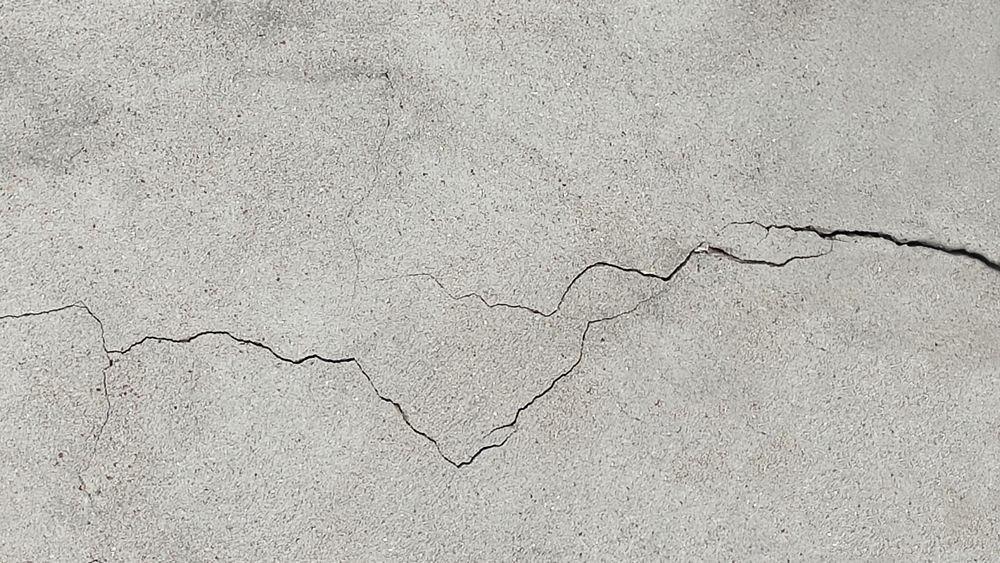
Understanding Wall Cracks in Spain: A Comprehensive Overview
When owning a property in Spain, particularly in regions with unique climatic and construction conditions, one of the most common building defects encountered is wall cracking, or scheuren in de muur. Such cracks can raise concerns among property owners—whether resident or remote—especially regarding the safety, value, and aesthetics of their cherished Spanish real estate. This in-depth guide, curated by the experts at IMMO ABROAD, demystifies every aspect of wall cracks in Spain, empowering you with the knowledge to address these issues confidently and proactively.
Types of Wall Cracks Commonly Found in Spanish Properties
1. Shrinkage Cracks
Shrinkage cracks, or krimpscheuren, are frequently observed during the initial years after construction. They typically result from the drying and curing processes of plaster, mortar, and concrete. The dry Spanish climate, prevalent in many coastal and inland regions, can accelerate moisture loss from construction materials, making shrinkage cracks a routine occurrence, especially in new builds and recently renovated properties.
2. Settlement Cracks
Settlement cracks, or zettingscheuren, develop due to the downward movement of a building as the underlying soil consolidates under its weight over time. Spain’s diverse geology—from the rocky grounds of the Mediterranean coast to softer sediments inland—can influence the rate and severity of settlement, leading to cracks that may be thin and vertical or even diagonal, often appearing around door frames and windows.
3. Structural Cracks
Structural cracks signal more serious issues. These cracks, often wider than 2-3mm, may run diagonally through brickwork or concrete walls and indicate foundational shifts or failures. Seismic activity, nearby construction, or suboptimal foundations are underlying contributors in some Spanish regions. Immediate professional assessment is crucial if such cracks are found.
4. Thermal Movement Cracks
Owing to Spain's strong temperature fluctuations—hot summers and, in some regions, cold winters—building materials expand and contract. Over time, especially if expansion joints were omitted or inadequate, this thermal activity causes visible cracking, generally running horizontally along wall segments or at material junctions.
5. Cracks from Moisture Ingress
Persistent rainfall or episodic flooding, particularly in coastal and northern Spain, can result in moisture finding its way through building envelopes, causing the materials to swell, weaken, and eventually crack. These cracks often appear in basements or lower wall segments. Signs include visible damp patches, salt efflorescence, and musty odors.
Distinguishing Between Harmless and Concerning Cracks
Cosmetic Cracks
Hairline cracks, less than 0.2mm wide, are generally considered cosmetic. These typically form in plaster or paint and are often the result of natural material shrinkage or minor surface movement. They pose no structural risk, though regular monitoring and maintenance are recommended to prevent moisture penetration.
Functional Cracks
Functional cracks, up to 2mm wide, may still be relatively benign but can affect insulation, energy efficiency, and waterproofing. While not immediately hazardous, timely repair ensures they do not evolve into more substantive problems.
Structural Cracks: A Red Flag
Cracks wider than 3mm, particularly those that zigzag, form steps in brickwork, or are accompanied by bulging walls or sticking doors/windows, may indicate significant structural movement. These cracks can jeopardize the integrity of your property, both from a safety and investment viewpoint, warranting an immediate structural survey and possible intervention.
- Location: Cracks in external walls, near foundations, or around support beams are more worrisome than those in non-load-bearing plasterboard.
- Pattern: Diagonal or stepped cracks often suggest structural shifts, whereas straight, short hairlines are typical of natural plaster drying.
- Movement: Cracks that continue to widen or change seasonally indicate ongoing movement and must be monitored by a specialist.
Why Do Spanish Homes Develop Wall Cracks?
Construction Materials and Techniques
Spanish architecture varies greatly—traditional homes constructed from stone, adobe, or local bricks, and newer builds with reinforced concrete and modern blockwork. Differences in material properties, aging, and craftsmanship contribute significantly to the development of wall cracks. For example, older rural houses may be more susceptible to cracking due to historic building methods, absence of waterproofing, or less stable foundations.
Climate and Environment
Spain’s climate exerts constant stress on building materials. Coastal humidity, intense summer heat, sporadic heavy rainfall, or freeze-thaw cycles in mountainous regions can all accelerate the formation and progression of wall cracks. Saline air in seaside towns also promotes corrosion of reinforcement bars, adding to potential problems.
Seismic Activity
While not as earthquake-prone as some Mediterranean nations, certain regions, such as Murcia and Granada, are known for seismic events. Even minor tremors can cause movement in older or less well-maintained buildings, manifesting as new or worsened wall cracks.
Poor Drainage and Foundations
Foundations built on clay-rich soils, without adequate drainage or moisture barriers, often experience movement as water content fluctuates seasonally. This leads to expansion, contraction, and resultant cracking, particularly in low-lying or formerly agricultural areas.
Key Spanish Regions and Their Crack-Related Challenges
Coastal Zones: The Mediterranean and Costa del Sol
Popular with international buyers and retirees, these regions present unique challenges. Marine air, variable temperatures, and occasional heavy rains can promote both moisture ingress and thermal expansion cracks. Residences directly on the seafront are particularly susceptible to salt-induced corrosion damages, requiring specialized monitoring.
Interior and Highlands: Madrid, Castilla y León, Aragón
Here, wide seasonal temperature ranges and occasionally unstable subsoils result in repeated expansion-contraction cycles and increased incidence of settlement cracks. Historic towns, with centuries-old masonry, present risks for both hairline and significant structural cracks due to aging and shifting ground.
Northern Spain: Galicia, Asturias, Basque Country
Lush and wetter than the rest of Spain, these regions face persistent rainfall and humidity. Older stone homes and newer builds alike can suffer water-related cracks, often compounded by moss and plant growth in external walls. Careful waterproofing and repair are critical ongoing needs.
Southern Spain: Andalusia
With high temperatures, drought conditions, and sometimes poor soil compaction, Andalusian properties frequently exhibit shrinkage and settlement cracks. The use of traditional whitewashed façades can make cracks more visible, affecting both curb appeal and longevity if not addressed.
Inspection and Monitoring: Steps to Take
Routine Visual Inspection
Regularly inspect all internal and external walls, especially in older buildings or after major weather events or construction in the vicinity. Look for changes in width, length, and branching of existing cracks. Notate the date and extent of new cracks for reference.
Professional Assessment
When in doubt, contact a certified architect or structural engineer familiar with Spanish building codes and conditions. They use specialized tools such as crack gauges, humidity meters, and non-destructive imaging to uncover the cause and severity. IMMO ABROAD strongly recommends periodic professional surveys, especially before purchase, resale, or major renovations.
Long-Term Monitoring
Install crack monitors or tell-tales to track progression over weeks or months. Photographic documentation is also useful. Any crack that demonstrates ongoing widening or movement should prompt immediate action to prevent escalation.
- Inspect exterior walls every season.
- Check interior walls after significant rainfall or earthquakes.
- #Record and track changes for ongoing analysis.
Repair Techniques: Solutions for Wall Cracks in Spain
Minor and Cosmetic Crack Repairs
For hairline or limited shrinkage cracks, the process usually involves:
- Preparation: Cleaning out dust, debris, and loose material along the crack with a stiff brush or vacuum.
- Filling: Applying a flexible, high-quality filler matched to the wall’s material—acrylic for interiors, exterior-grade mastic for façades.
- Sanding and Painting: Once dry, sanding the area smooth, priming, and repainting to blend the repair invisibly.
Functional and Mid-Sized Crack Solutions
Cracks in this range require more robust action:
- Stitching: Embedding small metal bars or mesh across the crack after cutting shallow grooves, then repointing and rendering the surface.
- Flexible Mastic or Polyurethane Sealants: Especially effective for cracks that may open or close seasonally due to expansion/contraction.
- Localized Reinforcement: Addition of mesh or fiberglass tape prior to re-plastering for added strength.
Fixing Structural Cracks
Intervention here is tailored to the diagnosis:
- Underpinning: Reinforcing or stabilizing foundations with concrete piers, micropiles, or chemical grout injection to halt further movement.
- Helical Bars: Installing stainless steel helical bars across major cracks to restore load distribution.
- Waterproofing and Drainage: Enhancing perimeter drains, damp-proof membranes, or applying waterproof render to mitigate moisture-driven cracks.
- Load Redistribution: In some cases, adding new lintels or columns to redistribute structural loads safely.
Repair Materials: What’s Commonly Used in Spain?
- Cal (Lime) Mortar: Traditional buildings, especially in Andalusia and the Balearics, are repaired with local lime-based mortars, prized for their flexibility and breathability.
- Cementitious Fillers: Standard for modern homes, especially where high compressive strength is required.
- Acrylic and Silicate-Based Crack Fillers: Offer enhanced adhesion, weather resistance, and movement tolerance.
Preventative Care to Minimize Future Wall Cracks
Quality Construction and Renovation
The surest defense against future cracks is premium construction with careful attention to material compatibility, rigorous foundation preparation, and adherence to local building codes. When renovating, engage only licensed and reputable professionals who understand regional challenges and use certified materials.
Regular Property Maintenance
Monitor roof and gutter systems to ensure rainwater is directed away from the structure. Maintain adequate ventilation indoors to modulate humidity. Promptly repaint and repair any crack, however minor, especially on external walls to prevent moisture ingress.
Tree and Vegetation Management
Roots from large trees such as pines, olives, or palms, commonly found near Spanish homes, can impair foundations and drive new cracks. Regularly inspect and, if necessary, remove or root-prune vegetation that grows too close to foundations or retaining walls.
Drainage and Ground Water Control
Ensure the ground around your property is graded so water flows away from the building. Regularly clear drains, install groundwater sumps where appropriate, and consider French drains for long-term peace of mind.
Seismic Adaptation
If residing in one of Spain’s seismically active zones, retrofit structural reinforcements and flexible connections as recommended by a qualified engineer. These measures can significantly limit crack formation during tremors.
Legal Aspects: Building Code and Warranty in Spain
The Spanish Building Code (Código Técnico de la Edificación)
The CTE establishes minimum standards for building stability, moisture resistance, and durability. Noncompliance can result in liability for developers, architects, and builders, especially where serious structural cracks emerge within the warranty period.
New Build Warranties
- 1 Year: General finish defects—cosmetic cracks are covered during this period.
- 3 Years: Habitable and functional defects, including certain types of cracking that compromise dwelling comfort.
- 10 Years: Structural defects, including those affecting foundation or load-bearing elements.
IMMO ABROAD recommends that all buyers of newly constructed or extensively renovated property in Spain carefully review warranty documents and maintain detailed records and photos of any developing cracks.
What to Do in Case of Serious Cracks?
- Notify the builder or developer in writing as soon as possible, ideally within the applicable warranty period.
- Commission an independent structural report to substantiate claims.
- Involve your lawyer if progress stalls—Spanish consumer law offers significant protection, but timely action is vital.
Insurance for Wall Cracks: Guidance for Homeowners in Spain
Does Home Insurance Cover Wall Cracks?
Standard home insurance policies may cover crack repairs only if linked to specific insured events—such as earthquake, flood, or accidental impact. Gradual settlement or structural issues not triggered by such events are generally excluded.
Insurance Claim Process
- Immediate notification: Contact your insurer as soon as extensive or sudden cracks appear.
- Documentation: Assemble photographs, dates, and any professional assessment or repair bills.
- Assessment: The insurer may dispatch their own expert to confirm causation and eligibility.
- Negotiation and settlement: Based on assessment, coverage, and policy deductibles.
Clarify coverage before purchasing property or updating policies, particularly in regions known for seismic or hydrological incidents.
The IMMO ABROAD Approach: Supporting Clients Through Every Stage
Pre-Purchase Due Diligence
Wall cracks, especially structural ones, can affect a property’s value and future enjoyment. IMMO ABROAD always includes detailed surveys for clients contemplating a Spanish purchase, ensuring you are aware of all visible and potential issues before committing. Our expert partners across Spain offer:
- Comprehensive structural and damp surveys
- Professional translation and explanation of reports
- Negotiation support in the event of revealed defects
After-Sale Guidance and Problem-Solving
Should cracks appear after purchase, IMMO ABROAD continues to advise clients on whether cosmetic repair or more extensive assessment is required, connecting you with vetted specialists who understand the nuances of Spanish construction and regional legalities.
Renovating Spanish Properties: Making the Most of a Cracked Wall
Integrating Repairs into a Broader Refurbishment
Many international and local buyers in Spain approach wall cracks as part of a wider renovation project. Whether modernizing a rural finca, updating a city apartment, or restoring a historic villa, integrating crack repairs from the outset is efficient and cost-effective.
Material Authenticity and Architectural Heritage
For properties in historic towns or under local heritage protection, repairs must respect original materials—lime mortar, natural stone, or old brick—ensuring compatibility and breathability to avoid new cracking. IMMO ABROAD’s renovation partners excel in sourcing traditional materials and achieving seamless results.
Upgrading for Energy Efficiency
Repairing wall cracks offers the perfect moment to upgrade insulation, install vapor barriers, and improve weatherproofing—transforming liability into a long-term asset that slashes utility bills and enhances comfort.
Educating Owners and Residents: Routine Training and Awareness
Workshops and Guidance
IMMO ABROAD frequently organizes workshops—both online and on-site—equipping property owners with skills to identify, track, and manage wall cracks, and to know when it's time to call in experts. Awareness is the first and most effective form of defence.
Maintenance Calendars and Checklists
- Scheduled reminders for inspections and small repairs
- Guidelines on documenting issues for legal and insurance purposes
- Direct access to professional resources as required
Empowering individuals helps prevent small flaws from escalating into serious defects, preserving both property value and peace of mind.
Case Studies: Real-Life Experiences of Wall Cracks in Spain
Case 1: Settling Soil in Alicante
A Dutch couple purchased a contemporary villa in the hills behind Alicante. Six months after moving in, diagonal cracks appeared above window lintels. IMMO ABROAD’s network immediately facilitated a structural analysis, which revealed insufficient foundation depth on one side due to recent ground water changes. Robust underpinning stabilized the movement, repairs rendered walls flawless, and the couple resumed their Mediterranean lifestyle with confidence.
Case 2: Coastal Moisture Ingress in Málaga
An expat family renting out their Málaga seaside apartment noticed persistent cracking at ground level, coupled with musty odors and saline efflorescence. Guided by IMMO ABROAD, they engaged specialists who installed a new damp-proof course and breathable lime render, halting further damage and restoring long-term rental potential.
Case 3: Heritage Renovation in Segovia
A historic house in Segovia’s old town, used as a summer let, suffered from pronounced step cracks in its centuries-old masonry. IMMO ABROAD’s expert team integrated restoration with modern structural reinforcement, using lime mortar and concealed helical bars, preserving architectural authenticity and upgrading property safety standards.
Frequently Asked Questions About Wall Cracks in Spain
Are all wall cracks dangerous?
No. Most are cosmetic, caused by minor shrinkage or surface settling and require only filling and repainting. However, wide, diagonal, or expanding cracks, especially near doors, windows, or foundations, signal deeper structural problems.
Should small cracks always be fixed?
Early repair limits water ingress, reduces aesthetic impact, and prevents future enlargement. Unattended small cracks, especially outside, can become "entry points" for dampness and structural deterioration.
Can climate control help minimize cracking?
Yes. Stable indoor humidity, adequate ventilation, and moderate heating/cooling help control expansion and contraction within interior walls—reducing new crack formation.
Is buying a cracked-wall property in Spain always a bad idea?
Not necessarily. With proper survey, diagnosis, and targeted repairs, many "cracked" properties become outstanding long-term investments—especially when value-added restoration is integrated into the acquisition. IMMO ABROAD maximizes your assurance through diligent pre-purchase inspection.
How soon should new build cracks be reported?
Immediately, and in writing, highlighting the warranty period. Quick reporting secures coverage, peace of mind, and limits future contention with the developer.
Checklist: What to Do If You Find Wall Cracks in Your Spanish Property
- Document the exact location, size, and pattern photographically.
- Log the date and any visible changes (e.g., widening, appearance after weather events).
- Check if similar cracks exist elsewhere, both inside and outside.
- Monitor over several weeks—using a pencil line or crack gauge if possible.
- Check for accompanying symptoms: musty smells, sticking doors, visible damp, or loose tiles.
- If in doubt, or cracks are wide/spreading, consult a local structural expert or the IMMO ABROAD network.
- Review your property warranty or insurance for potential claims.
- Undertake swift repairs to limit progression and maintain property value.
Conclusion: Empowered Ownership Through Knowledge and Action
Wall cracks in Spain—scheuren in de muur—are as ancient as Spain’s architecture and as contemporary as its newest villas. Most are benign and easily remedied, but some point toward deeper foundation, climate, or construction issues requiring specialist attention. In every case, vigilant monitoring, early intervention, and professional support are key.
IMMO ABROAD stands by your side, committed to ensuring your investment’s safety, beauty, and value, and offering practical solutions to every property challenge. Whether you’re a new buyer, a seasoned investor, or a long-term resident, trust that with knowledge and local expertise, wall cracks need never threaten your Spanish dream.