





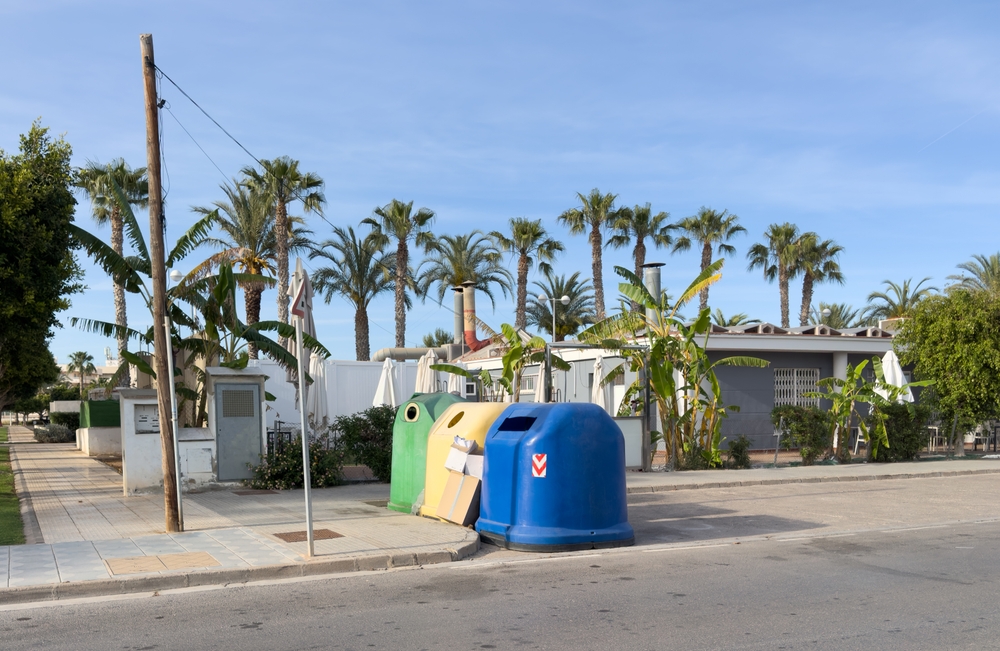
Introduction to Waste Management in Costa Blanca
The Costa Blanca, a breathtaking region on the southeastern coast of Spain, is celebrated for its picturesque landscapes, sun-drenched beaches, and vibrant expat communities. However, alongside the rapid development and influx of visitors, waste management—or "afval," as the Dutch say—has become an increasingly significant topic. Understanding how waste disposal works, the local regulations, and environmental initiatives is crucial for both residents and property owners. This comprehensive guide will unravel every aspect of waste management in the Costa Blanca, offering clarity, practical tips, and a deep dive into the region’s policies and practices.
The Structure of Waste Collection in Costa Blanca
Efficient waste management is a cornerstone of public health and environmental stewardship. In the Costa Blanca, the responsibility for organizing and enforcing waste collection lies primarily with the local municipalities, known as ayuntamientos. The processes may differ slightly from town to town, but certain structures and guidelines remain consistent across the region.
- Regular Collection Schedules: Most urban neighborhoods benefit from routine household refuse collection, often multiple times per week.
- Specialized Recycling: Distinct bins for glass, paper/cardboard, and plastics/metals are provided, typically color-coded for clarity.
- Collection Points (Puntos Limpios): Dedicated clean points support the disposal of bulkier items and hazardous materials.
- Municipal Coordination: Town halls address special waste removal needs, illegal dumping, and the implementation of localized recycling initiatives.
The effectiveness of waste management hinges on public cooperation, local enforcement, and ongoing educational campaigns designed to foster environmental consciousness.
Types of Household Waste and Their Disposal
Household waste in the Costa Blanca can be broadly categorized into several streams, each requiring specific handling and disposal protocols. Understanding these categories is essential for adhering to local regulations and minimizing environmental impact.
- Organic Waste: Kitchen scraps, food leftovers, coffee grounds, and garden trimmings fall into this category. Many municipalities provide brown bins for these materials, which are later composted or subjected to bio-recycling.
- Paper and Cardboard: Newspapers, packaging, and paper products are collected in blue bins. Cardboard boxes should be flattened before disposal to maximize bin capacity.
- Glass: Bottles and jars, excluding ceramic or porcelain, are deposited in green bins or bell-shaped containers located throughout neighborhoods.
- Plastics and Metals: Yellow bins accept plastic containers, aluminum cans, and tin containers. Items should be rinsed to avoid contamination of recyclables.
- General Waste: Non-recyclable domestic refuse, such as broken ceramics or sanitary products, go into designated grey or black bins.
- Special Waste: Items like batteries, small electronics, lightbulbs, and medications must be brought to specific collection points or pharmacies equipped for safe handling.
Proper segregation is vital to maintain the integrity of the recycling chain and support the overall efficiency of waste processing facilities.
Municipal Responsibilities and Resident Duties
Local governments in the Costa Blanca, acting through the ayuntamiento, play a central role in waste management policy and enforcement. Their responsibilities encompass the organization of waste collection, management of disposal sites, educational outreach, and regulatory oversight.
Municipal Obligations
- Providing Collection Infrastructure: The placement and maintenance of sufficient roadside bins, recycling facilities, and collection points for large or hazardous items.
- Regulation and Fines: Enforcing penalties for illegal dumping, improper segregation, or misuse of public bins, aimed at deterring environmental infractions.
- Awareness Campaigns: Organizing workshops, distributing information leaflets, and leveraging social media to promote best practices among residents and tourists.
Resident Responsibilities
- Following established collection days and bin usage protocols.
- Ensuring proper sorting and cleaning of recyclable materials.
- Reporting illegal dumping or overflowing public bins to the relevant authorities.
- Utilizing community resources, such as puntos limpios, for materials not suited to regular household collection.
Collaborative engagement between municipalities and residents underpins the region’s impressive record of urban cleanliness and environmental care.
Recycling: Systems, Benefits, and Challenges
Recycling is at the heart of sustainable waste management in the Costa Blanca. The region makes significant investments in recycling infrastructure, educational efforts, and technological innovation. Nevertheless, challenges such as contamination, fluctuating material markets, and public participation persist.
Recycling Systems in Practice
- Color-Coded Bin System: Households and businesses use clearly marked bins for different recyclables, aligned with the national Spanish standards for waste colour coding.
- Collection Points: Villages and towns establish centralized recycling centers that accept larger items, electronics, paint, and other "difficult" wastes.
- Composting Facilities: Increasing adoption of municipal composting programs transforms organic waste into nutrient-rich fertilizer, supporting local agriculture.
Environmental and Economic Benefits
- Reduced landfill burden and associated pollution
- Resource recovery for use in new materials
- Lowering greenhouse gas emissions compared with waste incineration or landfill
- Career and economic development within the circular economy sector
Key Challenges
- Contamination of Recyclables: Incorrect sorting or residual food waste can compromise entire batches of recyclables, leading them to landfill instead.
- Public Awareness: Newcomers and seasonal residents may lack familiarity with Spanish recycling protocols and need extra guidance.
- Volatility of Recycled Materials Market: Local governments sometimes face difficulties selling recycled materials when international market prices fall.
Addressing these challenges requires ongoing investment in infrastructure, robust public communication, and a commitment to modernization.
Puntos Limpios: Essential for Responsible Waste Disposal
Not everything fits neatly into household waste streams; this is where Puntos Limpios—dedicated clean points—become indispensable. These facilities offer a structured solution for disposing of large, hazardous, or unconventional items.
What Can Be Taken to a Punto Limpio?
- Furniture and mattresses
- Household appliances and electronics
- Garden debris and construction materials
- Batteries, paint, solvents, and chemicals
- Lightbulbs, toner cartridges, ink
Municipalities typically provide information online or at town halls regarding opening times and accepted materials. These sites are fundamental to preventing illegal dumping and protecting local beauty spots.
Who Can Use Puntos Limpios?
Access is generally granted to residents, homeowners, and occasionally businesses with small volumes of waste. Proof of residency may be required for entry. Some municipalities prohibit commercial or industrial waste, ensuring these centers remain available for household and community use.
Dealing With Hazardous and Electronic Waste
Improper disposal of hazardous materials—such as paints, oils, batteries, or small electronics—poses threats to both public health and regional ecosystems. Costa Blanca’s waste system includes robust solutions for these problematic items.
- Batteries and Small Electronics: Collection containers located in supermarkets, electronics stores, and at puntos limpios safeguard the environment from heavy metal contamination.
- Fluorescent Tubes and Lightbulbs: Many collection points and certain hardware stores accept used bulbs, facilitating their safe processing and recycling.
- Medications: Pharmacies participate in the SIGRE program, providing drop-off points for expired or unused pharmaceuticals.
- Oils and Paints: Specialized disposal facilities handle these substances safely, neutralizing harmful chemical components.
Residents are encouraged to educate themselves on the closest dedicated disposal points and never deposit hazardous items in general waste streams.
Seasonal Considerations: Waste Management During Tourist Peaks
The Costa Blanca’s population fluctuates dramatically with the arrival of tourists and seasonal residents, placing seasonal stress on municipal waste systems. Local authorities adopt several strategies to cope with this increase:
- Increased Collection Frequency: Additional pickup routes are scheduled during holidays and summer months.
- Temporary Collection Points: Towns install extra bins in high-traffic areas such as beachfronts, promenades, and event venues.
- Public Information Drives: Bilingual campaigns ensure visitors are aware of proper waste disposal procedures.
- Rapid Response Teams: Specially tasked crews respond to illegal dumping, litter, and overflow during peak times.
Proactive management helps sustain Costa Blanca’s reputation for pristine beaches and well-kept urban environments despite surges in visitors.
Illegal Dumping: Enforcement and Prevention
While the majority of Costa Blanca’s residents and visitors act responsibly, incidents of illegal dumping (vertido ilegal) still occur—particularly in more remote or undeveloped areas. Such practices can lead to devastating consequences for wildlife, water sources, and the region’s natural beauty.
Municipal Action Against Illegal Dumping
- Signposted penalties and fines, often with substantial financial repercussions
- Use of surveillance cameras or patrols in frequently affected areas
- Public reporting hotlines for swift incident response
- Large-scale cleanup initiatives involving volunteers and community organizations
Prevention Is Key
- Education campaigns about the environmental costs of dumping
- Accessible puntos limpios and flexible collection options for bulky items
- Visible enforcement actions to serve as a deterrent
A combination of timely intervention, community engagement, and steady fines has helped the Costa Blanca maintain high environmental standards despite ongoing population growth and development.
Community Initiatives and Environmental Education
Building a sustainable future for Costa Blanca relies not only on regulation but also on fostering a culture of collective responsibility through community initiatives and education.
Community-Driven Projects
- Beach and Park Clean-Ups: Organized volunteer events attract both residents and tourists, strengthening social bonds and raising environmental awareness.
- School Programs: Curricula encourage waste reduction, recycling habits, and knowledge of local flora and fauna.
- Neighborhood Watch: Citizen groups monitor areas prone to illegal dumping and support local authorities in maintaining cleanliness.
- Zero Waste Initiatives: Local businesses and restaurants pilot plastic-free days, composting trials, or deposit systems for reusable containers.
Impact of Environmental Education
From early childhood through adulthood, constant environmental education has been shown to foster positive long-term behavioral changes and cultivate an enduring sense of stewardship for the region’s resources and landscapes.
Waste Reduction at Home and for Property Owners
The best form of waste management begins with prevention. Both permanent residents and property investors in the Costa Blanca can take several measures to limit waste generation, reduce costs, and contribute to the wider sustainability effort.
Practical Steps for Individuals
- Choosing products with minimal or recyclable packaging
- Adopting reusable bags, water bottles, and containers
- Composting kitchen and garden waste
- Repairing or repurposing household goods
- Giving unwanted items to charity before considering disposal
Tips for Holiday Homeowners and Rental Hosts
- Clearly label waste and recycling bins for guests in multiple languages
- Provide guides or handouts explaining local collection schedules and disposal options
- Encourage guests to shop locally and minimize single-use plastics
- Arrange periodic collection for garden waste or bulky refuse during turnover periods
Small, consistent actions at the property level can compound into remarkable community-wide benefits, supporting a cleaner and more desirable Costa Blanca.
Managing Construction and Garden Waste Responsibly
With high rates of renovation, landscaping, and new construction, disposal of rubble (escombros) and green waste is a notable concern in Costa Blanca communities.
Legal Requirements for Builders and DIY Projects
- All construction and demolition waste must be disposed of at authorized facilities—dumping in public areas or open lands is strictly prohibited.
- For significant projects, permits and waste management plans may be required by the local ayuntamiento before work begins.
- Many waste disposal companies offer skip (container) rental, including delivery, collection, and proper processing of construction debris.
Garden Waste Management
- Mature clippings, branches, and grass should be composted or brought to the nearest green waste facility.
- Burning garden waste is generally discouraged or banned due to fire risk and air quality regulations.
- Municipalities often organize periodic curbside collection of large garden waste—check with your local office for dates and requirements.
Adhering to best practices ensures the continued visual appeal and safety of Costa Blanca’s urban and rural living spaces.
Frequently Asked Questions (FAQ) on Waste Management in Costa Blanca
What Happens If I Separate My Waste Incorrectly?
While minor errors are generally tolerated, repeated cases of improper sorting can result in contamination fines, rejection of bin contents (leaving bins uncollected), or warnings from municipal officials. Residents are encouraged to familiarize themselves with local sorting rules or consult educational resources provided by their ayuntamiento.
How Do I Dispose of Large Household Items?
Many towns offer periodic "bulky waste" collection days—residents register with the municipal office or leave items curbside as instructed. Alternatively, large items can always be left at puntos limpios during opening hours.
When Are Collection Days in My Area?
Collection schedules may vary by town and even by neighborhood. Typically, this information is available on the municipal website, via printed calendars, or directly from the local town hall.
What Should I Do With Garden Waste?
Garden waste should be composted if possible or delivered to designated green waste collection points. Burning is not allowed in most urban and peri-urban zones due to safety regulations.
How Are Waste Management Costs Funded?
Waste management is primarily financed through municipal taxes (the Impuesto de Basuras), occasionally supplemented by collection fees for special or commercial waste types. This system ensures equitable contribution and stable funding for essential services.
Is Illegal Dumping a Problem?
Though relatively rare in well-maintained areas, illegal dumping remains an issue in remote locations. Municipalities impose fines and actively engage in prevention and cleanup measures, with public participation critical to reporting and deterring violations.
Are There Initiatives to Reduce Plastic Use?
Yes, several towns and local businesses are introducing plastic reduction campaigns, including banning certain single-use plastics, promoting reusable alternatives, and offering refill programs for household staples.
Can Tourists or Non-Residents Use Puntos Limpios?
Access policies vary: most puntos limpios require proof of local residence, though short-term residents or holidaymakers may be permitted on a discretionary basis. Contact your local town hall for guidance.
What About Medical or Hazardous Waste?
Residents should use pharmacies for medicine returns and specific collection points for items such as batteries, electronics, paint, or chemicals. Never dispose of these in regular bins.
Are Composting Programs Available?
While not ubiquitous, municipal composting is expanding throughout the Costa Blanca. Interested residents may request a bin or enroll in pilot schemes; check with your ayuntamiento for participation details.
Future Developments and Innovations in Costa Blanca Waste Management
Costa Blanca’s commitment to environmental excellence drives ongoing investment in new technologies and community initiatives. This forward-looking approach ensures the region remains a model for sustainable living in Spain.
Digital Tools and Collection Optimization
- Smart Bins: Trials of sensor-equipped collection points improve efficiency by notifying authorities when bins are full.
- Mobile Apps: Emerging digital platforms allow residents to report issues, view collection calendars, or receive notifications on special collections.
Embracing the Circular Economy
- Eco-Parks: Multi-functional recycling centers foster reuse, repair, and upcycling, reducing material demand and landfill reliance.
- Public-Private Partnerships: Collaborations with industry accelerate the adoption of biodegradable packaging and support green technology startups.
Climate Adaptation and Urban Resilience
- Designing collection routes and facility locations to withstand extreme weather events—critical in the context of changing climate patterns.
Focus on Biowaste and Composting
- Scaling up municipal composting operations to cut methane emissions and enrich local agriculture.
- Promoting home composting through the distribution of subsidized bins and free educational materials.
These continuous improvements underline the Costa Blanca’s leadership in environmentally sound living, ensuring a high quality of life for all who call the region home.
Conclusion: The Costa Blanca Model for Sustainable Waste Handling
Effective waste management in the Costa Blanca is a shared endeavor, intertwining modern municipal services, vigilant enforcement, and proactive community involvement. From resident responsibilities regarding daily recycling to advanced innovations in circular economy infrastructure, the region exemplifies what is possible when sustainability is prioritized.
Whether you are a resident, homeowner, or visitor, your involvement shapes a lasting legacy for one of Spain’s most beautiful regions. By understanding local sorting systems, participating in clean-up initiatives, and supporting ongoing municipal efforts, everyone contributes to the enduring allure and health of the Costa Blanca.
Through public engagement, legal frameworks, or personal choices within each home, the future of waste management in the Costa Blanca remains bright and progressive—safeguarding the community, the coastline, and the environment for generations to come.