





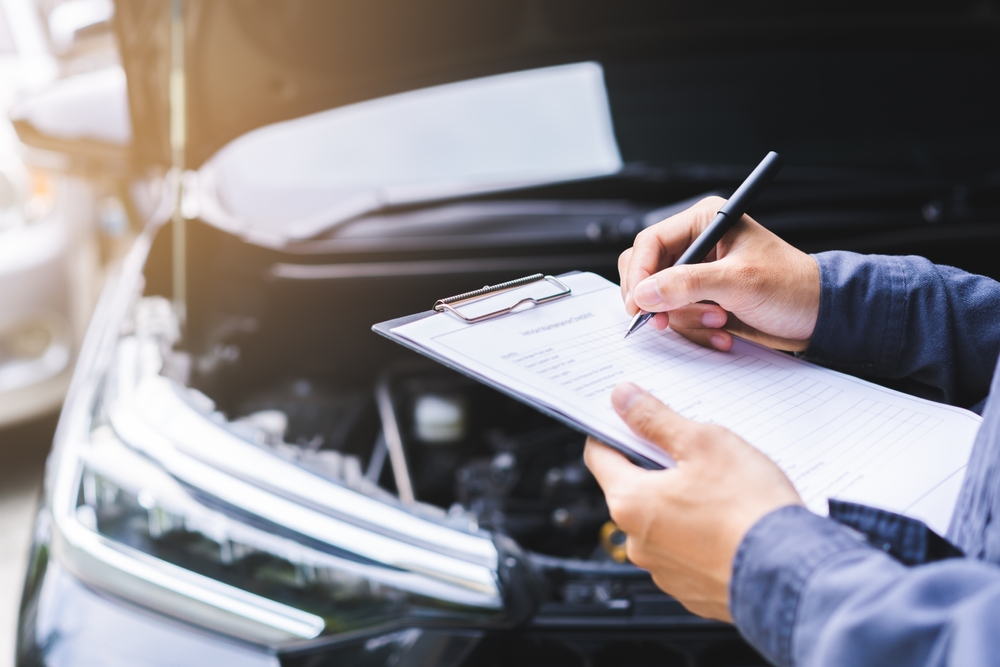
Understanding APK in Spain: What Is Vehicle Inspection (Autokeuring)?
Purchasing, owning, or operating a vehicle in Spain requires a comprehensive understanding of the country’s legal and regulatory framework concerning vehicles. One pivotal requirement is the periodic vehicle inspection, known locally as the “Inspección Técnica de Vehículos” (ITV) – often compared in concept to the APK, which is familiar to those from the Netherlands. This extensive article explores every aspect of vehicle inspections (APK/autokeuring) in Spain, offering in-depth knowledge and guidance to ensure your vehicle remains compliant, safe, and roadworthy.
The Concept of APK/Autokeuring in Spain
The APK (Algemene Periodieke Keuring), familiar to many Dutch-speaking residents and expats, is a periodic vehicle inspection that checks roadworthiness and environmental standards. In Spain, this process is called the ITV – but the principles, importance, and procedures closely parallel those of the APK. Understanding both the similarities and differences is essential for anyone living in or relocating to Spain, particularly if you bring a foreign-registered vehicle or plan to buy a car locally.
What Does ITV Stand For?
ITV, short for “Inspección Técnica de Vehículos,” translates directly as Technical Vehicle Inspection. Required by Spanish law, ITV ensures that all vehicles on Spanish roads meet both safety and environmental standards. Much like APK in the Netherlands or the MOT in the UK, the ITV is not merely bureaucratic – it is a core element of road safety policy.
APK vs. ITV: A Brief Comparison
- APK (Netherlands): Mandatory annual inspection for vehicles over a certain age.
- ITV (Spain): Similar mandatory inspection, regulated by Spanish national and regional governments.
Both inspections cover critical areas such as braking systems, lighting, emissions, and vehicle structure. While procedures are comparable, the Spanish ITV operates under Spanish law with unique local rules, intervals, and accepted documentation.
Legal Foundation and Purpose of ITV in Spain
The Spanish ITV regime stems from national traffic safety legislation, with its roots in the European Union's approach to standardized vehicle inspections. Its main purposes and legal foundations include:
- Ensuring that all vehicles are safe to operate for both occupants and other road users.
- Monitoring and controlling emissions and environmental impact.
- Detecting potentially hazardous modifications or wear that could affect performance.
- Fulfilling requirements for vehicle registration, insurance, and road tax compliance.
Who Is Legally Required to Undergo ITV?
ITV is mandatory for all vehicles registered in Spain, including:
- Passenger cars and SUVs
- Motorcycles and scooters
- Vans and light commercial vehicles
- Heavy goods vehicles (HGVs)
- Trailers and caravans
- Special vehicles (agricultural, construction, etc.)
Exemptions are extremely limited, generally applying only to new vehicles within their first years of life or military vehicles under separate regulation.
When Is ITV Required? Inspection Intervals by Vehicle Type
One of the most crucial factors in remaining compliant is timing: conducting ITV at the proper intervals. These intervals are determined by Spanish law and are strictly enforced.
Inspection Frequency for Cars and Light Vehicles
- Brand-new vehicles: No inspection required for the first four years from the date of first registration.
- Four to ten years old: Biennial (every two years) ITV inspection is mandatory.
- Over ten years old: Annual ITV inspection required.
Inspection Intervals for Other Vehicles
- Motorcycles & Mopeds: First four years exempt, then every two years.
- Commercial vehicles (under 3,500 kg): Annual inspection after two years; every six months after 10 years.
- Heavy vehicles (over 3,500 kg): Annual from the start, every six months after 10 years.
- Trailers and Caravans: Four years exempt, then biennial checks.
Missing an ITV deadline can lead to serious consequences—including fines, impoundment, and invalidation of your vehicle insurance. It is therefore crucial to know your schedule and plan in advance.
The Official ITV Inspection: What to Expect
Preparation is key to a successful contact with the Spanish ITV system. Understanding the steps, documents, and procedures involved can save you considerable time and stress. Below, we break down the inspection process, the documentation you need, and the main aspects being checked by inspectors.
Required Documentation for ITV
- Permiso de circulación (Spanish registration certificate)
- Ficha técnica (Technical card with vehicle specs and past ITV results)
- Current insurance certificate or policy proof
- Payment proof for the ITV fee
- Personal identification (usually DNI, NIE, or passport)
If you do not have the complete set of original documents (not copies), you may be turned away or receive an “unfavorable” result.
ITV Testing Points: What’s Checked?
During your session at an ITV station, inspectors assess the following areas in detail:
- Identification and documentation: Matching VIN/chassis number, plates, and registration details.
- Body and structure: Absence of rust, dangerous damage, or illegal modifications; integrity of mirrors, bumpers, and windows.
- Lighting & signaling: Full check of all lights, indicators, reflectors, fog lamps, brake lights, and hazard warnings.
- Braking system: Function, balance, and effectiveness.
- Suspension and steering: Assessing shocks, tie rods, power steering leaks, and alignment.
- Tires and wheels: Tread depth, wear pattern, correct sizing, and absence of dangerous bulges or damage.
- Emissions: Using gas analyzers to check compliance with legal pollution limits (especially important for diesel and older petrol cars).
- Noise levels: Ensuring vehicle isn’t creating excessive noise pollution.
- Seat belts and safety equipment: Functionality, seat anchorage, airbags if present.
- Miscellaneous: Windshield wipers, washers, horn, doors and locks, ventilation, heating systems.
Inspection Outcomes: Pass, Conditional, or Fail
After the inspection, the vehicle is classified as:
- Favorable (Favorable): Passed – a new ITV sticker is placed on your windshield, valid until the next required inspection.
- Unfavorable (Desfavorable): Failed – significant faults detected; vehicle cannot be driven on public roads except to a repair shop.
- Negative (Negativa): Severe defects – vehicle cannot be moved, even for repair, except by tow truck.
- Conditional (Condicionada): Minor defects – you must repair the issues within a set timeframe, usually within 2 months.
If you receive “Desfavorable” or “Negativa,” your vehicle must not be used (except for going to a garage or ITV re-test, as appropriate) until the necessary repairs have been made and another inspection passed.
Preparing Your Vehicle for the Spanish ITV
A little preparation can make your ITV experience smooth and successful. The process is thorough, and inspectors have a duty to apply the regulations strictly; failing due to a simple, easily fixable issue costs time and money. Here are some proven strategies:
Essential Pre-Inspection Checklist
- Exterior Wash: A clean vehicle makes it easier for inspectors to check for rust or damage, and it gives a better impression.
- Check All Lights: Ensure that every bulb works, including brake lights, indicators, reverse, and number plate lights.
- Tires: Examine for wear, correct pressure, and ensure matching types on each axle. The tread depth should be at least 1.6 mm.
- Fluid Levels: Top up oil, coolant, brake fluid, and washer reservoir.
- Windscreen Wipers and Washers: Replace faulty wipers and check washer jets spray correctly.
- Brakes: Test pedal firmness, parking brake, and absence of unusual noises.
- Steering: No excessive free play or abnormal noises when turning.
- Mirrors & Seat Belts: All must be secure and undamaged.
- Safety Equipment: If your car is required to have a warning triangle, spare bulb kit, or reflective vest, check they are present.
- Documentation: Place all required paperwork in a folder and double-check its currency and completeness.
Consider a pre-ITV check at your local garage or mechanic, especially if your vehicle is older or has not been serviced recently.
The Day of the ITV Inspection
- Arrive at your chosen ITV station on time (with your appointment, if required).
- Follow on-site directions for parking and registration.
- Present your documents at the reception or counter.
- Wait for your turn; a technician will call or signal you when ready.
- During the inspection, you may be asked to operate basic controls (lights, wipers, brakes, steering) when instructed.
- Afterwards, wait for the result and receive your ITV sticker if you pass.
Special Cases: ITV for Foreign-Registered Vehicles
If you are bringing a foreign-registered car or planning to switch its registration to Spanish plates, you must follow an adapted ITV procedure (“ITV de importacion”). This is an area where differences from the familiar Dutch APK process may be most pronounced.
The ITV Importation Process
This special inspection is more detailed than the standard periodic check and is usually required before a foreign vehicle can be registered in Spain. It includes:
- Confirmation that the vehicle meets Spanish standards, especially regarding lights, speedometer units, and emissions.
- Verification of original homologation papers or a European Certificate of Conformity (CoC).
- Assessment of any aftermarket modifications or non-standard fittings.
- Inspection of the vehicle’s compliance with Spanish-specific regulations (for example, the requirement for yellow rear indicators vs. red in other countries).
Documentation for Import and Registration
- Foreign registration certificate (with official translation if not in Spanish)
- Proof of purchase (invoice or sales contract)
- European Certificate of Conformity (CoC) or homologation certificate
- Passport, NIE, or residency identification
- Tax and customs receipts (if applicable)
Import inspections are more rigorous; any deviation from Spanish rules (lights, tire sizes, emissions settings, seat belt type) may require adjustment before approval. Seek expert assistance or consult a professional advisor if unsure.
Regional Differences in the Spanish ITV System
While the Spanish ITV vehicle inspection regime is nationally mandated, its application and detail can vary by autonomous community. Understanding these regional distinctions ensures you remain compliant at your place of residence or travel.
Variation in Inspection Centers
- Andalusia, Catalonia, Valencia: Well-developed ITV station network, often requiring online appointments due to high demand.
- Madrid and Basque Country: Some stations offer service in other languages (notably Basque in the north).
- Remote or rural regions: Mobile ITV units may visit smaller towns on scheduled days; check local government bulletins for itineraries.
Regional Rules and Fees
- The basic inspection procedure is national, but fees can differ considerably from one region to another.
- Certain regions apply supplementary checks (especially for emissions), reflecting local environmental priorities.
- Service language options may vary; some regions offer service in English, French, or German due to significant expat populations.
It is always advisable to consult your nearest ITV station or the regional traffic authority for up-to-date procedures and appointment booking systems.
The ITV Sticker: Proof of Compliance
Upon passing your ITV, you will receive a small, color-coded sticker (la pegatina ITV) to be displayed on the inside upper-right of the windshield. This sticker is not decorative; it is your immediate evidence of compliance with Spanish law.
How to Read the ITV Sticker
- Color changes each year to prevent forgery/fraud.
- Displays the year and month up to which the inspection is valid.
- Police and traffic wardens routinely check stickers for validity; driving without a current sticker is an instant fine.
Replacement and Loss of Sticker
- If your sticker is lost or damaged, you must request a duplicate from your ITV station with your documentation and proof of passing.
- Do not attempt to drive or park on public roads without a visible, up-to-date sticker.
Failure to display a valid sticker may carry fines in excess of €100, and in some cases, the police may restrict your vehicle’s use until you rectify the situation.
Common Reasons for ITV Failure – And How to Avoid Them
Many vehicles fail their ITV inspection for minor, easily preventable reasons. Preventing failure by addressing common technical faults is both cost-effective and stress-reducing. Among the most frequent causes:
- Lighting issues: Blown bulbs, incorrect color/intensity, fogged or broken lenses.
- Tire problems: Insufficient tread, uneven wear, incorrect sizes, damaged sidewalls.
- Braking defects: Imbalanced or inefficient brakes, excessive pedal travel.
- Steering and suspension faults: Play in joints, leaks, worn shock absorbers.
- Body and mirrors: Broken mirrors, sharp-edged dents, badly repaired rust.
- Emission failures: High CO, NOx, or particulates – often due to poor maintenance, worn catalytic converters, or diesel particulate filters.
- Documentation errors: Outdated paperwork, mismatched VIN numbers, or missing insurance.
Tips for a Trouble-Free ITV
- Regular servicing as per manufacturer’s guidelines.
- Quickly address dashboard warning lights (engine, ABS, airbag).
- Stay on top of tire replacement and balancing.
- Have a mechanic check exhaust and emissions, especially for diesel and older petrol engines.
- Ensure that any modifications done to your vehicle comply with Spanish homologation standards and are recorded by a licensed engineer or ITV center.
Forethought and regular upkeep are your best allies; don’t leave your ITV preparation to the last minute.
Implications of Driving Without Valid ITV
Driving a vehicle with an expired, failed, or missing ITV may seem tempting, especially if you are unaware of the inspection date or awaiting an appointment. However, the risks go far beyond a minor fine. Spanish law takes non-compliance very seriously due to the potential implications for road safety and the environment.
Risks and Consequences
- Automated checks: Speed cameras, parking enforcement, and police patrols use license plate databases to identify vehicles lacking a valid ITV.
- Immediate fines: Fines range from €200 up to €500 depending on severity (expired, failed, or not presented at all).
- Vehicle immobilization: Police can order your vehicle to be towed or impounded on the spot if a serious fail or expired ITV is detected.
- Insurance invalidation: An accident or claim involving a vehicle without a valid ITV may result in denial of coverage by your insurance provider, exposing you to substantial personal liability.
- Registration blocks: You cannot legally sell, transfer, or re-register your vehicle with an outstanding ITV fail or expired inspection.
- Rental cars: Strictly forbidden to rent a car with an expired or failed ITV – companies face heavy fines and potential loss of license.
ITV for Newcomers and Expatriates in Spain
Many foreigners bring their own vehicles into Spain or purchase vehicles locally. Ensuring proper ITV compliance can be daunting, especially with differing procedures from home countries. For newcomers, here is essential advice:
Navigating Language Barriers
- Some ITV stations employ English- or French-speaking staff, especially in tourist regions and where foreign residents are numerous.
- Consider hiring a translator or “gestor” (administrative agent) if you are not confident in Spanish.
- Technical terms—names for specific car parts or documents—can differ; familiarize yourself in advance or use a bilingual automotive glossary.
Registering a Foreign Vehicle
Before your vehicle can be re-registered with Spanish plates, it must pass the “import ITV” as outlined earlier. Be prepared to change headlight units, fit devices to meet Spanish standards (such as speedometer conversion), and supply a European Certificate of Conformity.
Buying a Car in Spain: ITV Considerations
Always check the current ITV validity and any past inspection records when purchasing a used vehicle. A car with a long-overdue or failed ITV may have hidden, costly issues. Ask the seller for the most recent “ficha técnica” and ITV certificate before purchase.
Environmental Focus: ITV and Emissions Regulation
Environmental standards are a significant and evolving part of the Spanish ITV process. The EU and Spanish governments have tightened requirements for emissions control to reduce pollution and meet sustainability targets. What does this mean for your vehicle?
Modern Emissions Testing
- Petrol Cars: Hydrocarbon (HC) and carbon monoxide (CO) levels checked, particularly for cars without catalytic converters.
- Diesel Vehicles: Opacity tests ensure particulate emissions are within legal limits, with special focus on newer models with DPF (Diesel Particulate Filter).
- OBD Diagnostics: For vehicles registered after 2006 (EURO IV standard), the ITV may include checking the On-Board Diagnostic (OBD) port for emission control system errors.
Electric and Hybrid Vehicles
- Less stringent in terms of emissions, but must still comply with all safety checks and documentation requirements.
- Battery integrity and high-voltage safety are increasingly under scrutiny.
Impacts for Classic Cars and Collectors
Vehicles older than 30 years may be registered as “vehículos históricos” (historic vehicles), with less frequent ITV requirements and some environmental exemptions, provided they are kept in original condition. However, modifications or excessive pollution may still be grounds for failure.
ITV and Road Tax, Registration, and Insurance
ITV status is inseparably linked with other fundamental aspects of vehicle ownership in Spain.
Link to Vehicle Tax (Impuesto de Circulación)
You cannot pay your annual “impuesto de circulación” (local road tax) if your vehicle has an overdue or failed inspection.
Insurance Dependency
Insurance companies require ITV compliance data and may refuse payouts—or even renewal—if inspection lapses are detected, especially in the case of accidents.
Registration Updates and Transfers
Transferring ownership, selling a vehicle, or updating registration details with the traffic authorities requires the presentation of a valid ITV certificate and an up-to-date sticker.
The Cost of ITV in Spain: Fees, Charges, and Payment
ITV inspection costs can vary significantly depending on location, type of vehicle, and type of inspection (periodic vs. import/new registration).
Key Factors Influencing ITV Cost
- Region/autonomous community
- Vehicle type (engine size, fuel, weight, commercial use)
- Inspection type (periodic routine, re-inspection after fail, importation, homologation of major modifications)
- Any required translations or documentary processing for foreign vehicles
Indicative Price Ranges (2024)
- Standard petrol passenger car: €30–€50
- Diesel car: €45–€70 (due to more complex emission checks)
- Motorcycle: €20–€30
- Commercial van (light): €65–€90
- Re-tests (for minor defects): Often discounted or free if within 2 weeks of failure
- Import/new registration checks: €90–€180+ depending on vehicle and region
Payment is usually collected immediately before or after the inspection appointment, with cash or debit/credit card accepted at most stations.
Innovations and Digitalization of the ITV System
Like many European regulatory systems, the Spanish ITV network is modernizing rapidly to offer improved owner experience and efficiency.
Online Appointment Booking
- Activated at most urban and regional locations, especially in larger cities and tourist areas.
- Allows owners to choose time slots, reducing wait times and crowding.
- You will receive digital confirmation, which should be presented at the ITV center on the day.
Digital Records and Databases
- The DGT (Spanish traffic directorate) maintains a central database where police, local authorities, and insurance companies can check ITV validity in real time.
- This digital linkage means “forgetting” an inspection is not a valid excuse—reminders and notifications are increasingly issued automatically.
Mobile ITV Units
- Available in rural or semi-rural areas, bringing inspection capability to smaller towns on a rotating schedule.
- Especially valuable for agricultural vehicles, motorhomes, and communities far from major ITV stations.
Modifications, Accessories, and ITV Homologation
Spain has strict rules about modifications to standard vehicles. Substantial changes to engine, suspension, bodywork, lights, or wheels may require “homologation” (official approval) before you can pass ITV.
What Requires Homologation?
- Non-original wheels (different diameter or width than manufacturer spec)
- Lowered or uprated suspension
- Engine swaps or substantial performance upgrades
- Body kits, non-OEM spoilers, or lights
- LPG or CNG conversion
The ITV Homologation Procedure
- Modification documented by a certified engineer (“ingeniero colegiado”).
- Issuing of a project and conformity report.
- Physical inspection at an ITV center to confirm safety and conformity to Spanish/EU law.
- Official update & annotation on the “ficha técnica.”
Failure to declare and homologate substantial modifications can result in immediate ITV refusal, fines, and prohibition from road use until rectified.
End-of-Life Vehicles and ITV: Deregistration and Recycling
At the end of a vehicle’s service life, proper deregistration and recycling is mandatory. An expired ITV does not exempt you from this process.
Deregistering a Vehicle (Baja Definitiva)
- Request deregistration at the DGT or your regional traffic office, accompanied by the vehicle’s full documentation.
- The vehicle must be delivered to an authorized scrap facility (“Centro Autorizado de Tratamiento”), where it will be processed and environmentally recycled.
- A certificate of destruction is issued, confirming that the vehicle will never return to Spanish roads.
Failing to deregister a scrapped vehicle leaves you liable for continuing road tax and ITV reminders, not to mention legal responsibility for any subsequent misuse.
Frequently Asked Questions (FAQs) on Spanish ITV/Autokeuring
Is the Spanish ITV recognized in other countries?
ITV compliance is recognized within Spain and, to a limited extent, within the EU for temporary stays or travel. However, repatriating a Spanish vehicle to another country for registration normally requires that country’s roadworthiness test.
Can I transfer an existing valid ITV from another EU country to Spain?
No. Even with a recent APK or TUV/MOT, Spain requires its own ITV import inspection before registering foreign vehicles.
How early can I present my vehicle for ITV renewal?
You may attend up to one month before the expiry date; your next renewal period is calculated from the original date, not the date you are inspected within this period.
What happens if I move to another region – is my ITV still valid?
Yes, the ITV is national. You can live, travel, and move to any region within Spain without re-inspection until your current ITV expires.
Can someone else take my vehicle for ITV?
Yes, as long as they bring all the required documents and identification. They do not need to be the owner.
What if I lose my ITV documentation?
Request copies at your local ITV station or the regional DGT office by presenting vehicle identification and proof of ownership.
Conclusion: ITV as Your Key to Safe, Legal Motoring in Spain
Understanding and complying with the Spanish ITV (autokeuring) system is essential not just for legal driving, but for your own safety, peace of mind, and resale value. The process may seem complex at first, especially for those migrating from countries with different standards and procedures, but it is ultimately designed to keep road users safe and the environment protected.
Being proactive, maintaining your vehicle, and respecting inspection deadlines will guarantee that your experience remains seamless and free of surprises. Should you encounter challenges—whether with documentation, technical compliance, or import procedures—turn to professionals and experienced advisors for support. The Spanish ITV (autokeuring) is not just about bureaucracy; it is a cornerstone of responsible, high-quality vehicle ownership in Spain.
Remember, staying informed, organized, and diligent about your periodic vehicle inspection (ITV) is a fundamental part of Spanish motoring life—one that will serve you well for years to come.