
Introduction: Dutch Dreams on the Costa Blanca
The allure of the Spanish Mediterranean coast has long attracted sun-seekers and expatriates from across Europe, with the Dutch community standing out as one of the most prominent. Among the diverse coastlines of Spain, the Costa Blanca—stretching for over 200 kilometers along the province of Alicante—has emerged as a favored destination for Dutch nationals looking to enjoy the mild climate, relaxed lifestyle, and picturesque surroundings. In this comprehensive analysis, we will delve deeply into the question: Waar wonen de meeste Nederlanders aan de Costa Blanca? (Where do most Dutch people live on the Costa Blanca?), uncovering the regions, towns, and residential enclaves where the Dutch community thrives. We'll explore the factors that have drawn so many to this stunning coastline, the dynamics of integration, economic life, real estate trends, social networks, cultural influence, and much more.
Understanding the Costa Blanca: Geography, Climate, and Lifestyle Appeal
Before delving into specific towns and concentrations of Dutch residents, it is essential to understand precisely what makes the Costa Blanca such an attractive destination, not only for holidaymakers but as a place to settle year-round.
Geographical Overview
The Costa Blanca, or "White Coast," lies within the province of Alicante in the autonomous community of Valencia. The coastline runs from the northern beach town of Denia, near the border with Valencia, to Pilar de la Horadada in the south, close to Murcia. This diverse coast features everything from long stretches of golden beaches and dramatic cliffs to picturesque fishing villages and modern resort towns.
Climate Considerations
One of the principal motivations for relocating, especially from the Netherlands, is the climate. The Costa Blanca enjoys a Mediterranean climate characterized by:
- Mild winters
- Long, hot, and sunny summers
- Low annual rainfall, particularly during summer
- Over 320 days of sunshine per year
Why the Costa Blanca Appeals to the Dutch
Several intertwined factors specifically attract Dutch nationals to this picturesque part of Spain:
- Accessibility: Costa Blanca is only 2–3 hours by direct flight from major Dutch airports, with Alicante and Valencia serving as the main international gateways.
- Cost of Living: Real estate prices, daily expenses, and general living costs are typically lower than in the Netherlands.
- Infrastructure for Foreigners: The region has a long tradition of welcoming international residents, with ample medical facilities, multilingual services, and international schools.
- Established Expat Communities: The presence of compatriots, clubs, and Dutch-speaking networks provides social security and shared experiences.
The Dutch Diaspora: A Historical Perspective
To fully grasp where and why the Dutch settle in the Costa Blanca, a brief historical context is illuminating. The Netherlands has a tradition of seeking opportunities abroad, but the trend towards sun-belt Mediterranean nations accelerated in the last three decades.
Evolution of Dutch Settlement in Spain
Initially, Dutch presence was seasonal, with retirees and holidaymakers forming the bulk of visitors. However, starting in the 1990s, improved travel connections, greater affluence, and globalization of property markets led to permanent curtailment. Today, Dutch citizens are visible not just as tourists but as year-round residents, entrepreneurs, and community leaders.
Demographics and Numbers
According to municipal and consular statistics, the Costa Blanca is host to tens of thousands of Dutch expatriates, varying by season. While official numbers registered with consulates may appear modest, actual figures are significantly higher due to part-time residents and those who maintain dual registration. The biggest surge has been in towns with already established Dutch enclaves—creating a self-reinforcing trend.
The Major Hubs: Dutch Population Centers along the Costa Blanca
While Dutch nationals can be found throughout virtually every town on the Costa Blanca, certain locations have emerged as clear favorites. Below we examine the key municipalities where the majority or highest concentration of Dutch people reside.
1. Altea: The Jewel of the Northern Costa Blanca
The whitewashed houses, cobbled old town, and iconic blue-domed church of Altea have captured the hearts of Dutch and other Northern European nationals alike. Altea offers a blend of authentic Spanish charm and cosmopolitan sophistication.
- Demographics: The proportion of international residents is over 40%, with Dutch forming a significant component.
- Residential Areas: Popular districts include Altea Hills, Mascarat, and the beachside promenade.
- Community Life: Several Dutch-run cafes, art galleries, and social clubs serve as meeting points for newcomers and long-term residents.
Dutch residents in Altea often cite the town's peaceful ambiance, thriving cultural life, and the stunning Sierra de Bernia backdrop as decisive factors for settling in this location.
2. Benidorm: From Beach Holiday Capital to Year-Round Dutch Enclave
Benidorm, with its dazzling skyline and lively beach culture, has evolved well beyond its reputation as a holiday resort. The city has developed substantial residential infrastructure and services designed to attract long-term international residents.
- Amenities: Dutch supermarkets, medical centers, and events are widely available.
- Population: Several thousand Dutch citizens call Benidorm home, especially during the winter months.
- Integration: The Dutch community here is well-integrated, with many involved in local business or volunteering projects.
3. Javea (Xàbia): Exquisite Coastal Living with a Dutch Touch
Javea, known for its turquoise coves and lush greenery, lies at the northeastern tip of the Costa Blanca. Over recent decades, it has gained a reputation as a favorite among Dutch families and retirees, thanks to:
- Its tranquil, upmarket neighborhoods
- Excellent international schools (with Dutch-language options)
- Year-round outdoor activities
4. Moraira: The Quiet Haven
Moraira is a small, picturesque village with a disproportionately high percentage of international residents, including a sizable Dutch population. The town is noted for its peaceful ambiance, excellent marina, and a focus on quality of life. Dutch-run property agencies, legal offices, and home-maintenance services can be found side by side with traditional Spanish shops.
5. Torrevieja: Diversity and Accessibility
At the southern edge of the Costa Blanca, Torrevieja is famed for its vast expanse of beaches, salt lakes, and vibrant multinational community.
- Demographics: Among the most cosmopolitan towns in the region, Dutch nationals coexist with British, German, Scandinavian, and Russian expatriates.
- Facilities: Dutch-language business networks, churches, and sports clubs abound.
- Affordability: Real estate and rental markets here are approachable for every budget, a factor contributing to the large Dutch presence.
6. Denia: Gateway to the North
Located at the northern edge of the Costa Blanca, Denia appeals especially to Dutch nationals seeking a lively port town with year-round cultural events, a renowned gastronomy scene, and easy ferry connections to the Balearic Islands. The town’s dynamic blend of tradition and modernity, coupled with stunning natural parks, make it an enduring favorite.
Other Notable Dutch Communities Across the Costa Blanca
While the towns above represent the largest Dutch settlements by population, numerous other municipalities and urbanizations also have strong Dutch representation. Examples include:
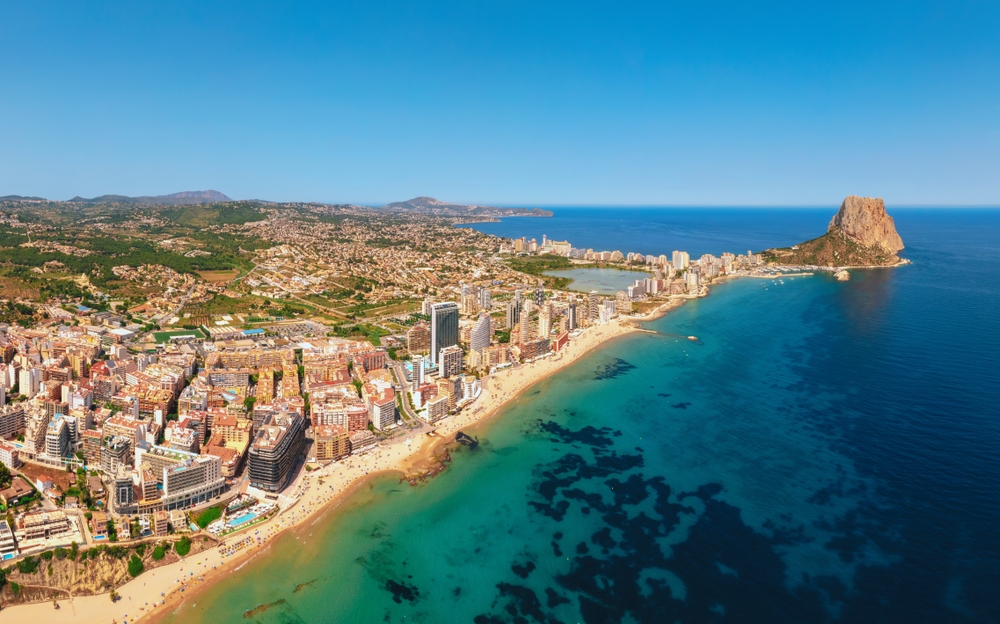
- Calpe: Known for its striking Peñón de Ifach rock, Calpe offers a range of high-rise apartments, villas, and suburban developments, with many Dutch property owners.
- Villajoyosa: This colorful fishing town, recently expanded with modern residential areas, is increasingly popular among Dutch families.
- Alicante City: As the region’s capital, the city hosts a cosmopolitan mix of nationalities, with the Dutch particularly prevalent in beachfront neighborhoods like San Juan.
- Benissa and Its Coast: The rural inland area and coastal urbanizations provide quieter alternatives for Dutch nationals seeking tranquility.
Factors Influencing Dutch Settlement Patterns
What determines where Dutch nationals choose to reside along the Costa Blanca? The decision is rarely random. Multiple practical and lifestyle considerations come into play, driving concentrations of Dutch residents into certain towns and neighborhoods.
Proximity to the Coast vs. Inland Options
While the majority of Dutch expatriates prefer to live as close to the coast as possible, drawn by sea views and beach access, a notable segment opt for the quieter hinterland. Rural areas like the Jalon Valley and Orba Valley are famous for their natural beauty, agricultural landscape, and unspoiled charm—appealing to Dutch families looking for space and authenticity.
Accessibility and Transportation
Easy access to international airports (Alicante and Valencia) is a key factor, especially for those who travel frequently between Spain and the Netherlands. Towns within an hour’s drive of these airports tend to have the highest Dutch concentrations.
Language and Community Infrastructure
The presence of Dutch-language services—schools, churches, healthcare providers, lawyers, and supermarkets—significantly influences the choice of location. Areas with established Dutch communities attract further settlement thanks to this critical support network.
Property Availability and Price Dynamics
The Costa Blanca offers an exceptional variety of housing options—from sea-view penthouses and modern apartments to rustic farmhouses and luxury villas with pools. Dutch buyers often prioritize properties with outdoor space, swimming pools, and energy-efficient features. Price is a decisive factor, with certain areas like Torrevieja and Calpe offering more accessible entry points than upmarket towns such as Moraira or Javea.
Lifestyle and Recreation
Year-round outdoor activities—golf, tennis, cycling, walking, and water sports—are highly appealing. Municipalities that invest heavily in sports, wellness infrastructure, and cultural programming naturally attract a more dynamic international, including Dutch, demographic.
Integration and Social Fabric: The Dutch as Part of the Costa Blanca
Integration does not mean assimilation; it represents the blending of cultures and the establishment of vibrant, supportive networks within the broader community.
The Dutch Club Phenomenon
Multiple “Nederlandse Clubs” (Dutch clubs) operate in towns across the Costa Blanca. These organizations organize everything from holiday celebrations (such as Sinterklaas), language lessons, networking events, hobby groups, and charity activities. Examples of activities include:
- Weekly coffee mornings
- Excursions and cultural outings
- Partnering with local Spanish charities
Local Business and Entrepreneurship
Dutch nationals are highly visible as entrepreneurs and professionals in the Costa Blanca. Their contributions range from hospitality, real estate services, and retail to education, health & wellness, and digital consultancy. This entrepreneurial spirit enhances integration through job creation and the mutual enrichment of the local economy.
Cultural Fusion in Everyday Life
Dutch traditions have subtly influenced local culture—whether through food (think Dutch pancakes, licorice, and cheese in local markets), design (Scandinavian-inspired interiors in cafes and shops), or public celebrations of Dutch national days alongside Spanish fiestas.
Real Estate Trends among Dutch Buyers
The Costa Blanca property market is among the most dynamic in Europe, and Dutch property buyers play a major role. Their preferences, purchasing strategies, and long-term satisfaction are shaping both supply and demand.
Types of Properties Favored by Dutch Nationals
While variety is broad, Dutch buyers typically favor:
- Detached Villas: With gardens, pools, and privacy, ideal for families or retirees seeking peace and space.
- Modern Apartments: Close to amenities, beaches, and with secure communal facilities.
- Penthouses: Offering panoramic views and exclusive terraces.
- Traditional Fincas: For those looking to restore a slice of rural Spain with authenticity and character.
Location Preferences
Coastal proximity, walkability, safety, and views are top priorities. Towns like Javea, Moraira, and Altea remain on top for those seeking quality, while Torrevieja, Calpe, and Denia offer affordability and a vibrant social life.
Purchasing Process: A Dutch Perspective
Navigating the Spanish property market involves unique legal and financial processes. Dutch buyers are known for their thorough research, use of reputable solicitors, and a preference for mortgage transparency. The international sections of notary offices, legal advisors, and property specialists facilitate seamless transactions.
Education and Family Life for Dutch Residents
Family considerations are crucial for many Dutch families relocating to the Costa Blanca.
International and Dutch-Language Schools
A multitude of international schools cater to Dutch and other foreign children. These establishments offer bilingual curricula, the International Baccalaureate, and extras such as Dutch language and culture classes.
After-School Activities and Sports
Local sports clubs (hockey, football, tennis) have Dutch coaches and teams. Dutch parents often organize art, drama, and STEM clubs, contributing to both school and community life.
Healthcare and Childcare Facilities
The Costa Blanca is well-served by modern healthcare facilities, with Dutch-speaking professionals frequently on staff. Private hospitals offer Dutch-language service desks and translators, ensuring healthcare is never a barrier.
Healthcare and Senior Living: Meeting the Needs of Dutch Retirees
A significant portion of the Dutch population in the Costa Blanca is retirees. Their requirements for accessibility, healthcare, and leisure set the bar for community standards.
Medical Services
World-class public and private hospitals are equipped to accommodate international patients, with translators and specialists in geriatric care. Dutch insurance is commonly accepted, making the transition seamless.
Senior Residential Communities
Specialized communities designed for seniors offer independent living, onsite assistance, and luxury amenities. Dutch retirees often prefer units with wide terraces, adapted bathrooms, and easy access to beaches or town centers.
Wellness and Social Integration
Clubs organize excursions, language courses, and volunteer programs, creating a sense of purpose and engagement in retirement. Outdoor yoga, swimming classes, and group cycling are popular among Dutch seniors.
Recreational and Cultural Life: Dutch Flavor in the Costa Blanca
The vibrancy of Costa Blanca’s Dutch community is evident in its cultural output and recreational programming.
Festivals and Traditions
Dutch national celebrations (King's Day, Sinterklaas) are held in public squares and community centers. Bilingual theater groups stage performances, and Dutch DJs perform at local coastal clubs.
Gastronomy and Lifestyle
Dutch bakeries, cheese shops, and cafes dot the region. Annual Dutch food festivals introduce Spanish neighbors to traditional favorites, including erwtensoep, poffertjes, and stroopwafels.
Sports and Adventure
From cycling through the hills of Javea to sailing from Denia’s marina and participating in marathons and charity runs, recreational pursuits unite the community.
Economic Impact: How the Dutch Shape the Costa Blanca’s Economy
Dutch residents are not passive participants in the local economy; they are innovators, investors, and employers.
Business Creation
Restaurants, boutiques, real estate services, and management consultancies owned by Dutch nationals are fixtures in towns from Altea to Torrevieja. New fields such as web development, healthcare consultancy, and sustainable landscaping are also thriving.
Employment and Vocational Exchange
Dutch-run vocational schools, language academies, and training workshops benefit both the expat and local population—offering courses in hospitality, technology, and wellness care.
International Trade
Many Dutch residents maintain professional connections with the Netherlands, fostering import-export businesses, especially in agriculture, flowers, technology, and design.
Challenges and Opportunities for the Dutch Community
No expat journey is without its hurdles. The Dutch on the Costa Blanca face specific challenges, but these are offset by ample opportunities for adaptation and flourishing.
Language Barriers and Solutions
While English and Dutch are widely spoken in expat areas, integration with Spanish neighbors (and the local Valencian dialect) requires active learning. Many Dutch residents attend language classes and community exchange programs to bridge the gap.
Property and Residency Regulations
Though EU membership simplifies residence and property ownership for Dutch nationals, keeping abreast of changing tax laws, inheritance rules, and healthcare requirements is vital to enjoying life stress-free.
Maintaining Dutch Identity
Expatriates balance assimilation with the preservation of identity—by supporting Dutch-run schools, clubs, and cultural organizations, they ensure that future generations cherish their heritage.
Future Trends: The Evolving Dutch Presence on the Costa Blanca
The pattern of Dutch settlement continues to shift in response to global events, technological advancement, and generational change.
Remote Work and Younger Arrivals
The work-from-anywhere revolution is bringing a younger generation of Dutch professionals and families to the Costa Blanca. As remote work becomes mainstream, more are choosing to blend career and lifestyle by settling in Spain while maintaining professional ties to the Netherlands.
Urban vs. Rural Preferences
While traditional hubs like Javea and Altea remain strongholds, municipalities with faster internet infrastructure and growing cultural life attract a new cohort interested in creative and tech-driven industries.
Green Initiatives and Sustainability
Dutch nationals are often at the forefront of sustainability, investing in energy-efficient homes, organic agriculture projects, and environmental education—further enriching the Costa Blanca’s reputation as a healthy, future-oriented region.
Case Studies: Real Stories from Dutch Residents
To convey the real-life experience behind the statistics and trends, let's hear from Dutch residents about their motivations for choosing specific towns, their daily routines, and their adapted lifestyles.
Familie van de Velde in Moraira
“We arrived in Moraira five years ago, drawn by its quiet beauty and the safety for our three children. The international school, where Dutch is taught as an elective, helped our kids integrate quickly. We spend weekends at the beach or the tennis club, and every month enjoy a Dutch-themed dinner with neighbors. Our business—an interior design consultancy—attracts both Spanish and Dutch-speaking clientele, thanks to word of mouth in the local expat network.”
Jan en Petra in Torrevieja
“After retirement, we wanted somewhere accessible and lively, not too expensive. Torrevieja ticked all boxes: affordable bungalows, close to the sea, and a rich expat life. We love the Dutch bingo nights, frequent the local Dutch bakery weekly, and even volunteer helping new arrivals orient themselves.”
Lotte’s Digital Adventure in Altea
“After the pandemic, my tech company in Amsterdam shifted to fully remote work. I relocated to Altea, renting a penthouse with fast fiber internet and sea views. Mornings begin with a jog by the boulevard, and afternoons I work from home or a local co-working space. The Dutch community introduced me to hiking routes and organized a cycling club—I feel connected to both my roots and my new surroundings.”
A Guide for Prospective Dutch Settlers: Making the Move
For Dutch nationals considering a move to the Costa Blanca, thorough planning is essential. The following steps can transform a dream into a successful and enriching reality.
- Research Locations: Visit different towns, stay in local accommodations, and experience daily life before committing to a purchase or long-term rental.
- Consult Professionals: Use the expertise of established property specialists, legal advisors, and relocation consultants knowledgeable about Dutch requirements and local regulations.
- Network Early: Join online forums, social media groups, and local Dutch clubs to connect with residents and gather advice.
- Assess Education and Healthcare: Visit schools, clinics, and meet staff to ensure comfort with local provision.
- Plan Financial Matters: Compare Spanish and Dutch taxation, banking, and insurance. Arrange pension transfers and healthcare coverage ahead of time.
- Embrace Language Learning: Invest in language courses to ease integration and broaden opportunities for friendship and business.
- Engage with Community: Attend events, join clubs, and participate in volunteer activities to establish deep roots.
Conclusion: The Enduring Dutch Legacy on the Costa Blanca
The question of “Waar wonen de meeste Nederlanders aan de Costa Blanca?” opens a window into a tapestry of cross-cultural exchange, vibrant community life, and endless opportunities for personal and collective growth. Whether in picturesque old towns like Altea, bustling hubs like Benidorm or Torrevieja, or tranquil enclaves inland, the Dutch have left an indelible mark on the region—integrating into Spanish life while bringing their own unique flavor to the Mediterranean coast.
The Costa Blanca stands as a testament to the enduring appeal of sun, sea, and the renowned Spanish “buen vivir”—augmented by a proactive, resourceful, and sociable Dutch community. For today’s new arrivals and tomorrow’s generations, the region continues to offer the promise of a better life under the Spanish sun, supported by a network of compatriots and the vibrant multicultural society that makes the Costa Blanca truly special.
Frequently Asked Questions
-
Which towns have the highest Dutch population on the Costa Blanca?
Principal centers include Altea, Javea, Moraira, Benidorm, Torrevieja, and Denia, among others. -
What draws Dutch residents to the Costa Blanca above other Spanish regions?
Unmatched climate, affordable living, accessible healthcare, thriving Dutch networks, and abundant outdoor recreation are key factors. -
Is language a major barrier for Dutch people living in the Costa Blanca?
Dutch and English are widely spoken in expat communities, but learning Spanish and Valencian greatly enhances integration and opportunity. -
Are there Dutch schools and clubs in the Costa Blanca?
Yes. International schools often offer Dutch language classes, and numerous Dutch social clubs and cultural organizations are active across the region. -
How does the cost of property compare to the Netherlands?
Generally, property prices are lower than in the Netherlands, with options to suit every budget from affordable apartments to luxury villas.
Whether you are dreaming of sun-kissed retirement or seeking a vibrant community for your family, the Dutch legacy continues to flourish on the Costa Blanca—promising a rich, secure, and enjoyable Mediterranean life.