




Introduction to Paella: Spain’s Iconic Culinary Masterpiece
Paella stands as one of Spain’s most emblematic and celebrated dishes, recognized far beyond its national borders. Frequently evoking images of sun-drenched Spanish coastlines, vibrant festivals, and the enticing aroma of saffron, paella is much more than just a meal—it is a symbol of Spanish hospitality, local pride, and culinary tradition. But where does paella truly come from? What are its roots, and how did it evolve into the multifaceted delight beloved by so many today? This comprehensive guide will take a deep dive into the origins, cultural significance, and the intricate history of paella, answering the question: “Waar komt paella vandaan?” with the depth and detail it deserves.
The Geographic Birthplace: Valencia and Its Fertile Lands
To understand the origin of paella, one must first journey to the regions that cradled its birth. Valencia, a sunlit province on Spain’s eastern Mediterranean coast, is universally acknowledged as the cradle of this iconic dish. Blessed with a combination of rice-growing marshlands, access to the sea, and fertile farmlands, the environment of Valencia provided the ideal conditions for the development of unique culinary recipes centered around abundant local produce.
In the vast Albufera lagoon, located just south of the city of Valencia, rice cultivation took root as early as the 8th century, after the Moorish occupation brought advanced irrigation techniques and new crops to Spain. Breathable sea air combined with mineral-rich soils allowed rice paddies to flourish, thus becoming the foundation of local food traditions. It is upon this centuries-old backdrop that the story of paella begins—a culinary story inseparable from Valencia’s unique geography.
Historical Influences That Shaped Paella’s Roots
The history of paella is a fascinating tapestry, woven from diverse cultural threads that have shaped Spain over the centuries. Several societies, each with their cuisine and crops, passed through the Iberian Peninsula, leaving an indelible mark on the regional palate.
- Roman Influence: The Romans were responsible for introducing advanced irrigation systems and agricultural improvements, laying the groundwork for extensive farming in the area.
- Moorish Influence: The arrival of the Moors in the 8th century introduced key ingredients central to paella – rice, saffron, and a repertoire of spices. These elements, previously unknown to the region, transformed local dishes and established rice as a staple crop in Valencia.
- Medieval Transformations: Over the centuries, the intermingling of Christian, Muslim, and Jewish populations gave rise to a rich culinary melting pot, blending ingredients and cooking techniques that set the foundation for paella.
Paella’s development, then, was not the result of a single moment, but rather a gradual evolution shaped by cross-cultural exchanges and local agricultural bounty.
The Etymology of Paella: More than Just a Name
The word “paella” itself demands careful attention. Derived from the Old French word “paelle,” a corruption of the Latin “patella” meaning pan, paella refers not only to the dish but also to the wide, shallow pan in which it is traditionally cooked. The choice of pan is integral to the preparation, allowing liquid to evaporate quickly and ensuring each grain of rice is individually flavored and perfectly cooked.
It is not uncommon, particularly in Valencia, to refer to the dish simply as “arroz” (rice), with additional descriptors to indicate its style or main ingredients. However, as the popularity of paella spread beyond regional borders, the term became synonymous worldwide with both the pan and the dish itself.
Traditional Valenciana Paella: Authenticity Defined
Purists and loyalists from Valencia will be quick to assert that not all rice dishes are paella, and that “real” paella adheres to a set of time-honored ingredients and methods. The original preparation, paella Valenciana, is rooted in rural traditions and reflects the ingredients readily available in the local countryside.
Essential Ingredients of Traditional Valenciana Paella
- Rice (Arroz de Valencia): A short-grain rice, usually of the Bomba, Senia, or Albufera varieties, prized for their ability to absorb liquid while maintaining a firm texture.
- Meat: Chicken and rabbit are the traditional choices. In some versions, duck is also used, especially in the Albufera region.
- Vegetables: Green beans (judía verde), butter beans (garrofó), and sometimes artichokes (in winter).
- Tomato, Olive Oil, and Saffron: For depth of flavor and the characteristic golden hue.
- Occasional Additions: Snails (a delicacy in many rural Valencian recipes), and sprigs of rosemary for aromatic complexity.
It is crucial to note that Valencian paella remains, above all, a reflection of the land and the seasons. Home cooks and chefs alike would make the most of whatever was freshly harvested or at hand, making every paella a celebration of locality.
The Method: An Art Form Passed Through Generations
The process of cooking paella is as integral to its identity as any list of ingredients. Traditionally, paella is cooked outdoors over an open wood fire, using orange or pine wood. The unique aroma imparted by the burning wood contributes a subtle, distinctive smokiness to the dish.
- Preparation: All ingredients are meticulously prepared, meats are browned in the pan, vegetables are sautéed, and rice is added to absorb rich flavors.
- Addition of Liquids and Seasoning: Water or broth is poured in, along with saffron and a judicious hand of salt and pepper.
- Simmering: The heat is carefully controlled to ensure the rice cooks evenly. Stirring is typically discouraged after the liquid is added, encouraging the development of the coveted socarrat—the crispy, caramelized layer of rice at the bottom of the pan.
The communal nature of cooking paella, often as the centerpiece of family gatherings and festivals, fosters a spirit of togetherness and shared celebration.
The Evolution and Spread of Paella: Beyond its Valencian Roots
While paella Valenciana remains the gold standard, the dish did not remain static or confined to its birthplace. As economic and social changes spurred greater mobility within Spain throughout the 19th and 20th centuries, paella’s fame spread, catalyzing new interpretations and adaptations.
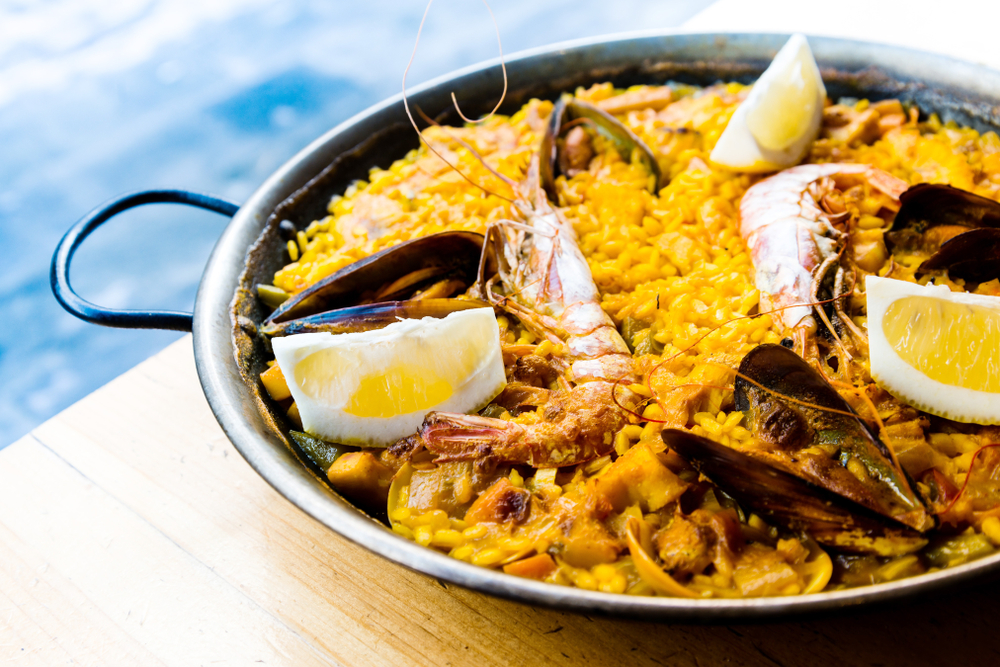
- Coastal Variations: Along Spain’s Mediterranean shoreline, abundant seafood gave rise to paella de mariscos—a luxurious combination of rice, shellfish, and fish.
- Mixed Paellas: The combination of land and sea—meats and seafood—found in some regions, while not considered authentically “Valencian,” quickly became a favorite among tourists and urban dwellers.
- Vegetarian Paellas: As preferences evolved, particularly in cosmopolitan centers like Barcelona and Madrid, plant-based versions highlighting local garden vegetables appeared, catering to a broadening range of tastes and dietary needs.
With each variation came new techniques, garnishes, and methods, further embedding paella within the fabric of Spanish culinary art, while maintaining its core as a rice-centered, community-oriented spectacle.
Societal and Cultural Significance in Spanish Life
Paella is more than the sum of its ingredients—it is a central feature of Spanish daily life, heritage, and identity. In Valencia, paella is traditionally enjoyed at midday, especially on Sundays and during local festivals. Preparing and sharing paella is customarily a collective act, fostering social bonds and family unity.
Paella and Spanish Celebrations
- Las Fallas: Valencia’s most famous festival sees entire communities gather outdoors to prepare colossal communal paellas, celebrating both local tradition and culinary artistry.
- Family Gatherings: Sunday paella lunches are a cherished institution, a time for families to come together and connect over a shared meal.
- Paella Competitions: Friendly contests abound in villages and towns, challenging cooks to produce the best and most authentic versions of paella, judged by flavor, appearance, and the ever-important socarrat.
Such traditions are a testament to paella’s enduring importance—not merely as sustenance, but as a vehicle for Spanish conviviality, hospitality, and pride.
Globalization and the Worldwide Fame of Paella
In the 20th and 21st centuries, increased international travel, media exposure, and Spain’s burgeoning tourism industry propelled paella to global renown. Its colorful appearance, distinctive flavor, and reputation as a sharing dish offered mass appeal, and the dish was quickly adopted and adapted by restaurants on every continent.
- International Adaptations: Chefs around the globe began experimenting with local ingredients—substituting saffron with turmeric, or rice varieties with what was available—resulting in a dazzling array of new paella styles.
- Cooking Demonstrations and Competitions: International festivals and paella championships have cemented its status as a gastronomical spectacle, attracting aficionados from around the world.
While purists may lament the proliferation of “inauthentic” paellas, the worldwide embrace of this dish is a testament to its broad appeal and adaptability—and its extraordinary journey from humble Valencian beginnings to global stardom.
The Role of Rice: The Heart of the Dish
Rice is both the centerpiece and soul of paella. The rice varieties cultivated in the wetlands of the Albufera are uniquely suited for paella—short-grained and highly absorbent, they soak up the flavors of broth and aromatics while retaining structure during cooking.
Key Rice Varieties for Authentic Paella
- Bomba: Considered the finest for paella, with remarkable liquid absorption and a propensity to remain al dente.
- Senia: Traditionally used in Valencia, it absorbs flavors deeply but can risk becoming mushy if overcooked.
- Albufera: Named after the region’s lagoon, it combines the absorption qualities of Bomba and the texture of Senia.
Careful selection and preparation of rice have a profound impact on the texture, flavor, and ultimate success of paella, making regional rice a point of local pride and an essential ingredient.
Saffron: The Golden Thread Woven Through Paella’s History
No discussion of paella would be complete without mentioning saffron—the delicate, golden stamens of the Crocus sativus flower. Saffron imparts not only a vivid yellow color, but also a subtle, earthy fragrance and flavor that is unmistakable.
- Historical Roots: Saffron was introduced to Iberia by the Moors, and its successful cultivation in Spain made it a prized commodity throughout the Middle Ages.
- Symbol of Luxury and Ritual: Traditionally, saffron is used sparingly in paella; its inclusion elevates the dish and is a symbol of festivity and abundance.
The careful integration of saffron distinguishes an authentic paella from lesser imitations, heightening both sensory appeal and cultural resonance.
Modern Innovations: The Continued Evolution of Paella
Contemporary chefs, both within Spain and internationally, continue to reinterpret paella, pushing the boundaries of tradition while honoring its heritage. Today, paella can be found featuring everything from wild mushrooms and foie gras to innovative vegan and gluten-free versions.
Notable Trends in Modern Paella Preparation
- Molecular Gastronomy: Leading-edge chefs in Spain’s avant-garde culinary scene have deconstructed paella, turning its flavors into foams, gels, and deconstructed tastings.
- Plant-Based Adaptations: With the rise of vegetarian and vegan lifestyles, plant-forward paellas using inventive broths, legumes, and vegetables have gained popularity among both locals and tourists.
- Global Fusion: International ingredients such as Asian spices, Latin-American chorizo, or North African vegetables have found their way into paella-inspired creations, adapting the dish to emerging flavor trends without abandoning its foundational techniques.
Whether traditional or contemporary, the enduring qualities of paella—its adaptability, communal character, and celebration of ingredients—remain at the heart of every iteration.
Paella and Sustainable Eating: A Growing Movement
In recent years, there has been a shift toward sustainability, with conscious cooks seeking out ethically sourced, locally grown ingredients to prepare paella. This approach echoes the dish’s rustic origins and maximizes both flavor and environmental stewardship.
Sustainable Sourcing Practices
- Local Rice: Choosing rice varieties grown in the Albufera preserves regional agriculture and supports traditional farming communities.
- Seasonal Produce: Using in-season vegetables reflects the original affordable and accessible spirit of paella.
- Ethically Raised Meat and Seafood: Sourcing from responsible fisheries and free-range livestock ensures the well-being of both human and natural communities.
Through sustainable stewardship, today’s paella makers are not only honoring the dish’s past, but also safeguarding its future.
The Role of Paella in Spanish Hospitality
Nothing conveys the warmth of Spanish hospitality quite like a steaming pan of paella presented to guests. In homes and restaurants, the dish is synonymous with welcome, generosity, and conviviality—a culinary embrace extended to locals and visitors alike.
- Family Gatherings: At large family events, it is common to see paella prepared outdoors, with everyone lending a hand in preparation or eager to sample the results.
- Business and Social Events: Corporate luncheons, wedding banquets, and community celebrations often feature paella, symbolizing abundance, care, and tradition.
Such occasions reinforce paella’s status not merely as a meal, but as a ritual of togetherness—a tradition that has endured countless cultural shifts.
Cooking Paella at Home: Tips and Traditions
For those inspired to prepare paella at home, there are countless joys and challenges inherent in replicating such a storied dish. Attention to detail, a respect for process, and an understanding of traditional techniques all play a role in achieving a result worthy of Valencia.
Key Tips for Home Cooks
- Use Authentic Ingredients: Whenever possible, source genuine Paella rice, quality saffron, and the traditional “sofrito” base.
- Respect the Pan: A good paella pan (wide and shallow) is essential for even cooking and perfect socarrat.
- Balance the Broth: Flavorful broths yield the best results; homemade chicken, vegetable, or seafood broths are superior to pre-packaged options.
- Mind the Fire: Control of the heat is crucial. Paella should be cooked with gentle, even heat—traditionally over wood, but a gas burner can serve well in modern kitchens.
- Keine Stirring after Rice: Stir in the rice to blend flavors, then resist further mixing so the grains cook distinctly and the socarrat develops.
Above all, a generous spirit—inviting friends or family to cook and eat together—transforms paella from mere food into an unforgettable experience.
Paella Through the Seasons: Adaptive Variations
While certain fundamentals remain unchanged, paella has always been a dish responsive to the rhythm of the seasons. In spring, artichokes and fava beans add freshness; summer brings ripe tomatoes and tender peppers; autumn’s paellas may feature wild mushrooms or hunting game, while winter leans on preserved sausages and hearty beans.
- Lenten Variants: During Lent and on Fridays, meatless variations featuring snails, fish, and garden vegetables take precedence.
- Fiesta Paellas: Festival and holiday specimens are often more indulgent, adding lobster, squid ink, or other delicacies to mark special occasions.
Such variability is part and parcel of paella’s enduring popularity—each meal is a celebration of time, place, and community.
Celebrating Paella in Modern Spain
Despite its now global reputation, paella remains at its core a point of local pride, especially in Valencia. Here, entire villages compete in annual cooking contests, and the date September 20th is celebrated by many as World Paella Day—a tribute to the dish’s significance and sustained popularity.
Modern Approaches to Paella in Spain
- Urban Paella Houses: In cities like Valencia, Madrid, and Barcelona, specialized “arrocierías” serve a vast array of rice dishes, from the ultra-traditional to the boldly innovative.
- International Tourism: For many visitors, sampling paella on Spain’s sunny coast is a rite of passage—a delicious introduction to the country’s vibrant food culture.
- Educational Workshops: Culinary schools and local experts offer immersive courses, teaching not only how to prepare the dish, but also about its cultural and historical roots.
Every year, paella is appreciated anew—as both a national treasure and an evolving art form.
The Enduring Spirit of Paella: Tradition, Innovation, and Identity
In tracing paella’s origins—from the sunbathed rice paddies of Valencia to global acclaim—it becomes clear that this dish is more than history on a plate. It is a living, breathing symbol of Spanish resilience, adaptability, and craftsmanship. Paella’s story encompasses centuries of agricultural innovation, waves of cultural change, and the day-to-day creativity of countless cooks who have made it their own.
- Culinary Heritage: Paella is safeguarded by those who honor its roots and innovate with care, carrying it forward for future generations.
- Community Connection: At every step, paella has been—and remains—a cornerstone of family, community, and celebratory moments.
- Global Ambassador: Today, paella serves as both a beloved meal and a cultural ambassador, uniting people across continents through a shared love of Spanish cuisine.
From farm to table, from coast to city, and from Spanish hearths to dining rooms around the world, paella’s story continues to unfold—reminding us all of the richness and vitality embedded in a simple pan of rice.
Conclusion: Waar komt paella vandaan?
Returning to the original question—waar komt paella vandaan?—the answer is as layered and flavorful as the dish itself. Born of the fertile soils and multicultural soils of Valencia, paella’s roots lie in millennia-old traditions of collaboration, innovation, and celebration. Shaped by the hands of countless generations and adapted to suit every palate and occasion, paella is Spain on a plate: its history, its present, and its ever-evolving future.
To savor paella is to share in a story that spans centuries, connects communities, and continues—like Spain itself—to adapt, inspire, and delight. Whether enjoyed on a busy Valencian boulevard, at a family table, or in a bustling international city, each bite carries with it the flavors of history, the warmth of tradition, and the promise of togetherness. This, ultimately, is paella’s true origin and its lasting gift.