





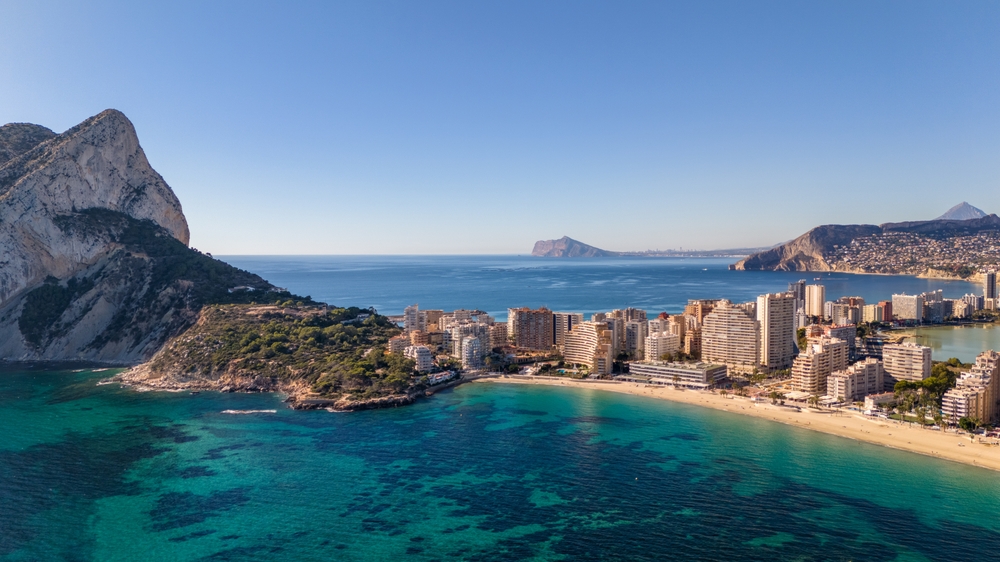
Introduction to the Costa Blanca
The Costa Blanca, a sun-kissed stretch of Mediterranean coastline in southeastern Spain, is synonymous with scenic beauty, elegant resorts, and an enviable lifestyle. For decades, it has attracted visitors and property seekers from around the world, all eager to experience its charming towns, white sandy beaches, and remarkable cultural richness. Yet, questions persist: Where exactly does the Costa Blanca begin, and where does it end? In this comprehensive exploration, we unravel the boundaries, charm, and the unique tapestry that make the Costa Blanca one of Europe’s most coveted destinations — both for holidays and property investment. Whether you are planning to visit, relocate, or invest, this guide offers a detailed and nuanced perspective on the true extent and spirit of the Costa Blanca.
Geographical Boundaries: Where Does the Costa Blanca Begin and End?
To answer the core question—where the Costa Blanca begins and ends—requires both a geographical and cultural understanding. Traditionally, the Costa Blanca refers to the 200-kilometer stretch of coast in the province of Alicante, part of Spain’s larger Valencian Community. Generally, it is accepted that the Costa Blanca begins to the north at the picturesque town of Dénia and extends southwards to the vibrant city of Pilar de la Horadada.
The term "Costa Blanca" was coined in the mid-20th century as a promotional name for tourism. Today, its boundaries may sometimes blur as nearby regions market themselves under its attractive banner. However, the area, as recognized by most locals and experts, sticks closely to the above demarcation, including celebrated municipalities like Xàbia (Jávea), Calpe, Altea, Benidorm, Alicante (the city itself), Santa Pola, Guardamar del Segura, and Torrevieja.
- Northernmost Point: Dénia
- Southernmost Point: Pilar de la Horadada
- Main City: Alicante
In this guide, each section delves further into different aspects of the Costa Blanca, painting a thorough portrait of the region’s true scope and unmistakable allure.
The Origins and Etymology of the Costa Blanca Name
The term “Costa Blanca,” or “White Coast,” evokes dreamy images of sunlit sands and crystalline waters. Its origin, however, is rooted in clever marketing. During the 1950s, as mass tourism emerged, airline companies used the evocative name to allure northern Europeans to the yet-undiscovered southern coast of Spain.
Some argue that the “white” in Costa Blanca refers to the region’s abundance of almond tree blossoms, which blanket the landscape each spring in a sea of white petals. Others claim it refers to the dazzling hue of the beaches and the reflective, bright coastal towns whose buildings gleam beneath the sunlight. Regardless, the Costa Blanca identity quickly took hold, and it has since become internationally recognized as both a geographical region and a lifestyle destination.
Major Municipalities and Destinations of the Costa Blanca
The Costa Blanca features a diverse collection of municipalities, each offering its own charms and experiences. Let’s unravel the unique personalities and defining characteristics of its key towns and cities, travelling from north to south.
Dénia
As the northern gateway to the Costa Blanca, Dénia is famed for its historic port, medieval castle, and culinary excellence—the city is a UNESCO-recognized Creative City of Gastronomy. Its coastline combines sandy beaches with rugged coves, providing visitors a blend of relaxation and adventure.
- Historic sites: Dénia Castle, archaeological museums
- Beaches: Les Marines, Les Rotes
- Yachting & marina lifestyle
Xàbia (Jávea)
Moving south, Xàbia offers a backdrop of dramatic cliffs and secluded bays such as Cala Granadella, in addition to a charming old town center full of artisanal shops and markets. The blend of Spanish culture and cosmopolitan flair here is palpable.
Calpe
Calpe is easily identified by its iconic Peñón de Ifach, a massive limestone rock that towers above the sea. The vibrant fishing port and long sandy beaches make Calpe popular with both locals and international visitors.
Altea
Artistry, tranquility, and cobbled streets define Altea. The distinctive blue-domed church rises above a labyrinth of whitewashed houses, galleries, and cafes. Altea’s relaxed pace and scenic bay draw artists, musicians, and culture lovers from across Europe.
Benidorm
Benidorm, the liveliest of Costa Blanca’s destinations, is synonymous with vibrant nightlife, family entertainment, and a skyline of high-rise hotels overlooking golden beaches. Popular parks include Terra Mítica and Aqualandia. It is a microcosm of the Costa Blanca’s cosmopolitan energy.
Alicante
Central to the coastline, Alicante is both a city and a province. Its historic center boasts the Castillo de Santa Bárbara, elegant promenades, luxury shops, and lively tapas bars. Alicante is a transport hub, with an international airport linking Costa Blanca to the rest of Europe.
- Beaches: Playa del Postiguet, San Juan
- Cultural events: Festivals, art exhibitions
Santa Pola & Guardamar del Segura
Further south, Santa Pola charms with its extensive salt lagoons, flamingo-filled wetlands, and a fishing heritage visible in bustling harbors. Guardamar is renowned for its long, unspoiled beaches and coastal dunes punctuated by lush pine forests.
Torrevieja
Torrevieja is famous for its salt lakes, which often shimmer in shades of pink, and its Mediterranean promenade lined with restaurants and shops. It is home to a thriving expat community, diverse entertainment options, and a relaxed seaside lifestyle.
Pilar de la Horadada
As the southernmost town of the Costa Blanca, Pilar de la Horadada marks the end of this distinguished coastline. Its beach, Playa de las Higuericas, and a lengthy promenade popular with joggers and cyclists, encapsulate the leisurely rhythms of the Costa Blanca lifestyle.
Natural Boundaries and Landscape Variations
The Costa Blanca landscape is as varied as it is beautiful, with distinct geographical features defining its start and finish. In the north, the Montgó Massif rises dramatically near Dénia. Further south, the land flattens into vast plains as it approaches Pilar de la Horadada and the Murcia Region border.
Key natural landmarks act as unofficial boundary markers. The verdant cliffs and pine-covered mountains around Dénia and Xàbia introduce the region, contrasting with the uniquely pink salt lakes near Torrevieja and the citrus groves dotting the southern plains.
- North: Montgó Massif (Dénia/Xàbia)
- South: Border with Murcia near Pilar de la Horadada
- Central Plains: Rolling hills and palm-filled landscapes (Alicante, Elche)
These natural boundaries complement the man-made ones, reinforcing the distinct identity of the Costa Blanca.
Historical Context: How the Costa Blanca Developed
Understanding where the Costa Blanca begins and ends is also rooted in its history. Ancient Greeks, Romans, and Moors all left their mark on this land, using the coastline for trade, settlement, and defense.
In the 20th century, a tourism boom—spurred by an expanding airline industry and the allure of year-round sun—transformed the area. Seaside towns evolved from small fishing villages into cosmopolitan centers, all while retaining their regional flavor and traditions.
- Prehistoric and Roman Eras: Coastal settlements and trade posts
- Moorish Influence: Architecture, agriculture, and cultural legacy
- Modern Era: Rapid tourism and infrastructural investments
This historical evolution not only shaped the towns but also influenced how boundaries are perceived today—geographically and culturally.
The Microclimates of the Costa Blanca
The official stretch of the Costa Blanca enjoys a diversity of microclimates, making it one of Europe’s healthiest places to live. Nestled between mountains and sea, the region’s northern parts—around Dénia and Xàbia—benefit from the protection of surrounding elevations, producing lush greenery and cooler temperatures during the summer.
As one moves southwards, the climate grows drier and warmer. Cities like Alicante, Guardamar, and Torrevieja bask in the region’s legendary sunshine, with over 300 days of clear weather per year. These variations are significant not only for residents and holidaymakers but also for the unique flora and agricultural richness of different municipalities.
- North: Mediterranean lushness, citrus groves, and almond blossoms
- South: Salt flats, semi-arid terrain, palm groves
Cultural Heartbeat: Traditions and Festivals Along the Coast
Despite its singular coastline, the Costa Blanca is not monolithic. From Dénia in the north to Pilar de la Horadada in the south, each community has cultivated a unique sense of identity, best observed during local festivals and cultural celebrations.
The Fallas of Alicante, Moorish and Christian parades in Villajoyosa, and fiestas de San Juan that light up the Mediterranean with bonfires, all underscore the deep-rooted traditions of the area.
- Dénia: Bous a la Mar (bulls running to the sea festival)
- Altea: Fiesta de la Virgen del Consuelo (patron saint festival)
- Benidorm: Benidorm International Song Festival
- Alicante: Hogueras de San Juan (bonfire festival – a UNESCO heritage event)
- Torrevieja: Habaneras Choral Festival
These celebrations unite locals and visitors alike, ensuring the Costa Blanca is as lively in tradition as it is in gastronomy and natural beauty.
Gastronomy: Flavors of the Costa Blanca
From north to south, culinary traditions help to define the Costa Blanca’s boundaries in the hearts of locals and visitors. Traditional rice dishes such as paella and arroz a banda flourish alongside fresh seafood, garden vegetables, and locally pressed olive oil.
Distinctive flavors distinguish different zones. Dénia shines as a regional gastronomic capital, while Alicante’s bustling markets offer regional delicacies, and Torrevieja’s salt influence lends a unique flavor profile to local seafood.
- Dénia: Red prawn, rice dishes
- Altea: Fresh fish, vegetables, local wines
- Alicante: Turrón (nougat), prawns, paella
- Torrevieja: Salted fish, Mediterranean shellfish
World-renowned chefs have found inspiration along the Costa Blanca. The proliferation of Michelin-starred restaurants and passionate local chefs ensures a continuous evolution of the region’s rich culinary heritage.
Lifestyle and Property Diversity Along the Costa Blanca
The Costa Blanca’s length creates a remarkable range of property types, investment opportunities, and lifestyle choices. Each sub-region possesses a distinct atmosphere and pricing structure.
Northern Costa Blanca
The northern section—from Dénia through Calpe—tends to draw those seeking tranquil mountain views, exclusive villas, and a more laid-back pace of life. Here, properties command higher average prices due to the prestige of the region and its stunning natural beauty. The cosmopolitan but relaxed ambiance appeals to those seeking converted fincas, contemporary homes with sea views, and high-end developments nestled in greenery.
Central Costa Blanca
Towns like Altea, Benidorm, and Alicante offer vibrant city life, high-rise apartments, renovated townhouses, and proximity to world-class amenities. Central Costa Blanca combines the best of coastal living, urban excitement, and accessibility to airports and transportation hubs.
Southern Costa Blanca
South of Alicante, including Torrevieja and Pilar de la Horadada, is known for affordable new developments, golf resorts, and a vast mix of Spanish and international communities. Here, lively urbanizations thrive, and the cost of living is generally lower, making this region particularly attractive for retirees, families, and first-time investors.
Transport and Accessibility: Getting to and Around the Costa Blanca
The Costa Blanca’s established infrastructure makes it one of Spain’s most accessible regions. Efficient highways—like the AP-7 Mediterranean Motorway—run the entire coastal length, connecting all major towns from Dénia to Pilar de la Horadada.
- Alicante-Elche International Airport: Serves as the region’s major gateway, linking the Costa Blanca to numerous European destinations.
- Valencia Airport: Convenient for travelers heading to the northernmost towns.
- Rail Services: High-speed and commuter trains connect coastal towns and major cities, facilitating effortless exploration.
- Marinas & Ferries: Yachting is particularly popular, with marinas scattered from Dénia to Torrevieja. Regular ferries depart from Dénia to the Balearic Islands.
The connectivity of the region ensures that whatever your entry or final destination along the Costa Blanca, travel is both efficient and pleasurable.
Tourism and Leisure Activities Across the Region
Tourism underpins life along the Costa Blanca, but its offerings extend well beyond sunbathing. Each segment of the coastline provides a unique set of experiences, reflecting its local culture, geography, and climate.
- Water Sports: Sailing, diving, windsurfing, and jet-skiing feature prominently. Dénia and Xàbia offer sheltered bays and marine reserves.
- Golf: World-class courses are dotted throughout the region.
- Nature Hiking: Seekers of adventure will appreciate the hiking trails of the Sierra de Bernia or the dramatic landscapes of Las Lagunas de La Mata and Torrevieja Natural Park.
- Cultural Activities: From the opera seasons in Alicante to outdoor summer concerts in Altea, the Costa Blanca’s cultural agenda is perpetual.
- Family Attractions: Theme parks, zoos, and water parks in Benidorm and beyond cater to families year-round.
The variety and quality of leisure activities available across the Costa Blanca reflect the richness of its terrain and the vibrancy of its communities.
Shopping, Services, and Urban Life
Whether in historic city centers or modern urbanizations, shopping and service options abound throughout the Costa Blanca. Alicante serves as the primary urban hub, offering luxury boutiques, international brands, and traditional markets brimming with local goods.
South of Alicante, towns like Torrevieja and Orihuela Costa have developed robust retail offerings, including shopping centers, weekly markets, and artisan fairs. Even the smaller enclaves, such as Dénia or Altea, are home to designer shops, local crafts, and gourmet food products.
- Traditional Mercados: Experience the vibrant colors, fragrances, and flavors of local produce in towns from Dénia to Pilar de la Horadada.
- Modern Shopping Centers: State-of-the-art malls and outlets provide international shopping experiences, from Alicante’s Plaza Mar 2 to Zenia Boulevard in the south.
- Services: World-class healthcare, international schools, legal and financial services, wellness centers, and golf clubs contribute to a sophisticated, worry-free lifestyle.
Balancing tradition and modernity, the Costa Blanca’s urban landscape caters to both discerning locals and global visitors.
Ecology, Sustainability, and Conservation in the Costa Blanca
A growing focus on sustainability shapes development along the Costa Blanca. The region’s rich biodiversity, from Montgó Natural Park in the north to the salt lakes and dunes of the south, is a tremendous natural resource requiring careful stewardship.
Local municipalities are investing in conservation efforts, renewable energy initiatives, and the promotion of eco-friendly tourism. The increasing popularity of cycling and pedestrian pathways, protected marine reserves, and the resurgence of traditional farming techniques reflect a collective commitment to preserving the unique character and environment of the coast.
- Protected Areas: Montgó and Serra Gelada natural parks, coastal dune reserves, salt lake habitats
- Sustainable Tourism: Promotion of eco-routes, agrotourism, and low-impact outdoor activities
- Urban Planning: Green spaces, sustainable construction laws, and water conservation programs
The balance between ongoing development and environmental consciousness is at the heart of the Costa Blanca’s continued success as a premier Mediterranean destination.
A Multicultural and International Environment
As one journeys from Dénia to Pilar de la Horadada, the cosmopolitan atmosphere of the Costa Blanca becomes evident. British, German, Dutch, and Scandinavian communities flourish alongside local Spanish populations, creating a dynamic, multicultural environment.
This diversity is reflected in international schools, foreign-language media, specialty shops, and multicultural festivals. Social clubs, sports leagues, and gastronomy events foster a sense of unity, celebrating both heritage and diversity.
- International Communities: Extensive expatriate populations create a welcoming, inclusive atmosphere
- Education: Bilingual and international schools throughout the region
- Social Integration: Language schools, cultural associations, and social events encourage newcomers to integrate easily
The inclusive spirit of the Costa Blanca is a cornerstone of its appeal as both a vacation and permanent residence destination.
Health, Wellness, and Longevity in the Costa Blanca
The Costa Blanca has deservedly earned a reputation for promoting health and longevity. According to various studies, residents enjoy better-than-average health outcomes, attributed to the region’s climate, diet, and active outdoor lifestyle.
Well-equipped hospitals—in Alicante, Torrevieja, and Denia—alongside clinics, wellness spas, and rehabilitation centers, ensure comprehensive healthcare options. The widespread presence of yoga studios, outdoor gyms, walking trails, and holistic wellness retreats also attests to the region’s dedication to physical and mental well-being.
- Warm, saline-rich air in the south (Torrevieja salt lakes) is believed to benefit respiratory conditions
- Access to Mediterranean diet staples: olive oil, vegetables, seafood, and fruits
- Ample opportunity for outdoor exercise and social engagement
This focus on wellness is integral to the lifestyle that the Costa Blanca offers, enhancing its appeal across all age groups.
Real Estate Investment: Trends and Opportunities Along the Coast
The delineation of the Costa Blanca’s boundaries is also impactful for property seekers and investors. Northern towns such as Dénia, Xàbia, and Moraira typically see higher property values, driven by less dense development, limited supply of luxury villas, and proximity to natural parks.
Central Costa Blanca, including Benidorm and Alicante, offers high-rise living, beachfront apartments, and a blend of historical and modern homes. Here, rental yields are robust, and properties provide exceptional value for those seeking a balance between accessibility and lifestyle.
The southern stretch, from Santa Pola to Pilar de la Horadada, is celebrated for its burgeoning resorts, golf communities, and new builds with tempting price points. This area is particularly attractive to international buyers, retirees, and those seeking holiday homes with exceptional rental potential.
- High-End Villas: Dénia, Xàbia, Moraira, Altea
- Urban Living: Alicante, Benidorm
- Affordable Options: Torrevieja, Orihuela Costa, Pilar de la Horadada
Retirement and Long-Term Living in the Costa Blanca
The reputation of the Costa Blanca as a retirement haven is firmly established. Its warm, stable climate, vibrant culture, and quality healthcare are complemented by a respected property market and diverse social opportunities. Immigration procedures are streamlined for EU and non-EU residents alike.
- Wide variety of property types: luxury villas, compact apartments, countryside fincas
- Specialized services for retirees: healthcare plans, legal and relocation assistance, community centers
- Year-round social life: clubs, excursions, volunteering, language courses
- Community support: international and local networks, neighborhood watch groups, expat associations
Choosing where to settle on the Costa Blanca often comes down to personal preference: the refined tranquility of the north, the energy of central cities, or the open expanses and affordability of the south.
Local Governance and Urban Planning Along the Coast
Effective governance and coordinated urban planning underpin the well-being and growth across the Costa Blanca. Each municipality enjoys a level of autonomy, managing its own zoning regulations, public works, and developmental priorities.
- Building Regulations: Safeguards ensure sustainable development and preservation of scenic views.
- Public Services: Water and waste management, public transportation, and green initiatives are integrated into urban planning strategies.
- Community Engagement: Residents are encouraged to participate in public consultations, ensuring that development aligns with the needs and desires of local communities.
Consistent investment in infrastructure, digital connectivity, and cultural amenities reinforces the high quality of life enjoyed across municipalities from Dénia to Pilar de la Horadada.
Education and Family Life on the Costa Blanca
With its international outlook and safe environment, the Costa Blanca is increasingly popular with families seeking an optimal quality of life for their children. Educational offerings range from state-run Spanish schools to prestigious international institutions, providing instruction in multiple languages.
Substantial investments in parks, youth centers, and sports facilities ensure that children and teenagers have access to enriching activities outside the classroom. Local festivals, field trips to Roman ruins, and cultural workshops foster a spirit of curiosity and inclusion.
- International schools: English, German, French, and Scandinavian options
- Enrichment programs: Music, art, dance, and sports academies
- Access to nature: Nature parks, equestrian centers, sailing schools
The family-friendly atmosphere and emphasis on safety and well-being make the entire Costa Blanca favored by both Spanish and international families, whether as a primary residence or seasonal home.
FAQ: Practical Considerations for Living or Buying on the Costa Blanca
For prospective buyers, residents, or frequent visitors, practicalities often shape the decision to focus on one segment of the Costa Blanca over another. Below are some of the most common queries:
- How do I choose between north, central, and south Costa Blanca?
- Consider climate, lifestyle, accessibility, pricing, and proximity to desired amenities.
- What are the property taxes and legal procedures?
- Taxes and procedures follow Spanish national and Valencian Community law. Expert local advisement is recommended for smooth transactions.
- Is it easy to integrate as a newcomer?
- Yes, community networks and municipal resources actively help newcomers settle in.
- How reliable are utilities and internet?
- Modern INFRASTRUCTURE ensures efficient utilities and high-speed digital connectivity, especially in urban and developed rural areas.
- What healthcare options are available?
- Access to both public and private healthcare, with English-speaking providers readily available.
Sustainable Future and Evolving Boundaries
While the traditional boundaries of the Costa Blanca—from Dénia to Pilar de la Horadada—remain well established, ongoing development and global attention mean the profile of the region continues to evolve. New urbanizations, transportation links, and cultural initiatives press gently against established borders, reflecting the dynamism and allure of the Costa Blanca.
Efforts to balance growth with heritage and environmental stewardship will determine the region’s trajectory into the future. The Costa Blanca stands as a beacon for those seeking Mediterranean charm, robust infrastructure, and a community spirit that is at once local and global.
Conclusion: The Enduring Appeal of the Costa Blanca’s Boundaries
Defining where the Costa Blanca begins and ends is as much about feeling as it is about geography. From the Montgó massif at Dénia in the north to the promenades of Pilar de la Horadada in the south, each kilometer of the Costa Blanca offers a unique blend of history, lifestyle, and opportunity.
This iconic stretch of the Mediterranean is not merely a line on a map, but a living, breathing entity—dynamic, multicultural, and endlessly inviting. For explorers, families, retirees, property investors, and those simply chasing the Mediterranean sun, understanding the boundaries of the Costa Blanca is the first step in discovering an exceptional way of life.
With renowned natural beauty, well-defined municipalities, a cosmopolitan community, and a vision for sustainability, the Costa Blanca remains a shining example of Mediterranean living at its very apex. From its scenic start in Dénia to its southern farewell in Pilar de la Horadada, the Costa Blanca truly earns its title as the jewel of Spain’s Mediterranean coast.