





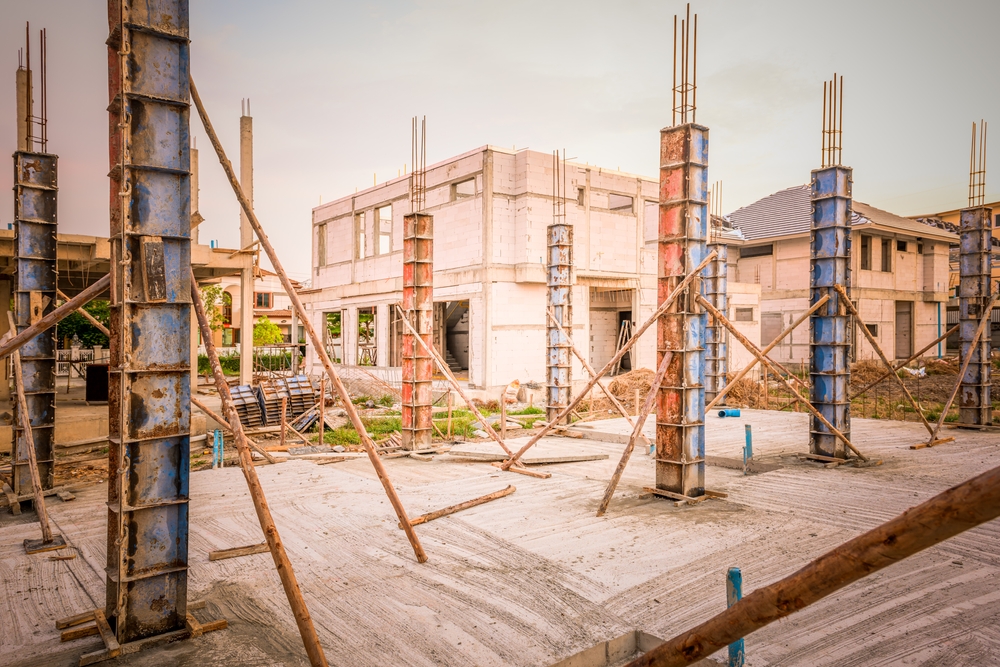
Introduction: The Distinctive Pillars of Spanish Architecture
The architecture of Spain narrates unique stories carved in stone, concrete, and steel—an intertwining of history, culture, climate, and practicality. One of the most remarkable and instantly recognizable features, especially in modern residential construction, is the prevalence of apartment buildings supported by pillars (pilaren). This design, where the ground floor (often referred to as a “portal” or “porticado”) is held aloft by a series of exposed pillars while the residential areas commence above, gives Spanish cities a distinctive aesthetic and functional character. But why does this architectural solution dominate urban landscapes across Spain? What drives developers, architects, and city planners to favor this style for apartment complexes? As IMMO ABROAD, we invite you on an in-depth exploration of this quintessentially Spanish phenomenon.
Historical Evolution of Apartment Construction in Spain
Understanding why pillars are so omnipresent in Spanish apartment buildings requires a journey back through centuries of architectural evolution. The use of columns and arches traces back to the Roman era, where structural innovations enabled large, open public spaces. Over time, as Spain’s cities densified, new needs arose—resulting in a blend of aesthetics and utility that persists in today’s urban landscapes.
During the “boom” years of the mid-20th century, Spain’s rapid urbanization demanded residential solutions that could accommodate population growth, provide safety, and respond to evolving municipal regulations and societal habits. Apartment blocks soared skyward, often following modernist and rationalist principles, emphasizing clean lines, open ground-floor areas, and efficient use of land—a response to both architectural trends and bureaucratic requirements.
Over decades, the pillar-supported design became not only a matter of regulation and practicality but also a symbol of contemporary living in Spain—a style as much about livability as it is about aesthetics.
Structural Fundamentals: How Pillars Support Spanish Apartments
The use of pillars in Spanish apartments is not merely an architectural quirk; it is a sophisticated structural solution. The core of this technique is the creation of an “open space” at the ground level, which is referred to in Spanish as “soportales.” This is achieved by using a series of strong, vertical supports that bear the load of the stories above, enabling the ground floor to remain largely unobstructed by walls or solid foundations.
This system relies on reinforced concrete, where steel bars (“rebar”) are embedded to dramatically increase tensile strength. The pillars are designed and spaced to distribute the weight of the entire building, taking into account seismic activity, wind loads, and other environmental factors. These structures are subjected to rigorous engineering analysis to ensure safety and stability.
In essence, the structural pillar system:
- Allows for flexible open-plan ground floors
- Optimizes land use (essential in urban settings)
- Reduces the need for intrusive load-bearing partition walls, maximizing usable living spaces above
Climate Considerations: Responding to the Mediterranean Environment
Spain enjoys a temperate Mediterranean climate, with hot summers, mild winters, and periods of heavy rainfall, particularly in the coastal regions. The pillar-supported design elegantly addresses several climatic challenges:
- Promoting Air Circulation: Open ground floors allow cooling breezes to flow under and around buildings, reducing heat accumulation during sweltering summer months.
- Protection from Flooding: Elevated living areas are less susceptible to occasional flooding—crucial in coastal or riverine cities and towns prone to sudden, heavy downpours.
- Shaded Communal Spaces: The shaded zone beneath the pillars stays cooler, providing welcome relief and gathering spots for residents, particularly during the fierce midday sun.
This climate-specific adaptation underscores the intelligent harmony between architectural form and the rhythms of nature, creating lasting comfort for residents.
Urban Planning and Land Utilization: Maximizing Space Efficiency
Population density in Spain’s cities, especially in coastal areas such as the Costa del Sol, Costa Blanca, and major urban hubs like Madrid, Barcelona, and Valencia, places immense premium on land utilization. Here, the pillar-based solution becomes invaluable.
-
Multipurpose Use of Ground Levels:
Open-plan ground floors offer versatility. They can be used for parking, communal recreational areas, bicycle storage, retail spaces, or lobbies, providing essential facilities without eating into the residential footprint above. This design supports the integration of commercial activity within residential blocks, enlivening street life and increasing the building’s value.
-
Enhanced Accessibility:
Wide open spaces at ground level facilitate access for all residents, including those with limited mobility. The lack of steps or narrow entryways is particularly beneficial for wheelchair users, families with strollers, and elder residents.
-
Enabling Gardens and Green Corridors:
The pillar-supported style allows for landscaped areas, children’s playgrounds, or relaxation spaces without impinging on the city’s hardscape or reducing available housing units.
Urban planners and architects in Spain have consistently favored this approach as a rational response to the challenges of high-density living, ensuring that open space, green amenities, and accessibility needs are all addressed within the constraints of limited urban land.
Legal and Regulatory Framework: Building Codes and Municipal Regulations
Spanish municipal and national regulations have played a pivotal role in shaping the country’s residential architecture, especially regarding the construction of apartment buildings with prominent ground-floor pillars. Several elements of Spanish law affect this design choice:
- Setback Requirements: Many municipalities mandate that residential units must be set back from the street at certain heights, promoting walkability and preventing excessive shadowing of public spaces. Pillared ground floors enable compliance, with habitable spaces beginning on upper floors.
- Parking Regulations: In many cities, developers are required to provide a specific number of parking spaces per residential unit. The space beneath apartments, thanks to pillars, becomes an ideal spot for efficient, secure parking.
- Risk Mitigation: Building codes often require flood risk mitigation, particularly in low-lying or coastal regions. Elevating the residential area via a pillar system ensures compliance.
- Communal Zones: Spanish housing law encourages (and sometimes mandates) the inclusion of communal spaces. Pillared zones offer room for lobbies, social areas, mail facilities, and more without consuming precious ground area.
By responding to these regulations in an aesthetically pleasing and practical manner, developers ensure their projects are both compliant and desirable to potential residents.
Socio-Cultural Influences: Gathering, Security, and Quality of Life
Spanish lifestyle and culture place a premium on community, conviviality, and the enjoyment of outdoor living. The architectural choice to build apartments atop pillars directly supports these cultural values.
-
Fostering Community Interaction:
The shaded, semi-open ground levels beneath buildings become natural meeting places. Residents can congregate, socialize, and hold community events in these spaces, strengthening neighborhood bonds and contributing to a vibrant building culture.
-
Enhanced Safety and Visibility:
Pillar-supported designs often improve the visibility of entrances and communal areas, deterring unwanted activity and boosting the sense of security among inhabitants.
-
Children’s Play Areas:
The protected area beneath the apartment block offers a safe, shaded environment for children to play—away from traffic and direct sunlight. This aligns perfectly with Spanish family-centered values and urban lifestyles.
-
Convenient Access to Services:
The flexibility of the pillar area permits integration of small shops, mailrooms, concierge services, or communal bike storage—all within easy reach but without encroaching on private residential space.
The result is a built environment that seamlessly integrates social well-being with architectural efficiency, reflecting and reinforcing the Spanish way of life.
Resilience and Adaptation to Risk: Earthquakes, Floods, and Urban Evolution
Beyond immediate practical advantages, pillar-supported apartment buildings embody a spirit of resilience. Spain, particularly in some Mediterranean and southern regions, is seismically active and occasionally affected by intense weather events.
- Seismic Safety: Modern engineering practices have adapted pillar designs to respond flexibly to seismic activity. Properly calculated and constructed columns, with reinforced concrete and strategic placement, offer resistance to ground shaking and help dissipate energy, reducing the risk of catastrophic collapse.
- Flood Protection: In flood-prone areas, elevating living spaces above potential water levels is a straightforward and effective solution. Essential mechanical and electrical systems are often installed above ground, further mitigating risk to both people and infrastructure.
- Long-Term Adaptability: As city needs evolve, open ground spaces can be adapted or repurposed with minimal disruption. Additional amenities, security features, or technological upgrades can be incorporated over time.
Thus, the use of pillars reflects not just current needs, but also foresight—designing for a safer and more adaptable urban future.
Case Studies: Iconic Spanish Apartment Designs Emphasizing Pillars
Throughout Spain, numerous iconic apartment developments showcase the virtues of pillar-based construction. These projects are not just practical responses to urban constraints but also aesthetic landmarks celebrated by architects, residents, and city dwellers alike. Let’s explore some representative examples:
-
Madrid’s Modernist Blocks:
In neighborhoods such as Chamartín and Nuevos Ministerios, elegant apartment blocks rise above open ground floors, blending rationalist design with plentiful communal spaces. These buildings harmonize well with tree-lined boulevards and active street life, exemplifying the synergy of architecture and social utility.
-
Costa Blanca Coastal Developments:
Along Spain’s sun-splashed eastern coastline, apartment complexes stand on pillars mere meters from the beach. Here, the design not only allows for secure parking and recreational zones underneath, but also elevates homes for enhanced sea views and breezes—a hallmark of Mediterranean “living above the promenade.”
-
Seaside Urbanizations of Andalusia:
In cities like Málaga and Málaga province, pillar-supported buildings are integral to the urban fabric. These allow for market stalls, cafes, and shaded walkways under apartment blocks, transforming them into dynamic mixed-use environments.
Each case reflects different facets of the same core idea: the pillar as both a technical solution and a lasting element of Spanish urban identity.
Energy Efficiency and Environmental Benefits
Modern sustainability standards increasingly influence Spanish residential building design. Pillar-supported constructions offer various direct and indirect environmental benefits:
-
Passive Cooling:
By lifting living spaces above ground level, buildings benefit from enhanced airflow and natural cooling, reducing reliance on air conditioning and thereby lowering energy use and carbon footprint.
-
Reduced Urban Heat Island Effect:
Shaded undercrofts resist temperature spikes during summer, minimizing heat radiated back into the environment. If landscaped, these areas further support local biodiversity and contribute to urban greening efforts.
-
Water Management:
The open ground floor simplifies the integration of drainage systems, water collection, and green infrastructure, increasing resilience against heavy rain and supporting sustainable water management.
-
Flexibility for Solar and Renewable Upgrades:
With key infrastructure lifted off the ground, it’s easier to retrofit buildings with solar panels, efficient heating/cooling systems, and other forward-looking technology.
These aspects align with Spain’s ongoing commitment to the European Green Deal and broader goals of climate adaptation, ensuring that pillar-based designs remain future-ready.
The Aesthetic Appeal: Modernism Meets the Mediterranean
Beyond regulation, climate, and efficiency, the pillar-supported apartment building is also beloved as a visually impactful element in Spanish cityscapes. The design delivers a uniquely modern profile:
- Sleek Geometry: The rhythm of parallel pillars produces pleasing, ordered lines, balancing solidity above with openness below—qualities central to Spanish modernism.
- Interactiveness: Unlike traditional solid-block buildings, these structures invite engagement at the street level, blurring lines between public and private realms without sacrificing security.
- Sense of Light and Space: Amenity-rich ground floors, shaded by the apartments above, contribute positively to both street ambiance and residential enjoyment.
Contemporary Spanish architects continue to experiment with pillar shapes, materials, and formations, blending technological innovation with the enduring Mediterranean quest for graceful, livable environments.
Challenges and Criticisms: Security, Maintenance, and Urban Cohesion
No architectural solution is without drawbacks, and the Spanish pillar style faces certain challenges that must be acknowledged and addressed in thoughtful design and management.
-
Security Concerns:
Open ground floors can sometimes become targets for graffiti, vandalism, or unwanted gatherings. Effective lighting, surveillance, and active community engagement are necessary to ensure safety and positive use of communal spaces.
-
Maintenance Requirements:
Constant exposure to the elements requires robust maintenance of concrete or steel pillars, particularly in coastal settings where salt can quicken corrosion. Regular inspections and proactive repairs are essential for structural integrity and appearance.
-
Urban Homogeneity:
If overused or poorly designed, pillar-based buildings can result in repetitive townscapes lacking in diversity and localized character. Balancing the advantages with creative variation is vital for a rich urban fabric.
-
Noise and Privacy:
If the ground floor is used as a through-passage or for commercial activity, noise and privacy must be carefully managed for upstairs residents.
Understanding these criticisms is crucial for the continued refinement and popularity of pillar-inspired apartment construction across Spain.
Innovations and Future Trends in Spanish Apartment Design
Spanish architecture continues to evolve, embracing innovation alongside tradition. As cities pivot towards sustainability and quality of life, new takes on the pillar concept are emerging:
- Smart Building Integration: Ground-floor spaces are now commonly equipped with wi-fi, smart lighting, and security sensors, supporting the growing demand for technologically enabled living environments.
- Modular Adaptations: Adjustable, demountable pillar systems allow for easy reconfiguration, enabling evolving use-cases over a building’s lifespan.
- Biophilic Enhancements: Architects encourage connection to nature by incorporating vertical gardens, green walls, and landscaped courtyards at the ground level—making pillars central to environmental as well as structural design.
- Mixed-Use and Live-Work Spaces: New developments often blend residential, commercial, and coworking zones in imaginative ways, all facilitated by the flexible pillar-based layout.
Such adaptations uphold the inherent strengths of Spanish apartment design while ensuring relevance and appeal for generations to come.
The Homebuyer's Perspective: Advantages and Considerations
For buyers considering an apartment in Spain, especially those from abroad, understanding the rationale behind pillar-based apartment construction is critical for making informed decisions.
-
Advantages:
- Enhanced safety from floods and improved urban security
- High-quality communal areas, playgrounds, and shaded gathering spots
- Accessibility benefits for residents of all ages and abilities
- Greater convenience for parking and storage
- Often, superior ventilation and light penetration to apartments above
-
Considerations:
- Assess the quality and upkeep of ground-floor communal spaces
- Understand how noise, privacy, and security are managed and enforced
- Examine local flooding maps and environmental risk factors
- Find out how proactive the building community is regarding maintenance and amenity upgrades
A well-designed, well-maintained pillar-supported apartment can deliver years of comfort, security, and satisfaction, making it a compelling option for discerning buyers seeking a unique blend of Spanish tradition and contemporary living.
Conclusion: Pillars as the Foundation of Spanish Urban Comfort
The prevalence of pillar-supported apartments in Spain is no accident. This architectural decision emerges from a careful balance of historical precedent, climate wisdom, legal necessities, urban planning, and cultural values. Every column beneath an apartment block is both a technical marvel and an expression of Spanish life—a surface on which modern comforts can rest securely, while cities remain connected, airy, vibrant, and above all, livable.
Whether you are a prospective homebuyer, an architect, or simply a lover of Mediterranean cityscapes, the story of Spain’s “pilaren” is not just about how buildings are held up. It’s about how a society chooses to live—practically, beautifully, and always in conversation with both the land it inhabits and the people who call it home. IMMO ABROAD is proud to be part of that ongoing conversation, connecting you to a tradition that is at once ancient and ever-evolving: the art of living well in Spain.