





Understanding Spanish Bedtime Culture: An Introduction
Spain’s unique approach to children’s bedtimes is a topic that consistently fascinates visitors and expatriates. Unlike many European countries where children are expected to be asleep by 8 or 9 PM, it is not uncommon to see Spanish families, children in tow, enjoying their evening meals or leisurely strolls well past 10 PM. This distinctive aspect of Spanish daily life prompts the question: Why do children in Spain go to bed so late?
To understand this phenomenon, one must look beyond mere preference and explore the confluence of historical, cultural, environmental, and social factors that shape Spanish lifestyles. This article provides an in-depth exploration, delving into Spain’s climate, work schedules, cultural values, daily routines, regional variations, and the scientific perspective on bedtime and child development. Additionally, it considers the role of community, public spaces, the structure of school days, and parental attitudes, painting a comprehensive picture of the Spanish approach to children’s sleep schedules.
Historical Influences on Spanish Daily Schedules
The evolution of Spanish daily schedules is shaped by a blend of history and tradition. Unlike many of its European neighbors, Spain’s time zone alignment and the legacy of “la siesta” (the afternoon nap) have greatly influenced the late-night culture, including children's routines.
The Spanish Time Zone Anomaly
Although geographically coordinated with Portugal and the United Kingdom, Spain operates on Central European Time (CET). This deviation began during World War II, when the country advanced its clocks to align with Nazi Germany. Though it may seem a minor adjustment, this shift pushed the Spanish clock an hour ahead of solar time, effectively making typical daily activities occur later by sunlight standards.
As a result, sunsets in Spain—particularly in the summer and western regions—can occur much later than in other parts of Europe, naturally encouraging later evening activity and subsequently, later bedtimes for both adults and children.
The Legacy of La Siesta
The “siesta” tradition stems from agricultural days when workers, driven by the intense midday heat, would rest during the warmest hours, resuming activity as the day cooled. This midday pause, still observed in some regions and among certain demographics, affects the structure of the entire day, delaying the start and finish of both work and school schedules.
Although modern employment and economic pressures have diminished the siesta’s prevalence in urban areas, the effects linger. Work often ends around 8 PM, family dinners are commonly taken at 9 or 10 PM, and children, part of these routines, settle into rest much later than their counterparts in other cultures.
Cultural Values Driving Late Bedtimes
Cultural values form the backbone of Spain's late-night vitality. Family, community, socialization, and the enjoyment of life (often encapsulated in the term “la buena vida”) are deeply cherished. These values inform Spain’s approach to children’s schedules, including bedtime.
Family as the Centerpiece
Spanish society is distinctly family-centric, with multigenerational interactions forming an integral part of daily life. The evening is seen as a prime opportunity for parents, often busy with work and obligations during the day, to bond with their children. Thus, the late-night family meal—unhurried and rich with conversation—becomes a cherished norm.
Community Engagement and Socialization
Evenings in Spain are traditionally times for social gatherings, with families and friends meeting in public squares, terraces, or parks. Children are actively included in these social spaces. Far from being seen as a constraint, late bedtimes are a byproduct of children participating in community life, learning social cues, and experiencing the vibrancy of Spanish society firsthand.
The Celebration of Life
Spanish culture prioritizes enjoyment, connection, and leisure. The day is structured to maximize personal and familial enjoyment in the cooler, inviting evenings. Children, sharing in these experiences, naturally adapt to a later schedule that balances socialization, rest, and family unity.
The Spanish Climate: Shaping Daily Rhythms
Spain’s geographic location bestows it with a Mediterranean climate: hot summers, mild winters, and abundant sunshine. This climate has long dictated daily routines, especially in regions where daytime temperatures soar.
The Role of Heat in Activity Schedules
In many parts of Spain, daytime heat—particularly during summer—makes outdoor activity before dusk uncomfortable or even unsafe. Evening, with its cooler temperatures and gentle breezes, becomes the logical time for recreation, socialization, and relaxation. Parks and playgrounds bustle with families long after darkness falls.
Seasonality and Extended Daylight
Spain enjoys long daylight hours, especially in summer months. The extended sunset naturally delays the tempo of the day: meals are served late, and bedtimes follow suit. Children, too, align their schedules with the rhythm of natural light and social activity, shifting what would be considered “strict” bedtime policies in other cultures.
School Schedules and Academic Expectations
Spanish school schedules and academic routines reflect and reinforce the national approach to time, providing further insight into why children go to bed later.
School Day Structure
In Spain, most children begin school between 9 and 9:30 AM, later than in many countries. The school day can be split with a long lunch break—sometimes lasting two or three hours—before resuming in the afternoon, often until 4 or 5 PM. This accommodating schedule allows children to participate in family lunches and provides time for rest or extracurricular activity.
Homework and Extracurriculars
Academic expectations in Spain are robust, with homework and after-school activities playing a significant part in children’s lives. Since school lets out late and extracurricular activities may only begin around 6 or 7 PM, evenings become busy, and bedtimes are pushed even further to accommodate these commitments.
Impact of School Start Times
Because schools rarely open before 9 AM, concerns about sleep deprivation are somewhat mitigated. Children, while going to bed later, are not required to wake as early as those in countries with earlier school start times, striking a different balance between sleep needs and family/social priorities.
The Evening Meal: A Pillar of Spanish Family Life
Dinner, or “la cena”, is a cornerstone of Spanish daily life—and another key factor in why children’s bedtimes are so late.
Dinner Timing and Rituals
Spanish families typically dine between 9 and 10:30 PM, depending on the region and season. Dinner is a leisurely event, with multiple courses and ample conversation. It is rare for children to be excluded; instead, their presence is not just expected but eagerly anticipated as part of this daily familial tradition.
Nutritional and Social Importance
Beyond nutrition, dinner serves a critical role in reinforcing family bonds, discussing the day’s events, and sharing time after the rush of work and school obligations. Children learn from adult conversations, practice social etiquette, and develop a sense of belonging.
Comparison With Other Cultures
In northern Europe or the United States, dinner may be served between 5 and 7 PM, with the evening winding down for children soon after. The Spanish approach, prioritizing the togetherness of dinner over strict sleep schedules, leads naturally to children settling down later in the evening.
Children in Public Spaces: More Than a Cultural Quirk
Observing Spanish towns and cities after dark, one cannot help but notice families, children included, filling plazas, cafes, and promenades late into the evening. This is not an anomaly, but rather a reflection of Spain’s approach to public life.
Safe, Inclusive Environments
Spanish urban planning privileges community interaction. Plazas host playgrounds, pedestrian zones, and shaded benches, creating safe environments for family socialization. Until late, children play while adults socialize, with supervision spread informally among multiple adults. This collective approach to child supervision enables parents to relax, confident that their children are safe amidst familiar faces.
The Concept of “La Calle”
“La calle” (the street) is more than a thoroughfare—it's a vital space for community and intergenerational mingling. Spanish cities are designed for walking, with ample opportunities for gathering and people-watching. This communal life, extending late into the night, means that children are actively participating in public life rather than being tucked away at home.
The Psychology of Inclusion
Inclusion in these late-night interactions fosters a sense of belonging and security among Spanish children. Interpersonal skills are sharpened, and community bonds are strengthened, countering the perception that late bedtimes are necessarily detrimental.
Parental Attitudes: Prioritizing Flexibility and Connection
Parental philosophies in Spain differ from those in cultures with stricter approaches to children’s routines. The Spanish model emphasizes flexibility, shared experiences, and child-led adaptability.
Emphasis on Adaptability
Spanish parents generally believe that children benefit from adapting to family rhythms and social events. Rather than the entire household adjusting to a fixed child-centered schedule, the child is expected to gradually align with the family’s pace. As a result, children in Spain develop resilience and adaptability, traits Spanish culture values highly.
Prioritizing Family Time Over Routine
For many Spanish families, the benefits of late-night bonding are seen to outweigh the potential drawbacks of less regimented sleep. Shared meals, conversations, and outings build intergenerational relationships and create cherished memories, seen by most as a foundation for well-rounded development.
Trust in Natural Sleep Regulation
Spanish parents often trust their children’s natural ability to regulate sleep, allowing children to sleep in or nap during the day when tired. Flexibility, rather than rigid scheduling, is prioritized.
Regional Variations Across Spain
It is important to note Spain’s regional diversity when discussing bedtime norms. While late bedtimes are prevalent, there are distinct differences between autonomous communities, influenced by local customs, climate, and economic patterns.
The Mediterranean Coast vs. The North
In warmer southern and coastal regions such as Andalusia and Catalonia, the tradition of la siesta and late-night living is most entrenched. Here, summer bedtimes for children may be especially late due to heat and active nighttime street life.
In contrast, northern regions like Galicia or the Basque Country, with cooler climates and shorter daylight hours, tend toward slightly earlier evenings, though still later than the northern European norm.
Urban vs. Rural Differences
Urban centers like Madrid, Barcelona, and Valencia maintain vibrant night lives, fostering late-night routines. Rural areas may experience subtle variations, with a greater emphasis on agriculture and slightly earlier schedules, especially during harvest seasons.
Evolution Over Time
Recent generations of Spanish parents, especially in cosmopolitan urban areas, may be adopting somewhat earlier routines in response to globalization, international school standards, and increased awareness of sleep science. Nevertheless, the tradition of children participating in evening life remains strong across the country.
The Science of Sleep and Child Development
No exploration of Spanish bedtimes would be complete without considering what medical science says about childhood sleep, and whether Spanish children are at a disadvantage due to their late-night routines.
Guidelines and Recommendations
Global pediatric guidelines usually recommend that children from age 3 to 5 obtain 10-13 hours of sleep, and children between 6 and 13 require 9-11 hours. The traditional wisdom assumes an early bedtime correlates with better sleep and, by extension, better health and cognitive outcomes.
The Spanish Experience
Research shows that Spanish children, while tending toward later bedtimes, often achieve the recommended total hours of sleep by waking later or napping in the afternoon, especially among younger children. The emphasis on flexibility means that Spanish parents may pay less attention to strict hours and more to the overall quantity and quality of a child’s rest.
Effects on Cognitive and Emotional Health
Current studies do not conclusively link late bedtime alone to health or developmental deficits in Spanish children, provided total sleep is adequate and routines are consistent. In fact, the strong community bonds and familial security characteristic of Spanish society may offset the mild disadvantages of late-night sleep, supporting emotional and social well-being.
The Increasing Role of Sleep Science
However, with the global flow of information, Spanish families are increasingly aware of pediatric sleep research. Some are experimenting with earlier bedtimes, especially on school nights, but the broader cultural preference for flexibility and social inclusion persists.
The Impact of Popular Culture and Media
Television, entertainment, and popular culture also play a key role in sustaining Spain’s late-night schedules.
Television Programming
Prime-time television in Spain begins between 10 and 10:30 PM, much later than in most European countries. Family-friendly shows can air as late as midnight. As a result, families and children often gather to watch television together, further reinforcing late-night wakefulness.
Sports and Public Events
Football matches, a major national pastime, are routinely scheduled for 9 or 10 PM. Children join parents for these televised or in-person events, making late evenings not only acceptable but highly anticipated.
Seasonal Festivals and Holidays
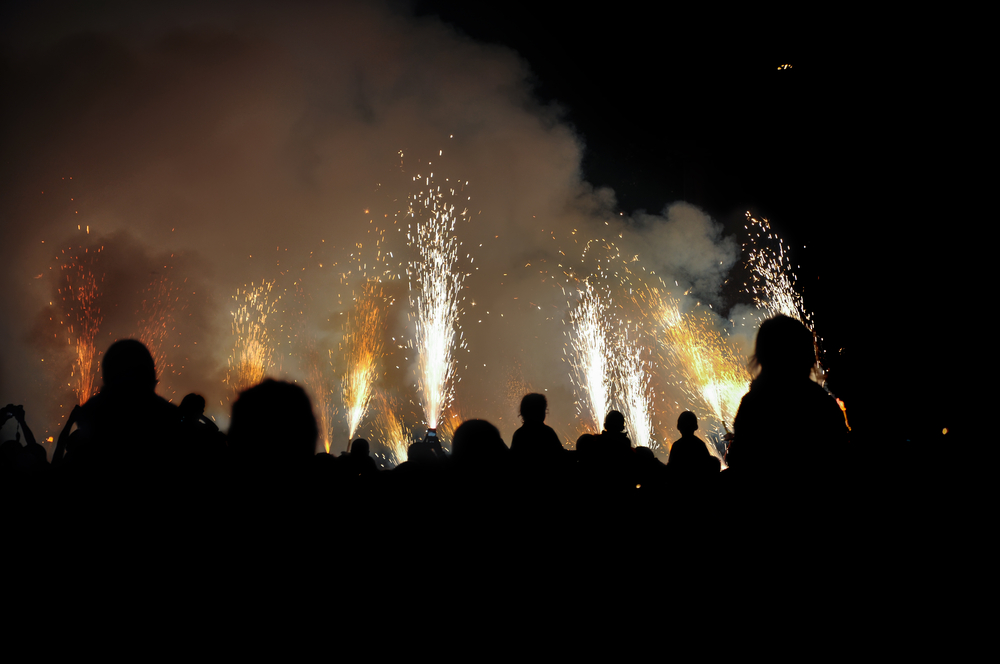
Spanish culture is rich with night-time celebrations—festivals, processions, and fiestas that often extend well past midnight. Children are enthusiastically included, ensuring that late nights are woven into the fabric of childhood memories.
Comparative Perspectives: Spanish Bedtimes vs. the World
To truly appreciate Spain’s approach to children’s sleep, it is useful to compare it with norms in other countries.
Northern and Western Europe
In nations like Germany, Sweden, and the Netherlands, earlier meal times and strict bedtime routines (often between 7 and 8:30 PM) are common. These societies emphasize structure and prioritize the child’s rest ahead of family socialization or community inclusion.
The United States and Anglo-Saxon Countries
Here, the cultural approach is increasingly child-centric, with routines focusing on optimization for school performance and cognitive development. Bedtimes are commonly set based on age and school start times, and structured after-school activities are prominent.
Similarities with Southern Europe and Latin America
Italy, Greece, and Latin American countries share similar attitudes to Spain, favoring late-night family meals and community inclusion for children.
Benefits and Drawbacks of Late Bedtimes in Spain
Every cultural system comes with unique strengths and potential challenges. Examining both sides provides a fuller understanding of Spanish practices.
Benefits
- Family unity: Late bedtimes maximize family togetherness and strengthen multigenerational bonds.
- Social development: Children develop strong social skills by mingling with adults and peers in public spaces.
- Adaptability: Children learn to adjust to flexible schedules, an important life skill.
- Physical activities: Evening outings promote outdoor play and exercise.
Drawbacks
- Possible fatigue: Children with less adaptable schedules may experience fatigue, especially at the start of school terms.
- Sleep-wake mismatch: School schedules that do not fully align with children’s biological timeframes may result in lost sleep for some.
- Academic performance: Some studies suggest a correlation between late bedtimes and slightly reduced academic performance, although total sleep hours are a significant mitigating factor.
- Adjustment for expatriates: Non-Spanish parents living in Spain may struggle to reconcile local customs with their own cultural expectations.
Adapting as an Expatriate Family
For families moving to Spain, adjusting to new bedtime routines can be a challenge. The Spanish system encourages integration, but also allows for flexibility in finding a personal balance.
Observing and Understanding Local Customs
Initially, expatriate families may feel surprised or uncomfortable with the late-night schedules. However, observing and participating in local routines—family dinners, park visits, evening walks—can ease the transition and help children integrate socially and academically.
Flexible Schooling Options
International schools in Spain may offer different schedules, with earlier start times or structured after-school care, allowing families to adopt a hybrid approach that suits their individual needs while respecting local traditions.
Open Communication
Discussing changes openly with children and maintaining a consistent family strategy can reduce confusion and stress, allowing children to feel secure amidst new routines.
Modern Trends: Are Spanish Bedtimes Changing?
With globalization knocking at the door, modern family life in Spain is gradually changing, though cultural traditions remain strong.
Influence of Urbanization and Employment
Urban professionals, facing early work commutes, may choose slightly earlier bedtimes for their children. In two-income households, time constraints and logistical demands lead to re-evaluation of daily routines.
Introduction of After-School Programs
The rise of after-school programs and extracurricular activities is nudging some families toward structuring earlier dinners and bedtimes, particularly on school nights.
Awareness of Sleep Science
Increasing public discussion about child health and sleep has prompted some Spanish parents to reconsider traditional patterns, aiming for a balance between cultural heritage and scientific recommendations.
Persistence of Tradition
Nonetheless, the essence of Spanish daily life remains rooted in late-night activity. Community, family, and shared joy continue to take precedence over the clock, and children remain active participants in the evening bustle.
Conclusion: The Spanish Bedtime as a Reflection of National Identity
To outsiders, late bedtimes for children in Spain may initially seem surprising, even concerning. However, viewed through the lens of centuries of tradition, environmental adaptation, social priorities, and parental love, it becomes clear that the Spanish approach to children’s routines is deeply considered and richly beneficial in its own right.
The reasons why Spanish children go to bed so late are manifold: historical quirks, climatic imperatives, family dynamics, social networks, educational structures, and a prevailing celebration of life that refuses to be confined to mere daylight hours. While the specifics are changing with each new generation, the heart of the tradition—family unity, communal joy, adaptability, and resilience—remains firm.
Whether as a traveler, an expatriate, or a curious observer, encountering this aspect of Spanish life offers a valuable lesson in the diversity of cultural priorities and the many ways in which families worldwide nurture, protect, and prepare their children for life’s journeys.
Frequently Asked Questions About Spanish Bedtime Norms
-
Is it unhealthy for Spanish children to go to bed late?
Provided they receive adequate total sleep and maintain consistent routines, most studies show that Spanish children do not suffer long-term ill effects. The strong community participation and flexible approach to parenting help support social and emotional health.
-
Do Spanish children take afternoon naps?
Especially in younger children and in regions where the siesta persists, afternoon naps are common and help ensure children receive enough rest, even with later bedtimes.
-
Are Spanish parents changing their approach?
Modern influences are prompting some changes, particularly in urban areas and among younger parents. There is a gradual trend toward earlier bedtimes on school nights, but long-standing traditions still predominate.
-
How do expatriate families adapt?
Expatriate families often blend local customs with their own traditions, adjusting school and bedtime routines to suit their unique needs.
-
How does late bedtime affect school performance?
There is little evidence that later bedtimes harm academic performance, provided total sleep is sufficient and routines remain consistent.
-
Why don’t Spanish children get tired in the evening?
Children adapt to their social and environmental contexts. Engaging evening activities and flexible daily rhythms help keep them alert and content.
-
Are late bedtimes unique to Spain?
Late bedtimes are also common in nearby Mediterranean and Latin American cultures but are less prevalent in northern and western Europe or the Anglo-Saxon world.
-
Do Spanish schools accommodate late nights?
Spanish schools start later in the morning, and afternoon schedules are common, making it easier for children to get enough sleep even with later bedtimes.
-
Does the climate really influence bedtime?
Absolutely. Hot weather and long summer days encourage evening activity, delaying sleep naturally.
-
How do late evenings affect family life?
Late evenings foster strong family and community bonds, helping children feel secure, valued, and socially adept.
Practical Guidance for Families: Navigating Spanish Bedtime Culture
For families living in or visiting Spain, navigating the local bedtime customs can be both an adventure and a logistical puzzle. Here are some strategies for finding harmony with Spanish rhythms:
1. Observe First, Adapt Gradually
Take time to witness how local families structure their evenings—from dinner time traditions to park outings and neighborhood gatherings. Begin by slowly shifting your routines, allowing time for children to adapt.
2. Prioritize Family Time, But Be Flexible
Embrace the Spanish approach to quality time in the evenings. Prioritize shared meals and outings when possible, but make adjustments for early commitments such as school days.
3. Mind the Climate and Seasons
Recognize that summer bedtimes are naturally later due to heat and light, while winter months may invite earlier routines. Pay attention to your children’s cues and adjust schedules with the weather and daylight hours.
4. Maintain Consistent Routines
Consistency helps children feel safe, even if bedtime is late. Try to keep bedtime and wake times as regular as possible, adjusting gradually for special occasions or holidays.
5. Open Communication with Your Children
Talk to your children about the reasons for changes in routine. Encourage them to share how they feel, and involve them in creating new family traditions that blend the best of both worlds.
6. Seek Local Support
Connect with other parents, schools, and community organizations for guidance. Learning from locals can help ease the transition and help families feel more at home in their new environment.
Spanish Bedtimes: More Than Just a Matter of the Clock
Ultimately, understanding why children in Spain go to bed so late is to understand a piece of Spanish identity itself—a culture that cherishes togetherness, finds joy in every hour, and values the lessons learned late into the night under the glow of streetlamps and stars. For IMMO ABROAD clients and those hoping to settle into the rhythms of Spanish life, embracing these unique routines promises not only adaptation but genuine enrichment and delight in the everyday beauty of Spain.