





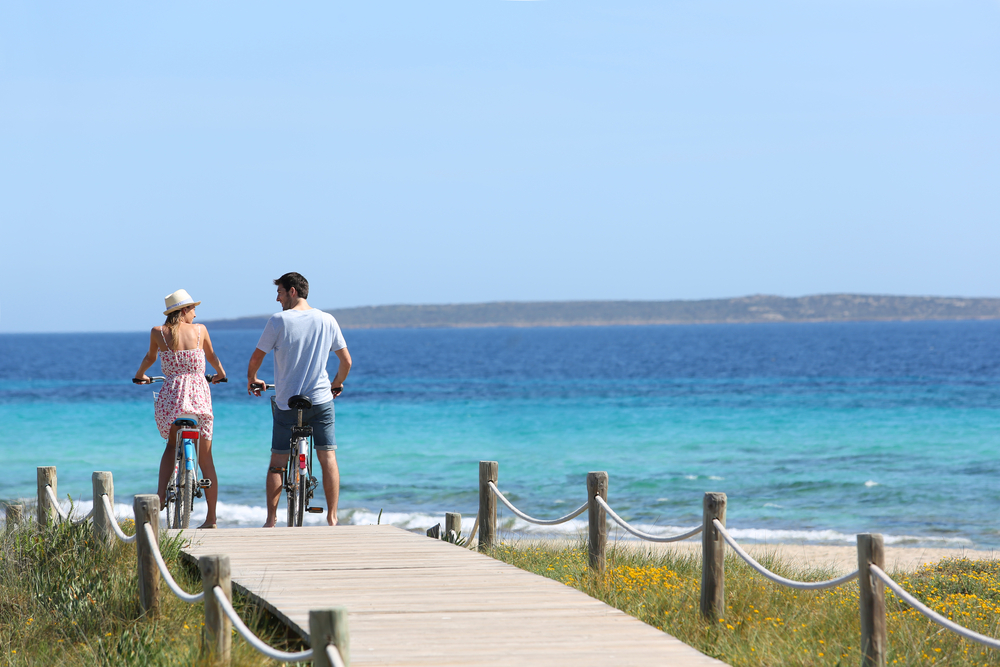
Introduction: The Unique Allure of Spain
There’s a whisper echoed in the hearts of countless travelers and expatriates: a feeling—a profound sense of well-being—that seems to blossom under the Spanish sun. The question arises, often more than once: “Waarom voel ik me beter in Spanje?” (Why do I feel better in Spain?) This is not a simple matter of climate or vacation mood. Rather, it is a nuanced tapestry woven from Spain’s rich culture, lush environments, vibrant communities, cuisine, pace of life, and something intangible that one can only feel upon experiencing it.
This in-depth article explores ten major aspects—each deeply developed, reflecting on the secrets of Spain’s magnetic effect on well-being. Whether you are a frequent visitor, contemplating a move, or simply curious, come discover why Spain is so frequently associated with enhanced happiness, tranquility, and a deeper enjoyment of life.
The Mediterranean Climate: Health and Happiness
The renowned Mediterranean climate is one of Spain’s greatest assets. With its mild winters, warm summers, and an average of more than 300 sunny days per year along much of the coastline, Spain enjoys weather conditions that many consider idyllic.
The Power of Sunlight
Sunshine is about more than comfort—it fuels our bodies and mind. The body synthesizes vitamin D under the sun, which is critical for bone health, immune function, and mood regulation. In Spain, the abundant sun boosts serotonin, the “feel-good hormone,” which research links directly to higher mood and lower rates of depression.
- Consistent sunlight allows for more year-round outdoor activity.
- Long daylight hours promote a sense of openness and possibility.
- Blue skies seem to frame the country in positive energy.
Outdoor Lifestyle: Nature as Well-Being
The temperate climate encourages an outdoor lifestyle. Spaniards and residents alike spend more time in parks, plazas, and along promenades, often walking, cycling, or simply enjoying a coffee under the sun. This connection to nature and the outdoors directly contributes to elevated mood, physical health, and social connectedness.
The Mediterranean climate also allows year-round access to spectacular beaches, rural trails, and mountainous vistas. Whether on the sun-drenched Costa del Sol, the verdant hills of the Basque Country, or the serene Balearic Islands, being enveloped by natural beauty daily impacts one's well-being in profound, measurable ways.
The Mediterranean Diet: A Blueprint for Wellness
One cannot discuss well-being in Spain without honoring the cornerstone of Spanish life: its world-famous Mediterranean diet. Numerous scientific studies, including extensive research funded by the European Union, have celebrated this way of eating for its role in longevity, cognitive health, and happiness.
Core Components of the Spanish Diet
- Olive Oil: Rich in healthy monounsaturated fats, antioxidants, and anti-inflammatory properties.
- Fresh Fruits and Vegetables: Consumed daily in large quantities, often bought from local markets.
- Fish and Seafood: Central to coastal regions, providing omega-3 fatty acids for brain and heart health.
- Legumes and Nuts: Plant-based proteins integral to many traditional dishes.
- Whole Grains: Found in breads, rice, and pasta, these add dietary fiber and slow-release energy.
- Limited Red Meat and Dairy: Consumed occasionally, contributing to lower cardiovascular risk.
- Moderate Wine Consumption: Often enjoyed with meals, particularly red wine, which is loaded with polyphenols.
Socializing at the Table
Food in Spain is not only nutritional: it is a social act. Shared meals bring friends and family together—tapas in a bustling bar, a leisurely paella by the sea, or a picnic under olive trees. This emphasis on conviviality is, according to positive psychology research, a fundamental element of happiness and emotional resilience.
The very act of eating slowly, savoring flavors, and enjoying companionship reduces stress and enhances digestion. In Spain, food means more than sustenance: it’s a celebration of life and community.
Slower Pace, Better Balance: The Spanish Rhythm of Life
Compared to many northern European countries, Spain operates at a different pace. There is an unspoken understanding that life cannot, and should not, be rushed. This is more than stereotype—it’s an observed and lived reality.
The Wisdom of the Siesta (and Its Modern Adaptations)
Historically, the famous siesta was a midday pause, especially prevalent in the warmer rural regions. This rest—once practical, now symbolic—represents respect for the body’s natural rhythms. Today, while the classic two-hour nap is rare (especially in cities), the ethos survives: long lunches, flexible work hours, and an intuitive sense that work is not the sum of life.
Work-Life Harmony
Spanish working hours often include a lengthy midday break, with evenings extending later into the night. Despite ongoing debate, this structure supports social interaction, family time, and personal relaxation. Businesses respect holidays and vacation time, and there is a clear line between work and leisure.
The impact of this rhythm is tangible: lower rates of stress-related illnesses, increased job satisfaction, and a populace who prioritize living well. Visitors often remark on how, in Spain, they rediscover time—not just to accomplish tasks, but to experience joy.
Vibrant Outdoor Social Life: Community as Medicine
Spain’s lively plazas, terraces, and cafés are more than architectural features—they are social engines. Human connection is paramount; time is carved out daily for friends, family, and neighbors, building networks of support and shared experience.
The Plaza: The Beating Heart
In towns and cities across Spain, the local plaza serves as a communal living room. Here, generations intermingle—children play, elders gossip, couples stroll. Outdoor events, markets, and festivals bring life to these open spaces throughout the year.
Terrace Culture and Spontaneity
An impromptu coffee or evening drink on a shaded terrace is a Spanish ritual. Even urban areas emphasize outdoor seating, prioritizing connection to fresh air and the passing world. This constant interplay of private and public, indoor and outdoor, creates a sense of belonging and inclusion.
Research into social well-being consistently finds that strong community ties are a predictor of happiness and longevity. In Spain, the very structure of public life cultivates these ties effortlessly.
Fulfilling Traditions and Celebrations: The Spanish Calendar of Joy
From North to South, Spain is a land of festivals. Throughout the year, ancient traditions and modern revelries infuse daily life with color and meaning. These rituals, whether solemn or exuberant, give rhythm to the calendar and foster a powerful sense of identity and place.
The Power of Ritual
Major festivals—such as La Feria de Abril in Seville, La Tomatina in Buñol, or San Fermín in Pamplona—fill the streets with laughter, music, food, and dance. Yet even small regional and village fiestas unite communities in shared history and joyful participation.
- Semana Santa: Holy Week celebrations blend solemn procession with pageantry, uniting the spiritual with the social.
- La Noche de San Juan: Midsummer bonfires on beaches, symbolizing renewal and optimism.
- Harvest and Wine Festivals: Mark the cycle of nature, abundance, and gratitude.
Continuous Renewal
Participating in communal celebrations boosts mental health, belonging, and purpose. In Spain, the next reason to celebrate is always on the horizon, promising light even in the darkest seasons.
A Deep-Seated Culture of Hospitality
Spanish hospitality is legendary. Visitors often remark on the warmth, friendliness, and openness of the people. In an age of increasing isolation elsewhere, Spanish customs place high value on welcoming strangers and nurturing friendships.
The Importance of Generosity
Whether through offering food, helping a neighbor, or inviting newcomers to join in festivities, Spaniards are culturally predisposed to generosity. This is not politeness—it is a way of life.
Emotional Expressiveness
Spanish culture encourages emotional openness and physical affection, which enhances empathy, reduces misunderstandings, and supports personal resilience. Favorites such as the double-cheek kiss, heartfelt conversation, and open laughter create a psychological environment in which people flourish.
The consequences are far-reaching: healthier relationships, lower levels of loneliness, and a pervasive sense of safety and community.
The Beauty of the Landscape: Nature as Healer
Spain’s geography is astonishing in its variety. From the snow-capped Pyrenees to the rolling Andalusian olive groves, from sun-drenched coastal cliffs to the forests of Galicia, nature’s splendor is never far away.
Coastlines and Beaches
Home to some of Europe’s most celebrated beaches, Spain offers opportunities for swimming, water sports, sunbathing, and simply absorbing the therapeutic rhythm of waves. The coastline is dotted with small fishing villages and dynamic resort towns—each with a unique character and hidden treasures.
Mountains, Forests, and Rural Retreats
For those who crave solitude or adventure, Spain’s interior offers protected natural parks, mountain trails, and pristine countryside. Activities like hiking, climbing, horseback riding, and bird-watching are woven into daily life. These landscapes invite mindfulness and awe—states of being strongly associated with happiness and health.
Living with easy access to nature improves physical health, lowers anxiety, and inspires creativity. In Spain, nature is not remote or reserved for vacations; it is a continual presence, shaping the psyche.
Historical Depth and Artistic Inspiration
Spain’s extensive history is written in its streets, buildings, and art. Roman ruins, Moorish palaces, Gothic cathedrals, and modern architectural marvels coexist. Museums, festivals, and everyday urban design encourage residents and visitors to engage deeply with culture.
Walking Through History
In cities such as Madrid, Barcelona, Córdoba, and Granada, walking through neighborhoods can feel like traveling through centuries. The daily encounter with craftsmanship, artistic expression, and preserved tradition inspires pride, humility, and a feeling of timelessness.
Encounters with Art
From the masterpieces of Goya, Velázquez, and Picasso to avant-garde installations and vibrant street art, Spanish culture prioritizes beauty. Public art, performance, and music are accessible, rather than confined to elite circles.
Immersion in art and history is nourishing not only intellectually, but emotionally. It encourages reflection, perspective, and a deep appreciation for the complexities of existence.
Affordable, Quality Living: Redefining Luxury
Another key to feeling better in Spain is the tangible improvement in quality of life, often at a surprisingly modest cost—especially compared to northern Europe and North America.
Everyday Indulgence at Sensible Prices
Fresh, local food is affordable and widely available. Public transportation is efficient and reasonably priced. Housing options are diverse, with many regions offering picturesque homes and apartments within reach. Even upscale cities like Barcelona or Madrid offer experiences—dining, cultural events, wellness services—that feel luxurious without exclusivity.
Less Stress, More Opportunity
Financial stress is a significant cause of unhappiness. In Spain, the combination of a slower pace, robust social support, and accessible amenities allows people to enjoy life's pleasures without constant anxiety over cost.
- Affordable healthcare: Spain’s public and private healthcare systems are world-renowned, offering peace of mind.
- Public services: Parks, libraries, sports facilities, and cultural centers enrich daily life.
Embracing a more generous sense of well-being becomes possible when basic needs are more easily met.
Lifestyle Diversity: A Place for Everyone
One of Spain’s quiet strengths is its incredible diversity, not only of geography and climate, but of ways to live. From cosmopolitan cities to sleepy mountain villages, sun-drenched islands to lush northern coastlines, Spain offers a lifestyle to suit every dream.
The Cities: Buzz and Sophistication
Madrid and Barcelona pulse with creative energy—world-class art, cuisine, nightlife, and education. Smaller cities such as Valencia, Málaga, and Seville blend urban excitement with tradition and intimacy.
Tranquil Villages and Rural Escapes
For those seeking peace, Spain’s countless villages—often set in dramatic landscapes—offer a slower, more traditional way of life. Here, community bonds are strong, and life follows the sensible rhythms of nature and heritage.
Coastal Living and Island Magic
Whether basking in the glamour of Marbella or embracing rustic Ibiza, Spain’s coasts and islands present a unique blend of relaxation and vitality.
- Active expatriate and digital nomad communities thrive, offering easy integration.
- Cultural openness: Spain, while proudly rooted in its traditions, is welcoming to newcomers from every continent.
This diversity means many who visit Spain find, perhaps for the first time, a place that feels like home.
Exceptional Healthcare and Well-Being Support
Spain ranks among the leaders worldwide in healthcare access and quality. The impact upon well-being is significant, both in terms of physical health and psychological reassurance.
Universal Access, Personal Attention
Spain’s public healthcare system, supplemented by a thriving private sector, ensures that quality medical care is accessible and affordable. Family doctors know patients by name, specialists are well-trained, and preventive care is emphasized.
Holistic Well-Being
Medical culture in Spain values not only cure but care—prevention, counseling, and integrative approaches are increasingly embraced. Mental health, long neglected worldwide, is gaining attention, with support available through both public and private channels.
A sense of security—knowing that one’s health is safeguarded—removes a fundamental source of anxiety and supports the ability to enjoy life fully and fearlessly.
Work-life Integration and Professional Growth
For those moving to Spain for career reasons or balancing remote work, the country’s approach to life-work integration is often revelatory.
Flexible Schedules and Distance Work
Especially in recent years, Spain’s professional culture has embraced remote work, flexible hours, and digital nomadism. The result: more time for personal well-being, family, and creative pursuits.
Entrepreneurship and Networks
Spain is also a hotbed for entrepreneurship and international collaboration. Programs and incentives exist for startups, and vibrant business communities can be found in cities and beyond.
Balancing ambition with a healthy lifestyle is not only possible—it’s the cultural expectation.
The Language and Expressive Culture: Living Emotionally
Spanish—the language and the expressive culture it fosters—is inherently social and emotionally rich. Communicating in Spanish (or its regional variations: Catalan, Basque, Galician, etc.) encourages directness, warmth, and connection.
Language and Happiness
Numerous studies point to the emotional benefits of bilingualism and linguistic richness, including greater resilience, creativity, and perspective. The Spanish language, with its musicality and warmth, fosters intimacy and joy.
Music, Dance, and Daily Celebration
No discussion of Spanish expressiveness is complete without mention of music—flamenco, pop, folk traditions, and modern innovations fill the air. Dance, festivals, parades, and spontaneous celebration are frequent, interwoven into the very fabric of daily living.
To live in Spain is to experience feeling as a virtue, whether through passionate conversation, music in the plaza, or a simple joke at the market.
How Moving to Spain Can Transform You
For many, the “Spanish feeling” starts as a moment—perhaps an evening overlooking the sea, a shared meal in a bustling square, or a dawn walk through olive groves. Over time, it becomes a transformation:
- Physical Health Improvement: More sun, better diet, outdoor living, and reduced stress all serve to heal and energize the body.
- Mental and Emotional Well-Being: With more social connection, less pressure, and natural beauty, anxiety and gloom dissipate; hope and optimism return.
- Perspective Shift: Living in Spain encourages letting go of hurry and scarcity, embracing abundance, and focusing on the present moment.
- Creativity and Joy: Surrounded by inspiration, tradition, and welcoming community, creativity flourishes and living becomes a work of art.
This transformation is not a myth. It is the collective story of countless individuals—drawn to Spain, changed by Spain, and enriched by its gifts.
Challenges and Opportunities: Adapting to Spanish Life
No country is perfect, and adapting to life in Spain comes with challenges. Understanding these is essential for a realistic, sustainable transition to well-being.
Language and Administrative Hurdles
Learning Spanish (and, in some regions, additional languages) can be daunting but immensely rewarding. Navigating bureaucracy, establishing legal residency, or setting up a business require patience and local guidance.
Cultural Adaptation
The slower pace, flexible attitudes toward time, and sometimes idiosyncratic processes in business/government can frustrate newcomers accustomed to different systems. Adaptation requires openness, humility, and, above all, a sense of humor.
The Reward: Deeper Belonging
With patience, the initial obstacles become opportunities to learn, grow, and ultimately feel more deeply at home. The process itself becomes part of the Spanish experience—teaching resilience, flexibility, and a new way of approaching life’s complexities.
Personal Stories: Voices Transformed by Spain
While statistics and social science illuminate the logic behind Spain’s well-being effect, sometimes personal stories speak loudest. Here are reflections from individuals who have found their better selves in Spain:
- Emma (UK, moved to Valencia): “I hadn’t realized how much climate and community influenced my happiness until I moved. Here, both are daily givens. I feel lighter, more optimistic, more myself.”
- Lars (Netherlands, retired to Costa Blanca): “The air, the light, the food, but especially the friends I’ve made—they have all helped me recover from years of stress and burnout. I truly understand now what it means to enjoy life.”
- Sophie (France, working remotely from Málaga): “Work no longer dominates my life. I have more energy for my art, for socializing, for nature. It’s as if I have discovered a second youth.”
Their stories are echoed in countless others, each unique, yet all united by a single theme: Spain changes you—for the better.
Conclusion: The Secret of Feeling Better in Spain
To answer the question “Waarom voel ik me beter in Spanje?” is to explore not only the country’s inherent charms, but also a philosophy of living that places well-being at its center. It is the confluence of sunshine, healthful food, meaningful traditions, welcoming communities, breathtaking nature, and the daily practice of savoring life that explains why so many find themselves renewed, inspired, and—quite simply—better in Spain.
For those seeking change, joy, and a richer way of living, the Spanish example serves as both invitation and inspiration. It offers a blueprint not only for relocation, but for transforming one’s approach to time, pleasure, and connection wherever you may be.
So, if you too have felt that ineffable improvement—the clearer mind, lighter body, deeper laughter—know that you are not alone. The Spanish secret is not a secret at all; it is there for all who choose to embrace it.
Frequently Asked Questions: Moving Toward Spanish Well-Being
-
Is the Spanish lifestyle accessible for everyone?
Spain’s diversity makes it welcoming to a range of lifestyles, backgrounds, and ages. While integration can take time, countless communities exist to support newcomers, from retirees to digital nomads to young families.
-
How important is it to learn the language?
Learning Spanish (and, where relevant, local languages) greatly enhances well-being, connection, and access to opportunities. Many newcomers find language-learning to be a rewarding challenge.
-
What are the key steps for a smooth transition?
Research, planning, patience, and local support are essential. Consider visits in different seasons, secure professional advice for legal and financial matters, and embrace local customs—from market shopping to festival participation.
-
Is Spain suitable for families with children?
Absolutely. Spain’s culture places great emphasis on family, and its healthcare, education, and public spaces are very family-friendly. Children quickly adapt and thrive in the warm, social environment.
Final Thoughts: Embracing the Spanish Way of Life
Ultimately, feeling better in Spain is about more than destination. It is about the decision to live well—to savor moments, cherish company, honor health, and foster joy. Whether for a season or a lifetime, Spain’s example calls us to be more fully alive and content wherever we are.
Let Spain remind you how good life can be—and how meaningful it is to feel not just better, but truly at home within yourself.