





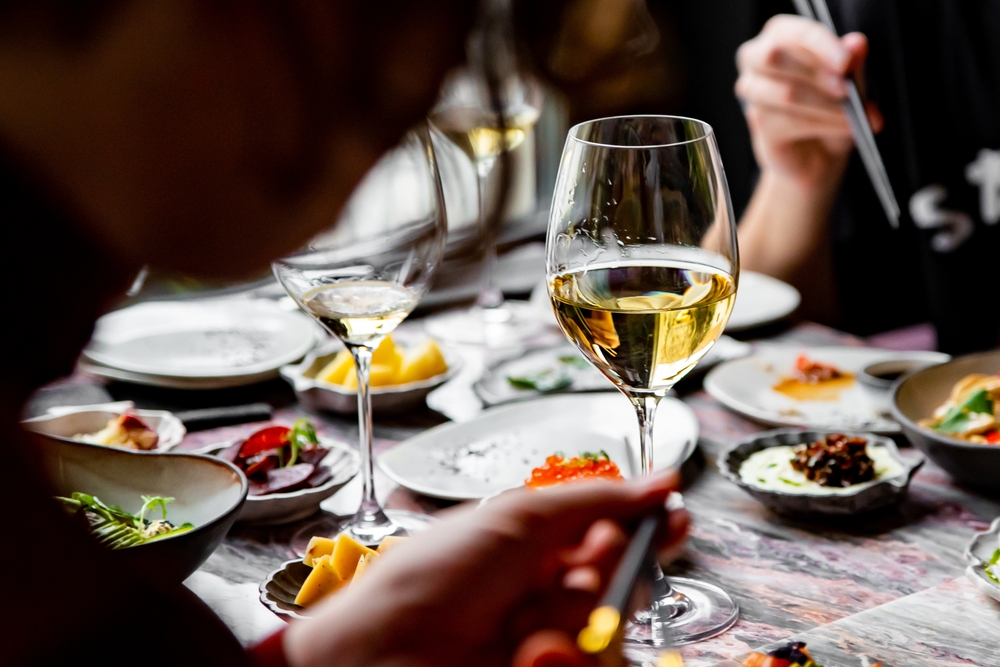
The Spanish Late-Night Dining Tradition: A Deep Dive into Culture, History, and Lifestyle
Spain’s vibrant evenings, bustling plazas, and overflowing terraces are world-renowned, not least for their late-night dining culture. For those visiting from northern Europe, where dinner is often served at 6 or 7 pm, the Spanish habit of dining after 9 pm—and often as late as midnight—can be bewildering. Yet, this custom is as much part of the nation's identity as flamenco or paella. In this comprehensive exploration, IMMO ABROAD unravels the historical, social, and practical reasons behind Spain’s famously late supper, delving into how this practice continues to shape Spanish life today.
Historical Roots: The Evolution of Spanish Mealtimes
From Ancient Civilizations to Modern Spain
The roots of Spain’s late-night eating habits can be traced back through centuries of history. In ancient times, the meal structure was largely dictated by the agrarian calendar, with farmers in the Mediterranean climate rising before dawn and pausing for a main meal during the hottest part of the day. However, the contemporary timing of Spanish meals began to crystallize in the 20th century, shaped by both political events and socio-economic factors.
The Impact of Franco’s Time Change
One of the most pivotal moments in shaping Spain’s current eating hours was the decision made by Francisco Franco in 1940. To align Spain with Nazi Germany during World War II, Spain moved its clocks one hour ahead of Greenwich Mean Time. This political move pushed the official time zone out of sync with the country’s natural solar rhythm, meaning that, in practice, the sun set—and therefore daily activities, including meals—took place later than the actual time suggested. The legacy of this change remains, perpetuating Spain’s habit of sitting down to dinner late into the evening.
The Rise of the Working Day and Social Patterns
As Spain modernized and urbanized, the structure of the workday also influenced meal patterns. The famous “siesta,” once a practical break for agricultural workers in the crippling midday sun, gradually morphed in urban settings. While the long lunch break persisted in some regions and sectors, office hours started and finished later, pushing dinner times even further into the night. This evolution reflects a combination of practicality and cultural preference, resulting in a distinctive mealtime rhythm that persists today.
The Structure of a Spanish Day: Beyond the Clock
Mealtimes in the Spanish Calendar
The traditional Spanish day is organized around five main eating periods:
- El Desayuno (Breakfast): Typically a light affair, enjoyed between 7:00 and 9:00 am, often consisting of coffee and a small pastry or toast with olive oil and tomatoes.
- El Almuerzo (Mid-Morning Snack): Usually occurring around 10:30 am or 11:00 am, this can be a sandwich (bocadillo), fruit, or more coffee.
- La Comida (Lunch): As the main meal, this takes place between 2:00 and 3:30 pm. La comida is a lengthy, often multi-course affair celebrated with family or colleagues.
- La Merienda (Afternoon Snack): Around 5:30 to 7:00 pm, children and adults alike enjoy a light snack, such as churros, fruit, or a small sandwich.
- La Cena (Dinner): Dinner rarely begins before 9:00 pm, often stretching to 10:30 pm or later, especially in the summer months.
The Social Significance of Late Meals
Far from being a mere function of the clock, late-night meals in Spain are a social ritual. Dinner is often shared with family and friends, serving as the centerpiece for connection, relaxation, and enjoyment. Restaurants fill with laughter and conversation well after the sun has set, a testament to the enduring power of food in Spanish society.
The Role of Climate and Geography
Adapting to the Mediterranean Climate
Spain’s warm climate, particularly in the south and along the Mediterranean coast, plays a significant role in shaping meal times. The intense midday heat in many regions makes eating large meals or conducting significant activities uncomfortable during early afternoon hours. As a result, lunch is scheduled for when temperatures begin to dip, with dinner reserved for the relative coolness of the evening.
Seasonal Changes and Regional Variations
While the North of Spain may cool considerably in winter, the southern and eastern coasts remain relatively temperate, reinforcing the tradition of late meals year-round. However, regional differences do exist—rural areas may maintain slightly earlier mealtimes, and the largest cities, such as Madrid and Barcelona, showcase the most extreme examples of late dining culture.
The Importance of Socializing: Food as a Community Pillar
Tapas, Tertulias, and La Vida Nocturna
Spanish culture values togetherness and community. This is vividly expressed through the tradition of tapas—small plates meant to be shared through long, leisurely evenings across multiple bars. Likewise, “tertulias”—social gatherings for conversation, often around food or drinks—extend far into the night. La vida nocturna (nightlife) is woven into the fabric of Spanish daily life, making late-night dining the centerpiece of social connection.
Shared Meals, Shared Lives
Unlike in many other cultures, where dinner might be a rushed affair, Spanish dinners are cherished opportunities to unwind and connect. Whether at home or in bustling plaza cafés, families and friends gather not only to eat but to savor one another’s company. The mealtime thus transcends nourishment, becoming an essential act of communal living.
Work, Leisure, and the Spanish Schedule
The Traditional Workday
The working schedule in Spain has long influenced the nightly meal. Unlike the more regimented nine-to-five structures found elsewhere, Spanish businesses and offices often open later and take extended breaks. In traditional settings, this might begin at 9:00 or 10:00 am, break between 2:00 and 4:00 pm for lunch, and resume until 7:00 or 8:00 pm. Consequently, dinner is delayed to accommodate these later hours.
Modern Trends: Flexibility and Continuity
While contemporary urban businesses and multinational corporations may adopt a more continuous workday, the overall rhythm remains: Spaniards live, work, and socialize later than their northern European counterparts. This flexibility—rooted in both tradition and necessity—continues to push evening meals deep into the night.
The Gastronomic Landscape: What Do Spaniards Eat for Dinner?
Light Dishes Designed for Late Evenings
While lunch is the main meal, Spanish suppers reflect the lateness of the hour. Dinners tend to be lighter—think grilled fish, tortillas (Spanish omelets), salads, or a variety of vegetable dishes. Small tapas are also typical, allowing for a convivial, unhurried eating experience.
The Role of Tapas and Pinchos
Late-night dining goes hand-in-hand with Spain’s tapas culture. In many regions, particularly Andalusia and the Basque Country, it is customary to enjoy several small dishes accompanied by wine, beer, or vermouth. This custom supports a lighter, more social supper, perfectly suited to late evenings.
Eating Out vs. Dining at Home
Spaniards are among Europe’s most enthusiastic eaters-out. Restaurants, bars, and terraces bustle well into the night, contributing to the dynamic street life after dark. At home, the tradition continues, with families often gathering around the table for a late meal, emphasizing conversation and relaxation over formality or haste.
The Economic Perspective: Impact on Businesses and Daily Life
The Late Economy: Restaurants and Nightlife
Spain’s night-owl culture creates a distinctive economic environment. Restaurants and bars adjust their hours to meet demand, thriving from the late evening rush. Hospitality workers, in turn, see their schedules centered around the late-night crowd, with kitchens often open past midnight—an anomaly in much of Europe.
Implications for Productivity and Family Life
The Spanish rhythm offers both opportunities and challenges. For many, the late meal is a cherished family tradition, reinforcing relationships and providing relaxation after a long day. However, critics argue that the late hours can pose difficulties for parents, children, and those integrating with more international business schedules, requiring thoughtful navigation between tradition and modernity.
Tourist Impressions: Navigating Spanish Meal Times
Adjusting Expectations: The Visitor’s Perspective
Tourists often grapple with Spain’s unique dining hours, finding themselves wandering cities in search of open kitchens during what would be dinnertime elsewhere. For newcomers, embracing the rhythm—enjoying an early snack and saving dinner for the late evening—opens the door to a more authentic experience, one filled with flavor and festivity.
Tips for Dining like a Local
- Plan ahead: Expect dinner to start at 9:00 pm or later, and book reservations accordingly.
- Enjoy tapas: Use early evening hours to sample small dishes and drinks, easing hunger before the late meal.
- Pace yourself: Embody the Spanish ethos of slow living—savoring both the food and the company.
Health and Wellbeing: The Spanish Paradox
The Mediterranean Diet and Late Meals
Despite concerns among some health professionals about eating late, Spain consistently ranks among the countries with the world’s highest life expectancies and low rates of obesity and heart disease. The renowned Mediterranean diet—rich in olive oil, fresh vegetables, fish, and moderate portions—plays a vital role in mitigating the potential negatives of late-night dining.
Biorhythms and Sleep
Scientific studies highlight the complexity of meal timing and health, suggesting that late dinners may impact metabolism and sleep for some individuals. However, in Spain, social and familial factors also contribute strongly to overall wellbeing, possibly counterbalancing any adverse effects through greater social support, relaxed lifestyles, and a strong sense of community.
Changing Times: The Future of Spanish Mealtime Culture
Younger Generations and Globalization
As Spain becomes increasingly interconnected with the wider world, especially through tourism and international business, there are subtle shifts in daily routines. Younger generations in urban centers may favor earlier dining or continuous workdays, mirroring patterns seen elsewhere in Europe. Even so, the late meal remains a cherished part of cultural identity.
Debates Over Time Zones and Schedules
There is ongoing public debate about whether to return Spain to its previous time zone, potentially aligning daily routines more closely with natural daylight. Advocates believe this would facilitate work-life balance and improve public health, while opponents point to the importance of tradition and the unique social fabric woven around late-night meals.
Regional Differences: North, South, Coast, and City
The Influence of Local Climates and Customs
While the pattern of late dining is national in scope, there are subtle regional variations:
- Andalusia: The south’s scorching summers push all activities, including meals, further into the evening.
- Basque Country and Galicia: In the cooler north, earlier versions of dinner may be found, yet the overall trend is still later than in central and northern Europe.
- Barcelona and Madrid: Spain’s largest cities epitomize the late-night culture, with restaurants filling as late as midnight, particularly on weekends.
- Rural Areas: Family and tradition may anchor earlier mealtimes, but these are still significantly later compared to international norms.
Key Takeaways: Why Do Spaniards Eat So Late?
- Historic-political events: The time shift in the 1940s cemented a later schedule into Spanish life.
- Climate adaptation: Meals are scheduled for cooler parts of the day.
- Work and lifestyle patterns: The split workday and prioritization of social life moves dinner into the late hours.
- Social connection: Eating together at night is a sacred part of community and family.
- Gastronomic tradition: The flexibility and richness of Spanish cuisine thrive in the late-night setting.
Cultural Identity: Tradition as National Treasure
The Spanish Table as a Reflection of Values
Mealtime in Spain is more than sustenance; it is a living tradition and a point of pride. The late-night dinner encapsulates key Spanish values: conviviality, flexibility, and a deep appreciation for life’s pleasures. While foreign visitors may be surprised by the lateness of the hour, embracing the Spanish rhythm is an invitation to experience firsthand the warmth, creativity, and affection that characterizes life on the Iberian Peninsula.
Practical Advice for New Residents and Home Seekers
Embracing the Spanish Lifestyle When Moving or Buying Property
For those considering relocating to Spain or purchasing property through IMMO ABROAD, understanding mealtime customs is crucial for seamless integration. Adopting the local dining rhythm can enhance social life, improve relations with neighbors, and provide a deeper appreciation for Spanish culture. It is also an excellent opportunity to explore the country’s diverse culinary traditions, from seafood feasts on the coast to market-fresh delights in bustling cities.
Building Your Life Around Spanish “Horas de Comer”
When setting up daily routines, newcomers are encouraged to:
- Coordinate meal and work schedules with local customs.
- Take part in local food rituals, such as weekend family lunches or neighborhood tapas evenings.
- Approach the Spanish table with patience, curiosity, and a readiness to connect.
Case Studies: Life in a Late-Night Nation
A Day in the Life: Family, Work, and Friendship
Follow the routines of a typical Spanish family: waking early, a light breakfast shared in a bustling kitchen, children heading off to school with a bocadillo (small sandwich), professionals grabbing a late-morning coffee and snack with colleagues. The lingering lunch provides time for connection, followed by work or school in the late afternoon. As dusk falls, families stroll—paseo—through lively neighborhoods before sitting down to a relaxed meal late in the evening, surrounded by laughter and conversation. The entire day is punctuated by community, flavor, and the celebration of togetherness.
Urban Professionals: Balancing Work and Tapas Culture
A young professional in Madrid may finish work at 7:30 pm before meeting friends in a bustling plaza for cañas y tapas. Conversations drift from politics to football to family news amid clinking glasses and shared plates. The group finally breaks up past midnight, each member carrying home the satisfaction of an evening well-spent—nourished by both food and fellowship.
Comparing Spanish Schedules: Global Perspectives
Southern Europe vs. Northern Europe
Compared to Italy, Portugal, and Greece, Spain still holds the record for the latest dinner hour. Across northern Europe—Scandinavia, Germany, England—meal times tend to be much earlier, reflecting different working schedules and climate-driven habits. In southern Europe, however, the relaxed approach to time and the prioritization of social life over strict schedules draws clear lines of contrast and curiosity.
Lessons from Abroad: Can the Spanish Diet Be Exported?
Other countries have sought to adopt elements of the Mediterranean diet and lifestyle, but the magical alchemy of Spanish mealtimes—combining climate, tradition, and social life—is uniquely difficult to replicate. It is not just the ingredients or recipes, but the entire cultural ecosystem that makes Spanish late-night dining so delightful and enduring.
The Enduring Appeal: Why the World Loves Spanish Evenings
Creating Lasting Memories Under the Night Sky
There is something singularly enchanting about Spanish evenings. From the orange glow of sunset over tiled rooftops to the joyful noise spilling from bars and terraces, late-night dining is not merely about sustenance; it is about life lived fully. The Spanish table, always open late, beckons with promise: connection, conversation, and joy that stretches well into the early hours. For visitors, residents, and locals alike, it is a defining feature of Spain’s soul—a tradition that endures and dazzles in equal measure.
Conclusion: Embracing Spanish Mealtime as a Passport to Culture
Understanding why Spaniards eat so late at night is key to appreciating the richness of the Spanish way of life. Rooted in history, shaped by climate, sustained by community, and celebrated through cuisine, Spain’s late-night meal is a vibrant thread in the national tapestry. By adjusting to the rhythm and joining the table—whether as a guest, tourist, new resident, or prospective property owner—one is invited into the heart of Spanish culture itself.
Adopt the custom, savor the pause, and discover the depth of connection possible when dinner is not just a meal, but a celebration of life, long after the sun has set. This is the Spanish secret, now yours to enjoy—only with IMMO ABROAD.