
Introduction: The Special Relationship Between the Dutch and Spain
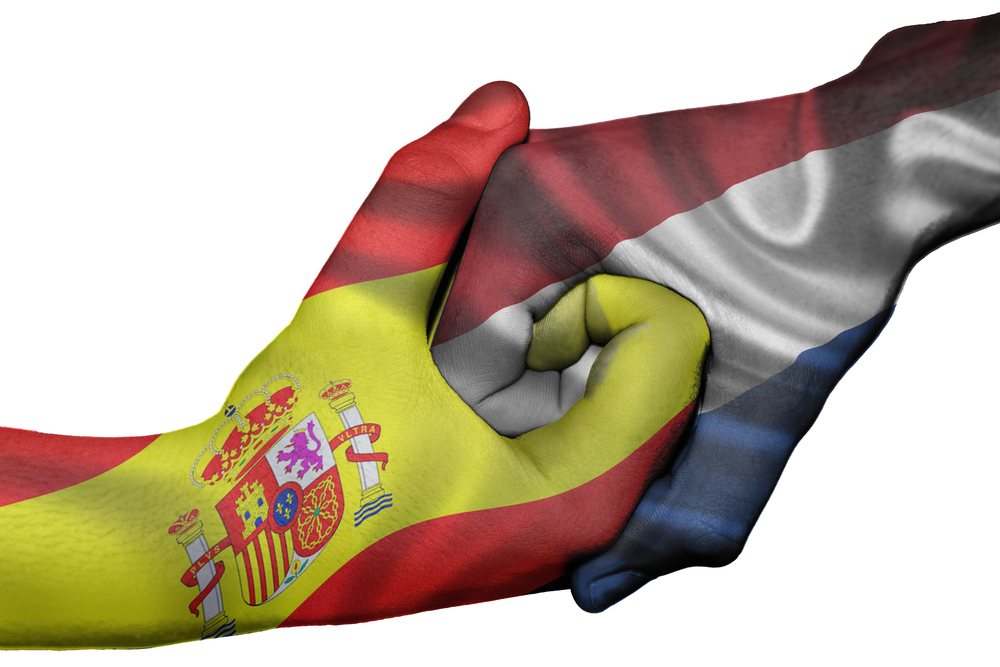
The bond between Dutch citizens and Spain has become a fascinating phenomenon in the world of international travel and expatriate life. Whether it is the picturesque streets of Andalusian villages echoing with the sound of Dutch conversations, or the friendly smiles exchanged at local markets in the Costa Blanca, it is impossible to ignore the popularity and embrace of the Dutch in Spain. Dutch people, affectionately known as 'Nederlanders', are not just prominent in numbers among visitors and settlers—they are genuinely beloved by Spanish locals. But what fuels such affection and integration? Why are the Dutch so well received, and what lies at the core of this warm relationship?
This comprehensive article dives deeply into the many cultural, historical, social, and personal aspects that explain why Nederlanders are so cherished in Spain. From their distinct approach to life and open-minded attitude to the strength of their community presence and economic contributions, we will examine every layer of this enduring affinity. Prepare for an inside look at the paths, experiences, and shared values that have forged this admiration—making the Dutch more than just guests, but true friends, neighbours, and valuable members of Spanish society.
The Historical Ties Between the Netherlands and Spain
To fully grasp why Nederlanders are so cherished in Spain today, it’s insightful to journey back and consider the roots of their shared history. Relations between these two nations stretch back centuries, shaped by complex historic episodes from the Eighty Years’ War to thriving modern connections grounded in peace and partnership.
Historical Encounters and Shared Heritage
Once upon a time, the Dutch and Spanish were embroiled in historic conflict, notably during the Eighty Years’ War when the Netherlands sought independence from the Spanish Empire. Over time, hostilities faded, replaced by diplomatic, cultural, and economic exchanges that have only grown more robust in the era of European unification. Modern bilateral relations are defined by travel, commerce, and respect, contributing to mutual awareness and affinity.
Influence of European Integration
The foundation of the European Union has further reinforced the cultural and economic bridges between the Netherlands and Spain. Through these connections, Dutch citizens visiting, living, or investing in Spain have become synonymous with a pan-European spirit of cooperation, tolerance, and understanding.
Cultural Compatibility: Shared Values and Lifestyles
At the heart of the genuine affection for Nederlanders in Spain are parallel values and lifestyle choices that foster seamless integration. These cultural compatibilities have helped endear the Dutch to their Spanish hosts, setting the stage for lasting friendship and mutual appreciation.
A Love for Life Outdoors
Both Dutch and Spanish people have a deep-rooted love for enjoying life outside. The Dutch are famous for embracing the outdoors, as evidenced by their cycling culture, active community life, and appreciation for natural beauty. Spain, with its abundance of sunshine, plazas, and outdoor cafes, complements this perfectly. Nederlanders feel instantly at home in environments where socializing outdoors and valuing free time are paramount.
Openness and Hospitality
Another thread binding the two cultures is the tradition of hospitality and openness. The Dutch are noted for their candid, friendly demeanor—traits which the Spanish not only recognize but reciprocate. The Spanish concept of 'convivencia', reflecting communal living and social harmony, complements the Dutch penchant for inclusivity and new experiences.
Respect for Tradition and Innovation
Both nations have a unique knack for balancing centuries-old traditions with a forward-thinking outlook. Whether through festive celebrations, culinary arts, or architectural heritage, Spanish and Dutch residents in shared communities show a mutual reverence for history while embracing change and modernity.
The Personality and Attitude of Dutch People in Spain
The distinct personality traits and social manners of Dutch individuals have helped cement their positive reputation in Spanish society. The Dutch temperament, characterized by open communication, reliability, and community-mindedness, harmonizes naturally with the social fabric of Spain.
Communication: Direct but Friendly
Dutch people are famed for their straightforwardness—saying what they mean without unnecessary embellishment—yet always in a friendly and constructive way. This type of honest communication is appreciated by many Spaniards, dispelling misunderstandings and cultivating genuine relationships.
Adaptability and Willingness to Learn
Nederlanders are renowned for their adaptability, curiosity, and commitment to understanding and respecting local customs. From picking up the Spanish language to participating in local festivities, the Dutch make conscious efforts to blend in, enhancing their integration and likeability.
Respectful and Law-Abiding Conduct
The Dutch have a reputation for being law-abiding and respectful to property and community norms. Their conscientious approach ensures they are seen not as disruptive outsiders but as valued contributors to their adopted neighborhoods.
Economic Contributions and Entrepreneurship
A notable reason why the Dutch are esteemed in Spain is the range and impact of their economic activities. The Dutch community is often associated with entrepreneurship, responsible investment, and contribution to the local economy, particularly in popular regions along the Mediterranean coast and the Balearic Islands.
Driving Local Business
Many Nederlanders relocating to Spain start businesses in hospitality, tourism, property management, and various service sectors. Their ventures not only create jobs but also introduce new ideas and standards of quality, benefitting consumers and raising the bar for local industries.
Positive Impact on Real Estate Markets
Dutch interest in holiday homes and permanent residences has been a steady and reliable influence in real estate markets from the Costa del Sol to the Costa Blanca. The Dutch are appreciated for choosing quality properties, participating responsibly in local buy-sell networks, and enhancing community stability.
Sustainable Practices and Innovation
Among their economic contributions, the Dutch often bring a mindset of sustainability and innovation. From eco-friendly construction to energy efficiency and recycling initiatives, their influence is felt in emerging trends toward greener living, aligning well with Spain’s growing environmental awareness.
Integration into Spanish Communities
Unlike some expat communities that remain insular, Dutch residents in Spain are celebrated for their willingness to integrate and participate in the life of their local communities. This visible presence and interaction foster lasting bonds and cement their beloved status.
Participation in Local Events and Traditions
Nederlanders can often be seen participating enthusiastically in Spanish festivals, fairs, and community celebrations—dressing up for Feria, joining in local food markets, or supporting summer fiestas. Their genuine interest in Spanish culture is taken as a sign of respect and friendship.
Volunteering and Community Service
Many Dutch individuals and families are active in volunteer work, donating their time and skills to Spanish charities, schools, and neighborhood initiatives. Their contributions strengthen local welfare and speak volumes about their commitment to being good citizens abroad.
Intercultural Friendships and Families
It is not uncommon to find Dutch-Spanish families, forged through marriage and long-term partnerships, which further reinforce the deep social ties. These blended families often become cultural bridges, enriching both Dutch and Spanish heritages.
Contributions to Culture and Social Life
Nederlanders are valued not only for their economic input but also for enhancing the cultural and social dimensions of Spanish life. Their energy, creativity, and enthusiasm are evident across community activities and public spaces.
Art, Music, and Creative Collaboration
The Dutch creative spirit finds a welcome home in Spain’s vibrant arts scene. From galleries to music festivals, many Dutch artists, musicians, and performers collaborate with Spanish counterparts, resulting in exciting cross-cultural projects that enrich the local atmosphere.
Promotion of International Exchange
Dutch residents often act as informal ambassadors of European identity, organizing cultural exchange festivals, exhibitions, and community language clubs, thereby spreading appreciation for diversity and mutual understanding.
Culinary Influence
While the Dutch are eager to savor Spanish cuisine, they also introduce their own treats to the Spanish table. Dutch-themed nights, baking workshops, and shared dinners add new flavors to Spanish culinary culture, sparking curiosity and friendship over meals.
Language Learning and Communication Skills
Language is a significant bridge for integration and mutual affection. While Spanish people often appreciate the effort foreigners make to learn their language, the Dutch are exceptionally active in acquiring fluency, breaking down barriers and building trust.
Dedication to Spanish Language Mastery
Nederlanders display a remarkable dedication to learning Spanish, enrolling in language schools, participating in local courses, and practicing daily conversation. This willingness not only smooths day-to-day interactions but creates space for deeper relationships.
Multilingualism and Education
Dutch education emphasizes multilingualism from an early age. Many Nederlandse schoolchildren grow up speaking several European languages, which means that Dutch families in Spain can often navigate both everyday conversations and official matters with ease.
Bridging Cultures Through Communication
With English, German, and often French also at their command, the Dutch help facilitate communication in cosmopolitan regions, acting as go-betweens for diverse expat groups and locals, thereby fostering a collaborative spirit.
Active Social Networks and Community Organisations
A critical factor in the positive perception of Dutch people in Spain is their strong tradition of organizing and participating in social networks. Dutch community life abroad is vibrant, diverse, and inclusive—not exclusive—which helps fuel cross-cultural friendship.
Clubs and Associations
Nederlanders establish and sustain a wide range of clubs, societies, and support groups, all open to both Dutch and non-Dutch members. These associations focus on sports, leisure, language, education, and charity, contributing to lively, supportive networks.
Events for All Ages
The Dutch in Spain plan everything from children’s playgroups and film nights to networking events for business professionals and holiday celebrations. These public and private efforts offer opportunities for locals and other expatriates to participate, forging a broader sense of community.
Support in Times of Need
When unforeseen events arise, such as health issues or natural disasters, Dutch community organizations are quick to coordinate donations and support networks, demonstrating solidarity and reinforcing their status as reliable neighbors.
Positive Stereotypes and the Dutch Image Abroad
A critical reason behind the warm reception of Nederlanders in Spain is the favorable set of stereotypes associated with the Dutch. These perceptions, built over decades of positive encounters, fuel the ongoing affection for Dutch visitors and residents.
Reliability and Trustworthiness
Dutch people are seen as trustworthy business partners, neighbors, and friends. This reputation has opened many doors for collaboration and endorsement, both in professional and daily life.
Friendliness and Humor
Dutch humor is widely appreciated in Spain, with their cheerful outlook and readiness to share a laugh adding much-needed positivity to community life.
Sporting Spirit and Teamwork
On sports fields—from golf clubs in Murcia to sailing clubs in Mallorca—Dutch teams and supporters are known for their fair play, encouragement of young talent, and community spirit, further cementing their image as ‘good sports’ in every sense.
The Dutch Approach to Integration: Learning and Respect
An outstanding trait of the Dutch community in Spain is their proactive and respectful approach to integration. Rather than merely adapting superficially, they invest in genuine understanding and respect for Spanish customs, holidays, and institutions.
Celebrating Spanish Festivities and Milestones
Many Nederlanders fully embrace local traditions. Whether it involves preparing for Semana Santa, joining in harvest festivals, or learning traditional dances, these gestures of participation go far in building bonds of trust and respect.
Understanding Regional Nuances
The Dutch show curiosity about Spain’s diverse regions, learning about linguistic and cultural differences between Andalusia, Catalonia, Galicia, and the Basque Country, among others. This awareness helps avoid cultural faux-pas and demonstrates deep respect.
Engagement with Local Authorities and Projects
Dutch residents are often proactive in engaging with local councils, attending town meetings, and getting involved in urban planning and improvement projects. Their input is valued and serves as a model for positive, participative citizenship.
Popular Destinations: Where the Dutch Settle in Spain
While there are Dutch communities scattered throughout Spain, several areas attract particular concentrations of Dutch residents due to their climate, services, and quality of life. Understanding where the Dutch are drawn and why further illuminates their popularity and integration.
Costa Blanca: A Dutch Oasis
The Costa Blanca is one of the most popular destinations, with its mild climate, welcoming towns, and a thriving network of Dutch support services, businesses, and friendships. Towns such as Altea, Benidorm, and Javea often host vibrant Dutch communities.
Costa del Sol and Andalusia
With its enchanting beaches, dynamic cultural calendar, and open, festive lifestyle, Andalusia also features prominently on the Dutch expatriate map. Here, the Dutch penchant for outdoor living and love for gardens and terraces finds full expression.
Catalonia and Balearic Islands
Urban, cosmopolitan destinations like Barcelona and Palma De Mallorca appeal to those seeking a blend of Spanish and international influences—an environment in which Dutch innovation and entrepreneurship thrive.
Less Traditional Destinations
Increasingly, Dutch expats are exploring Spain’s rural interior, smaller coastal villages, and even mountainous areas—places where their curiosity and adaptability bring fresh energy to local economies and social life.
The Dutch Retiree Community in Spain
Retiring in Spain is a dream for many, and the Dutch are among the most visible and integrated of all foreign retiree groups. Their embrace by Spanish communities is a source of mutual benefit and happiness.
Seeking Sun, Health, and Tranquility
The milder Spanish climate is particularly attractive for retirees fleeing colder Dutch winters, and many find improved health and well-being thanks to sunshine, Mediterranean diets, and active lifestyles.
Engaging in Local Life
Dutch retirees are not content to remain isolated; they attend local classes, join sports groups, hike, and often volunteer. Their involvement contributes valuable experience and perspective to Spanish communities.
Establishing Life-Long Friendships
With more time available and a willingness to integrate, Dutch retirees often form lasting bonds with Spanish families and other expats. Lifelong friendships blossom, deepening cultural ties for generations.
Education and Family Life: Raising Dutch Children in Spain
A growing trend among Dutch families is the decision to relocate to Spain to raise children in an international, bilingual environment. This dynamic introduces new connections and perspectives to Spanish schools and communities.
Bilingual and International Education
Dutch families are known for enrolling their children not only in international schools but also in local public schools, fostering linguistic and cultural exchange on a foundational level.
Promotion of Tolerance and Global Awareness
By exposing their children to a multicultural environment, Dutch parents show a commitment to raising tolerant, globally aware citizens, reinforcing Spain’s reputation as a welcoming and diverse society.
Enriching Community Life for All Ages
Dutch-led after-school clubs, sports leagues, and family events become assets to local communities, creating environments where children of all backgrounds can thrive, play, and learn together.
Sustainable Tourism and Responsible Travel
When it comes to tourism, the Dutch stand out for their responsible approach and value-driven travel philosophy—a key reason for their appreciation in popular destinations across Spain.
Choosing Authentic Experiences
Rather than chasing only the typical tourist spots, Dutch travelers often seek out authentic Spanish experiences, patronizing small, family-run restaurants and exploring rural villages off the beaten path. This mindful tourism supports local economies and preserves unique traditions.
Emphasis on Sustainable Practices
Nederlanders are among the leading promoters of sustainable tourism, minimizing their environmental footprint through conscious choices—recycling, using public transport, and supporting eco-friendly accommodation.
Respect for Local Residents and Environments
Spanish hosts often note the Dutch tendency to respect rules, natural spaces, and local customs, leading to less friction and more harmonious visitor-community relations—a reason why doors often remain wide open.
Challenges and Misunderstandings: Overcoming Cultural Gaps
Even with abundant goodwill on both sides, occasional misunderstandings and challenges can arise as cultures interact. However, the Dutch approach to addressing and learning from these moments has only strengthened their reputation in Spain.
Handling Bureaucratic Hurdles
Navigating Spain’s sometimes-complex bureaucracy can cause frustration for newcomers. The Dutch, valued for their organization and patience, typically persist until they learn the systems and help others follow suit.
Cultural Differences in Social Etiquette
Some differences, such as mealtimes, greeting styles, or expectations around punctuality, can take adjustment. The Dutch tendency to observe, adapt, and ask questions with humility makes transitions smoother.
Openness to Self-Reflection
Nederlanders are often willing to learn from their mistakes and adjust their behavior, demonstrating that integration is not a one-way street but a shared journey towards greater understanding and cooperation.
Case Studies: Personal Stories of Dutch Integration in Spain
To truly illustrate why the Dutch are beloved in Spain, consider real-life stories of those who have made the leap and woven themselves into the country’s fabric. These personal experiences highlight the multifaceted, heartwarming nature of Dutch-Spanish relations.
- A Dutch Entrepreneur in Valencia: After relocating, a Dutch business owner brought not just new jobs but also sponsored local youth basketball leagues, earning gratitude from many families.
- Retired Couple on the Costa Blanca: This pair became instrumental in organizing charity events and language exchanges, helping not only fellow Dutch but also Spanish neighbors improve English and Dutch skills.
- Young Dutch Family in Malaga: Wanting their kids to be bilingual and bicultural, they participated in local traditions, enrolled their children in local sports, and hosted ‘Dutch Days’ at school, strengthening inter-cultural bonds.
These case studies represent just a handful of the thousands of positive, uplifting stories unfolding daily across Spain, cementing the widespread affection for Dutch residents and visitors.
The Value of Dutch-Spanish Partnerships
Beyond individual achievements, the ongoing collaboration between Dutch and Spanish individuals and organizations sets a benchmark for what is possible in a connected, European community. Their partnerships are marked by respect, innovation, and a sense of mutual destiny.
Collaborative Projects in Sustainability
Environmental and urban renewal projects often benefit from the Dutch expertise in water management, renewable energy, and green urbanism—areas where their influence directly benefits Spanish towns and cities.
Academic and Educational Exchanges
Dutch universities and Spanish counterparts frequently engage in student and faculty exchange programs, joint research ventures, and cross-border internships, fostering new generations of globally minded citizens.
Artistic and Cultural Cooperation
Joint museum exhibitions, performances, and open-air festivals regularly feature Dutch and Spanish talent, providing platforms for dialogue, inspiration, and celebration of shared heritage.
Future Prospects: The Ongoing Affection for the Dutch in Spain
With each passing year, the Dutch-Spanish story grows richer and more interwoven. The future holds even greater promise as families, friends, professionals, and retirees continue to seek out common ground and fresh adventures together.
Emerging Trends in Expat Integration
As new generations of Nederlanders relocate for work, study, or retirement, they bring fresh skills and ideas to Spanish communities, continually renewing the cycle of adaptation and friendship.
Resilience in times of Change
The recent global shifts in travel, health, and economic landscapes have underscored the value of solidarity and mutual support. Dutch resilience and resourcefulness, already well recognized in Spanish eyes, will continue to inspire admiration.
Shared Vision for a Connected Europe
At the heart of the Dutch-Spanish relationship lies a shared vision for a united, harmonious, and sustainable Europe—in which communities from all backgrounds participate as equals and partners.
Practical Advice for Dutch People Moving to Spain
If you are considering joining the vibrant Dutch community in Spain, several practical steps will help facilitate your integration and ensure you make the most of your time abroad.
- Learn the language early: Even basic Spanish can open many doors. Consider immersive classes and speaking regularly with locals.
- Engage with your neighborhood: Attend local events, festivals, and council meetings to get to know your community and make meaningful connections.
- Be patient and flexible: Spanish bureaucracy and daily life may be different from what you’re used to; adaptability is key.
- Respect local customs and rhythms: Observing siesta time, respecting meal hours, and participating in traditions shows respect and earns trust.
- Give back: Volunteer, join clubs, and help where you can—this spirit of generosity will enhance your experience and benefit the community.
- Maintain ties to Dutch culture, but share it in a spirit of openness and inclusion, inviting others to learn and celebrate together.
Conclusion: Why the Dutch Will Always Find a Warm Welcome in Spain
The love affair between the Netherlands and Spain is built upon a foundation of shared values, mutual respect, and memorable personal encounters. At every level—from local markets to municipal halls, classrooms to community festivals—the Dutch are not only welcomed but cherished as fellow architects of Spanish life.
Their contribution is a blend of economic vitality, cultural curiosity, and human warmth. The Nederlanders’ directness, work ethic, open-mindedness, and profound respect for Spanish culture have made them ideal neighbors and lasting friends. In bridging differences and amplifying shared joys, they enrich the life of every Spanish town and city they call home.
For anyone wondering why the Dutch are so beloved in Spain, the answer is clear: it’s not just about numbers or nationality, but heart, effort, empathy, and the timeless desire to connect and belong. The Spanish, in turn, have responded with open arms, and the bond continues to flourish, setting a shining example of how different cultures can unite for a greater good.