



Introduction: Embracing Retirement on the Costa Blanca
Retirement marks the beginning of a new chapter, filled with excitement, relaxation, and the opportunity to pursue dreams sometimes set aside during earlier life stages. For many retirees, the decision of where to spend these fulfilling years is paramount—affecting not only quality of life but also health, finances, and social engagement. Over the past decades, one enchanting destination has steadily emerged as a top contender: the Costa Blanca. Nestled along Spain’s picturesque southeastern shoreline, the Costa Blanca beckons with its sun-drenched landscapes, authentic Mediterranean culture, and robust infrastructure designed for comfort, convenience, and well-being. But what makes this region so irresistible to retirees from across the globe? Join us as we delve deep into the compelling reasons so many choose the Costa Blanca for their golden years, unveiling the unique lifestyle, financial advantages, and cultural riches that define this exquisite coastal haven.
The Allure of the Mediterranean Climate
One of the Costa Blanca’s most celebrated features is its sublime climate. This Mediterranean paradise offers over 320 days of sunshine annually, bathing its iconic white beaches, vibrant towns, and lush valleys in warm golden light year-round. Average winter temperatures rarely dip below 16°C (61°F), while summer highs linger comfortably around 28°C (82°F), sparing residents from the extremes common elsewhere in Europe. This mild, stable climate is not only a balm for the spirit; it also makes the region especially appealing to retirees seeking comfort and health.
The consistent warmth and sunlight encourage a lifestyle rich in outdoor activities, supporting healthy aging by enabling retirees to enjoy daily exercise—be it gentle walks along palm-fringed promenades, leisurely swims in turquoise waters, or rounds of golf on world-class courses dotted across the coastline. The unique microclimate of areas like the Marina Baixa, shielded by dramatic mountain ranges, even boasts air recognized by the World Health Organization as among the healthiest in the world.
The Mediterranean weather creates ideal conditions for gardening, socializing on terraces, and cultivating an open-air way of life that many retirees crave after decades in cooler, rainier climates. Minimal humidity and the absence of harsh winters ensure that seasonal affective disorders and joint ailments are rarely a concern, allowing the golden years to be truly golden.
The Breathtaking Natural Beauty of the Costa Blanca
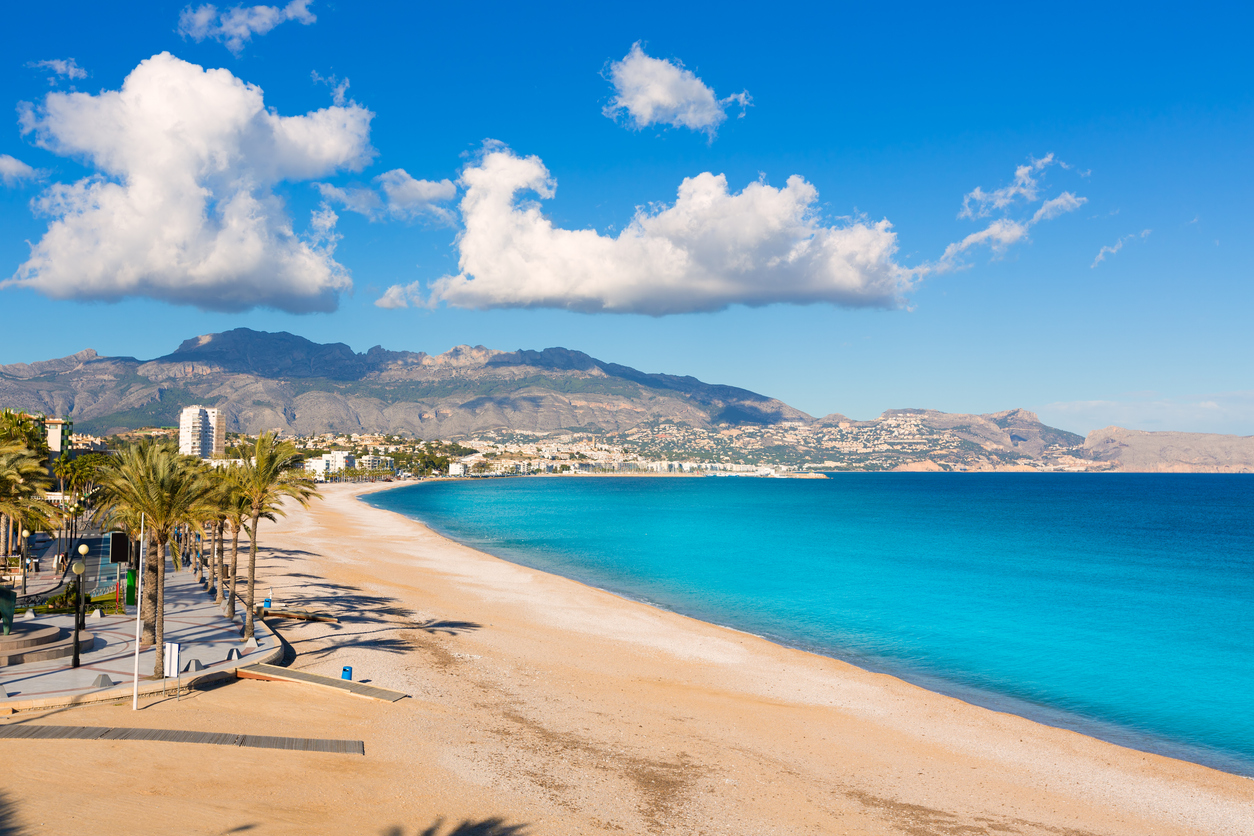
Beyond its climate, the Costa Blanca is prized for its astonishingly diverse natural beauty. The region unfurls over 200 kilometers (124 miles) of dramatic coastline, stretching from Denia in the north to Pilar de la Horadada in the south. Sparkling white-sand beaches, pebbly coves, and striking rocky promontories invite exploration and relaxation in equal measure.
Inland, enchanting valleys such as the Jalon and Guadalest are blanketed with almond orchards that burst into a sea of pink blossom each spring, while the mountainous hinterlands provide endless opportunities for hiking, cycling, and bird watching. The Serra Gelada, Montgó, and Bernia mountain ranges shield inland areas, protecting them from cold winds and creating unique microclimates ideal for growing olives, citrus, grapes, and even tropical species such as avocados and chirimoyas.
- Coves and beaches: Award-winning Blue Flag beaches such as Playa de San Juan, Levante Beach, and Cala Granadella draw sun-seekers and water sports enthusiasts alike.
- Nature parks: The region is peppered with protected parks, including the Las Salinas de Torrevieja, famed for its vibrant pink waters and flamingos, and the rugged Sierra de la Mariola, rich in aromatic herbs and prehistoric cave paintings.
- Botanical richness: Lush palm groves, vineyards, and citrus orchards offer a verdant counterpoint to the endless azure horizon.
Whether it’s a morning beach stroll, an afternoon exploring quaint mountain villages, or an evening picnic overlooking the Mediterranean, the Costa Blanca’s scenic tapestry nourishes the soul—no wonder so many retirees are enchanted by its daily wonders.
The Tranquil Yet Vibrant Lifestyle
Retirees who settle on the Costa Blanca quickly discover a rhythm of life that is both tranquil and stimulating. The pace is famously relaxed, nurturing a sense of calm while offering endless options for leisure, creativity, and connection.
Morning routines often start with fresh pastries and coffee at an outdoor café, followed by a trip to a bustling street market where seasonal produce, local cheeses, and handcrafted goods abound. Afternoons may involve a siesta in the shade, a leisurely swim, or an art class at the local cultural center. Evenings are reserved for al fresco dining, music, and the convivial company of friends—whether Spanish, international, or a mix of both.
The Costa Blanca has made a deliberate effort to foster an inclusive community spirit, with towns and resorts regularly hosting festivals, food fairs, open-air concerts, and exhibitions. Annual celebrations such as Las Hogueras de San Juan in Alicante or the Moors and Christians parades in Altea create a vibrant cultural calendar, ensuring there’s always something exciting on the horizon.
For those seeking personal growth and fulfillment, a wide array of courses—from flamenco to photography, Spanish language to ceramics—are on offer, often tailored to or popular with the expatriate and retiree community. Volunteering opportunities abound, enabling new residents to contribute to their adopted home and forge meaningful connections. This balance of serenity and stimulation is one of the region’s greatest gifts to its retirees.
World-Class Healthcare and Wellness Facilities
Access to high-quality healthcare is a cornerstone for retirees contemplating a move abroad, and the Costa Blanca consistently exceeds expectations in this critical area. Spain’s renowned public healthcare system (Sistema Nacional de Salud) is ranked among the world’s finest, and retirees who register as residents are typically eligible for treatment on par with Spanish citizens.
The region is served by a comprehensive network of modern hospitals and medical centers, with large cities like Alicante, Torrevieja, and Denia boasting state-of-the-art facilities staffed by multilingual professionals. Many clinics and specialists cater specifically to the international community, offering services in English, German, French, Dutch, and Scandinavian languages.
- Continuity of Care: Many expats maintain ongoing relationships with doctors, ensuring long-term health management and preventative care.
- Affordable Private Healthcare: For those seeking even faster access or additional comfort, private clinics provide a range of supplementary services at significantly lower costs compared to many Northern European countries or North America.
- Specialized Geriatric Services: Recognizing the needs of its retiree population, the Costa Blanca offers extensive physical therapy, rehabilitation, and geriatric care options, including home visits and community outreach.
- Wellness and Holistic Health: The Mediterranean lifestyle itself is a prescription for wellness—local diets are rich in antioxidants and healthy fats, and spas, yoga studios, and fitness classes abound, emphasizing preventative holistic health measures.
For retirees, the assurance that medical treatment is world-class, accessible, and responsive provides invaluable peace of mind, allowing them to focus on enjoying every moment of their new life under the Spanish sun.
An Affordable, Rewarding Cost of Living
One of the most compelling reasons for retirees to flock to the Costa Blanca is its affordable yet high-quality cost of living. In comparison to northern European or many North American cities, everyday expenses—housing, utilities, groceries, dining out, and recreational pursuits—are attractively moderate, enabling a comfortable lifestyle even on a modest retirement income.
Rental and property prices vary depending on location, with seaside apartments in popular towns like Altea, Javea, or Moraira commanding a premium, but properties inland or in developing communities offer exceptional value for money. Many retirees find they can afford a spacious, well-appointed home with a garden, terrace, or pool—luxuries unaffordable in their home country.
- Utilities such as water, electricity, and broadband tend to be reasonably priced, thanks to Spain’s efficient infrastructure and sunny climate, which reduces heating costs.
- Groceries are fresh and abundant, sourced locally and sold at open-air markets or well-stocked supermarkets. The Mediterranean diet, celebrated for its health benefits, is both enjoyable and economical.
- Dining Out is a pleasure rather than a splurge; even in prime locations, lunch menus (menu del día) offer three courses and a drink for a fraction of what one would pay elsewhere, making social dining an affordable daily habit.
- Public Transport is reliable and inexpensive, connecting major towns and cities and easing the cost and stress of mobility. For those who prefer driving, road systems are excellent and fuel remains reasonably priced.
With effective financial planning and the support of trusted local expertise, retirees find their money stretches further, empowering them to pursue hobbies, travel, and leisure that might have once seemed out of reach.
Accessible, High-Quality Real Estate Options
The Costa Blanca is celebrated for its remarkable selection of real estate, catering to diverse tastes, needs, and budgets. Whether seeking a lock-up-and-leave beach apartment, a characterful village townhouse, or a modern villa nestled in tranquil gardens, retirees will find the region’s property market welcoming and robust.
In recent years, the area has seen a thoughtful blend of new developments and lovingly preserved traditional homes. Modern apartments offer secure complexes, elevators, community pools, and easy access to amenities—a boon for those prioritizing convenience and mobility as they age. Meanwhile, rustic fincas (farmhouses) and meticulously restored bungalows offer a slower-paced, rural lifestyle for those yearning for space and privacy.
- Turnkey Solutions: Many properties are sold fully furnished, with kitchens fitted and gardens maintained, making relocation simple and stress-free.
- Sustainable Living: Eco-conscious retirees benefit from homes with solar panels, energy-efficient appliances, and low-maintenance landscapes, supporting both the environment and their budgets.
- Community Living: Gated estates and residential communities often provide shared leisure facilities such as tennis courts, gyms, and clubhouses, fostering security, activity, and social engagement.
- Adaptable Housing: A growing market for accessible accommodations—ramped entrances, walk-in showers, and single-floor layouts—caters perfectly to retirees planning for the future.
With clear legal processes and the guidance of seasoned professionals, finding the perfect home or investment on the Costa Blanca is a smooth, transparent journey. This wealth of choice ensures that every retiree can find a haven perfectly matched to their vision of retirement.
A Welcoming and Diverse International Community
Retirement is best enjoyed in good company, and the Costa Blanca distinguishes itself as a true melting pot of nationalities. Over the years, the region has warmly embraced newcomers from the United Kingdom, Germany, Scandinavia, the Netherlands, Belgium, France, and beyond. This mosaic of cultures coexists harmoniously with the local Spanish population, enriching daily life with a cosmopolitan flair.
Expats and retirees here benefit from well-established social networks, clubs, and associations tailored to international lifestyles. Language exchanges, book clubs, outdoor adventure groups, and charitable organizations thrive, offering invaluable opportunities to build friendships, share experiences, and integrate fully into both local and international circles.
Newcomers find it comforting to be surrounded by others who have undertaken similar journeys and can offer guidance—whether on navigating legal paperwork, selecting the best local markets, or tackling Spanish language basics. Many towns have dedicated international centers, providing practical support and organizing community events, language classes, and cultural excursions.
- Multilingual services: Numerous doctors, lawyers, and business owners cater to international clients, often communicating in several languages.
- Festivals and cultural celebrations: National holidays, international food fairs, and themed gatherings give retirees a chance to celebrate heritage while embracing Spain’s traditions.
- Religious and spiritual communities: Churches, synagogues, and other houses of worship hold services and gatherings in several languages, offering a sense of continuity and comfort for those seeking spiritual connection.
This atmosphere of warmth, inclusivity, and camaraderie is a principal reason so many retirees not only choose the Costa Blanca but thrive here—finding both a home and a sense of belonging.
Rich Culture and Historical Heritage
Life on the Costa Blanca is steeped in a culture both ancient and vibrant, inviting retirees to immerse themselves in a world of festivals, art, music, and tradition. This region of Spain has been a crossroads of civilizations for millennia—the Phoenicians, Romans, Moors, and Christians have all left their mark, visible today in architecture, gastronomy, and folklore.
Charming coastal cities such as Alicante, Villajoyosa, and Denia boast storied old quarters with winding alleys, colorful houses, imposing castles, and bustling plazas. The hilltop fortress of Guadalest and the historic center of Altea are must-see gems, while Benidorm’s modern skyline contrasts with its quaint old town and fishing harbor.
- Museums and galleries: Explore the MARQ Archaeological Museum in Alicante, Denia’s Toy Museum, or the Casa Museo Axarquía in Javea to learn about the region’s eclectic history and creativity.
- Theatrical and musical events: The Costa Blanca is buzzing with concerts, opera, open-air cinema, and traditional dance performances, many hosted in restored medieval theaters or open plazas.
- Festivals and traditions: From grand fireworks displays to moving Holy Week processions and lively Carnival celebrations, retirees are welcomed as participants rather than spectators.
Local markets, artisan studios, and workshops offer hands-on insight into the crafts and culinary specialties that define the region. Retirees can fill their days not just with pleasure, but with discovery, learning, and creativity—a living connection to the past and present of their new home.
The Mediterranean Diet and Culinary Delights
No discussion of the Costa Blanca is complete without highlighting its legendary gastronomy. The region’s cuisine, rooted in the healthy Mediterranean diet, is a tantalizing blend of fresh local produce, freshly-caught seafood, aromatic herbs, and heart-healthy olive oil—all enjoyed at sprawling outdoor tables beneath the sun or stars.
Retirees who settle here discover a culture that celebrates every meal, savoring local specialties and time-honored recipes that not only delight the palate but also promote longevity and vitality.
- Paella and rice dishes: Valencia, just north of the Costa Blanca, is the birthplace of paella, but the whole coastline specializes in flavorful rice creations—arroz a banda, arroz negro, and fideuá, each with unique regional twists.
- Seafood abundance: Fresh anchovies, red prawns, cuttlefish, and octopus feature prominently, often grilled or prepared in savory stews.
- Tapas tradition: The joy of sampling small, flavorful dishes—patatas bravas, boquerones, jamón ibérico—while socializing with friends is a cornerstone of life on the Costa Blanca.
- Local wines and liqueurs: Vineyards in the Jalon Valley and beyond produce robust reds, crisp whites, and sweet muscatels, ideally paired with local cheeses, almonds, and dried fruits.
Health-conscious retirees relish the opportunity to embrace this celebrated diet, linked by researchers to lower rates of heart disease and increased longevity. Weekly trips to open-air markets and hands-on cooking classes are as much social events as they are culinary pursuits, reinforcing the Costa Blanca’s reputation as a land of abundance, flavor, and friendship.
Easy Access and Excellent Infrastructure
While natural beauty and cultural appeal are significant, the logistics of living abroad—travel, communication, and daily convenience—are critical for retirees. The Costa Blanca excels in its practicality, boasting outstanding infrastructure that connects residents to every service and destination they might desire.
- International airports: Alicante-Elche and Murcia-Corvera airports offer regular flights to major European cities, making travel to and from home countries simple and affordable for retirees and visiting family.
- Modern road network: Well-maintained highways, coastal roads, and public transportation (trains, trams, buses) make getting around the region swift and straightforward.
- Healthcare and emergency services: Hospitals, clinics, and fire/police stations are well-distributed and accessible throughout the region, ensuring fast response and reassurance.
- Shopping and daily needs: Everything from international supermarkets, pharmacies, and specialty shops to post offices and banks are available in even small villages, supporting a comfortable, worry-free lifestyle.
- Telecommunications: High-speed internet and mobile connectivity make staying in touch with friends and family, handling business, and even remote work entirely practical for retirees.
This infrastructure, combined with the Spanish emphasis on hospitality and service, ensures that retirees experience minimal stress and maximum enjoyment in their daily routines—a key factor in the decision to choose Costa Blanca for long-term living.
Safety, Stability, and Quality of Life
Retirees rank safety high among their criteria for an ideal destination, and the Costa Blanca consistently scores well on measures of personal security, political stability, and overall quality of life. Spain’s commitment to community policing, modern infrastructure, and social harmony provides an environment where retirees can feel secure and well cared for.
- Low crime rates: The Costa Blanca’s towns and villages are known for their welcoming spirit and low incidence of crime, fostering peace of mind for residents and their families alike.
- Political and economic stability: As a member of the European Union, Spain benefits from political continuity, robust legal protections, and access to diverse markets and opportunities.
- Civic participation: Retirees are encouraged to engage in local life, voting in municipal elections (if EU nationals), volunteering, and participating in citizen initiatives that promote safety and quality of life.
This environment of trust and mutual respect means that retirees are free to pursue their interests and ambitions without undue concern—adding another vital layer to the Costa Blanca’s overall appeal as a retirement paradise.
Opportunities for Leisure, Sport, and Adventure
Retirement on the Costa Blanca is far from sedentary. The region’s climate and topography enable a dazzling range of active and leisure pursuits—whether exploring hidden mountain trails, sailing along the coast, or perfecting a swing on immaculate golf courses. This abundance of choice supports holistic health, social interaction, and emotional fulfillment.
- Golf: The Costa Blanca features more than 20 exceptional golf courses, many with scenic sea views and first-rate clubhouses welcoming international members.
- Water sports: Sailing, snorkeling, scuba diving, paddleboarding, and fishing are mainstays on the coastal agenda, with instructional programs available for all experience levels.
- Hiking and cycling: Hundreds of marked trails wind through mountains, valleys, and nature parks, offering activities for everyone from casual walkers to seasoned athletes.
- Yoga and wellness retreats: The serene landscape has fostered a vibrant wellness scene, with yoga studios, thermal baths, and mindfulness retreats promoting holistic health.
- Arts and culture: Music, painting, sculpture, and dance classes are widely available, supporting creative pursuits long cherished or newly discovered in retirement.
Joining clubs or group activities is effortless, easing the transition for newcomers and expanding horizons for all. The Costa Blanca invites retirees to remain active, curious, and engaged—giving every day purpose and joy.
Supportive Local Services and Integration Resources
Navigating a move abroad can come with challenges, but the Costa Blanca stands apart for its supportive local services geared towards retirees and international residents. The region has developed a robust ecosystem of integration resources, ensuring a smooth transition and a rewarding daily experience.
- Local guidance and management: Leading companies and community representatives provide hands-on support with paperwork, healthcare registration, and understanding local laws and customs.
- Language services: Spanish language classes, translators, and bilingual staff in businesses help newcomers become independent and immersed in their new home.
- Social and cultural integration: Orientation events, mixers, and welcome groups accelerate the path to making friends and joining local life.
- Legal and financial assistance: Experts guide retirees through property transactions, tax matters, inheritance laws, and pension arrangements.
- Community newsletters and bulletins: Both digital and print resources keep retirees informed of upcoming events, news, and services vital to their well-being and enjoyment.
These comprehensive support systems ensure that even those arriving alone or with limited Spanish feel empowered and secure as they build their new life on the Costa Blanca.
Retirement Planning and Residency: What to Know
Practical considerations often shape the decision to retire abroad, and understanding residency, taxation, and legal requirements is essential for a hassle-free and enjoyable experience. Spain, and particularly the Costa Blanca, has developed a straightforward and welcoming approach for retirees.
- Residency permits: While EU nationals benefit from simple registration, non-EU retirees can apply for residence visas such as the Non-Lucrative Visa, which allows long-term residency provided certain income and health insurance requirements are met.
- Taxation: Spain offers double taxation agreements with many countries, ensuring that retirees are not taxed twice on pensions or other income. Specialist advisors help maximize benefits and avoid pitfalls.
- Spanish social security: Those who contributed to European pension systems often remain eligible for healthcare under reciprocal agreements, while private health insurance bridges any gaps.
- Inheritance and property law: Professional legal support ensures that wills are properly drafted and property is soundly registered, protecting retirees’ interests and their heirs.
Proactive planning and trusted local experts mean retirees can enjoy peace of mind, focusing entirely on making the most of the Costa Blanca’s wonderful opportunities without bureaucratic headaches.
Looking to the Future: Sustainable Living on the Costa Blanca
A new wave of retirees is arriving on the Costa Blanca with a keen focus on sustainability and responsible living. The region is answering the call by promoting green building practices, renewable energy, and community initiatives aimed at preserving its unique environments for future generations.
- Renewable Energy: Many new-build homes and town communities are investing in solar panels, rainwater harvesting systems, and energy-efficient appliances to reduce environmental impact and utility costs.
- Local agriculture: Farm-to-table dining, weekly organic markets, and cooperatives support healthy, environmentally conscious eating patterns.
- Eco-tourism: Nature walks, bird-watching, and marine reserves promote responsible leisure while nurturing appreciation for the region’s stunning biodiversity.
- Community gardens and recycling schemes: Residents participate in green spaces and zero waste initiatives, demonstrating engagement and stewardship.
For retirees seeking not only a beautiful setting but also a meaningful, future-minded lifestyle, the Costa Blanca stands apart. Here, the pursuit of happiness is fully compatible with caring for the planet.
Frequently Asked Questions About Retiring to the Costa Blanca
How easy is it to learn Spanish and integrate locally?
While many locals and professionals speak English and other European languages, learning some Spanish greatly enhances daily life and integration. Abundant language schools and conversation exchanges, alongside friendly neighbors, make it an enjoyable process.
What is the healthcare system like compared to other countries?
Spain’s healthcare system is world-class. Public hospitals, clinics, and pharmacies are well-equipped and staffed by experienced professionals. Private healthcare is also excellent and affordable compared to many other western nations.
Is it possible to work or start a business after retiring to the Costa Blanca?
Retirees who wish to supplement their income or volunteer often find flexible opportunities, from teaching languages to consulting or launching small businesses. Regulations depend on residency status, but support is readily available.
How safe is the Costa Blanca for single retirees?
The region’s low crime rate, robust community networks, and welcoming atmosphere make it exceptionally safe. Many singles form strong social ties through clubs, volunteer work, and group travel.
Does the region suit all types of retirees (active, rural, city-loving)?
Absolutely. Urban centers like Alicante and Benidorm pulse with life, while smaller towns offer tranquility and access to nature. The mix of settings ensures every retiree finds their own perfect pace and style.
How easy is it for family and friends to visit?
Direct flights, excellent road networks, and a climate ideal for year-round holidays make it easy and affordable for loved ones to visit and share in the Costa Blanca experience.
Conclusion: Costa Blanca—Retirement, Perfected
Choosing where to spend the golden years is a decision that shapes well-being, happiness, and fulfillment for years to come. As we have explored in great depth, the Costa Blanca stands out as a beacon for retirees—a place where nature’s beauty, human connection, culture, wellness, and affordability converge to create an unrivaled quality of life.
From its sunny and stable climate to a welcoming international community, from world-class healthcare to inspiring cultural riches, the Costa Blanca offers everything retirees could wish for. With flexible real estate, attentive local services, and an eye firmly on the future, the region has rightfully earned its reputation as the retirement paradise of Europe—and the world.
For those seeking not merely to retire, but to thrive, discover, and enjoy every day to its fullest, the Costa Blanca awaits—ready to turn dreams into everyday reality under the Mediterranean sun.