





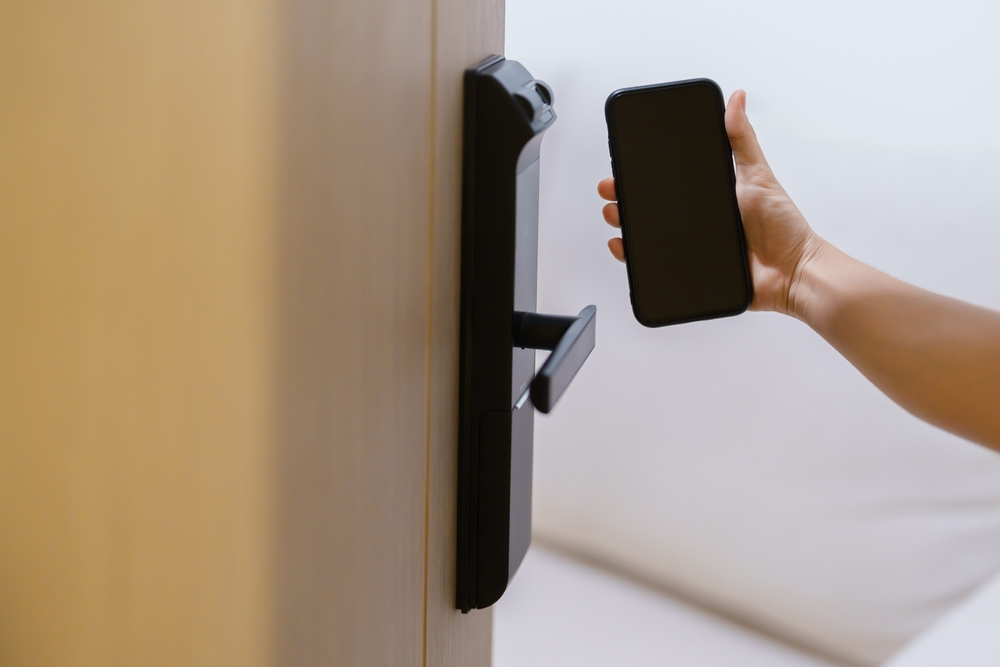
Introduction to WiFi Deursloten in Spain
The rise of smart home technology has ushered in a new era of convenience and security for homeowners worldwide. At the forefront of this revolution is the WiFi deurslot – a smart lock that allows residents to manage access to their properties remotely. In Spain, where property investments, second homes, and seasonal rentals are common, the value of WiFi door locks becomes even more pronounced. This comprehensive guide explores the myriad advantages, installation considerations, security aspects, and lifestyle enhancements offered by WiFi deursloten, all tailored to the Spanish context.
The Evolution of Door Security: From Traditional Locks to WiFi Deursloten
For centuries, homeowners have relied upon mechanical locks—rudimentary in design but functional for basic security needs. These traditional systems, while familiar, present numerous challenges in terms of lost keys, unauthorized key duplication, and lack of access control. As technology progressed, the paradigm began to shift towards digital and electronic locking mechanisms.
The Spanish property market, with its blend of old-world charm and modern living, presents unique requirements for security: robust protection, ease of use for visitors, and adaptability for remote property owners or holiday home landlords. WiFi deursloten represent the next logical step, merging seamless digital integration with stringent security protocols, all accessible via a homeowner’s mobile device or computer.
Key Features of WiFi Door Locks
- Remote Access: Grant or revoke access regardless of your physical location.
- Audit Trails: Monitor who enters and exits, and when.
- Keyless Entry: Eliminate the risks of lost or duplicated keys.
- Integration: Sync with other smart home devices for holistic protection and convenience.
- Customized Permissions: Grant timed or recurring access permissions for guests or staff.
Benefits of WiFi Deursloten for Spanish Homeowners
Implementing a WiFi deurslot at your Spanish property delivers substantial benefits, not only in terms of safety but also for daily living, property management, and the rental experience.
Enhancing Security Standards
Spain’s vibrant real estate landscape attracts investors and homeowners from around the globe. Securing property in bustling urban centers, serene coastal regions, or remote countryside villas is paramount. WiFi-connected door locks incorporate advanced encryption and access control measures, drastically reducing the risk of unauthorized entry.
Seamless Access Management
Gone are the days of arranging key pick-ups or worrying about lost copies. WiFi deursloten empower property owners to manage permissions at a granular level. Whether you’re in Madrid, Marbella, or miles away in Northern Europe, you can instantly grant or revoke access for cleaners, guests, or maintenance personnel—with just a tap on your smartphone.
Optimal for Second Homes and Holiday Rental Properties
Many Spanish homebuyers purchase properties for seasonal use, vacation rentals, or as short-term lettings. WiFi-enabled door locks make guest transition effortless: codes or credentials can be generated per booking, set to expire at checkout, and managed without a physical presence.
Audit Trail and Monitoring
Activity logs are a standard feature on many WiFi deursloten. Homeowners can review exactly who entered the property and when—a crucial asset for short-stay rentals and those who value transparency in property management.
Core Components and Types of WiFi Door Locks
Not every WiFi deurslot is created equal. Authorities in Spanish home automation generally categorize smart locks by the method of entry, installation requirements, and security features.
Main Mechanisms
- Keypad Entry: Users input a numeric code. Common in rentals due to ease of sharing codes.
- App-Based Access: Entry is granted via a dedicated smartphone application, requiring internet connectivity.
- Biometric Entry: Fingerprint recognition for high security, often paired with additional methods.
- RFID or Key Fobs: Tap-to-enter via cards or fobs—often used in offices or multi-unit dwellings.
Battery and Power Considerations
Most WiFi deursloten are battery-operated, ensuring functionality even during power outages. Leading models offer months, or even years, of operation on a single set of batteries, and many send timely alerts when battery levels are low.
Integration Features
Advanced WiFi smart locks can integrate with digital assistants, security systems, or even home automation hubs. For homeowners in Spain considering a comprehensive smart home setup, compatibility with platforms such as Google Home, Amazon Alexa, or Apple HomeKit is a valuable attribute.
Installation Considerations and Compatibility with Spanish Property Types
Spain boasts a diverse array of architectural styles— from centuries-old fincas and rustic cortijos to sleek, modern apartments and sprawling villas. The suitability and installation process of WiFi deursloten depend largely on the property’s door type, existing lock mechanism, and wireless network coverage.
Door Specifications
Most WiFi door locks are designed to retrofit existing euro-cylinder or mortise lock setups, both of which are prevalent in Spanish housing. However, certain older doors, particularly in Andalusian cortijos or historic apartments, might require minor modifications or adapter kits.
Professional vs. DIY Installation
- Professional Installation: For high-value properties or those unfamiliar with locksmithing, professional installation offers peace of mind and ensures maximum security.
- DIY Options: Many leading WiFi locks are sold as self-install options, requiring only basic tools and minimal technical expertise. Step-by-step guides and support are typically provided.
Wireless Connectivity Needs
A key requirement for WiFi deursloten is a reliable home WiFi network. In remote Spanish countryside homes or rural fincas, WiFi coverage may require enhancement via range extenders or mesh systems to guarantee smooth operation.
Weatherproofing and Durability
Spain's diverse climate—from humid Mediterranean coasts to dry, hot interiors—demands that door locks are weather-resistant. Leading models offer robust construction, corrosion resistance, and IP-rated protection against dust and moisture.
The Process of Selecting the Ideal WiFi Deurslot for Your Home
Investing in a WiFi deurslot for your Spanish property requires careful deliberation. The selection process hinges on factors including security standards, compatibility, ease of use, and future-proofing for other smart home advancements.
Key Considerations
- Security Certifications: Look for European standards, such as EN 15684 or equivalent, to ensure your lock meets rigorous safety benchmarks.
- User Experience: Evaluate app intuitiveness, customer support, and update reliability.
- Integration Needs: Consider whether the lock can integrate with your current or planned smart home system.
- Physical Design: Ensure the design matches the aesthetic of your property and supports the specific type of door (wood, metal, glass).
Common Mistakes to Avoid
- Overlooking battery life or warning notifications.
- Ignoring compatibility with existing door hardware.
- Failing to update firmware regularly for optimal security.
- Choosing a lock without local language support for the management app if Spanish is preferred.
Integration of WiFi Deursloten with Other Smart Home Features
A WiFi deurslot is often just the beginning of a broader, interconnected smart home ecosystem—a concept gaining substantial traction among Spanish property owners seeking both luxury and innovation in their residences.
Seamless Automation Across Devices
- Smart Lighting: Automate porch or hallway lights to activate upon door unlocking.
- Security Cameras: Enable video verification of entry in real-time whenever the door is accessed.
- Climate Control: Adjust thermostats or air conditioning as soon as someone arrives home.
Advantages of Unified Management
By uniting smart locks, alarms, surveillance, and lighting into a single interface, homeowners benefit from both enhanced security and sheer convenience. Spanish villas or city apartments can thus become more energy-efficient, safer, and easier to monitor from afar—all contributing to a superior living or guest experience.
Security Features: Protecting Your Spanish Home with Confidence
Smart locks employ cutting-edge technology that, when properly configured, can significantly enhance property security. However, the digital nature of WiFi deursloten introduces new threat vectors, demanding robust safeguards against cyber-attacks as well as traditional intrusions.
Digital Security Protocols
- Encryption: Communications between the lock, WiFi router, and management app are encrypted with standards such as AES-128 or higher.
- Two-factor Authentication: Many systems require secondary verification, adding an extra layer of protection for remote access.
- Automatic Lockouts: After repeated incorrect entry attempts, leading locks temporarily disable or sound alarms.
- Firmware Updates: Regular updates address evolving cybersecurity threats and ensure continued reliability.
Physical Security Aspects
- Reinforced Lock Bodies: Constructed to withstand forced entry attempts.
- Pick and Bump Resistance: Internal mechanisms designed to thwart common burglary techniques.
- Alarm Integration: Automatic notification to homeowners or a security company if tampering is detected.
WiFi Deursloten and Short-Term Rental Market in Spain
The Spanish holiday rental market has flourished over the last decade, particularly in regions like the Costa del Sol, Balearic Islands, and cosmopolitan cities such as Barcelona. However, with high guest turnover comes the logistical challenge of key management—a problem WiFi deursloten solve elegantly.
Revolutionizing Guest Access
With a WiFi smart lock, codes or digital keys can be issued per guest booking, programmed to activate at check-in and expire upon departure. This negates the risk of key duplication or lost keys, while providing a seamless experience for international travelers arriving at all hours.
Enhanced Guest Satisfaction
Contactless check-in and check-out procedures are increasingly expected by modern travelers, especially in a post-pandemic landscape. WiFi deursloten streamline these processes, reduce administrative overhead for property managers, and enhance a property’s appeal on rental platforms.
Monitoring and Compliance
Logs of every entry and exit provide an irrefutable audit trail—valuable not just for property management, but also for ensuring compliance with local occupancy regulations and maintaining transparent guest communication.
Practical Use Cases: Everyday Scenarios for Spanish Households
The transition to a WiFi deurslot may seem, at first, like a technological leap reserved for luxury properties or the highly tech-savvy. However, the practical applications are manifold and universally beneficial for families, expats, landlords, and even business owners.
Primary Residence: Simplified Family Access
- Permanent codes for household members (adults, children, live-in staff).
- Schedule-based permissions for domestic help or tutors.
- Remote monitoring of access for peace of mind while away.
Second Homes and Family Retreats
- Share access with extended family or friends only for their scheduled visits.
- Lock and unlock doors preparatory to arrivals, even from another country.
- Deactivate forgotten codes post-visit effortlessly.
Urban Apartments or Shared Living Situations
- Assign access for roommates or sub-tenants without key duplication risks.
- Monitor and control access in multi-occupancy settings.
Local Businesses and Offices
- Schedule workday access for employees.
- Integrate with alarm and camera systems for total security coverage.
- Monitor access times for operational insights or compliance needs.
Cost Considerations and Long-Term Value
Pricing for WiFi deursloten varies significantly by brand, features, and installation complexity. While the initial investment may seem higher than traditional locks, the long-term return on investment (ROI) is substantial, especially for properties in Spain's highly active rental or second-home market.
Initial Investment vs. Traditional Alternatives
- Elimination of repeated key copying expenses.
- Reduced locksmith callouts for lost keys.
- No need to change locks upon guest turnover or tenant departure.
Added Value in the Property Market
Properties equipped with smart security systems, including WiFi deursloten, are increasingly attractive to buyers and renters, both for perceived security and convenience. This can command higher rental fees, yield faster occupancy, and boost overall property valuation.
Addressing Common Concerns and Misconceptions
Despite the clear advantages, adopting WiFi deursloten often raises questions from traditional homeowners and new investors alike. Addressing these concerns is essential for a smooth and confident transition.
What If the Internet Goes Down?
Most WiFi locks retain local memory for codes or authorized devices, allowing standard operation even without internet connectivity. Remote functions, such as app-based control, may be temporarily unavailable until restored.
Are Smart Locks Vulnerable to Hacking?
While any connected device can, theoretically, be targeted, high-quality WiFi deursloten from reputable manufacturers employ advanced cybersecurity measures. Choosing locks with strong encryption, regular firmware updates, and secure authentication greatly minimizes risk.
Can Traditional Keys Still Be Used?
Many WiFi door locks retain a traditional keyhole as a backup method—or, alternatively, offer emergency power ports for battery failures. The goal is to combine convenience with redundancy, not to eliminate mechanical backup entirely.
Is the System Difficult for Older Family Members or Non-Tech Users?
User interfaces are designed to be intuitive, and alternative access methods (PIN codes, physical tags) are available for those uncomfortable with smartphones. Training during installation ensures everyone is confident in day-to-day use.
Regulatory and Privacy Considerations in Spain
One of the hallmarks of Spanish law is a strong respect for privacy—especially with regard to surveillance and digital monitoring. Homeowners should be aware of their legal obligations when managing access logs or integrating WiFi deursloten with camera systems.
Data Storage and Access Logs
Access logs constitute personal data under Spanish and EU (GDPR) privacy law. When WiFi deursloten are used in rental properties, clear communication and, where required, guest consent are essential to ensure legal compliance.
Camera and Audio Integration
If smart locks are used in tandem with video or audio surveillance, visible notification is required anywhere that guests or service providers may be recorded. This applies both to short-term rentals and private residences.
Manufacturer Compliance
Select WiFi deursloten from manufacturers that adhere to EU data privacy and security directives, including clear privacy policies and data storage practices.
WiFi Deursloten: Future Trends in the Spanish Home Market
As the uptake of smart home technology accelerates throughout Spain, WiFi deursloten are poised to feature in an increasing share of both new builds and renovated traditional homes.
Integration with AI and Predictive Technology
- AI-driven behavioral monitoring can suggest automations, such as adjusting access permissions based on known occupant habits.
- Integration with smart home systems for voice-controlled operation or biometric verification beyond fingerprints, such as facial recognition.
Compatibility with Solar-Powered and Eco-Friendly Homes
Sustainability is a defining trend in Spanish architecture. Battery-efficient designs and green integration ensure smart locks align with energy-conscious upgrades, including solar panel systems and energy management platforms.
Evolving Rental and Property Management Platforms
Rental management portals increasingly interface directly with WiFi deursloten, enabling automated code generation upon successful booking and direct integration with cleaning or maintenance scheduling systems.
Expert Recommendations for Spanish Homeowners
Adopting a WiFi deurslot is not simply a matter of convenience—it's a commitment to greater control, enhanced security, and a future-ready home. Consider the following expert strategies to maximize the benefit from your investment:
- Conduct a Full Security Audit: Evaluate all entry points and integrate compatible smart locks where possible.
- Regularly Update Firmware: Maintain the latest version for both lock device and management applications—this ensures resilience against cyber threats.
- Educate All Users: Brief family, staff, or tenants on operation, backup protocols, and troubleshooting before ceding access.
- Combine with Physical Security Enhancements: Reinforce doors and frames, install cameras, and link to alarms for a layered defense.
- Monitor Performance: Review access logs, battery notifications, and integrate feedback into continuous security upgrades.
Frequently Asked Questions About WiFi Deursloten in Spain
Do WiFi locks work with all types of Spanish doors?
Most modern WiFi locks are designed for standard euro-cylinder or mortise locks; adaptors exist for less common types. It's vital to check compatibility before purchasing, especially for doors in older or historic proprieties.
What happens if the WiFi network is compromised or unavailable?
Basic lock functionality, including keypad or RFID access, remains operational locally. Owners should secure home networks with robust passwords and utilize guest access for service providers.
How often do batteries need replacing?
Battery life varies by model and usage, but typically ranges from 6 to 24 months. Most devices provide ample low-battery warning and can be powered temporarily via external terminals in emergencies.
Is there customer support available in Spanish?
When selecting a WiFi deurslot, verify that both technical support and the mobile application offer service and language options suitable for Spanish-speaking users.
Can WiFi locks be transferred to new properties?
Yes—most can be uninstalled and reinstalled elsewhere, making them a portable investment, especially for those who relocate frequently or upgrade properties within Spain.
Ensuring a Smooth Transition to Smart Security
Upgrading to a WiFi deurslot should be a seamless, empowering process. As with any home technology, the keys to a successful deployment are careful planning, professional advice, and a willingness to embrace both the benefits and responsibilities of digital security.
Preparatory Steps for Installation
- Evaluate your existing door hardware and WiFi coverage.
- Research suitable smart locks that match your technical and aesthetic needs.
- Consult a reputable installer or trusted resource for advice tailored to your property type.
- Inform all occupants and stakeholders, ensuring transparency regarding privacy and usage.
- Test system operation and backup methods before finalizing installation.
Continuous Improvement
Technology evolves—ongoing assessment and incremental upgrades will keep your Spanish property at the forefront of comfort and security, while safeguarding your family's, guests', or tenants' well-being and peace of mind.
WiFi Deurslot Myths Debunked
Despite widespread adoption and proven reliability, certain myths about WiFi deursloten persist. Clarity dispels hesitation:
- Myth: “Smart locks are easy to hack.”
Reality: Reputable WiFi smart locks have robust encryption; breaches are rare and usually due to poor password practices or unpatched firmware. - Myth: “They fail when the power is out.”
Reality: Most are battery-powered and continue to operate even during grid or WiFi interruptions. - Myth: “Installation damages traditional doors.”
Reality: Quality models are specifically designed for seamless retrofitting with minimal intervention. - Myth: “Older residents won't adapt.”
Reality: Alternative entry methods and thorough education make use straightforward for all ages.
Case Study: Implementing WiFi Deursloten in a Spanish Villa
Consider the example of a classic villa located on the Costa Blanca—a region known for its appeal among international buyers and seasonal visitors. The owners, frequent travelers, faced challenges coordinating cleaning, guest arrivals, and maintenance, each requiring physical key handovers. By integrating a WiFi deurslot:
- A unique access code could be issued for every upcoming guest or service provider, ensuring entry at the necessary times and instant invalidation afterwards.
- The homeowners gained peace of mind via mobile app notifications confirming each arrival and departure.
- Security was further strengthened by integration with perimeter cameras and automated lighting, deterring potential intruders.
Feedback over the first year showed a dramatic reduction in operational disruption, fewer lost keys, and elevated guest satisfaction—highlighting the transformative value that a WiFi deurslot can bring to high-value Spanish properties.
The Path Forward: Embracing Smart Security in Spanish Homes
Spain's heritage, culture, and lifestyle are uniquely intertwined with the spaces we call home. The adoption of WiFi deursloten does not seek to replace tradition, but to enhance lives—offering a fusion of timeless living and tomorrow’s technology.
Homeowners, landlords, and investors alike stand to gain from the unparalleled mix of convenience, flexibility, and rigorous security that modern smart locks afford—ensuring that your Spanish property is not just a sanctuary, but a showcase of innovation and peace of mind.
As you consider the next upgrade for your home, villa, or apartment in Spain, the integration of a WiFi deurslot promises transformative benefits—protecting your loved ones and property while making each day just a little easier.
Conclusion: Security and Convenience Redefined
From the bustling streets of Barcelona and Madrid to tranquil coastal retreats and countryside estates, the demands of modern living in Spain are ever-evolving. WiFi deursloten are no longer a luxury—they are rapidly becoming an essential component of contemporary home ownership.
Their seamless blend of security, convenience, and adaptability meets the unique needs of Spanish homes, renters, and businesses. With careful consideration, professional integration, and ongoing education, your investment in a WiFi deurslot lays the groundwork for a smarter, safer, and more enjoyable lifestyle—today and for years to come.