





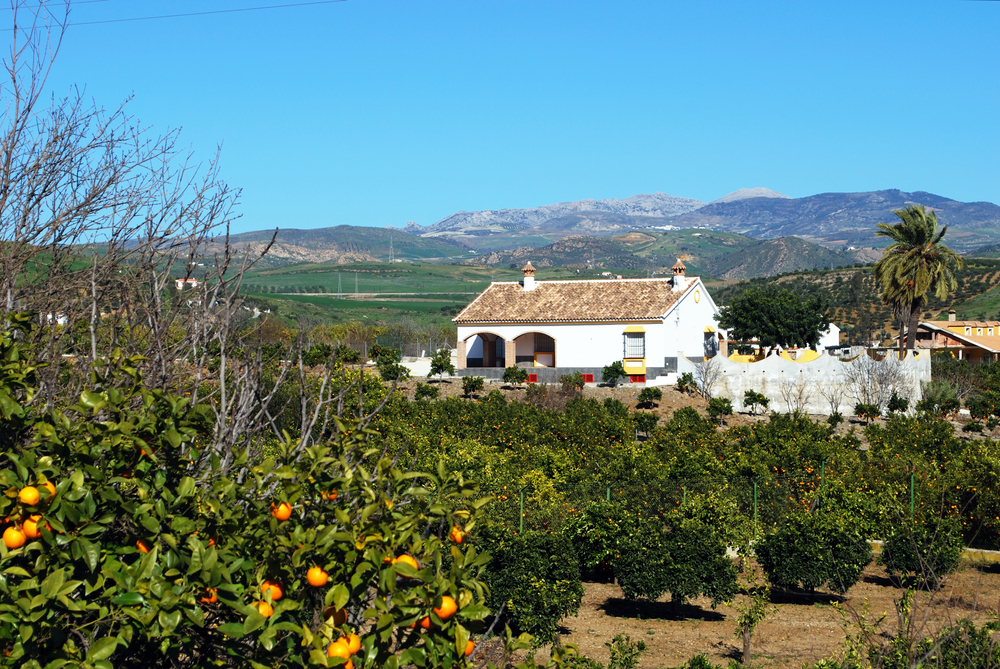
Introduction: Understanding the Essence of a Finca
When one first hears the term “finca”, images of sun-drenched Spanish countrysides, rustic stone houses, and sprawling olive groves often come to mind. But what truly defines a finca, and why has it become such an iconic symbol of Mediterranean living? This comprehensive guide explores the finca in all its facets—from historical roots and legal definitions to lifestyle considerations, architectural styles, and practical advice for aspiring owners. Whether you are dreaming of a rural haven, planning an investment, or simply curious about this cornerstone of Spanish life, this definitive resource will immerse you in the world of fincas.
Historical Origins: The Evolution of the Finca
The word “finca” traces its linguistic roots to the Spanish term for “estate,” but its meaning stretches further than mere translation. Histories of fincas span back centuries, originating primarily as working farms or rural properties owned by families for generations. These properties were often self-sustaining, including agricultural land, livestock enclosures, and orchards—each element meticulously designed to support rural livelihoods.
In ancient times, a finca formed the backbone of Spain’s rural economy. Families relied on these estates for sustenance and income, cultivating crops such as olives, grapes, almonds, and citrus fruits. The architecture and land divisions of fincas reflected practical needs: thick stone walls to withstand Mediterranean climates, shaded courtyards for respite, and cisterns for water storage. Over time, as Spain’s society modernized, many fincas transitioned from solely agricultural use to become retreats, holiday homes, and centers of rural tourism. Despite these changes, a sense of heritage and tradition remains deeply embedded in the identity of a finca.
Definition of a Finca: More Than Just a Rural Property
A finca is, in essence, far more than “just” a countryside property. In its broadest sense, the term refers to a plot of land in rural or semi-rural areas that may include a farmhouse, agricultural installations, natural features, and sometimes even forests or mountainsides.
- Rustic Fincas: Primarily used for farming, livestock, or forestry, with an emphasis on maintaining agricultural activity and natural surroundings.
- Finca Urbana: These fincas, although bearing the name, are sometimes situated closer to towns or cities, having been urbanized over time and offering modern lifestyle amenities.
- Recreational Fincas: Typically designed as holiday or weekend homes, offering leisure activities and privacy rather than solely serving agricultural purposes.
The beauty of the finca lies in its diversity; it may mean a simple stone cottage surrounded by orchards in Andalusia, a grand Catalan villa set amid rolling vineyards, or a lush Majorcan estate with sea views. What unites these is a strong connection to land and tradition—a finca is always a celebration of rural life and landscape.
Legal Aspects: What to Know Before Acquiring a Finca
Purchasing or inheriting a finca in Spain or other Mediterranean countries involves more than a romantic vision. The legal status, permitted uses, and zoning rules are vital to comprehend. Every prospective owner must consider these points:
Land Classification
- Rustic Land (Suelo Rústico): Restrictions usually apply, limiting building or development to protect the countryside. Enlargement or modernization projects must be scrutinized carefully.
- Urban Land (Suelo Urbano): While offering more flexibility for construction, obtaining urban status for a rural finca may be a complicated process, governed by municipal plans and approvals.
Planning Permissions
Before restoration or development, obtaining proper licences (licencia de obra, etc.) is mandatory. The process can be complex—especially when dealing with protected areas or historic structures. Failure to secure these permissions may result in significant costs or legal action.
Utilities and Infrastructure
- Water Rights: Many fincas rely on wells, cisterns, or shared rural water sources. Verify legal rights and availability, particularly when considering agricultural use.
- Electricity: Remote fincas might not be connected to the national grid—plans for solar or alternative energy may be required.
Taxation and Ownership Structures
Taxes on rural properties differ from those in urban centers. IBI (Impuesto sobre Bienes Inmuebles), land registry fees, and, at times, agricultural income declarations may apply. Ownership structures can include personal ownership, shared family estates, or corporate holdings, each with implications for rights and succession.
Engaging knowledgeable legal and tax advisors is prudent when considering a finca; every estate is unique, and diligent due diligence prevents future complications.
Architectural Styles: The Heart of Finca Charm
The appeal of a finca often lies in its architecture, with regional differences echoing centuries of adaptation to local climate and culture. While every finca is unique, several styles are common:
Traditional Andalusian Finca
- Whitewashed exteriors reflecting intense sunlight
- Shaded interior courtyards (patios)
- Terracotta roof tiles and hand-painted ceramic finishes
Catalan Masía
- Stone-built construction with vaulted ceilings
- Large kitchens and cellars—often tied to historic wine production
- Thick walls for insulation against summer heat and winter chill
Balearic Finca
- Characteristics borrowed from island traditions, such as flat roofs and lime rendering
- Emphasis on blending with rocky, coastal landscapes
- Wide porches for outdoor living, often with breathtaking views
Modern Restorations and New-Build Fincas
While some buyers favor faithfully restored historic properties, others seek newly built fincas that blend contemporary amenities with rural aesthetics. Common features include open-plan interiors, smart home systems, and sustainable elements like solar energy or rainwater collection.
Regardless of the style, a hallmark of any finca is its interconnection with nature—the architecture frames, celebrates, and preserves the surrounding landscape.
The Finca Lifestyle: Tranquility, Tradition, and Modernity
Living in a finca is an immersive experience. It embodies a slower pace of life, where mornings begin with birdsong and evenings conclude under clear, star-filled skies. Let’s explore what draws so many to the finca way of life:
- Peace and Privacy: With spacious plots and distance from urban hustle, fincas offer rare tranquility.
- Connection to Nature: Gardens, orchards, and fields foster contact with soil and seasons.
- Self-Sufficiency: Many fincas provide opportunities for growing food, tending animals, or producing olive oil and wine.
- Heritage and Craftsmanship: Owning or restoring a finca can mean preserving history, learning traditional skills, and keeping local stories alive.
- Entertaining and Family Gatherings: Fincas are ideal for celebrations, with ample space for friends and family to gather.
- Wellness and Creativity: The calm, inspiring environment is perfect for pursuits such as writing, painting, or gardening.
Yet, the finca lifestyle blends tradition and modernity. Today, many fincas incorporate wireless internet, swimming pools, advanced kitchen appliances, and wellness zones—merging old-world charm with contemporary comfort.
Finca Agriculture: From Olive Groves to Vineyards
Historically, agriculture is the beating heart of many fincas. Even as rural estates diversify into leisure or tourism, the connection to the land—its productivity and potential—remains potent.
Traditional Crops and Practices
- Olives and olive oil production—a mainstay in regions like Andalusia
- Grapes and wine—the hallmark of Catalonia, Rioja, and many Mediterranean islands
- Almond, citrus, and fig orchards
- Cereal grains and vegetable gardens
Many owners continue to manage their estates as working farms, employing organic or biodynamic techniques. This not only preserves ancient landscapes but can supplement income through produce sales, agritourism, or farm-to-table experiences.
New Trends
- Equestrian activities: Breeding, training, and horse-riding tourism
- Beekeeping and honey production
- Workshops and retreats—yoga, cookery, art, or ecological education
Modern finca agriculture often embraces sustainability principles, encouraging biodiversity and stewardship of valuable ecosystems.
Finca Versus Other Property Types: Making the Distinction
To truly appreciate a finca’s uniqueness, it’s helpful to compare it against other property types:
- Villa: While both fincas and villas can offer luxury and privacy, a finca is always rural or semi-rural, with a tradition-linked agricultural aspect. Villas may exist in city suburbs, on the seafront, or as part of planned communities—lacking the agricultural character and land integration of a finca.
- Country House: This term can overlap with finca, but not all country houses possess the agricultural or historical features that define a finca.
- Masía or Cortijo: These regional terms in Spain refer to large rural estates, but “finca” is a broader umbrella, encompassing properties ranging from modest to grand.
- Plot (Parcela): A plot refers simply to a piece of land. A finca may include multiple plots, a house, and rural infrastructure.
Understanding these distinctions ensures that buyers and enthusiasts align their expectations with reality.
The Emotional Allure: Why Choose a Finca?
The decision to buy or reside in a finca is rarely motivated solely by investment. The emotional resonance of rural living, coupled with the charm of heritage architecture, plays a significant role. The allure includes:
- Simplicity: Daily rhythms dictated by nature, uncluttered by the noise and pace of urban life.
- Creativity: Space and inspiration abound—for art, music, writing, or culinary innovation.
- Gathering Place: Fincas are designed for hospitality, offering warm welcomes and lasting memories.
- Legacy: A finca is often more than a property—it is a story, passed from generation to generation.
The restorative power of rural space, the satisfaction of sustainable living, and the pride of heritage restoration are key elements drawing new generations to the finca lifestyle.
Finca Restoration and Maintenance: Challenges and Rewards
Owning a finca can be deeply fulfilling, but it demands commitment. Restoring or maintaining a rural property poses unique challenges:
Restoration
- Conservation versus Modernization: Balancing the preservation of original features with modern needs is a delicate art. Historic beams, stonework, and tile can often be saved or sympathetically replaced.
- Skilled Labor: Restoration of heritage fincas requires artisans who understand traditional construction methods, not just modern contractors.
- Cost Estimates: Rural renovations can sometimes uncover unexpected expenses—structural repairs, hidden water leaks, or antiquated wiring.
Maintenance
- Land Management: Orchards, fields, and woodlands need regular care—pruning, irrigation, pest control, and sometimes fire prevention measures.
- Water Systems: Wells and irrigation systems must be monitored and maintained. Older fincas may require significant upgrades to ensure reliability.
- Security: Rural isolation increases the need for robust gates, fencing, and sometimes advanced alarm systems.
- Utilities: Dependence on solar, generators, or tanked water means that backup systems and regular maintenance are crucial.
The rewards, however, can be immense. Every renovation breathes new life into history, and every season brings the land’s bounty. Owners enjoy a connection with place and purpose that few other property types can offer.
Finca Investment: Opportunities and Market Trends
Investing in a finca can be as much about emotion as economics, but many recognize the tangible benefits:
- Capital Growth: Well-maintained and uniquely situated fincas, particularly in sought-after regions, have demonstrated long-term value appreciation.
- Rental Returns: Finca holidays have become a niche of their own, catering to travelers seeking authenticity. Luxury rural rentals, farm-stay experiences, and event venues augment income potential.
- Agricultural Revenue: Managed properly, working fincas can produce olives, wine, fruit, honey, or even eco-friendly retreats, diversifying revenue.
- Sustainability Trends: Global interest in sustainable agriculture, organic foods, and “green” tourism bolsters both demand and the social value of rural properties.
Market trends indicate a growing fascination with heritage estates, particularly those sensitively modernized for comfort and efficiency. Demand can vary by region, with islands such as Mallorca, Ibiza, and Menorca commanding premium prices. Mainland destinations—Andalusia, Catalonia, and Valencia—attract buyers looking to invest in both lifestyle and land.
It is vital, though, to research the local market, legalities, and future urban plans. Every finca is unique, making expert appraisal and guidance essential to maximising investment potential.
Sustainable Living and Eco-Conscious Fincas
Modern finca ownership often goes hand-in-hand with ecological stewardship. As climate concerns deepen and interest in self-sufficiency rises, sustainable finca living has come to the forefront.
- Renewable Energy: Solar panels, wind turbines, and hybrid systems allow for off-grid living, reducing dependence on municipal utilities.
- Water Conservation: Rainwater harvesting, greywater recycling, and drought-resistant landscaping are vital, particularly in arid Mediterranean environments.
- Organic Practices: Many owners adopt organic or permaculture principles, minimizing synthetic inputs and fostering biodiversity.
- Wildlife Protection: Native habitats are often conserved or even restored, serving as sanctuaries for birds, insects, and regional flora.
- Green Construction: Natural building materials (lime, stone, sustainable timber) and passive design reduce environmental impact while enhancing comfort.
The combination of centuries-old wisdom and modern green technology positions the finca as a model for responsible, regenerative living.
Finca Tourism and Rural Experiences
Fincas play a significant role in the expansion of rural and experience-based tourism. The traditional farmhouse, surrounded by working fields or vineyards, offers authenticity and adventure that urban accommodations cannot match. Key trends include:
- Agritourism: Visitors participate in olive picking, grape harvesting, cheese making, or animal care—all fostering a powerful connection to land and community.
- Wellness Retreats: Yoga, meditation, and wellness programs in tranquil natural settings attract guests seeking restoration and inner peace.
- Cultural Events: Fincas host music festivals, gastronomy weekends, painting retreats, and local fiestas—many celebrating agricultural harvests or regional customs.
- Eco-Lodges: Newer fincas or restored estates often offer eco-conscious accommodation, appealing to travelers mindful of their environmental impact.
This diversification enables finca owners not only to sustain their properties financially but also to share cultural heritage and foster a deeper appreciation for rural life.
Buying a Finca: Steps and Considerations
For those inspired by the finca lifestyle, the journey to ownership is an adventure of its own. Key steps include:
Step 1: Defining Priorities
- Location: Proximity to towns, airports, or coast
- Land size and features (olive groves, forests, vineyards)
- Type of finca (historic, modern, working farm, leisure)
- Intended use: Residence, holiday letting, agriculture, events
Step 2: Legal and Technical Due Diligence
- Check land classification and building permissions
- Verify water rights, well legality, and utility connections
- Confirm boundaries and property registration (registro de la propiedad)
- Review taxes and outstanding municipal obligations
Step 3: Professional Guidance
- Engage legal, architectural, and financial experts familiar with rural property
- Order building surveys and structural assessments
Step 4: Negotiation and Purchase Process
- Prepare a reservation contract (contrato de arras)
- Secure financing or proof of funds
- Execute purchase before a notary, ensuring all documentation is accurate and up to date
Every phase requires patience, research, and clear communication involving sellers, professionals, and—where applicable—local authorities.
Finca Furnishing and Interior Design
The interiors of a finca reflect both function and artistry. Whether preserving original features or infusing modern sophistication, decor choices should respect the estate’s character. Typical elements include:
- Natural materials: Stone, terracotta, timber, lime plasters
- Textiles: Woolen rugs, linen drapes, artisanal weaves
- Aged finishes: Patinated metals, inherited ceramics, antique furniture
- Modern accents: Designer lighting, contemporary art, minimalist kitchens
Color palettes often draw from nature—earthy browns, cool whites, ochres, and olive greens—while courtyards, terraces, and verandas extend living space outdoors. Open fires, thick walls, and vaulted ceilings create inviting, climate-responsive interiors. Interior design bridges past and present, creating spaces attuned to conviviality, retreat, and inspiration.
Life in Finca Communities: Integration and Participation
Finca living is rarely isolated. Rural communities—whether clusters of family-run fincas or larger estates dotted across valleys—are often tightly bound by history and mutual support. Integration means:
- Participating in local fiestas, agricultural fairs, and village markets
- Collaborating on shared water, road, or irrigation infrastructure
- Exchanging skills and produce—olive oil, wine, preserves—with neighbors
- Supporting local artisans, builders, and service providers
- Respecting traditional customs, land management norms, and communal resources
For newcomers, learning the rhythms and unwritten rules of finca communities brings enriching relationships and connects one more deeply to the region’s culture.
The Future of Fincas: Preservation and Innovation
As society moves towards greater sustainability, authentic experiences, and heritage preservation, the role of fincas is evolving. Key trends shaping the future include:
- Heritage Conservation: Incentives and grants—sometimes available to owners of protected estates—support careful restoration and maintenance.
- Technological Integration: Smart irrigation, remote monitoring, and eco-efficient systems make rural living more comfortable and sustainable.
- Adaptive Reuse: Fincas are being transformed into boutique hotels, cultural centers, wineries, and wellness destinations, ensuring continued relevance and viability.
- Community Resilience: Fincas may serve as models for circular economies, local food systems, and cooperative management in response to changing climates and economies.
The finca, at its core, continues to embody a philosophy of stewardship—of land, tradition, and community. This unique balance is why so many are drawn to its gates, eager to preserve the past while innovating for the future.
Frequently Asked Questions About Fincas
- Can non-residents purchase fincas? Yes, with proper legal and tax advice, non-residents can acquire fincas, though processes may differ by region.
- Is it possible to build new structures on a finca? It depends on zoning. Rural fincas face stricter rules, while fincas on urban land offer more flexibility. Always confirm with local planning authorities.
- Are there restrictions on tree or habitat management? Protected habitats or heritage trees (e.g., ancient olives) may be subject to strict rules. Check environmental regulations before altering landscapes.
- How is access to healthcare and education in rural areas? Many finca owners value proximity to towns or cities for access to services, though some regions offer excellent rural schools and primary healthcare.
- What staffing is required for larger fincas? Job roles can include gardeners, farmworkers, estate managers, and housekeepers—either employed part-time or full-time, depending on scale and activity.
- Is a finca a good retirement option? Many retirees choose fincas for peace, space, and fulfilling hobbies—but consider proximity to services and maintenance demands.
Conclusion: The Finca—A Unique Invitation to Live Well
The finca is not a mere property; it is a microcosm of nature, history, and human creativity. From Andalusian olive groves to the sun-kissed vineyards of Catalonia, from Majorcan sea-view estates to forested inland retreats, every finca tells a tale of the land and those who care for it.
Ownership, restoration, and stewardship of a finca offer opportunities—and responsibilities—that transcend conventional real estate. They invite one to participate in the rhythms of the land, to share in traditional culture, and to innovate for the future.
Whether you dream of founding a rural sanctuary, securing a unique investment, or joining a vibrant community rooted in nature, understanding the world of fincas is the first step. Let this guide be your gateway to a lifestyle defined by tranquility, authenticity, and a profound sense of place. The finca awaits—timeless, resilient, and endlessly inviting.