




The Timeless Appeal of White Houses in Spain
Spain is renowned for a unique architectural landscape punctuated by dazzling white homes stretching across sun-baked coastlines, timeless inland villages, and bustling urban quarters. These iconic witte huizen (white houses) have become emblematic of Spanish culture, captivating both locals and visitors with their charm. But what lies behind the prevalence and enduring appeal of white-painted homes in this Mediterranean country? In this comprehensive exploration, we reveal the rich tapestry of history, environmental wisdom, cultural traditions, and practical benefits that underpin the story of Spain’s whitewashed architectural identity.
Historical Roots: The Origins of Whitewashed Architecture
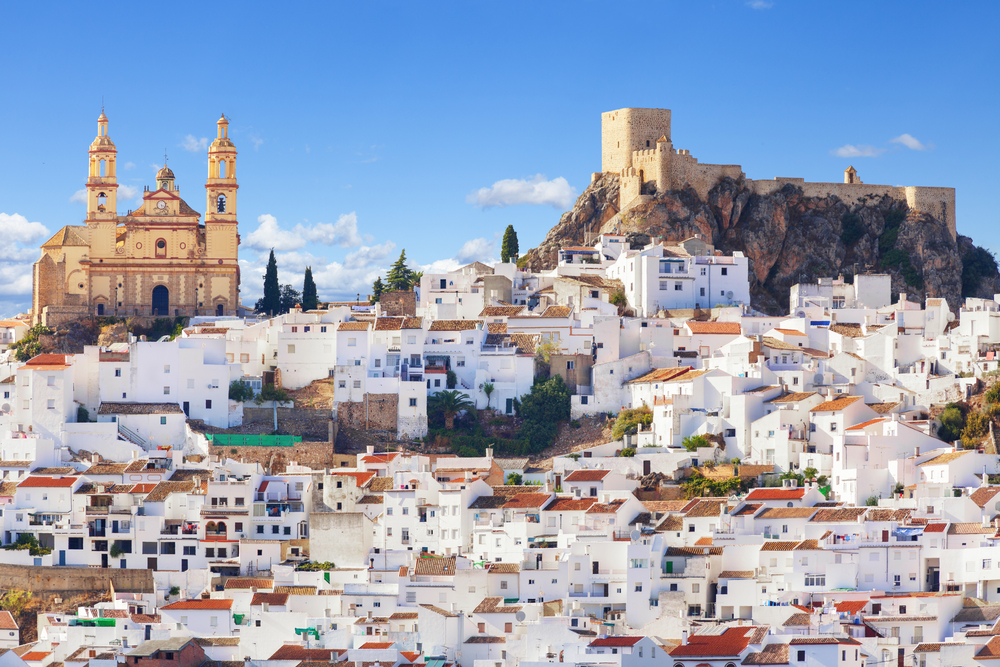
Unraveling the story of Spain’s white houses takes us deep into the annals of history. While the image is strongly associated with Andalusia’s sun-drenched pueblos blancos (“white villages”), the tradition can be traced back to multiple influences that shaped the Iberian Peninsula over millennia.
The Moorish Influence
The expansion of Moorish civilization across Southern Spain from the 8th to the 15th centuries left an indelible imprint on local architecture. Islamic design revered cool, calming spaces—an impulse that prompted the widespread use of white limewash on buildings. This tradition created the iconic white-walled towns and hilltop villages we see today.
- Functional beauty: Moors believed that simplicity and harmony with nature reflected spiritual values. White aesthetics, combined with narrow, shaded streets, fostered tranquility and respite from the searing Andalusian sun.
- Climate adaptivity: Practical responses to heat dictated many building traditions. Limewash, naturally reflective, helped keep interiors cool, while its antibacterial properties sanitized crowded urban environments.
The Mediterranean Connection
Whitewashed homes are not exclusive to Spain. The Mediterranean basin, from Greece to Tunisia, displays similar choices—highlighting shared environmental wisdom across cultures. In Spain, these practices merged with Roman and Visigothic building legacies, translating antiquity’s lessons into vernacular architecture.
Consolidation in the Middle Ages
By the time Christian kingdoms reclaimed the south during the Reconquista, the tradition had become part of regional identity. White facades became synonymous not only with Andalusia but spread across Murcia, Valencia, and even further north to some Castilian provinces.
Environmental Wisdom and Climatic Advantages
One of the most compelling reasons for the abundance of witte huizen in Spain is their response to local climate challenges. Spain experiences some of Europe’s hottest and driest conditions, especially in the southern and eastern regions.
Reflecting Sunlight
The main reason why homes are painted white is simple science: white surfaces reflect sunlight, rather than absorb it. This significantly reduces heat transfer into the buildings, making interiors cooler and more comfortable even during extreme summer temperatures.
- In towns like Ronda or Mijas, summer temperatures can soar past 40°C. The white exteriors deflect much of this heat, reducing the need for artificial cooling long before the invention of air conditioning.
- The effect is most notable in narrow alleyways, where shaded white walls create cooler microclimates that further insulate whole neighborhoods from the heat.
“Cal, Cal, y más Cal”: The Legacy of Lime
The preferred traditional material is “cal” or lime. Limewash is not only bright white but also affordable, renewable, and abundant. Its high reflectivity and breathability make it a perfect fit for Spain’s Mediterranean, semi-arid, and subtropical climates.
- Lime is naturally antibacterial and helps prevent the growth of mold or bacteria, a valuable plus in densely populated old towns.
- It also has the unusual property of “self-healing” minor surface imperfections, enhancing durability and resilience.
Energy-Saving Benefits
The passive cooling benefits of white exteriors translate directly into energy efficiency. By reducing the need for fans or air-conditioning, white houses reflect Spain's ancient commitment to sustainable construction practices. This approach is seeing renewed interest in modern eco-friendly architecture.
Cultural and Symbolic Meanings: White as Identity
The color white assumes a particular cultural resonance in Spain. Its predominance is not only practical, but deeply symbolic, weaving its way into local celebrations, folklore, and community connectivity.
Pueblos Blancos: The Heart of Andalusian Identity
The term “Pueblos Blancos” describes dozens of picturesque white villages scattered across the Andalusian landscape, especially within the provinces of Cádiz and Málaga.
- Villages like Arcos de la Frontera, Grazalema, and Zahara de la Sierra have retained their luminous facades for centuries, becoming microcosms of regional tradition.
- The unity of color across homes, walls, churches, and even castles fosters a profound sense of belonging and mutual identity.
Symbolism of Purity and Community
White is imbued with connotations of purity and renewal in Spanish culture. It finds echoes in ritual, religious processions, and festive costumes—most famously in the all-white dress at the Feria de Abril in Seville.
This symbolic purity is equally reflected in the color of homes. Regular limewashing, performed communally before major fiestas, is both an act of collective pride and spiritual renewal.
Festivals and Communal Traditions
Every spring, countless villages organize events where neighbors gather to repaint facades. These communal acts reinforce bonds and perpetuate tradition, making the act of whitening walls a beloved social ritual as much as a pragmatic task.
The Art of Limewashing: Methods and Materials
The “white” of Spain’s houses is neither paint nor plaster, but rather a specific technique rooted in centuries-old craftsmanship. Understanding limewash, its preparation, and its application is central to appreciating Spanish white architecture.
Historical Lime Production
Traditional lime was produced locally by heating limestone (calcium carbonate) in wood-fired kilns. This labor-intensive process yielded “cal viva,” which is mixed with water to create the milky limewash.
- Villages often had communal lime kilns, underscoring the material’s role in rural life.
- The resulting product is both sustainable and locally sourced, contributing to the region’s ecological footprint.
The Application Process
Applying limewash is both art and science. The material is brushed onto walls in multiple thin layers, usually in the spring or autumn. Lime reacts with the carbon dioxide in the air, gradually hardening to form a bright, durable finish.
- Water must be added with care to control thickness and opacity.
- Some villages add natural pigments—such as blue, ochre, or terracotta—for decorative trim while keeping the expansive surfaces pure white.
Longevity and Maintenance
A hallmark of limewash is its periodic renewal. Unlike modern paints, it weathers gracefully, absorbing and dissipating minor damage from rain or sun. This requires homes to be re-whitened every year or two, perpetuating a living link with local heritage.
Regional Variations Across Spain
While Andalusia epitomizes the archetypal Spanish white village, variations on this tradition are found throughout the country, each incorporating local materials and climatic adjustments.
The Balearic and Canary Islands
On islands such as Ibiza, Menorca, and Lanzarote, white houses are built with thick stone or mud walls, covered with dazzling white limewash. The effect is intensified by strong Mediterranean and Atlantic sunlight, enhancing the region’s ethereal beauty.
- Lanzarote, in particular, owes its uniform, low-rise, white housing to the visionary legacy of the artist César Manrique, who advocated harmony with the volcanic landscape.
Levante and the Mediterranean Coast
In regions like Alicante, Valencia, and Murcia, white homes contrast with ochre soils and lush orchards. Here, the tradition marries with Mediterranean influences, incorporating ornate tiles or blue trim to accentuate the blinding whiteness.
Other Regions
While less omnipresent in central or northern Spain—where stone, slate, or timber are more common—some towns in Extremadura and even Galicia still feature whitewashed homes, demonstrating the versatility and enduring legacy of this tradition.
White Homes in Urban and Rural Contexts
Spain’s white architecture bridges both town and country, adapting harmoniously to distinct community settings.
Rural Villages: Living Tradition
In rural regions, white homes preserve centuries-old patterns of life. Houses are densely packed around winding streets as protection from sun and wind. Roofs are flat or gently sloped, sometimes topped with terracotta tiles, while small windows provide both ventilation and privacy.
Courtyards (patios) form the heart of the home, often brimming with flowers—particularly during festivals like the Córdoba Patio Festival, where the interplay of whitewashed walls and blooms creates unforgettable color.
Urban Settings: Heritage Meets Modernity
In larger towns and cities, the white house tradition serves a dual role: as local heritage and as a contemporary design template. Urban renewal projects, especially in historic districts, increasingly emphasize preservation of white facades to maintain architectural harmony and attract visitors.
- The old quarter of Marbella, for example, harmonizes centuries-old white houses with modern boutiques and restaurants, blending authenticity and luxury.
- Seville and Granada highlight the enduring power of white architecture against Moorish and Renaissance backdrops.
The Role of White Houses in Spanish Tourism
Witte huizen are not mere places to live; they are integral to Spain’s identity as a travel destination. They shape visitor experiences in profound ways, from the rustic charm of village escapes to the visual impact of postcard views.
Attracting Visitors to the Pueblos Blancos
The white villages of Andalusia, such as Ronda and Mijas, are magnets for international tourists. Their striking beauty—white houses perched on rugged cliffs or nestled in fertile valleys—has turned these towns into essential stops for those seeking an authentic Spanish experience.
- Photographers, painters, and writers have long been drawn to the ethereal glow of these towns, inspired by the interplay of light and shadow on white walls.
- Architectural walking tours, culinary experiences in white-walled tavernas, and local festivals all highlight the centrality of white homes to regional tourism.
Iconic Imagery and National Branding
The image of sparkling white houses under a brilliant blue sky is featured in countless travel brochures, advertisements, and films—becoming a symbol not just of Andalusia, but of Spain itself.
This imagery embodies the Mediterranean ideal of sun, sea, and tranquility, playing a key role in drawing both holidaymakers and foreign property seekers to Spanish destinations.
Preservation and Restoration: Challenges and Rewards
The beauty and authenticity of Spain’s white houses depend on ongoing preservation and careful restoration. Maintaining these historic facades presents both technical challenges and opportunities for heritage stewardship.
Balancing Tradition and Modernity
As tourism and population pressures increase, some white villages have faced the incursion of incongruous modern materials, threatening historic character. Municipal regulations often stipulate strict controls on construction and exteriors; residents must use traditional limewash and avoid disruptive modifications.
Restoration Techniques
Specialist craftsmen are frequently employed to restore limewash, repair masonry, and preserve decorative features. Maintaining authenticity is a painstaking process, especially in listed historic neighborhoods.
- Restorers use traditional formulas and locally sourced materials.
- Old photographs and community oral histories are referenced to ensure fidelity to original styles and colors.
Community Engagement
Preservation efforts are often led by local residents, supported by civic authorities. Annual repainting and renovation campaigns are celebrated as social events, fostering local pride and intergenerational continuity.
Environmental Responsibility
Renewed enthusiasm for sustainable living has reinforced the value of white limewash, which has minimal environmental impact compared to synthetic alternatives. This approach aligns with Spain’s growing commitment to ecological building practices.
Modern Adaptations: White Homes in Contemporary Spanish Design
Far from being a static tradition, the white house motif is continually reinterpreted by modern architects and designers in Spain and beyond.
Minimalism and Mediterranean Inspiration
White exteriors have become a hallmark of contemporary Spanish minimalism. Many new homes reinterpret traditional forms—flat roofs, thick walls, internal patios—while adapting them for 21st-century lifestyles.
- Stylish villas along the Costa del Sol combine ultra-modern lines with white lime facades, blending past and present in striking visual harmony.
- White is favored for its neutrality, complementing bold landscaping, colorful tiles, or panoramic glass walls.
White Spaces and Interior Design
The love of white extends indoors, inspiring open, airy interiors bathed in natural light. Interior designers celebrate the interplay of whiteness and rustic materials—timber beams, stone floors, artisanal ceramics—reflecting a modern appreciation of Spain’s heritage.
Innovation in Sustainability
Modern construction technologies further enhance the climate efficiency of white houses. Innovations include advanced lime plaster formulas and eco-friendly insulation that reduce environmental impact while honoring traditional aesthetics.
Witte Huizen and Property Investment
The unique appeal of white houses in Spain extends to the property market, offering both tangible and intangible benefits for homeowners and investors.
Enduring Value
Properties in white villages and districts often command a premium, thanks to their historic character, curb appeal, and proximity to popular tourist attractions. Their desirability transcends fleeting trends, ensuring consistent demand and stable returns for well-maintained homes.
Short-Term Rentals and Holiday Homes
For those buying property for vacation use or rental income, white homes offer a distinct advantage. Their photogenic facades and authentic atmosphere attract travelers seeking memorable, Instagram-worthy accommodation—making them a perennial favorite in the competitive holiday rental market.
Heritage and Investment Security
In protected districts, the rigorous regulations that safeguard traditional white houses also help preserve property values over time, creating a secure investment grounded in authenticity.
The Role of Local Expertise
Successfully navigating the process of purchasing, renovating, or maintaining a historic white house often requires expert local guidance. Familiarity with regional regulations, restoration methods, and community customs is essential to optimizing both experience and investment.
Common Myths and Misconceptions About Spanish White Houses
The iconic status of witte huizen in Spain has given rise to numerous myths and misunderstandings. Here, we separate fact from fiction to provide a clearer understanding.
Myth 1: White Houses Are Only Found in Andalusia
While Andalusia’s Pueblos Blancos are the most famous, whitewashed homes appear across coastal, insular, and even some northern regions of Spain. Local variations reflect unique histories and environmental needs.
Myth 2: White Houses Are a Modern Tourist Invention
The tradition of white homes preceded mass tourism by centuries, originally evolving out of practical responses to climate and public health, with evidence dating back to the Moorish era and beyond.
Myth 3: Whitewash Is Less Durable Than Modern Paint
While limewash does need periodic renewal, its natural weather resistance and antibacterial qualities have protected Spanish buildings for generations. Its maintenance is often simpler and more sustainable than synthetic alternatives.
Myth 4: All White Houses Look the Same
A closer look reveals that each region, community, and even family contributes distinct touches to their white homes—whether in roof pitch, courtyard layout, decorative tiles, or contrasting paint on doors and windows.
Step-By-Step: Maintaining a Traditional White House
For existing and aspiring owners, preserving a classic Spanish white home involves an ongoing commitment to tradition, care, and community. Here’s a detailed breakdown of best practice:
- Assessment: Begin by inspecting the surfaces for flaking lime, moisture damage, or micro-cracks. Early intervention prevents deeper structural issues.
- Preparation: Clean the walls thoroughly, removing loose material with a soft brush and gently dampening dusty surfaces to improve lime adhesion.
- Limewash Mixing: Prepare traditional limewash by mixing slaked lime and water to the desired consistency, optionally adding natural pigments for decorative accents.
- Application: Use wide brushes to build up multiple thin coats, allowing each to dry before reapplying. Avoid painting during rain or strong direct sun, as rapid drying can compromise the finish.
- Annual Renewal: Repeat the process yearly (or every two years), ideally as part of the community’s springtime limewashing tradition.
- Long-Term Care: Check for rising damp or leaks, maintain roof tiles, and avoid the use of non-breathable modern materials that could disrupt traditional wall performance.
Aesthetic and Emotional Impact: Living Among White Walls
Beyond their practical and historical aspects, Spanish white houses exert a powerful emotional and sensory effect on their inhabitants and admirers.
Enhancing Light and Wellbeing
White exteriors and interiors amplify natural light, creating bright, uplifting environments that foster a sense of spaciousness and serenity. In a culture that prizes connection with the outdoors, this effect blurs boundaries between inside and outside living.
The Power of Simplicity
The inherent minimalism of white homes emphasizes form, shadow, and organic accents—such as green vines, blue shutters, or vibrant potted flowers. This approach cultivates mindfulness and appreciation of everyday beauty.
Seasonal Changes
Seasonal light transforms the character of white villages, softening lines under spring rain, intensifying brightness at noon, or glowing orange at sunset. These ever-shifting qualities root residents in the rhythm of nature.
Inspiration for Creativity
Many Spanish artists, architects, and writers have drawn profound inspiration from the white homes of their childhood or adopted regions, finding in their radiance a metaphor for clarity, hope, and rebirth.
Comparative Perspectives: White Houses in Global Context
Spain’s tradition of white homes forms part of a broader Mediterranean legacy, yet retains its unique local characteristics. Comparing these customs with similar phenomena abroad provides enriching insights.
Greece and Italy
The whitewashed villages of the Greek islands, such as Santorini or Mykonos, share striking similarities with Pueblos Blancos, but differ in architectural details (e.g., domed roofs, blue domes). In southern Italy, whitewashed homes such as in Puglia’s Ostuni echo a shared environmental logic.
Africa and the Middle East
From Tunisian kasbahs to Moroccan medinas, white lime continues to dominate traditional urban landscapes. Moorish influences link Spanish towns to their North African cousins both aesthetically and in construction technique.
The Distinctiveness of Spanish White Villages
Despite these parallels, Spain’s white homes stand out for their dense clustering, terraced layouts, floral ornamentation, and communal maintenance rituals—each expressing distinct values of Spanish rural life.
Legal Framework and Urban Policy
Spanish authorities play a significant role in safeguarding the tradition of witte huizen. Stringent regulations at local and regional levels ensure architectural continuity and prevent unsympathetic alterations.
Conservation Laws
Historic zones and heritage villages subject homeowners to strict aesthetic standards. Limewash is often mandatory, with doors and window frames restricted to specific, pre-approved colors (usually blue, green, or wood tones).
New Construction
Urban policies may require that new structures mimic traditional forms, materials, and colors to preserve the unity of towns’ visual character.
Community Incentives
Many town councils offer grants or tax incentives to support restoration and routine limewashing, recognizing the cultural and economic value of preserving their built environment.
The Future of White Houses in Spain
As Spain marches forward, the tradition of white homes balances between time-honored continuity and exciting renewal. The revival of ecological building practices, coupled with a growing appreciation of architectural heritage, portends a bright future for witte huizen.
Ecological Resurgence
The sustainability of limewash and passive cooling principles position white homes at the forefront of Mediterranean “green” building initiatives—reinforcing the wisdom of ancestral practices.
Heritage Tourism and Economic Renewal
The appeal of authentic, evocative white villages underpins local economies, enabling rural development, repopulation of depopulated areas, and the nurturing of unique community identities.
Modern Innovation
Architects, artists, and craftspeople continue to adapt white house motifs for changing needs, whether in boutique hotels, luxurious private homes, or avant-garde public buildings—all echoing the inspiring roots of Spanish architecture.
Conclusion: The Enduring Splendor of Spanish White Homes
The abundance of witte huizen in Spain is far more than an aesthetic quirk or fleeting fashion. It reflects a profound wisdom—melding science, art, culture, and community across centuries. From their Moorish inheritance and environmental resilience to their role in shaping local identity, Spanish white houses shine as beacons of harmony between people, place, and tradition.
Whether you are strolling through an Andalusian village at dawn, relaxing in a flower-filled courtyard, or exploring a modern home shaded by age-old lime, you participate in a living story. The white house is both canvas and shelter, reflecting the sun, fostering community, and inspiring all who encounter its timeless beauty.
As Spain continues to evolve, these luminous homes—rooted in the past yet ever-renewed—remain an enduring source of pride, wonder, and connection.